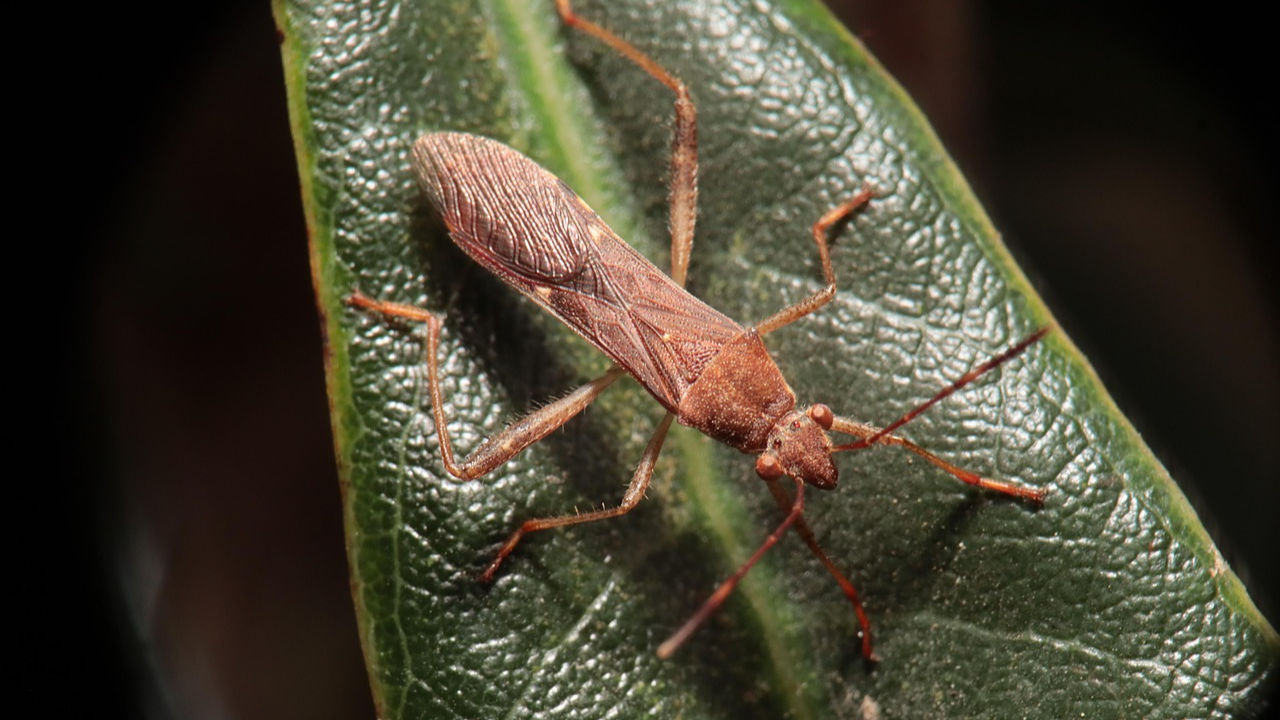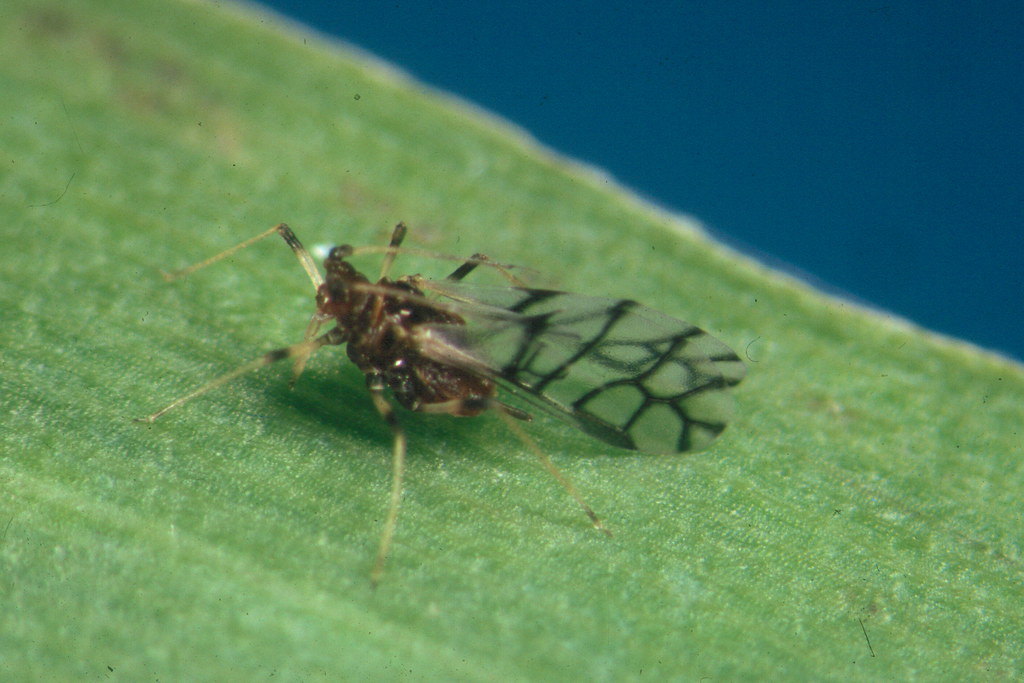
Hemiptera
Guides
Flexamia arizonensis
Flexamia arizonensis is a leafhopper species in the family Cicadellidae, first described by Young & Beirne in 1958. It belongs to the genus Flexamia, a group of leafhoppers characterized by strong host-plant specificity, with most species dependent on particular grass species. The species is known from the southwestern United States and adjacent regions.
Flexamia doeringae
Flexamia doeringae is a leafhopper species in the family Cicadellidae, described by Beamer and Tuthill in 1934. It belongs to the genus Flexamia, a group of deltocephaline leafhoppers known for their specialized host plant associations. The genus is characterized by species that are typically dependent on specific grass hosts, though the particular host relationships of F. doeringae remain undocumented. The species has been recorded from Arizona and Mexico.
Flexamia huroni
Huron River Leafhopper
Flexamia huroni is a leafhopper species in the family Cicadellidae, described by Bess & Hamilton in 1999. It belongs to the genus Flexamia, a group of leafhoppers known for their specialized host plant associations with grasses. The species is named after the Huron River in Michigan, where it was first collected. Like other members of the genus, it likely exhibits strong ecological dependence on specific grass host plants.
leafhoppercicadellidaedeltocephalinaeparalimniniflexamiagrass-specialistmichigan-endemicauchenorrhynchahemipterainsectaarthropodaanimaliatrue-bugplanthopper-relative1999-descriptionbesshamiltonhuronihuron-riverusanorth-americagrassland-insecthost-specificpoorly-knownrareuncommondata-deficientgbifcatalogue-of-lifencbiinaturalisttaxonspeciesacceptedhexapodacicadomorphaclypeatamembracoideaparalimninaflexamia-huronibess-&-hamilton1999exact-matchaccepted-namecanonical-namescientific-nameauthorshiprankstatusmatchedtaxonomyclassificationeukaryotametazoadistributionmichiganobservations0wikipedianonepreferred-common-namehuron-river-leafhoppertrue-bugsgroupkingdomphylumclassorderfamilygenusauthorityiptintegrated-publishing-toolkitbiodiversity-data-journalzookeysnature-conservationcomparative-cytogeneticsopen-accessopen-accessjournalpublicationdatasetspecimentypenomenclatural-typeherbariumuniversity-of-granadaspainfungilichensagaricalescortinariusantonio-ortegamediterraneanfranceitalyimage-collectioncolección-de-imágenes-de-los-tipos-nomenclaturales-de-hongoslíquenesmusgos-y-algasgdagdacvizosoquesada2015doi10.3897bdj3e5204new-speciesnew-jersey-pine-barrensmuhlenbergia-torreyanapinebarren-smokegrassthreatened-speciesandrew-hicksmuseum-of-natural-historyuniversity-of-coloradogerry-moorenatural-resources-conservation-servicegreensboronculi-lorimerbrooklyn-botanic-gardenf.-whitcombirobert-whitcombmicrobiologyornithologyecologyhost-plantwarming-climatehuman-activitieszookeys-51169-79zookeys.511.9572roundwormnematodeantarcticamblydorylaimus-isokaryonipararhyssocolpus-paradoxusbulgariascanning-electron-microscopysemmaritime-antarcticantarctic-islandslip-regionspearvulvapostembryonic-developmentmolecular-analysesdorylaimidaelshishkalazarovaradoslavovhristovpeneva25-68zookeys.511.9793anidiv2bulgarian-academy-of-sciencesnational-scientific-fundoctocoralokinawajapannanipora-kamurailiving-fossilblue-coralhelioporaaragonite-calcium-carbonateskeletonscleractinianssoft-coralheliporacealithotelestidaeepiphaxumdeep-seashallow-coral-reefzamami-islandnational-parkmiyazakireimer1-23zookeys.511.9432non-biting-midgechironomusch.-bernensisnorth-caucasusrussiacaucasian-populationseuropesiberiakaryotypemorphologymouthpartslarvaechromosomegenotypic-combinationsmineralizationeutrophicationkarmokovpolukonovasinichkinatembotov-institute-of-ecology-of-mountain-territoriessaratov-state-medical-universitycomparative-cytogenetics-9281-297compcytogen.v9i3.4519sea-turtlerescue-centrefirst-aid-stationloggerheadgreen-turtlecaretta-carettachelonia-mydasbycatchmortalitygreecemigrationsexual-maturityullmannstachowitschuit-the-arctic-university-of-norwaynature-conservation-1045-69natureconservation.10.4890regional-activity-centre-for-specially-protected-areasporcupinecoendou-ichilluslower-urubambaperucanopy-bridgepipelinenatural-gasarborealcamera-trapdwarf-porcupineiquitos770ggregorylundezamora-mezacarrasco-ruedarepsol-exploración-perúzookeys-509109-121zookeys.509.9821antprionopeltamadagascarseychellessubterraneanleaf-litterdracula-anthemolymphlarval-hemolymph-feedingoophagymadagascar-biodiversity-centeroversonfisherzookeys-507115-150zookeys.507.9303itobillenmasukospideranelosimussubsocialcobweb-spidertheridiidaedeforestationbiodiversity-hotspotagnarssonuniversity-of-vermontsmithsonian-national-museum-of-natural-historywallacehuxleybuffonhookerlamarckdarwinmoramoraeriophyoid-miteacarixinjiangchinarosaceaeparacolomerusgallji-wei-liwangxuezhangzookeys-50897-111zookeys.508.8940shihezi-universitygrasshopperwyomingmelanoplusmelanoplinaeacrididaetetrigidaegomphocerniaeoedipodinaecyrtacanthacridinaedistribution-atlasfield-guidewgiswyoming-grasshopper-information-systemkeycapinerasechristhebardhelferscudderblatchleythomassayharrisdegeerbrunersaussuregirarddodgewalkerfieberfabriciusservillemcneilltinkhamburmeisterhaldemanbig-horn-mountainsblack-hillsgladstonindigensinfantilisdodgeioregonensismarshalliyellowstone-national-parksagebrushpineelevationshortgrass-prairiemixedgrass-prairieforbgrasseconomic-damagerangelandbenefitoverwinteregghatchadultlate-summeraugustoctoberjunelife-cyclefood-habitsizecollectionsurveyunderreportedcommonendemicrestricted-rangeforest-openinggrassymoderate-elevationlargersmallereastwestunited-statesamericanorthsouthcentralrangeextentlimitedrestrictedabundantpopulationdensityoccurrencepresenceabsencehabitatenvironmentconditionaltitudetopographyterrainvegetationplantshrubtreeforestopeningmeadowprairiesteppesavannawoodlanddrawslopeaspectsoilsubstratemoisturetemperatureclimateweatherseasonphenologytimingactivitynymphemergemoltdevelopgrowreproducemateovipositdiegenerationvoltinismunivoltinebivoltinemultivoltinesemivoltinediapauseaestivationhibernationdispersalmovementbehaviorhabitactionfeedingdietfoodhostassociationrelationshipinteractionspecialistgeneralistmonophagyoligophagypolyphagyherbivoredetritivorepredatorparasitoidscavengereconomic-importancepestbeneficialneutraldamagecontrolmanagementconservationthreatenedendangeredvulnerablesecureunknownglobal-biodiversity-information-facilityesbiodiversity-image-portalspanish-collectionstype-specimenlichenantarcticabernensisliyellowstoneFlexamia pyrops
Flexamia pyrops is a leafhopper species in the family Cicadellidae, described by Crumb in 1915. The genus Flexamia belongs to the tribe Paralimnini and subfamily Deltocephalinae. Members of this genus are generally associated with specific host plants, a trait shared with most other Flexamia species. Distribution records indicate presence in several eastern and southeastern US states including Florida, Georgia, Illinois, Kentucky, and Maryland.
Floridonus taxodii
Floridonus taxodii is a leafhopper species in the family Cicadellidae, described by Sanders and DeLong in 1923. The specific epithet 'taxodii' suggests an association with bald cypress (Taxodium distichum), though this relationship is not explicitly documented in available sources. The species is endemic to Florida, with records limited to this state. As a member of the tribe Platymetopiini within the subfamily Deltocephalinae, it belongs to a diverse group of leafhoppers characterized by particular wing venation patterns and male genitalia structures.
Fokkeria producta
Fokkeria producta is a shield-backed bug in the family Scutelleridae, described by Van Duzee in 1904. This species belongs to a family commonly known as shield bugs or jewel bugs, recognized for their enlarged scutellum that covers most of the abdomen and wings. The genus Fokkeria is part of the diverse North American scutellerid fauna.
Freysuila phorodendri
Freysuila phorodendri is a species of jumping plant louse in the family Psyllidae. It is associated with mistletoe plants in the genus Phoradendron, as indicated by its species epithet. The genus Freysuila contains relatively few described species and is poorly studied. Available records are sparse, with limited published information on its biology.
Froeschneria piligera
dirt-colored seed bug
Froeschneria piligera is a dirt-colored seed bug in the family Rhyparochromidae, first described by Stål in 1862. The species belongs to the tribe Myodochini within the subfamily Rhyparochrominae. It has been documented across a broad geographic range spanning North, Central, and South America, as well as the Caribbean. The genus Froeschneria was established to honor the heteropterist Richard C. Froeschner.
Fulgoromorpha
planthoppers
Fulgoromorpha is an infraorder of Hemiptera containing over 12,500 described species worldwide, commonly known as planthoppers. These insects are characterized by plant-feeding habits using piercing-sucking mouthparts to extract phloem sap. The group exhibits remarkable morphological diversity, including elaborate head ornamentation in some families such as Fulgoridae. Planthoppers are distributed globally across terrestrial ecosystems, with particularly high diversity in tropical regions. While most species are not economically significant, some have emerged as serious agricultural pests, notably the invasive spotted lanternfly (Lycorma delicatula) in North America.
Fulvius
Fulvius is a genus of plant bugs in the family Miridae, subfamily Cylapinae. The genus contains at least 90 described species distributed across all continents except Antarctica. Species in this genus are small, predatory or plant-feeding true bugs. The genus was established by Carl Stål in 1862.
Galeatus
Galeatus is a genus of lace bugs in the family Tingidae, comprising approximately 18 described species. These true bugs are characterized by their distinctive reticulated, lace-like forewings and flattened body form typical of the family. The genus was established by Curtis in 1833 and is classified within the infraorder Cimicomorpha. Species in this genus are found across parts of Europe and Asia based on available distribution records.
Galeatus affinis
Galeatus affinis is a species of lace bug in the family Tingidae, first described by Herrich-Schaeffer in 1835. The species has a broad geographic distribution spanning Europe, Northern Asia (excluding China), North America, and Southern Asia. As a member of the lace bug family, it exhibits the characteristic reticulated, lace-like forewings typical of Tingidae. The species was originally described under the genus Tingis before being transferred to Galeatus.
Galeatus spinifrons
Galeatus spinifrons is a species of lace bug in the family Tingidae. It was described by Fallén in 1807. The species has a broad distribution spanning Europe, Northern Asia (excluding China), and North America. As a member of the lace bug family, it possesses the characteristic reticulated, lace-like forewings typical of Tingidae.
Galgupha aterrima
ebony bug
Galgupha aterrima is a species of ebony bug in the family Thyreocoridae, described by Malloch in 1919. It is a true bug (Hemiptera) native to North America. Members of this family are commonly known as ebony bugs due to their characteristically dark coloration. The species has been documented through limited observations, with records indicating presence across North America.
Galgupha atra
ebony bug
Galgupha atra is a species of ebony bug in the family Thyreocoridae, a group of true bugs within the order Hemiptera. It is distributed across Central America and North America. Members of this family are typically small, dark-colored bugs with a distinctive shield-like body shape.
Galgupha nitiduloides
ebony bug
Galgupha nitiduloides is a species of ebony bug in the family Thyreocoridae, a group of true bugs characterized by their compact, often shiny black bodies. The species occurs across Central America and North America, with three recognized subspecies showing geographic variation. As a member of the shield bug complex, it possesses the typical pentatomoid body plan but with the reduced scutellum and distinctive form characteristic of ebony bugs. Documentation of this species remains limited, with few observational records available.
Gampsocorinae
stilt bugs
Gampsocorinae is a subfamily of stilt bugs (family Berytidae) established by Southwood & Leston in 1959. It contains approximately 60 described species distributed across two tribes: Gampsocorini and Hoplinini. Members are characterized by their elongated, slender legs that give the group its common name. The subfamily has been documented in multiple global databases including ITIS, Catalogue of Life, and GBIF.
Gampsocoris
stilt bugs
Gampsocoris is the type genus of the subfamily Gampsocorinae and tribe Gampsocorini within the stilt bug family Berytidae. Species in this genus are predominantly recorded from Europe and Africa. In Poland, at least two species occur: G. punctipes and G. culicinus, with the latter having a limited distribution suggesting recent immigration. The genus comprises approximately 15 described species.
Gardena
thread-legged bug
Gardena is a genus of thread-legged assassin bugs in the subfamily Emesinae, tribe Emesini. It is the second-largest genus in its tribe, with 46 described species. Members of this genus are characterized by their elongated, slender bodies and raptorial forelegs adapted for capturing prey. The genus was established by Dohrn in 1859.
Garganus splendidus
Garganus splendidus is a species of plant bug in the family Miridae, first described by Distant in 1893. It is known from limited records in Central America and the southwestern United States. As with many mirid species, detailed biological information remains sparse.
Gargaphia
Gargaphia is a genus of lace bugs (family Tingidae) containing more than 70 described species. Members are small, phytophagous true bugs characterized by intricate reticulated forewings. Several species are economically significant as agricultural pests, particularly on solanaceous crops and passion fruit. The genus is notable for exhibiting maternal care behaviors, including egg guarding and defensive responses to predators.
Gargaphia albescens
Gargaphia albescens is a species of lace bug in the family Tingidae, described by Drake in 1917. It is native to North America. Like other members of the genus Gargaphia, it belongs to a group of lace bugs that feed on plants, though specific host associations for this species remain poorly documented. The species is distinguished by its pale or whitish coloration, as suggested by its specific epithet 'albescens' (becoming white).
Gargaphia angulata
Gargaphia angulata is a species of lace bug in the family Tingidae, first described by Heidemann in 1899. It is a small true bug characterized by the reticulated, lace-like forewings typical of its family. The species has been documented across much of North America, with records from numerous U.S. states and Canadian provinces. Like other lace bugs, it is likely associated with specific host plants, though detailed biological information remains limited.
Gargaphia condensa
Gargaphia condensa is a species of lace bug (family Tingidae) described by Gibson in 1919. It occurs in North America. Like other members of the genus Gargaphia, it is likely associated with host plants, though specific host records for this species are not well documented.
Gargaphia opacula
Gargaphia opacula is a species of lace bug in the family Tingidae, described by Uhler in 1893. Like other members of the genus Gargaphia, it is a small, flattened true bug with the characteristic reticulated wing covers typical of lace bugs. The species has been recorded from several localities in western North America including California, Kansas, New Mexico, and Utah. As with many tingid species, detailed biological information remains limited in the available literature.
Gargaphia solani
eggplant lace bug
Gargaphia solani is a subsocial lace bug in the family Tingidae, described by Heidemann in 1914 after emerging as a pest of eggplant in Norfolk, Virginia. It is the first species in its family in which maternal care was discovered. Females guard circular egg masses on leaf undersides and defend nymphs against predators, a behavior essential for offspring survival given heavy predation pressure. Development from egg to adult takes approximately 20 days, with nymphs passing through five instars. The species is a significant agricultural pest of solanaceous crops and has been extensively studied for its reproductive trade-offs and the evolution of parental care.
Gastrodes
dirt-colored seed bugs
Gastrodes is a genus of dirt-colored seed bugs in the family Rhyparochromidae, established by Westwood in 1840. The genus contains approximately 14-15 described species distributed across Europe, temperate Asia, and North America. These true bugs belong to the tribe Drymini within the subfamily Rhyparochrominae.
Gastrodes pacificus
dirt-colored seed bug
Gastrodes pacificus is a species of true bug in the family Rhyparochromidae, commonly referred to as a dirt-colored seed bug. The species was first described by Provancher in 1885 under the basionym Platygaster pacificus. It is distributed across North America, with records from the United States and Canada. As a member of the Rhyparochromidae, it belongs to a family of ground-dwelling seed bugs that feed primarily on seeds.
Gelastocoris oculatus
Big-eyed Toad Bug
Gelastocoris oculatus, commonly known as the big-eyed toad bug, is a riparian predator in the family Gelastocoridae. It inhabits freshwater margins across North and Central America, where its cryptic coloration and hopping locomotion resemble small toads. The species captures smaller insects by leaping onto them and subduing them with piercing-sucking mouthparts. Both adults and nymphs are predatory, with females depositing eggs under rocks or in sand or mud.
Geocoris alboclavus
Geocoris alboclavus is a species of bigeyed bug in the family Geocoridae, described by Barber in 1948. Like other members of the genus Geocoris, it is a predatory insect with characteristically large eyes. The species is known from the United States, with records from North America. Bigeyed bugs in this genus are generally recognized as beneficial predators in agricultural systems, feeding on various pest insects and mites.
Geocoris barberi
bigeyed bug
Geocoris barberi is a species of bigeyed bug in the family Geocoridae, described by Readio & Sweet in 1982. Species in the genus Geocoris are recognized as important natural enemies of agricultural insect pests. They serve as biological control agents in integrated pest management programs, particularly in crop systems such as cucumber fields where they help suppress pest populations.
Geocoris black-calli-az
bigeyed bug
Geocoris black-calli-az is a species of bigeyed bug in the family Geocoridae. Members of this genus are predatory insects recognized for their large, conspicuous eyes. The species has been documented in association with agricultural systems where Geocoris species serve as natural enemies of crop pests.
Geocorisbigeyed-bugpredatoragricultural-habitatnatural-enemyHemipteraHeteropteraGeocoridaepest-controlIPMbiological-controlpredatory-buginsect-predatorcrop-protectionbeneficial-insectHemiptera-predatoragricultural-ecologyconservation-biological-controllandscape-ecologycotton-pest-managementcucumber-pest-managementstriped-cucumber-beetle-predatormelon-aphid-predatorlygus-bug-predatornatural-habitat-associationsimulation-modeling-subjectlandscape-scale-predator-dynamicsearly-colonizer-resource-responsedispersal-behavioroverwintering-predatorannual-crop-predatorplant-bug-predatoragroecosystem-predatorfield-margin-predatornon-crop-habitat-userred-clover-associationcover-crop-beneficiaryflowering-strip-associatenectar-feederpollen-feederalternative-prey-usershelter-userfunctional-diversity-respondentplant-diversity-beneficiaryhabitat-management-targetintegrated-pest-management-toolecological-intensification-agentsustainable-agriculture-supporterpesticide-reduction-enablerbiodiversity-maintenance-agentcrop-pest-suppressorherbivore-population-regulatortrophic-cascade-mediatorfood-web-integratoragricultural-landscape-componentnatural-enemy-conservation-targetfarmer-adoption-subjectobservation-based-learning-subjectclimate-change-response-subjectrange-shift-potentialcommunity-interaction-participantplant-plant-interaction-respondentoviposition-site-selectorfeeding-preference-exhibitormovement-behavior-exhibitorhost-selection-exhibitordispersal-distance-variablesearch-area-variableoverwintering-density-variableresource-availability-responderlandscape-heterogeneity-respondentconservation-biological-control-success-variablefield-research-validation-targetin-silico-experimentation-subjectmechanistic-model-componentsimulation-scenario-variablemeta-analysis-subjectconflicting-result-contributornatural-habitat-coverage-respondentnatural-habitat-distribution-respondentcrop-resource-usernatural-habitat-resource-userpredator-trait-variableearly-season-colonizerpest-load-variablebiocontrol-service-providerecosystem-service-provideragricultural-sustainability-supporterfarmer-education-subjectneighbor-learning-facilitatorwidespread-adoption-potentialdynamic-approach-requirementresearch-and-adoption-growth-subjectfarmer-benefit-providerconsumer-benefit-providerchemical-pesticide-alternativeecological-strategy-componentmultiple-ecological-strategy-integratorcrop-grower-adjustment-targetnon-crop-plant-manipulatorpest-population-discouragerpredator-encouragerparasitoid-encouragershelter-provider-beneficiarynectar-provider-beneficiaryalternative-prey-beneficiarypollen-provider-beneficiaryfunctional-plant-diversity-respondentspatial-scale-variabletemporal-scale-variablelandscape-complexity-variablevegetation-complexity-variablecrop-natural-habitat-connectivity-respondentpest-enemy-synchronization-variablearthropod-abundance-variablearthropod-species-diversity-variableflowering-plant-effectiveness-variablelong-flowering-period-beneficiaryeasy-growth-plant-associateshelter-provision-beneficiarymost-favorable-plant-influence-targetpest-behavior-understanding-needenemy-behavior-understanding-needoviposition-preference-understanding-needfeeding-preference-understanding-needmovement-behavior-understanding-needmigratory-behavior-understanding-needdispersal-behavior-understanding-needhost-selection-understanding-needplant-plant-interaction-understanding-needcrop-susceptibility-modifierpest-behavior-altererenemy-behavior-altererfarmer-resistance-subjectpesticide-cost-comparison-subjectcrop-loss-concern-subjectlocal-level-encouragement-targetscientific-knowledge-adapterexperimentation-success-subjecttechnique-adoption-facilitatorglobal-climate-change-dynamicspecies-range-shift-subjectcommunity-interaction-change-subjectdynamic-approach-adoption-requirementchemical-pesticide-reduction-demand-respondentIPM-implementation-increase-respondentpesticide-elimination-encouragement-respondentbiological-control-encouragement-respondenthabitat-based-management-strategy-respondentresearch-growth-subjectadoption-growth-subjectfarmer-benefit-subjectconsumer-benefit-subjectEntomological-Society-of-America-publication-subjectAnnals-of-the-Entomological-Society-of-America-subjectEnvironmental-Entomology-subjectJournal-of-Economic-Entomology-subjectESA-member-research-subjectCornell-University-research-subjectUC-Davis-research-subjectAuburn-University-documentation-subjectBugwood.org-documentation-subjectCharles-Ray-photography-subjectJohn-P.-Roche-article-subjectMauricio-González-Chang-research-subjectSheela-Sharma-research-subjectSteve-Wratten-research-subjectSundar-Tiwari-research-subjectAnthony-Shelton-research-subjectAndrew-Corbett-research-subjectJay-Rosenheim-lab-associationinstructional-design-associationHyperSkill-platform-associationSimInsights-consultation-subjectBetty-Irene-Moore-School-of-Nursing-associationUC-Davis-Health-System-associationUC-Davis-Continuing-and-Professional-Education-associationAmanda-Hodson-seminar-coordination-subjectKathy-Keatley-Garvey-photography-subjectRuss-Ottens-photography-subjectJohn-Ruberson-photography-subjectPlutella-xylostella-predatorCry1Ac-protein-exposure-subjectCry2Ab-protein-exposure-subjectCry1F-protein-exposure-subjectBt-maize-associationBt-cotton-associationBt-broccoli-associationresistant-prey-consumertri-trophic-study-subjecthost-quality-effect-control-subjectBt-protein-ingestion-subjectmulti-generation-study-subjectsurvival-similarity-exhibitordevelopment-similarity-exhibitoradult-mass-similarity-exhibitorfecundity-similarity-exhibitorfertility-similarity-exhibitorno-adverse-effect-demonstratornatural-enemy-harmlessness-demonstratorbiodiversity-maintenance-supporteragricultural-system-biodiversity-supportertargeted-pest-control-supporternatural-enemy-preservation-supporterglobal-Bt-protein-safety-demonstratorscientific-literature-contributorrigorous-science-communication-subjectScience-View-Productions-associationCollege-of-the-Holy-Cross-adjunct-associationauthor-subjectbiologist-subjecteducator-subjectscience-writer-subjectscience-teacher-subjectNepal-Agricultural-Research-Council-associationLincoln-University-associationUniversidad-de-Aysén-associationChile-research-subjectNew-Zealand-research-subjectBurma-historical-practice-subjectChina-historical-practice-subjectEngland-historical-practice-subject1800s-agriculture-subject1700s-agriculture-subject2000-year-history-subjectstraw-shelter-user-historicalbamboo-cane-user-historicalOecophylla-weaver-ant-associate-historicalcitrus-caterpillar-predator-historicalparsnip-webworm-predator-potentialcarrot-crop-protector-potentialtrap-cropping-subjectmultiple-cropping-subjectintercropping-subjectcover-cropping-subjectinsectary-plant-beneficiarysweet-alyssum-association-potentialbuckwheat-association-potentialphacelia-association-potentialhoverfly-associate-potentialsyrphid-associate-potentialTrichogramma-associate-potentialDolichogenidea-tasmanica-associate-potentialapple-leaf-roller-predator-potentialaphid-predator-potentialleaf-roller-predator-potentialentomopathogenic-nematode-associationHeterorhabditis-bacteriophora-associationvirulence-similarity-exhibitorreproductive-potential-similarity-exhibitoremergence-time-similarity-exhibitornematode-predator-safety-demonstratorBt-protein-nematode-safety-first-reporterdetailed-nematode-testing-subjectmechanistic-model-pest-predator-dynamics-componentlandscape-factor-variablenatural-habitat-coverage-variablenatural-habitat-distribution-variablecrop-resource-variablepredator-overwintering-density-variablepredator-dispersal-distance-variablepredator-search-area-variablecrop-pest-load-variablesimulation-scenario-mimickerfield-research-conflict-mimickernatural-enemy-response-moderatorresource-availability-pivotearly-colonizer-resource-responderlandscape-heterogeneity-variable-responderconservation-biological-control-prediction-informerfield-research-informerin-silico-experimentation-informerannual-crop-system-subjectplant-bug-system-subjectpredatory-bug-system-subjectcotton-system-subjectlygus-bug-system-subjectgeneral-crop-applicability-subjecteclectic-career-path-subjectmathematical-modeling-subjectcomputer-programming-subjectproject-management-subjectteam-leadership-subjectsimulation-based-learning-subjectVR-learning-platform-subjectretired-active-engagement-subjectlandscape-ecology-subjectnatural-enemy-landscape-ecology-subjectresource-provision-response-subjectcrop-pest-load-effect-subjectjoint-doctoral-program-subjectUC-Davis-San-Diego-State-University-program-subjectinstructional-innovative-specialist-subjectsenior-instructional-designer-subjectseminar-coordination-subjectZoom-seminar-subjectarchived-recording-subjectBriggs-Hall-subjectENT-seminar-subjectecology-researcher-subjectresearch-associate-subjectdistinguished-professor-emeritus-associationnematology-department-associationentomology-department-associationtechnical-issue-contact-subjectecosystem-strategy-componentecological-pest-control-componentmultiple-strategy-integratorplant-community-adjustment-targetpest-population-reduction-targetenemy-concentration-increase-targetdirect-pest-reduction-strategyindirect-enemy-increase-strategytrap-crop-potentialphysical-barrier-crop-potentialresource-provider-crop-potentialbefore-main-crop-growth-subjectafter-main-crop-growth-subjectfitness-increase-targetfunctional-diversity-maintenance-targetspatial-scale-examination-needtemporal-scale-examination-needlandscape-complexity-examination-needvegetation-complexity-examination-needcrop-habitat-connectivity-examination-needpest-enemy-synchronization-examination-needarthropod-abundance-examination-needarthropod-diversity-examination-needabundant-nectar-preferencelong-flowering-preferenceeasy-growth-preferenceshelter-provision-preferencemost-favorable-influence-identification-targetoviposition-behavior-understanding-needfeeding-behavior-understanding-needhost-selection-behavior-understanding-neednon-crop-vegetation-effect-variablecrop-susceptibility-reduction-potentialcrop-susceptibility-increase-potentialpest-behavior-alteration-potentialenemy-behavior-alteration-potentialpesticide-cost-comparison-disadvantagecrop-loss-concern-barrierexperimentation-willingness-targetlocal-knowledge-adaptation-targetsuccess-demonstration-needneighbor-learning-facilitationclimate-change-dynamic-adaptation-needrange-shift-tracking-needcommunity-interaction-change-tracking-needdynamic-biocontrol-application-needchemical-pesticide-reduction-global-demand-respondentIPM-strategy-global-increase-respondentpesticide-elimination-policy-respondentbiological-control-organization-encouragement-respondentresearch-growth-benefit-subjectadoption-growth-benefit-subjectprofessional-organization-service-subjectlargest-organization-service-subjecteducational-institution-affiliationhealth-agency-affiliationprivate-industry-affiliationgovernment-affiliationresearcher-memberteacher-memberextension-service-memberadministrator-membermarketing-representative-memberresearch-technician-memberconsultant-memberstudent-memberhobbyist-member1889-founding-subject6500-member-organization-subjectrigorous-science-accessibility-targetscience-communication-clarity-targetscience-education-extensive-subject195-article-publication-subjectauthor-website-subjectscience-view-production-subjectemail-sharing-optionprint-sharing-optionFacebook-sharing-optionLinkedIn-sharing-optionBluesky-sharing-optionMastodon-sharing-optionX-sharing-optionReddit-sharing-optionThreads-sharing-optionrelated-discovery-optionemail-subscription-optionlatest-post-delivery-optionspecial-collection-subjecttrap-crop-collection-subjectcover-crop-collection-subjectintegrated-pest-management-collection-subjectAnnals-special-collection-subjecthabitat-management-limitation-examinationhabitat-management-prospect-examinationlimitation-and-prospect-review-subjectJohn-Roche-author-subjectPh.D.-credential-subjectbiologist-credential-subjecteducator-credential-subjectScience-View-Productions-director-credentialCollege-of-the-Holy-Cross-adjunct-credentialauthor-website-credentialshare-option-varietyemail-link-optionnew-window-opening-optionprint-function-optionsocial-media-platform-varietyrelated-content-discovery-optionsubscription-mechanism-optionpost-delivery-mechanism-optionresearch-access-promptcollection-access-promptread-more-promptread-collection-promptphoto-credit-Charles-Rayphoto-credit-Auburn-Universityphoto-credit-Bugwood.orgphoto-credit-Russ-Ottensphoto-credit-John-Rubersonphoto-credit-Kathy-Keatley-Garveyhabitat-management-definitionintegrated-pest-management-definitionIPM-discipline-componentecological-strategy-multiple-useeffective-pest-control-targetnon-crop-plant-manipulation-definitionpest-population-discouragement-targetenemy-encouragement-targetshelter-benefit-categorynectar-benefit-categoryalternative-prey-benefit-categorypollen-benefit-categoryfour-benefit-categoryrenewed-interest-20-years-agointegrated-biocontrol-conceptGeoff-Gurr-proposalSteve-Wratten-proposalPh.D.-credential-GurrPh.D.-credential-Wrattenreview-publication-monthAnnals-of-the-Entomological-Society-of-America-publicationMauricio-González-Chang-authorshipUniversidad-de-Aysén-affiliationChile-affiliationSheela-Sharma-authorshipNepal-Agricultural-Research-Council-affiliationNepal-affiliationWratten-co-authorshipSundar-Tiwari-co-authorshipLincoln-University-affiliationNew-Zealand-affiliationspecial-collection-parttrap-and-cover-crop-collectionhabitat-based-pest-management-hypothesisenemies-hypothesis-definitionresource-concentration-hypothesis-definitionmodel-not-mutually-exclusive-noteboth-processes-operating-noteresearch-location-promptcollection-location-promptthousands-of-years-historyChinese-farmer-2000-year-practicestraw-shelter-provision-historicalspider-enemy-help-historicalBurma-farmer-1700s-practicebamboo-cane-connection-historicalcitrus-tree-connection-historicalOecophylla-movement-facilitation-historicalcitrus-caterpillar-reduction-historicalrecent-research-pursuit-notewide-scale-implementation-recent-notestrategy-category-twodirect-pest-reduction-categoryenemy-increase-categorytrap-cropping-definitionmultiple-cropping-definitionintercropping-definitiontrap-cropping-hundreds-of-yearsparsnip-example-1800s-Englandparsnip-webworm-trapping-historicalcarrot-crop-protection-historicalcover-cropping-definitioninsectary-plant-definitionintercropping-barrier-functionintercropping-resource-functionred-clover-examplecucumber-field-examplebigeyed-bug-concentration-increaseminute-pirate-bug-concentration-increaseOrius-tristicolor-examplelady-beetle-concentration-increasestriped-cucumber-beetle-reductionAcalymma-vittatum-examplemelon-aphid-reductionAphis-gossypii-examplesweet-alyssum-exampleapple-orchard-exampleTrichogramma-concentration-increaseapple-leaf-roller-reductionhoverfly-help-exampleaphid-reduction-examplebuckwheat-exampleDolichogenidea-tasmanica-helpleaf-roller-reduction-examplephacelia-examplesyrphid-help-examplebiodiversity-variable-examination-needspatial-scale-variable-needtemporal-scale-variable-needlandscape-complexity-variable-needvegetation-complexity-variable-needcrop-habitat-connectivity-variable-needpest-enemy-synchronization-variable-needarthropod-abundance-variable-needarthropod-diversity-variable-needflowering-plant-effectiveness-improvementabundant-nectar-criterionlong-flowering-criterioneasy-growth-criterionshelter-provision-criterionfuture-research-directionmost-favorable-plant-identification-targetbehavior-understanding-critical-importanceoviposition-preference-attention-needfeeding-preference-attention-needmovement-behavior-attention-needmigratory-behavior-attention-needdispersal-behavior-attention-needhost-selection-attention-needplant-plant-interaction-rare-study-notenon-crop-vegetation-effect-variable-notecrop-susceptibility-modification-potentialfarmer-resistance-notepesticide-cost-comparison-notecrop-loss-concern-notelocal-encouragement-methodobservation-based-learning-mechanismexperimentation-willingness-requirementlocal-scientific-knowledge-adaptationsuccess-demonstration-requirementneighbor-self-try-requirementclimate-change-consideration-keyspecies-range-shift-expectationcommunity-interaction-change-expectationglobal-demand-increase-notechemical-pesticide-reduction-demandIPM-implementation-increase-demandpesticide-elimination-national-callInternational-Organization-for-Biological-and-Integrated-Control-encouragementhabitat-based-strategy-encouragementresearch-growth-continuationadoption-growth-continuationfarmer-benefit-expectationconsumer-benefit-expectationBt-plant-literature-summarylittle-to-no-nontarget-effectconcern-persistence-notetwo-new-studies-notemore-exacting-methods-noteno-negative-effect-demonstrationEnvironmental-Entomology-February-2014Using-Resistant-Prey-article-titleCry1Ac-Cry2Ab-Cry1F-protein-testresistant-caterpillar-feeding-methodBt-maize-feedingBt-cotton-feedingtwo-generation-study-durationsurvival-similarity-findingdevelopment-similarity-findingadult-mass-similarity-findingfecundity-similarity-findingfertility-similarity-findingAnthony-Shelton-statementCornell-University-professor-credentialhost-quality-effect-removal-notecaterpillar-Bt-consumption-confirmationpredator-Bt-consumption-confirmationno-harm-multi-generation-confirmationJournal-of-Economic-Entomology-February-2014Tri-Trophic-Studies-article-titleCry1Ac-resistant-Plutella-xylostella-useBt-broccoli-feedingHeterorhabditis-bacteriophora-exposurevirulence-similarity-findingreproductive-potential-similarity-findingemergence-time-similarity-findingfirst-detailed-nematode-test-notescientific-literature-addition-notetargeted-pest-control-demonstrationnatural-enemy-safety-demonstrationbiodiversity-maintenance-demonstrationESA-publication-notelargest-organization-service-note1889-founding-date6500-member-countaffiliation-variety-notemember-role-variety-notewebsite-information-locationread-more-locationarticle-title-locationjournal-issue-locationauthor-credential-locationshare-option-locationrelated-discovery-locationsubscription-locationUC-Davis-seminar-announcementAndrew-Corbett-speakerENT-seminar-series4:10-p.m.-timeMonday-Oct.-21-dateRoom-122-Briggs-Hall-locationZoom-link-provisionrecording-archive-locationabstract-quotationfield-study-conflict-notemeta-analysis-conflict-notemechanistic-model-purposelandscape-factor-variation-capabilityresource-variation-capabilitypredator-trait-variation-capabilitysimulation-result-summarynatural-enemy-response-moderation-notedispersal-behavior-moderation-noteresource-availability-pivot-noteearly-colonizer-importance-notein-silico-experimentation-potentialconservation-biological-control-prediction-potentialsimulation-approximation-notelygus-cotton-approximationannual-crop-generality-noteplant-bug-generality-notepredatory-bug-generality-notecareer-path-descriptioncurrent-engagement-descriptionSimInsights-consultation-descriptionHyperSkill-platform-descriptionretirement-status-noteJay-Rosenheim-lab-former-associationlandscape-ecology-focus-descriptioncurrent-work-descriptiondoctorate-receipt-1991joint-program-credentialcareer-role-variety-noteAmanda-Hodson-coordinationseminar-list-locationcontact-information-provisiontechnical-issue-contact-provisionecologist-credentialresearch-associate-credentialsimulation-modeling-skillinstructional-design-skillLinkedIn-description-quotationecological-research-current-engagementagricultural-landscape-impact-explorationnatural-enemy-response-simulationcrop-pest-load-effect-simulationNursing-school-former-associationContinuing-Education-former-associationfull-list-locationakhodson-email-contactecology-doctorate-joint-programSan-Diego-State-University-joint-partnerassistant-professor-coordinator-credentialdepartment-seminar-seriesBriggs-Hall-122-roomZoom.us-link-formathttps-protocol-linkentomology.ucdavis.edu-domainseminars-path-archive4:10-p.m.-standard-timeMonday-weekday-specificationOct.-21-date-format2024-year-inferenceRoom-122-room-formatBriggs-Hall-building-nameUC-Davis-campus-locationDavis-California-location-inferencein-silico-Latin-termeffect-prepositionnatural-habitats-compound-subjectbiological-control-compound-objectagricultural-landscapes-compound-contextfield-studies-compound-subjectrecent-meta-analyses-compound-subjectconflicting-effects-compound-objecthabitat-diversity-compound-subjectdetailed-mechanistic-model-adjective-phrasepest/predator-dynamics-compound-subjectin-silico-experimentation-Latin-phrasemodel-structure-subjectlandscape-factors-objectcoverage-and-distribution-compound-objectnatural-habitats-compound-objectresources-objectnatural-habitats-and-crops-compound-sourcepredator-traits-objectoverwintering-densities-compound-objectdispersal-distances-compound-objectpredator-search-area-compound-objectcrop-pest-loads-subjectsimulation-scenarios-contextconflicting-results-objectfield-research-sourcesimulation-results-subjectnatural-enemy-response-subjectlandscape-structure-objectdispersal-behavior-instrumentresource-availability-subjectearly-colonizers-objectpivotal-adjectivehighly-variable-responses-objectnatural-enemies-subjectlandscape-heterogeneity-objectfield-research-objectpredictions-objectconservation-biological-control-efforts-contextlygus-bug-subjectmajor-agricultural-pest-classificationcotton-and-other-crops-contextKathy-Keatley-Garvey-photo-creditecologist-job-titleresearch-associate-job-titleENT-department-abbreviation4:10-p.m.-time-formatMonday-day-specificationOct.-21-dateRoom-122-room-numberBriggs-Hall-buildingZoom-platformhttps://ucdavis.zoom.us/j/95882849672-URLrecording-archive-URLhttps://entomology.ucdavis.edu/seminars-URLPh.D.-credentialjoint-UC-Davis/San-Diego-State-University-programJune-1991-dateBetty-Irene-Moore-School-of-Nursing-institutionUC-Davis-Health-System-institutionUC-Davis-Continuing-and-Professional-Education-institutionAmanda-Hodson-nameassistant-professor-title[email protected]technical-issues-objectdoctorate-in-ecology-degree122-Briggs-Hall-addressUC-Davis-institutionnatural-habitats-subjectbiological-control-objectagricultural-landscapes-contextfield-studies-subjectmeta-analyses-subjectconflicting-effects-objecthabitat-diversity-subjectmechanistic-model-subjectpest/predator-dynamics-objectin-silico-experimentation-methodnatural-habitats-objectdispersal-behavior-modifierconservation-biological-control-objectlygus-subjectGeocoris-subjectcotton-contextannual-crop-generalityplant-bug-generalitypredatory-bug-generalityecological-research-engagementsimulation-modeling-useinstructional-design-useHyperSkill-platformno-code-authoring-descriptionVR-learning-experience-descriptionretirement-statusJay-Rosenheim-lab-pastlandscape-ecology-focusnatural-enemies-agricultural-systems-contextlandscape-scale-simulation-methodnatural-habitat-resource-responsecrop-pest-load-effectdoctorate-1991joint-program-UC-Davis/SDSUcareer-role-varietyBetty-Irene-Moore-School-pastUC-Davis-Health-System-pastContinuing-and-Professional-Education-pastSimInsights-currentHyperSkill-platform-currentAmanda-Hodson-coordinatorfull-list-referenceakhodson-contacttechnical-issues-contactecologist-presenterdoctorate-credential4:10-p.m.-presentationMonday-presentationOct.-21-presentationRoom-122-locationBriggs-Hall-locationUC-Davis-locationZoom-accessrecording-archive-accessnatural-habitat-effectbiological-control-effectagricultural-landscape-contextfield-study-conflictmeta-analysis-conflictmechanistic-model-developmentpest-predator-dynamicsin-silico-experiment-enablementlandscape-factor-variationnatural-habitat-coveragenatural-habitat-distributionresource-variationnatural-habitat-sourcecrop-sourcepredator-trait-variationoverwintering-densitydispersal-distancepredator-search-areacrop-pest-load-variationsimulation-scenario-mimicryfield-research-result-mimicrysimulation-result-suggestionnatural-enemy-response-moderationdispersal-behavior-moderation-extentearly-colonizer-variationnatural-enemy-variable-responsein-silico-experimentation-inform-potentialfield-research-inform-potentialprediction-yield-potentialconservation-biological-control-success-timinglygus-approximationGeocoris-approximationcotton-system-approximationcareer-path-eclecticityecological-research-inclusionteaching-inclusionmathematical-modeling-inclusioncomputer-programming-inclusioninstructional-design-inclusionproject-management-inclusionteam-leadership-inclusioncurrent-engagement-ecological-researchsimulation-modeling-use-currentagricultural-landscape-structure-explorationcrop-pest-insect-impactnatural-enemy-impactretirement-full-timeactive-engagement-designSimInsights-consultation-currentHyperSkill-no-code-platformVR-learning-experience-creationJay-Rosenheim-lab-formerdistinguished-professor-emerituslandscape-ecology-natural-enemies-focuslandscape-scale-simulation-currentnatural-habitat-resource-response-simulationdoctorate-ecology-1991joint-UC-Davis/SDSU-programBetty-Irene-Moore-School-of-Nursing-formerinstructional-innovative-specialist-formerUC-Davis-Health-System-formersenior-instructional-designer-formerUC-Davis-Continuing-and-Professional-Education-formerAmanda-Hodson-assistant-professorENT-seminar-coordinationfull-list-online[email protected]technical-issue-contactecology-researcher-descriptionresearch-associate-descriptiondoctorate-ecology-joint-program-description4:10-p.m.-October-21-seminarRoom-122-Briggs-Hall-seminarUC-Davis-Department-of-Entomology-and-Nematology-hostZoom-seminar-linkrecording-archive-onlinenatural-habitat-biological-control-effectagricultural-landscape-field-study-conflicthabitat-diversity-biological-control-effect-conflictmechanistic-model-pest-predator-dynamicsin-silico-experimentation-landscape-factornatural-habitat-coverage-distribution-variationcrop-natural-habitat-resource-variationpredator-overwintering-dispersal-search-variationcrop-pest-load-simulation-variationnatural-enemy-response-landscape-structuredispersal-behavior-response-moderationresource-availability-early-colonizer-pivotnatural-enemy-landscape-heterogeneity-responsein-silico-field-research-mutual-informconservation-biological-control-predictionlygus-Geocoris-cotton-simulationannual-crop-plant-bug-predatory-bug-generalityeclectic-career-ecological-research-teaching-modeling-programming-design-management-leadershipcurrent-ecological-research-simulation-modelingagricultural-landscape-crop-pest-natural-enemyretired-active-instructional-designSimInsights-HyperSkill-VR-consultationJay-Rosenheim-lab-landscape-ecology-formerdoctorate-1991-UC-Davis-SDSU-jointBetty-Irene-Moore-Nursing-innovative-specialist-formerUC-Davis-Health-Continuing-Education-designer-formerAmanda-Hodson-ENT-seminar-coordinationtechnical-issues-akhodson-contactAndrew-Corbett-ecology-researcher-UC-Davis4:10-p.m.-Monday-Oct-21-122-Briggs-Hall-Zoomnatural-habitat-effect-biological-control-agricultural-landscapefield-study-meta-analysis-conflicting-habitat-diversity-effectmechanistic-model-in-silico-landscape-factor-predator-trait-variationcrop-pest-load-simulation-natural-enemy-response-resource-availabilitylygus-Geocoris-cotton-annual-crop-plant-bug-predatory-bugcareer-eclectic-current-ecological-retired-active-design-consultationdoctorate-1991-joint-program-former-nursing-health-continuing-educationENT-seminar-Hodson-coordination-technical-contactecology-researcher-Corbett-4:10-p.m.-Oct-21-Zoom-Briggshabitat-biological-control-conflict-model-simulation-predictionGeocoris-lygus-cotton-generality-simulation-fieldcareer-path-doctorate-former-current-retired-consultationseminar-coordination-contact-technical-Zoom-recordingnatural-enemy-landscape-resource-dispersal-colonizermechanistic-in-silico-experimentation-field-informconservation-biological-control-success-predictionagricultural-landscape-structure-pest-enemysimulation-modeling-instructional-design-VRJay-Rosenheim-distinguished-emeritus-former-labUC-Davis-San-Diego-State-joint-doctorateBetty-Irene-Moore-innovative-specialist-UC-HealthContinuing-Professional-Education-senior-designerAmanda-Hodson-assistant-professor-ENT-seminarakhodson-technical-contactAndrew-Corbett-research-associate-ecology4:10-Monday-October-21-2024-inferenceRoom-122-Briggs-Hall-Davishttps://ucdavis.zoom.us/j/95882849672https://entomology.ucdavis.edu/seminarsfield-meta-analysis-conflict-habitat-diversitymechanistic-pest-predator-in-silicolandscape-natural-habitat-crop-resource-predator-traitcrop-pest-simulation-natural-enemy-resource-availabilitylygus-Geocoris-cotton-plant-bug-predatory-bug-annualeclectic-career-ecological-simulation-agricultural-landscaperetired-active-design-SimInsights-HyperSkill-VRMoore-Nursing-Health-Continuing-Education-formerHodson-ENT-seminar-akhodson-technicalCorbett-ecology-researcher-4:10-p.m.-Oct-21-Zoom-Davishabitat-biological-control-agricultural-landscape-conflict-simulationGeocoris-lygus-cotton-annual-crop-generalitycareer-doctorate-former-current-consultation-seminarnatural-enemy-landscape-structure-dispersal-resourcein-silico-field-prediction-conservation-biological-controlagricultural-system-natural-enemy-pestsimulation-modeling-instructional-design-VR-platformRosenheim-emeritus-distinguished-former-labDavis-San-Diego-State-1991-joint-doctorateMoore-School-Nursing-innovative-specialist-Health-SystemContinuing-Professional-Education-senior-instructional-designerHodson-assistant-professor-ENT-seminar-coordinator[email protected]Corbett-4:10-Monday-October-21-Room-122-Briggs-Zoomhabitat-natural-biological-control-agricultural-landscape-field-conflictmechanistic-model-in-silico-pest-predator-landscape-factorcrop-pest-simulation-enemy-response-resource-colonizerlygus-Geocoris-cotton-plant-bug-predatory-bugcareer-ecological-simulation-retired-design-consultation-doctorateseminar-Hodson-coordination-technical-Zoom-Davisenemy-landscape-dispersal-resource-availability-predictionconservation-biological-control-success-agricultural-systemsimulation-instructional-VR-HyperSkill-SimInsightsRosenheim-lab-emeritus-distinguished-formerDavis-San-Diego-State-joint-1991Moore-Nursing-Health-Continuing-EducationHodson-ENT-akhodson-technicalCorbett-ecology-4:10-Oct-21-Briggs-Zoomhabitat-biological-control-conflict-simulation-predictionGeocoris-lygus-cotton-annual-generalitycareer-doctorate-former-current-retired-seminarnatural-enemy-landscape-resource-dispersal-colonizer-availabilityin-silico-field-inform-conservation-biological-controlagricultural-landscape-pest-enemy-structuresimulation-modeling-design-VR-platform-consultationJay-Rosenheim-distinguished-professor-emeritus-formerUC-Davis-San-Diego-State-1991-jointBetty-Irene-Moore-School-Nursing-innovative-specialistUC-Davis-Health-System-Continuing-Professional-Educationakhodson-technical-issue-contactAndrew-Corbett-research-associate-ecology-UC-Davis4:10-p.m.-Monday-October-21-Room-122-Briggs-HallZoom-https://ucdavis.zoom.us/j/95882849672recording-https://entomology.ucdavis.edu/seminarsfield-study-meta-analysis-habitat-diversity-biological-control-conflictmechanistic-model-pest-predator-dynamics-in-silico-experimentationlandscape-factor-natural-habitat-coverage-distribution-resource-predator-traitcrop-pest-load-simulation-scenario-natural-enemy-responselygus-Geocoris-cotton-plant-bug-predatory-bug-annual-cropeclectic-career-path-ecological-research-teaching-mathematical-modeling-computer-programminginstructional-design-project-management-team-leadershipcurrent-engagement-ecological-research-simulation-modeling-agricultural-landscaperetired-full-time-active-design-creation-SimInsights-HyperSkill-VRdoctorate-ecology-June-1991-joint-UC-Davis-San-Diego-StateBetty-Irene-Moore-School-of-Nursing-instructional-innovative-specialistUC-Davis-Health-System-senior-instructional-designer-Continuing-Professional-EducationAmanda-Hodson-assistant-professor-ENT-seminar-coordinator-akhodson@ucdavis.eduAndrew-Corbett-ecologist-research-associate-Ph.D.4:10-p.m.-Monday-Oct.-21-Room-122-Briggs-Hall-UC-DavisZoom-seminar-recording-archiveconflicting-field-study-meta-analysis-results-habitat-diversitydetailed-mechanistic-model-pest-predator-dynamics-in-silico-experimentationvarying-landscape-factors-natural-habitat-coverage-distributionvarying-resources-natural-habitats-cropsvarying-predator-traits-overwintering-densities-dispersal-distances-search-areahighly-variable-crop-pest-loads-simulation-scenariosnatural-enemy-response-landscape-structure-dispersal-behavior-moderationresource-availability-early-colonizers-pivotalvariable-natural-enemy-responses-landscape-heterogeneityin-silico-experimentation-field-research-inform-predictionconservation-biological-control-successlygus-Geocoris-cotton-approximationannual-crop-plant-bug-predatory-bug-combinationeclectic-career-ecological-research-teaching-modeling-programming-design-managementcurrent-ecological-research-simulation-modeling-instructional-designretired-active-SimInsights-HyperSkill-VR-consultationdoctorate-1991-joint-UC-Davis-SDSUformer-Betty-Irene-Moore-Nursing-Health-Continuing-EducationAmanda-Hodson-ENT-seminar-akhodson-technicalCorbett-4:10-Oct-21-Briggs-Zoom-Davishabitat-biological-control-conflict-model-simulationGeocoris-lygus-cotton-generalitycareer-doctorate-former-current-retirednatural-enemy-landscape-resource-dispersalin-silico-field-prediction-conservationagricultural-system-pest-enemysimulation-design-VR-platformRosenheim-emeritus-distinguished-formerDavis-San-Diego-State-1991Hodson-ENT-seminar-technicalCorbett-ecology-researcher-4:10-Monday-October-21archive-https://entomology.ucdavis.edu/seminarsfield-meta-analysis-conflict-habitatmechanistic-in-silico-landscape-predatorcrop-pest-simulation-enemy-resourcelygus-Geocoris-cotton-plant-bugeclectic-career-ecological-simulation-retireddoctorate-1991-joint-programseminar-Hodson-coordination-technicalnatural-enemy-landscape-dispersal-resourcesimulation-instructional-VR-consultationJay-Rosenheim-distinguished-emeritus-labUC-Davis-San-Diego-State-doctorateBetty-Irene-Moore-Nursing-innovative-specialist-HealthContinuing-Education-senior-designerAmanda-Hodson-assistant-professor-ENTAndrew-Corbett-research-associate-ecology-Ph.D.4:10-p.m.-Monday-Oct.-21-2024-Room-122-Briggs-HallZoom-link-recording-archivenatural-habitat-biological-control-agricultural-landscape-field-conflictmechanistic-model-pest-predator-in-silico-landscape-factor-variationcrop-pest-load-simulation-natural-enemy-response-resource-availability-early-colonizerlygus-Geocoris-cotton-plant-bug-predatory-bug-annual-crop-generalitycareer-path-eclectic-ecological-research-teaching-mathematical-modeling-computer-programming-instructional-design-project-management-team-leadershipcurrent-engagement-ecological-research-simulation-modeling-agricultural-landscape-natural-enemy-retired-active-design-creation-SimInsights-HyperSkill-VR-platformdoctorate-ecology-June-1991-joint-UC-Davis-San-Diego-State-Universityformer-Betty-Irene-Moore-School-of-Nursing-instructional-innovative-specialist-UC-Davis-Health-System-senior-instructional-designer-Continuing-and-Professional-EducationAmanda-Hodson-assistant-professor-ENT-seminar-coordinator-akhodson@ucdavis.edu-technical-issuesAndrew-Corbett-ecologist-research-associate-4:10-p.m.-Monday-October-21-Room-122-Briggs-Hall-UC-Davis-Zoomhabitat-management-pest-control-integrated-pest-management-IPM-ecological-strategy-multiple-crop-grower-plant-community-adjustment-pest-population-discouragement-natural-enemy-encouragement-shelter-nectar-alternative-prey-pollen-benefit-Geoff-Gurr-Steve-Wratten-integrated-biocontrol-20-years-Annals-Entomological-Society-America-Mauricio-González-Chang-Universidad-Aysén-Chile-Sheela-Sharma-Nepal-Agricultural-Research-Council-Sundar-Tiwari-Lincoln-University-New-Zealand-special-collection-trap-cover-crop-enemies-hypothesis-resource-concentration-hypothesis-non-mutually-exclusive-Chinese-farmer-2000-years-straw-shelter-spider-enemy-Burma-farmer-1700s-bamboo-cane-citrus-tree-Oecophylla-weaver-ant-citrus-caterpillar-England-1800s-parsnip-parsnip-webworm-carrot-trap-cropping-multiple-cropping-intercropping-cover-cropping-insectary-plant-red-clover-cucumber-bigeyed-bug-minute-pirate-bug-Orius-tristicolor-lady-beetle-striped-cucumber-beetle-Acalymma-vittatum-melon-aphid-Aphis-gossypii-sweet-alyssum-apple-orchard-Trichogramma-apple-leaf-roller-hoverfly-buckwheat-Dolichogenidea-tasmanica-leaf-roller-phacelia-syrphid-spatial-scale-temporal-scale-landscape-complexity-vegetation-complexity-crop-natural-habitat-connectivity-pest-enemy-synchronization-arthropod-abundance-arthropod-species-diversity-flowering-plant-abundant-nectar-long-flowering-easy-growth-shelter-future-research-plant-identification-behavior-understanding-oviposition-feeding-movement-migratory-dispersal-host-selection-plant-plant-interaction-crop-susceptibility-pest-behavior-enemy-behavior-farmer-resistance-pesticide-cost-crop-loss-observation-based-learning-experimentation-willingness-local-knowledge-adaptation-success-demonstration-neighbor-self-try-widespread-adoption-climate-change-species-range-shift-community-interaction-dynamic-approach-chemical-pesticide-reduction-IPM-increase-pesticide-elimination-International-Organization-Biological-Integrated-Control-research-adoption-growth-farmer-consumer-benefit-Bacillus-thuringiensis-Bt-protein-Cry1Ac-Cry2Ab-Cry1F-resistant-prey-Geocoris-punctipes-Orius-insidiosus-survival-development-adult-mass-fecundity-fertility-Anthony-Shelton-Cornell-University-host-quality-effect-removal-caterpillar-Bt-consumption-predator-Bt-consumption-no-harm-multi-generation-Environmental-Entomology-February-2014-Journal-Economic-Entomology-Heterorhabditis-bacteriophora-virulence-reproductive-potential-emergence-time-first-detailed-nematode-test-ESA-publication-1889-6500-member-educational-institution-health-agency-private-industry-government-researcher-teacher-extension-administrator-marketing-representative-research-technician-consultant-student-hobbyist-website-entsoc.org-read-more-article-title-journal-issue-author-share-email-print-Facebook-LinkedIn-Bluesky-Mastodon-X-Reddit-Threads-related-discovery-subscription-latest-post-UC-Davis-seminar-Andrew-Corbett-ENT-4:10-p.m.-Monday-Oct.-21-Room-122-Briggs-Hall-Zoom-https://ucdavis.zoom.us/j/95882849672-recording-https://entomology.ucdavis.edu/seminars-in-silico-natural-habitat-biological-control-agricultural-landscape-field-study-meta-analysis-conflicting-habitat-diversity-effect-mechanistic-model-pest-predator-dynamics-landscape-factor-natural-habitat-coverage-distribution-resource-crop-predator-trait-overwintering-density-dispersal-distance-search-area-crop-pest-load-simulation-scenario-natural-enemy-response-dispersal-behavior-moderation-resource-availability-early-colonizer-pivot-landscape-heterogeneity-response-in-silico-field-research-inform-prediction-conservation-biological-control-success-lygus-Geocoris-cotton-approximation-annual-crop-plant-bug-predatory-bug-combination-career-path-eclectic-ecological-research-teaching-mathematical-modeling-computer-programming-instructional-design-project-management-team-leadership-current-engagement-ecological-research-simulation-modeling-agricultural-landscape-retired-active-design-creation-SimInsights-HyperSkill-VR-no-code-platform-doctorate-ecology-June-1991-joint-UC-Davis-San-Diego-State-University-Betty-Irene-Moore-School-of-Nursing-instructional-innovative-specialist-UC-Davis-Health-System-senior-instructional-designer-Continuing-and-Professional-Education-Amanda-Hodson-assistant-professor-ENT-seminar-coordinator-akhodson@ucdavis.edu-technical-issue-Andrew-Corbett-ecologist-research-associate-Ph.D.-4:10-p.m.-Monday-October-21-Room-122-Briggs-Hall-UC-Davis-Zoom-seminar-recording-archive-natural-habitat-effect-biological-control-agricultural-landscape-field-study-meta-analysis-conflicting-habitat-diversity-effect-mechanistic-model-pest-predator-dynamics-in-silico-experimentation-landscape-factor-natural-habitat-coverage-distribution-resource-crop-predator-trait-overwintering-density-dispersal-distance-search-area-crop-pest-load-simulation-scenario-natural-enemy-response-dispersal-behavior-moderation-resource-availability-early-colonizer-pivot-landscape-heterogeneity-response-in-silico-field-research-inform-prediction-conservation-biological-control-success-lygus-Geocoris-cotton-approximation-annual-crop-plant-bug-predatory-bug-combination-career-path-eclectic-ecological-research-teaching-mathematical-modeling-computer-programming-instructional-design-project-management-team-leadership-current-engagement-ecological-research-simulation-modeling-agricultural-landscape-retired-active-design-creation-SimInsights-HyperSkill-VR-no-code-platform-doctorate-ecology-June-1991-joint-UC-Davis-San-Diego-State-University-Betty-Irene-Moore-School-of-Nursing-instructional-innovative-specialist-UC-Davis-Health-System-senior-instructional-designer-Continuing-and-Professional-Education-Amanda-Hodson-assistant-professor-ENT-seminar-coordinator-akhodson@ucdavis.edu-technical-issue-Andrew-Corbett-ecologist-research-associate-Ph.D.-4:10-p.m.-Monday-October-21-Room-122-Briggs-Hall-UC-Davis-Zoom-seminar-recording-archiveGeocoris davisi
big-eyed bug
Geocoris davisi is a species of big-eyed bug in the family Geocoridae, described by Barber in 1935. It belongs to a genus of predatory true bugs widely recognized as important natural enemies of agricultural pests. Species in the genus Geocoris are commonly used in habitat management strategies for integrated pest management, though specific biological details for G. davisi remain limited in the available literature.
Geocoris decoratus
big-eyed bug
Geocoris decoratus is a species of big-eyed bug (family Geocoridae) native to North America, with recorded presence in the United States, Canada, and Mexico. As a member of the genus Geocoris, it is a predatory insect that contributes to biological control of agricultural pests. The species was described by Uhler in 1877. Like other Geocoris species, it likely serves as a natural enemy of various crop pests, though specific ecological studies on G. decoratus are limited compared to better-known congeners such as G. punctipes.
Geocoris discopterus
big-eyed bug
Geocoris discopterus is a species of big-eyed bug in the family Geocoridae, first described by Stål in 1874. It is found in North America, with records from the United States and Canada. As a member of the genus Geocoris, it is likely a predatory insect, though specific ecological details for this species are poorly documented in the available literature. The species is distinguished from congeners by subtle morphological features of the hemelytra and genitalia.
Geocoris flavilineus
bigeyed bug
Geocoris flavilineus is a species of bigeyed bug in the family Geocoridae, first described by Stål in 1874. Like other members of the genus Geocoris, it is a predatory true bug with notably large eyes. The species has been recorded from Central and South America including Guatemala, Panama, and Colombia. Bigeyed bugs in this genus are recognized as beneficial predators in agricultural systems, feeding on various small arthropod pests.
Geocoris floridanus
Florida big-eyed bug
Geocoris floridanus, commonly known as the Florida big-eyed bug, is a predatory insect in the family Geocoridae. The species is distributed across North America, with records from the United States, Canada, the Dominican Republic, and Grand Bahama. Like other members of the genus Geocoris, it is a generalist predator that feeds on small insects and arthropods. The species was described by Blatchley in 1926.
Geocoris limbatus
big-eyed bug
Geocoris limbatus is a species of big-eyed bug in the family Geocoridae, occurring in North America. Like other members of the genus Geocoris, it is a generalist predator of small arthropods and is considered beneficial in agricultural systems. The species was described by Stål in 1874.
Geocoris lividipennis
bigeyed bug
Geocoris lividipennis is a predatory true bug in the family Geocoridae, commonly known as bigeyed bugs. The species is recognized as a beneficial insect in agricultural systems, where it serves as a natural enemy of various crop pests. Adults and nymphs are generalist predators that feed on small arthropods and their eggs. The species has a broad distribution across the Americas and Caribbean islands.
Geocoris nanus
big-eyed bug
Geocoris nanus is a small predatory true bug in the family Geocoridae, commonly known as big-eyed bugs. The species was described by Barber in 1935. Like other members of the genus Geocoris, it is recognized as a beneficial insect in agricultural systems, serving as a natural enemy of various crop pests. The species is distributed in North America, with records from the United States.
Geocoris omani
bigeyed bug
Geocoris omani is a species of bigeyed bug in the family Geocoridae, first described by Barber in 1935. As a member of the genus Geocoris, it shares the characteristic large, prominent eyes that give these insects their common name. Bigeyed bugs are predatory true bugs that feed on various small arthropods and are considered beneficial insects in agricultural systems. The species has been recorded from the United States, with specific locality data documented by Slater in 1964.
Geocoris pallens-or-bullatus
bigeyed bug
Geocoris pallens-or-bullatus is a species of bigeyed bug in the family Geocoridae. Species in the genus Geocoris are recognized as important natural enemies of agricultural insect pests. They have been observed in association with crops including cucumber, where they contribute to biological control of pest populations. The specific epithet "pallens-or-bullatus" indicates taxonomic uncertainty or an unresolved species complex designation.
Geocoris paulus
big-eyed bug
Geocoris paulus is a predatory true bug in the family Geocoridae, commonly known as big-eyed bugs. This species is native to North America and shares the general characteristics of the genus Geocoris, including prominent eyes and predatory feeding habits. Like other Geocoris species, it is considered a beneficial insect in agricultural systems due to its role as a predator of various pest insects.
Geocoris thoracicus
big-eyed bug
A predatory true bug in the family Geocoridae. Like other Geocoris species, it is a generalist predator of small arthropods and insect eggs. The species occurs in the Americas from the southern United States through Central America to northern South America.
Geocoris undescribed
bigeyed bug
An undescribed species within the genus Geocoris, commonly known as bigeyed bugs. Members of this genus are recognized as important natural enemies of agricultural insect pests. This particular species is referenced in studies examining habitat management for integrated pest management, specifically in the context of red clover plantings in cucumber fields where it contributes to biological control of crop pests.
Gerris marginatus
pond water strider
Gerris marginatus is a species of water strider in the family Gerridae, inhabiting ponds across a broad geographic range spanning Central America, North America, and South America. Research has demonstrated that predation risk, particularly from adult backswimmers (Notonecta undulata), profoundly influences its behavior, reducing mating activity, general activity, and feeding activity while increasing refuge use. Surprisingly, food availability has not been shown to significantly affect these behavioral patterns.
Gerroidea
Water Striders and Ripple Bugs
Gerroidea is a superfamily of semiaquatic true bugs (Hemiptera: Heteroptera) comprising at least three families—Gerridae (water striders), Veliidae (smaller water striders or riffle bugs), and Hermatobatidae—with over 2,000 described species. Members are specialized for life on the water surface, utilizing water-repellent legs and surface tension to remain afloat. The group occupies diverse aquatic habitats ranging from freshwater ponds and streams to marine coastal environments including mangroves and open ocean. Recent research has documented significant undescribed diversity in tropical regions and novel bacterial symbiont associations.
Gerromorpha
semiaquatic bugs, shore-inhabiting bugs, water striders, water measurers, velvet water bugs, water treaders, riffle bugs
Gerromorpha is an infraorder of true bugs (Hemiptera: Heteroptera) comprising approximately eight families in four superfamilies. Members are commonly called semiaquatic or shore-inhabiting bugs, though many species are specifically adapted to exploit the water surface film. The group includes well-known taxa such as Gerridae (water striders), Hydrometridae (water measurers), Hebridae (velvet bugs), and Veliidae (riffle bugs). Gerromorphans are distributed globally and are frequently used as bioindicators of aquatic habitat quality.
Gloridonus pulcher
Gloridonus pulcher is a species of leafhopper in the family Cicadellidae, described by Hamilton in 2014. The genus Gloridonus belongs to the diverse leafhopper fauna of western North America. This species is known from California, where it inhabits native plant communities. Like other cicadellids, it is a sap-feeding insect that uses its piercing-sucking mouthparts to extract fluids from plant vascular tissue. The specific epithet 'pulcher' (Latin for 'beautiful') likely refers to distinctive coloration or morphological features.
Gloridonus venditarius
Gloridonus venditarius is a species of leafhopper in the family Cicadellidae, first described by Ball in 1910. It belongs to the genus Gloridonus, which is part of the diverse true bug assemblage within Hemiptera. The species has been documented across western North America from British Columbia southward through the western United States. Like other leafhoppers, it possesses piercing-sucking mouthparts adapted for feeding on plant vascular tissues.