Hemiptera
Guides
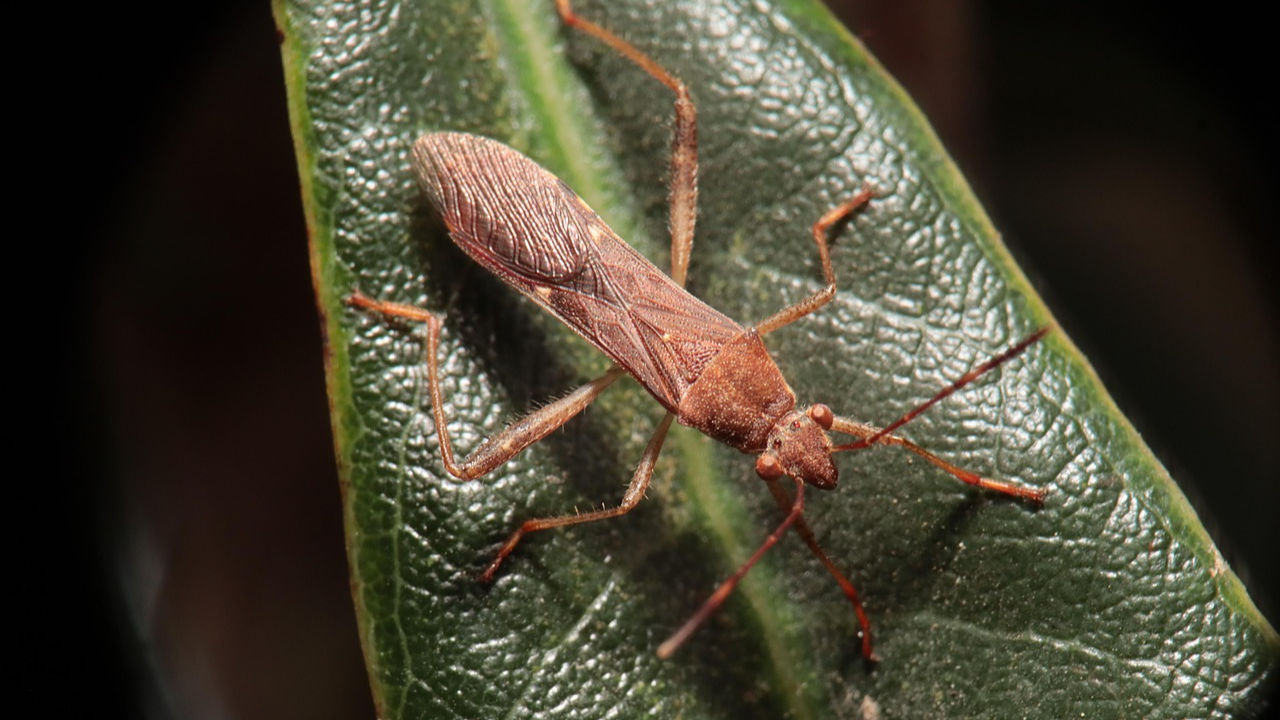
Eucalymnatus tessellatus
Tessellated scale, Palm scale
Eucalymnatus tessellatus, commonly known as the tessellated scale or palm scale, is a soft scale insect (family Coccidae) native to South America. First described by Signoret in 1873 from specimens collected on a palm in France, this species has been disseminated worldwide through human activity on cultivated hosts. It is recognized as a pest in greenhouses, commercial nurseries, and landscapes—particularly in subtropical regions such as south Florida. The species belongs to a genus containing 17 species, most of which are neotropical in origin.
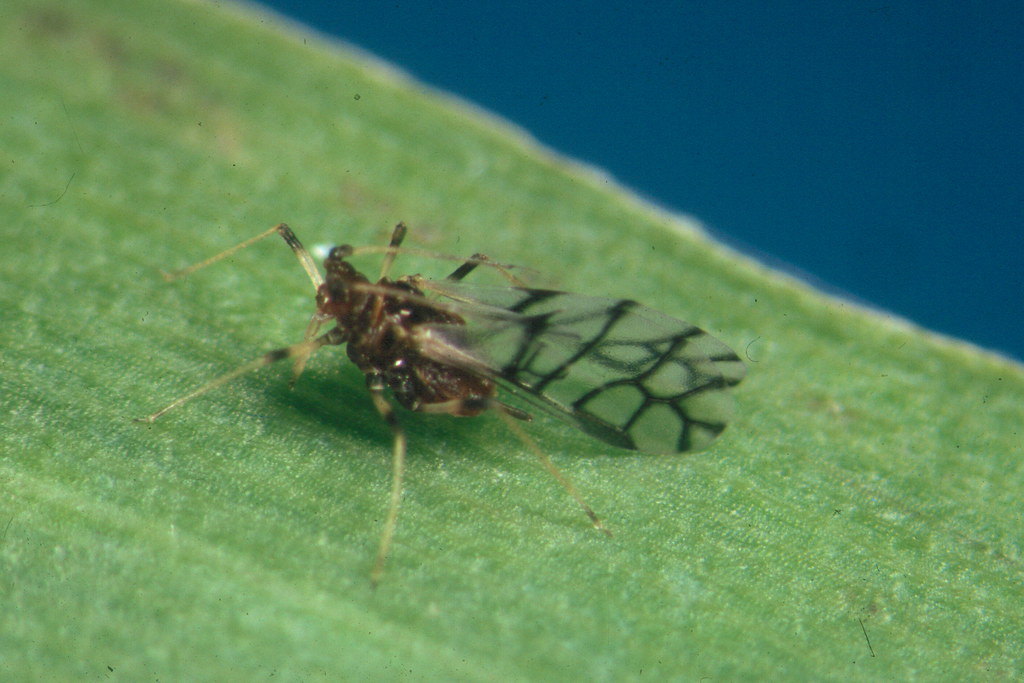
Eucarazzia elegans
Mediterranean Mint Aphid
Eucarazzia elegans, commonly known as the Mediterranean Mint Aphid, is an aphid species in the family Aphididae. It has been documented in the Azores, Madeira, Brazil (São Paulo), and the conterminous United States. The species belongs to the tribe Macrosiphini and was first described by Ferrari in 1872. As a member of the Aphididae, it possesses the characteristic piercing-sucking mouthparts and complex life cycles typical of aphids, though specific biological details for this species remain limited in available sources.
Euglyptoneura
Euglyptoneura is a genus of psyllids (jumping plant lice) in the family Psyllidae, established by Heslop-Harrison in 1961. Psyllids in this genus are small, sap-feeding hemipterans associated with host plants. The genus is part of the diverse Psylloidea superfamily, which contains numerous agricultural and ecological pests.
Euglyptoneura robusta
Euglyptoneura robusta is a species of jumping plant louse in the family Psyllidae, order Hemiptera. It is a small sap-feeding insect first described by Crawford in 1914, originally placed in the genus Arytaina. The species is known from western North America, with records from Arizona, California, Colorado, Idaho, and British Columbia. Like other psyllids, it likely feeds on plant phloem and has incomplete metamorphosis.
Eulachnus
Pine Needle Aphids
Eulachnus is a genus of aphids in the family Aphididae, comprising approximately 24 species distributed across Eurasia and the Americas. All species are obligately associated with pine trees (Pinus spp.), feeding on phloem sap from needles. Several species, including E. agilis, E. brevipilosus, and E. rileyi, have been introduced beyond their native European ranges and have become significant pests of commercial pine forestry. The genus exhibits parthenogenetic reproduction with multiple overlapping generations annually, and population dynamics are strongly influenced by seasonal climate patterns.
Eulachnus rileyi
pine needle aphid
Eulachnus rileyi is a pine needle aphid native to North America that has become established in pine plantations across Africa, South America, and Europe. It feeds on phloem sap of pine needles, showing preference for 3-4 year old foliage. Populations exhibit bimodal peaks in spring and autumn, with crashes during heavy rainfall periods. The species reproduces parthenogenetically, producing both winged dispersal forms and wingless forms. It is considered a significant pest in commercial pine plantations, where dense infestations can cause needle yellowing, reduced growth, and tree stress.
Eupterella
Eupterella is a genus of leafhoppers in the family Cicadellidae, subfamily Typhlocybinae, described by DeLong & Ruppel in 1950. It belongs to the tribe Typhlocybini and subtribe Typhlocybina. The genus is poorly documented with minimal available information on its species diversity and biology.
Eupteryx atropunctata
Eupteryx atropunctata is a species of leafhopper in the family Cicadellidae, subfamily Typhlocybinae. It is a small, plant-feeding insect that uses piercing-sucking mouthparts to extract nutrients from host plants. Like other members of the genus Eupteryx, it is associated with herbaceous and woody plants. The species was described by Goeze in 1778 and is currently accepted as valid, though it was previously listed as a synonym in some sources. It occurs in parts of Europe and Asia, with distribution records from Russia and Ukraine.
Euptychodera
Euptychodera is a monotypic genus of shield-backed bugs in the family Scutelleridae, established by Bergroth in 1908. The genus contains a single described species, E. corrugata. Members of Scutelleridae are characterized by an enlarged scutellum that covers most of the abdomen and wings, giving them a distinctive shield-like appearance.
Europiella angulata
Europiella angulata is a species of plant bug in the family Miridae, first described by Uhler in 1895. It belongs to the genus Europiella, a group of small mirid bugs distributed primarily in the Nearctic region. The species has been recorded across western North America from Canada through the western United States.
Eurychilopterella
Eurychilopterella is a genus of plant bugs in the family Miridae, established by Reuter in 1909. The genus comprises nine described species distributed primarily in North and Central America, with most species described from Mexico. Species in this genus are small, soft-bodied true bugs with piercing-sucking mouthparts typical of mirids. The genus was revised taxonomically in 1997, with several new species described from Mexican states.
Eurychilopterella pacifica
Eurychilopterella pacifica is a species of plant bug in the family Miridae, described in 1997. It occurs along the Pacific coast of North America from British Columbia to California. The species belongs to a genus of mirid bugs associated with coniferous vegetation.
Eurygaster alternata
shield-backed bug
Eurygaster alternata is a species of shield-backed bug in the family Scutelleridae, first described by Thomas Say in 1828. It belongs to a genus known for species with enlarged scutella that cover most of the abdomen and wings. The species is recorded from North America, though specific ecological details remain poorly documented in available sources.
Eurygaster shoshone
Eurygaster shoshone is a species of shield-backed bug in the family Scutelleridae. It is found in North America.
Euscelidius schenckii
Euscelidius schenckii is a leafhopper species in the family Cicadellidae, first described by Kirschbaum in 1868. It belongs to the genus Euscelidius, which includes several economically significant species that vector plant pathogens. The species has been recorded across parts of Europe and Asia, with limited observation data available.
Euschistus acuminatus
Euschistus acuminatus is a species of stink bug in the family Pentatomidae. The species is distributed in the Caribbean Sea and North America, including the conterminous United States. Like other members of the genus Euschistus, it is part of a group commonly referred to as brown stink bugs. Specific ecological and behavioral details for this species remain poorly documented in available literature.
Euschistus crassus
Euschistus crassus is a species of stink bug in the family Pentatomidae. It occurs in North America and the Caribbean region. As a member of the genus Euschistus, it belongs to a group commonly referred to as brown stink bugs, though specific ecological details for this species remain poorly documented in available literature.
Euschistus egglestoni
Euschistus egglestoni is a species of stink bug in the family Pentatomidae, genus Euschistus. The genus Euschistus comprises brown stink bugs, a group of related species that are agricultural pests of soybean and other crops. Members of this genus are characterized by their predominantly brown coloration and relatively small size compared to other stink bug pests. Like other Euschistus species, E. egglestoni likely shares the general biology of brown stink bugs, though specific details for this species are poorly documented.
Euschistus obscurus
Pale-lined Stink Bug
Euschistus obscurus, commonly known as the pale-lined stink bug, is a species in the family Pentatomidae. It occurs across the Caribbean, Central America, and North America. As a member of the genus Euschistus, it belongs to a group often referred to as brown stink bugs, though specific details about its biology and ecology remain limited in published literature.
Euschistus politus
Euschistus politus is a brown stink bug in the family Pentatomidae, found in North America. In southern Illinois, it has been observed to have one generation per year, with adults overwintering and emerging in spring. Both nymphs and adults feed on developing seeds of various plants, including soybeans. The species develops through five nymphal instars before reaching adulthood.
Euschistus quadrator
quadrate stink bug
Euschistus quadrator is a stink bug species in the family Pentatomidae, first described by Rolston in 1874. It belongs to the brown stink bug group (Euschistus spp.), which are recognized agricultural pests in soybean and other legume crops. The species occurs across Central America and North America, where it feeds on plant juices using piercing-sucking mouthparts. Like other Euschistus species, it has been observed to cause pod and seed damage in soybeans, though specific damage thresholds for this species have not been independently quantified.
Euschistus rugifer
Euschistus rugifer is a species of stink bug in the family Pentatomidae, genus Euschistus. Species in this genus are commonly referred to as brown stink bugs and are recognized agricultural pests. The genus Euschistus includes multiple species that feed on developing seeds and pods of leguminous crops. Specific information about E. rugifer's biology, distribution, and pest status is not well documented in available sources.
Euschistus servus
Brown Stink Bug
Euschistus servus, commonly known as the brown stink bug, is a native North American pentatomid species distributed across Central America and North America. It is a significant agricultural pest in the southern United States, feeding on a wide range of crops including soybeans, cotton, corn, peanuts, peaches, and pecans. The species is highly mobile, capable of dispersing up to 15.9 km in flight mill studies, and exhibits seasonal movement between crop hosts and non-crop habitats. Two subspecies are recognized: E. s. servus and E. s. euschistoides.
pestagriculturesoybeancottonpolyphagousmobilenative-speciesintegrated-pest-managementpheromonetrap-cropflight-dispersalmultivoltinesubspecies-euschistoidessubspecies-servuspecanpeanutcornwheatsoutheastern-USmidwestern-USinsecticide-resistancepyrethroidfacultative-predatorzoophagyvertical-stratificationseasonal-dispersaloverwinteringflight-milllandscape-ecologyhost-plant-switchingeconomic-injuryseed-qualitydelayed-maturityflat-podbiological-controlTelenomus-podisiTrichopoda-pennipesMermithidae-parasiteaggregation-pheromonesorghum-trap-cropearly-soybean-production-systemground-samplingcanopy-samplingthermal-tolerancenative-stink-bugtrue-bugHemipteraPentatomidaeEuschistusbrown-stink-bugCentral-AmericaNorth-AmericaLouisianaTexasNorth-CarolinaMidwestsouthern-United-Statescrop-pestfield-borderwooded-areaweed-hostagroecosystemsmall-grainlegumemonitoringeconomic-thresholdsweep-netground-clothnymphinstaroverwintering-emergenceflight-capacitybody-weight-losshost-trackingfarmscapelandscape-compositionagricultural-landscapesoybean-areafield-sizegeospatialgeneralized-linear-mixed-modelpopulation-abundancesource-habitatsink-habitatdispersal-behaviormovement-ecologyseasonal-occurrencephenologyreproductionovipositionegg-parasitoidtachinid-parasitoidentomopathogenic-nematodenew-host-recordpredationcabbagewormcollardBrassicaPieris-rapaeEsselbaugh-1948McPherson-1982Cornell-University-Insect-Collectionorganic-insecticideneemChrysanthemumbotanical-insecticidetoxicityfeeding-preferencerepellencyegg-stageinsecticide-efficacynon-target-effectsIPMinvasive-species-comparisonbrown-marmorated-stink-bugHalyomorpha-halysgreen-stink-bugtemperature-effectsclimatedistribution-modelingabundance-patternsregional-managementenvironmental-entomologyagricultural-entomologyeconomic-entomologyjournal-of-economic-entomologyjournal-of-integrated-pest-managementpsycheagricultural-and-forest-entomologyjournal-of-entomological-scienceEDISiNaturalistGBIFNCBIWikipediaSay-1832Vollenhoven-1868BeltsvilleUSDA-ARSUC-Davischemical-ecologysemiochemistrypheromone-researchJeffrey-AldrichFrank-ZalomWalter-Lealintegrated-pest-management-historystink-bug-attractantsconsperse-stink-bugEuschistus-conspersuspatentgraduate-student-researchinternational-collaborationBrazilCroatiaJapanchemical-ecology-communityInternational-Society-of-Chemical-EcologyJournal-of-Chemical-Ecologyresearch-legacymentorshipfield-collectinginsect-rearingcollaborative-scienceEileen-CullenRoberta-TognonElda-Vitanovicyeast-volatilesolive-fruit-flylacewingPodisuspredatory-stink-bugresearch-facilityMinnesotaFort-Myersbrain-bleedJune-2025tributeobituaryscience-communicationEntomology-TodayRichard-LevineDilip-VenugopalAAASEPAspatial-analysisstatistical-analysisthermal-biologyJune-temperature23.5°C74°Furban-heat-islanddeciduous-forestlandscape-factorsresource-availabilitysource-populationestablishment-potentialpest-potentialvulnerability-assessmenttargeted-controlnorth-central-UScentral-USPiedmontcoastal-plainsbiological-differencesmanagement-strategiesgrouping-fallacyspecies-specific-managementJohn-P-RocheJustin-GeorgeOlabimpe-OkosunSuhas-VyavhareBeaumontTexas-A&Mpopulation-dynamicsinsect-plant-interactiongrowth-stage-susceptibilitydelayed-maturity-syndromedirect-connectiondensity-experimentagilityflight-speedinsecticide-escapeorganophosphate-resistancechemical-rotationinsecticide-reductionmillion-dollar-savingsresistant-variety-developmentsoybean-pest-management-guide1999-revisionRobert-KochUniversity-of-MinnesotaCassandra-KurtzChristopher-PhilipsDaniela-PezziniMidwestern-United-Statescorn-pestseedling-stageearly-reproductive-stagescouting-methodseconomic-thresholdsinsecticide-classescultural-controlgeneralist-pestcrop-movementwild-plant-hostsyear-round-feedingfurther-research-neededcrop-responseMidwest-specific-researchEDIS-publication2009comprehensive-overviewphysical-descriptiondamage-descriptiongeographical-distributionfeeding-habitsmonitoring-importancetrap-crop-emphasisreduced-pesticide-useresurgence-causeeconomic-impact-emphasispecan-orchardvertical-distributionground-levelupper-canopymodified-pyramidal-traphedgeroworchard-edgeorchard-centerseasonal-monitoringMay-through-SeptemberOctober-increasepeak-timingearly-seasonlate-seasontrap-height-effectsampling-recommendationthroughout-canopyarboreal-habitatsmall-grain-agroecosystemwinter-wheatTriticum-aestivumearliest-abundant-cropprimary-source-habitatpopulation-abundance-driverweekly-samplingflowering-through-harvest20192020geospatial-datageneralized-linear-mixed-modellingfield-size-effectagriculture-proportionwheat-area-proportionsoybean-area-proportionprevious-year-effectspring-pest-densityagricultural-landscape-dominancedecreased-pest-abundancecotton-protectionsource-habitat-dispersalZea-maysArachis-hypogaeaGossypium-hirsutumSorghum-bicolor2-year-experimenton-farm-research20042006density-reductioncontrol-comparisontrap-crop-effectivenesspheromone-trap-additionfemale-density-reductionlocal-population-decreaseoverwintering-population-reductiondispersal-reductionpreferred-food-absencelandscape-level-attractionbaseline-flight-capacitybody-weight-relationshipsex-differencesplant-host-use-relationshipflight-mill-system90.1%-flight-range0-1-km-typical15.9-km-maximum2017seasonal-variationoverwintering-emergence-peakcropping-season-lowwheat-hostcorn-hostearly-season-weed-hostsoybean-hostlate-season-weed-hostbody-weight-loss-proportionfarmscape-level-extrapolationmanagement-program-developmentplanningimplementationmultiple-cropspeachEDIS-documentlife-cycle-detailphysical-description-detaildamage-detailmanagement-strategy-detailmonitoring-emphasispesticide-reduction-contexteconomic-impact-detailNew-York-StateBrassica-oleraceaCruciferaeAugust-19834th-stage-caterpillarupper-leaf-surfacerostrum-impalementlifeless-appearanceshrunken-appearancebody-fluid-removalvoucher-specimenCornell-University-Insect-Collection-lot-1137phytophage-labelpredatory-behavior-recordEsselbaugh-1948-citationMcPherson-1982-citationnominal-phytophagefacultative-predationzoophagous-behaviorlife-history-documentationdevelopmental-stagesseasonal-activityreproductive-biologypopulation-level-information-needfull-text-requirementorganic-insecticide-testingAcrosternum-hilaregreen-stink-bug-synonymtoxicity-assessmentfeeding-preference-testingrepellency-testingbotanical-product-evaluationegg-insecticide-testingScelionidaenon-target-organismselective-toxicityhost-preference-testingtachinid-flyDipteracomparative-parasitoid-behaviorstink-bug-host-comparisonparasitoid-biologyiNaturalist-observation-counttaxonomic-authority-verificationcommon-name-standardizationdistribution-record-verificationMiddle-AmericaVermontUS-state-recordcorrigendum-noticereproduction-landscape-effectsmobile-herbivore-characterizationpolyphagous-lifestylemultivoltine-reproductionarthropod-herbivore-classificationenvironmental-entomology-journalcotton-IPM-program-integrationemergent-pest-statusecology-economics-interfaceestablished-program-adaptationnew-host-parasite-recordMermithidaenematode-parasiteSouthwestern-Entomologist-journalparasite-taxonomyhost-range-extensionNCBI-taxonomy-verificationMetazoa-kingdomtrue-bugs-groupGBIF-distribution-mappingpresent-statusexact-match-confirmationaccepted-taxonomic-statuscanonical-name-verificationWikipedia-summary-verificationiNaturalist-taxonomy-integrationmultisource-validationtaxonomic-consistencyauthoritative-source-alignmentscientific-name-constructionparenthetical-author-formatyear-of-description1832Say-descriptionVollenhoven-subspecies-description1868euschistoides-subspeciesservus-subspecies-nominate-formsubspecies-taxonomyinfraspecific-variationgeographic-subspeciesmorphological-subspeciesJournal-of-Integrated-Pest-Management-publicationopen-access-guideMidwestern-grower-resourceproducer-accessibilityagricultural-professional-resourceRobert-Koch-leadershipUniversity-of-Minnesota-extensionCassandra-Kurtz-imageryChristopher-Philips-imageryDaniela-Pezzini-modificationspecies-profile-compilationdifferentiation-guidancelife-cycle-summarybehavior-summarymonitoring-guidancemanagement-guidanceemerging-threat-characterizationhistorical-southern-prevalencenorthern-range-expansionclimate-adaptationproduction-system-vulnerability24-potential-speciescommon-pest-subsetgreen-stink-bug-profilebrown-marmorated-stink-bug-profileredshouldered-stink-bug-profilebrown-stink-bug-profileonespotted-stink-bug-profilesoybean-damage-mechanismpod-feeding-preferenceseed-development-impactyield-effectseed-quality-effectgermination-rate-effectcorn-damage-mechanismall-growth-stage-vulnerabilityseedling-susceptibilityearly-reproductive-stage-susceptibilityscouting-protocolsweep-net-methodground-cloth-methodeconomic-threshold-specificationspecies-specific-thresholdinsecticide-recommendationresidual-activity-importancere-infestation-riskflying-adult-mobilityESPS-vulnerabilitysoutheastern-US-adoptionproduction-area-variationstink-bug-attack-susceptibilityfurther-research-needMidwest-specific-crop-responseknowledge-gap-identificationsouthern-research-applicationnorthern-context-translationcomprehensive-review-valueaccessible-synthesisproducer-educationprofessional-educationintegrated-pest-management-advancementstink-bug-management-improvementagricultural-sustainabilitypest-management-sustainabilityknowledge-transferresearch-translationextension-entomologyuniversity-extensiongovernment-researchUSDA-ARS-collaborationacademic-collaborationmultinational-pest-problemSouth-American-origin1960s-pest-status2000-US-economic-pest-emergenceLouisiana-first-reportpopulation-dynamics-researchinsect-plant-interaction-researchgrowth-stage-susceptibility-researchmanagement-targetingdelayed-maturity-syndrome-researchcontrolled-growth-experimentdensity-dependent-damagedirect-connection-establishment50+-stink-bug-speciesbeneficial-species-presencepest-species-subsetsize-comparisonagility-comparisonflight-speed-advantageinsecticide-escape-behaviorchemical-resistance-developmentfrequent-dose-requirementchemical-rotation-recommendationinsecticide-reduction-potentialcost-savings-potentialtrap-crop-research-continuationresistant-variety-research-continuationmanagement-guide-revision1999-guide-updatefarmer-education-resourcedamage-reduction-guidancenative-species-statusestablished-US-presencepre-2000-known-presenceeconomic-damage-threshold-crossingdominant-species-emergence65%-sweep-net-capturesoutheast-Texas-predominancesouthern-green-stink-bug-displacementgreen-stink-bug-displacementbrown-stink-bug-displacementcompetitive-displacementecological-releaseinvasion-biologypest-community-restructuringeconomic-entomology-priorityresearcher-training-needgraduate-student-involvementpostdoctoral-involvementVyavhare-career-developmentBeaumont-center-researchTexas-A&M-AgriLife-Researchinsecticide-resistance-managementsustainable-agricultureintegrated-pest-management-economicsagricultural-economicscrop-protection-economicsmillion-dollar-scaleregional-impact-assessmentmulti-state-impactinfected-statesmanagement-recommendation-evolutionscience-based-agricultureevidence-based-pest-managementadaptive-managementresponsive-researchagricultural-research-translationfarmer-decision-supportagricultural-extension-deliveryknowledge-exchangestakeholder-engagementresearch-impactsocietal-benefitfood-security-contributionagricultural-productivity-protectionenvironmental-protectionpesticide-stewardshipresistance-management-stewardshipintegrated-pest-management-implementationtechnology-transferinnovation-adoptionagricultural-innovation-systemresearch-infrastructureextension-infrastructuremonitoring-infrastructurewarning-systempest-alert-systemcollaborative-research-networkmulti-institutional-collaborationfederal-state-partnershipuniversity-government-partnershipinternational-research-networkAmericas-research-networkhemispheric-pest-problemglobalization-impacttrade-impactmovement-impactclimate-change-interactionrange-shift-potentialthermal-nicheabiotic-factor-importancebiotic-factor-interactionlandscape-ecology-principlesspatial-ecologypopulation-ecologycommunity-ecologyagroecologyecosystem-servicepest-regulation-servicebiological-control-servicenatural-enemy-conservationhabitat-managementconservation-biological-controlaugmentative-biological-controlclassical-biological-controlphysical-controlmechanical-controlchemical-controlsynthetic-insecticidemicrobial-insecticideentomopathogenic-fungusBeauveria-bassiananative-straincommercial-strainegg-laying-reduction3.5-times-reduction5.4-times-reductionPortilla-2022-studyMississippi-Delta-strainHexacladia-smithiiparasitoid-waspArgentina-studypredator-diversityinsect-predator-communityearly-planting-datetrap-croppingplant-species-selectionlure-and-killhost-plant-resistancesoybean-variety-screening2013-studyresistance-trait-identificationanatomical-traitair-space-sizelignin-contentseed-coat-toughnessnymph-mortality90%-mortalitysustainable-control-combinationinsecticide-integrationresistant-variety-integrationbiocontrol-agent-integrationGeorge-recommendationOkosun-co-authorshipRoche-communicationEntomology-Today-platformscience-communication-excellenceresearch-accessibilityopen-access-publicationJournal-of-Integrated-Pest-Management-platformknowledge-democratizationfarmer-empowermentpractitioner-educationcontinuing-educationprofessional-developmententomological-societyEntomological-Society-of-AmericaESA-membershipESA-fellowshipESA-presidencyhonorary-membershipscientific-community-servicejournal-editorshipassociate-editorISCE-presidencyannual-meeting-hostingWashington-DCchemical-ecology-community-buildingmentorship-legacygraduate-student-supervisioninternational-scholar-mentorshipBrazilian-researcherCroatian-researcherFulbright-programresearch-collaborationco-authorship-networkpublication-recordinnovation-recordpatent-portfoliostink-bug-attractant-patentconsperse-stink-bug-workEuschistus-conspersus-researchCullen-thesis-researchTognon-researchVitanovic-researchyeast-volatile-researcholive-fruit-fly-researchlacewing-researchpredatory-stink-bug-rearingPodisus-rearinghome-research-facilityMinnesota-relocationfamily-caremother-careresearch-continuationpersonal-research-infrastructurededication-exemplarcareer-transitionretirement-activityrecall-appointmentAgricultural-Experiment-Stationassociate-researcherUC-Davis-Department-of-Entomology-and-NematologyFrank-Zalom-labintegrated-pest-management-specializationZalom-tributeLeal-tributedistinguished-professordistinguished-professor-emeritusrecall-statuschemical-ecology-pioneersemiochemistry-pioneertrue-bug-behaviorlacewing-behaviornatural-enemy-behaviorinsect-dissection-skillteaching-generosityJapan-research-experiencelaboratory-visiting-scholarpheromone-isolation-workhumor-in-scienceinside-joke-culturepersonality-in-scienceoutgoing-scientistunpretentious-scientistcultural-immersionfieldwork-passionweekend-researchdaughter-collaborationdriving-lesson-anecdotefield-collecting-fashionadolescent-embarrassmentbug-collecting-at-sports-eventshome-insect-rearingegg-shippingcollaborator-supportglobal-research-networkJune-28-2025-deathJune-25-2025-brain-bleedFort-Myers-Floridacritical-careextensive-damageEllison-Aldrich-tributedaughter-veterinarianlarge-animal-practiceColumbus-North-Carolinamother-survivalsister-survivalfamily-networkscientific-legacyhuman-legacytribute-videoWalter-Leal-productionBug-Squad-platformKathy-Keatley-Garvey-photographyUC-Davis-communicationdepartment-websiteonline-memorialscientific-obituarycommunity-mourningprofessional-lossfield-lossmentor-lossfriend-losscolleague-lossinspiration-sourcescience-dedication-modelwork-life-integrationfamily-science-integrationpassion-exemplarentomology-lovecareer-satisfactionprofessional-fulfillmentlife-well-livedscientific-contributionknowledge-advancementstudent-developmentinternational-developmentcapacity-buildingglobal-entomologyAmerican-entomologyJapanese-entomologyBrazilian-entomologyCroatian-entomologycollaborative-science-modelopen-sciencegenerous-sciencementorship-modelsuccession-planningnext-generation-developmentscientific-community-healthdiscipline-healthchemical-ecology-healthintegrated-pest-management-healthagricultural-entomology-healthentomological-society-healthjournal-healthpublication-qualityresearch-qualityextension-qualityeducation-qualitysocietal-impact-qualitysustainability-qualityfuture-readinessadaptation-capacityresilience-capacityinnovation-capacityproblem-solving-capacityagricultural-challenge-responsefood-system-challengeclimate-challengepest-challengeresistance-challengeinvasive-species-challengenative-pest-challengeestablished-pest-challengeemergent-pest-challengeEuschistus-servus-challengebrown-stink-bug-challengemanagement-complexitybiological-complexityecological-complexityeconomic-complexitysocial-complexitypolicy-complexityregulatory-complexitytechnology-complexityinformation-complexitydecision-complexityrisk-managementuncertainty-managementknowledge-managementlearning-organizationadaptive-organizationresponsive-organizationinnovative-organizationsustainable-organizationresilient-organizationproductive-organizationprofitable-organizationequitable-organizationjust-organizationhealthy-organizationsafe-organizationsecure-organizationstable-organizationthriving-organizationprogressive-organizationimproving-organizationevolving-organizationtransforming-organizationleading-organizationexemplary-organizationmodel-organizationbenchmark-organizationstandard-setting-organizationinspirational-organizationaspirational-organizationvisionary-organizationstrategic-organizationtactical-organizationoperational-organizationeffective-organizationefficient-organizationquality-organizationexcellent-organizationoutstanding-organizationsuperior-organizationpremier-organizationdistinguished-organizationrenowned-organizationrespected-organizationtrusted-organizationvalued-organizationappreciated-organizationrecognized-organizationacknowledged-organizationcelebrated-organizationhonored-organizationawarded-organizationdecorated-organizationacclaimed-organizationeminent-organizationprominent-organizationnotable-organizationsignificant-organizationimportant-organizationinfluential-organizationpowerful-organizationimpactful-organizationmeaningful-organizationpurposeful-organizationintentional-organizationdeliberate-organizationthoughtful-organizationcareful-organizationcautious-organizationprudent-organizationwise-organizationsage-organizationlearned-organizationknowledgeable-organizationinformed-organizationeducated-organizationskilled-organizationcompetent-organizationcapable-organizationable-organizationtalented-organizationgifted-organizationaccomplished-organizationexperienced-organizationpracticed-organizationseasoned-organizationmature-organizationdeveloped-organizationadvanced-organizationsophisticated-organizationrefined-organizationpolished-organizationfinished-organizationcomplete-organizationwhole-organizationintegrated-organizationcohesive-organizationunified-organizationharmonious-organizationbalanced-organizationaligned-organizationcoordinated-organizationsynchronized-organizationorchestrated-organizationconducted-organizationdirected-organizationled-organizationguided-organizationsteered-organizationpiloted-organizationnavigated-organizationmanaged-organizationadministered-organizationgoverned-organizationregulated-organizationcontrolled-organizationsupervised-organizationmonitored-organizationobserved-organizationwatched-organizationtracked-organizationfollowed-organizationpursued-organizationchased-organizationhunted-organizationsought-organizationsearched-organizationfound-organizationdiscovered-organizationdetected-organizationidentified-organizationdiagnosed-organizationassessed-organizationevaluated-organizationappraised-organizationmeasured-organizationquantified-organizationcalculated-organizationcomputed-organizationdetermined-organizationestablished-organizationverified-organizationconfirmed-organizationvalidated-organizationauthenticated-organizationcertified-organizationaccredited-organizationapproved-organizationaccepted-organizationauthorized-organizationsanctioned-organizationendorsed-organizationsupported-organizationbacked-organizationfunded-organizationfinanced-organizationsponsored-organizationsubsidized-organizationunderwritten-organizationguaranteed-organizationinsured-organizationprotected-organizationdefended-organizationshielded-organizationguarded-organizationsecured-organizationsafeguarded-organizationpreserved-organizationconserved-organizationmaintained-organizationsustained-organizationupheld-organizationbolstered-organizationstrengthened-organizationreinforced-organizationfortified-organizationhardened-organizationtoughened-organizationarmored-organizationscreened-organizationfiltered-organizationpurified-organizationcleansed-organizationclarified-organizationdistilled-organizationextracted-organizationisolated-organizationseparated-organizationdivided-organizationpartitioned-organizationsegmented-organizationsectioned-organizationcompartmentalized-organizationcategorized-organizationclassified-organizationgrouped-organizationsorted-organizationarranged-organizationordered-organizationorganized-organizationstructured-organizationsystematized-organizationmethodized-organizationrationalized-organizationstandardized-organizationnormalized-organizationregularized-organizationstabilized-organizationsteady-organizationconstant-organizationconsistent-organizationuniform-organizationeven-organizationlevel-organizationflat-organizationsmooth-organizationcontinuous-organizationuninterrupted-organizationunbroken-organizationseamless-organizationfluid-organizationflowing-organizationmoving-organizationdynamic-organizationactive-organizationlive-organizationalive-organizationvital-organizationvigorous-organizationenergetic-organizationanimated-organizationspirited-organizationenthusiastic-organizationpassionate-organizationeager-organizationkeen-organizationzealous-organizationardent-organizationfervent-organizationintense-organizationstrong-organizationforceful-organizationmighty-organizationpotent-organizationrobust-organizationsturdy-organizationsolid-organizationsubstantial-organizationconsiderable-organizationmajor-organizationprincipal-organizationprimary-organizationmain-organizationchief-organizationforemost-organizationtop-organizationhighest-organizationgreatest-organizationbest-organizationfinest-organizationoptimal-organizationideal-organizationperfect-organizationsuperb-organizationexceptional-organizationextraordinary-organizationremarkable-organizationnoteworthy-organizationmemorable-organizationimpressive-organizationstriking-organizationdramatic-organizationspectacular-organizationmagnificent-organizationsplendid-organizationgrand-organizationmajestic-organizationimposing-organizationstately-organizationdignified-organizationnoble-organizationlofty-organizationelevated-organizationexalted-organizationsublime-organizationtranscendent-organizationtransformational-organizationrevolutionary-organizationradical-organizationfundamental-organizationbasic-organizationessential-organizationcore-organizationcentral-organizationkey-organizationcritical-organizationcrucial-organizationpivotal-organizationdecisive-organizationdetermining-organizationdefining-organizationcharacteristic-organizationdistinctive-organizationunique-organizationsingular-organizationspecial-organizationparticular-organizationspecific-organizationindividual-organizationpersonal-organizationprivate-organizationexclusive-organizationselect-organizationelite-organizationprivileged-organizationadvantaged-organizationfavored-organizationpreferred-organizationchosen-organizationelected-organizationselected-organizationappointed-organizationdesignated-organizationassigned-organizationallotted-organizationallocated-organizationdistributed-organizationdispersed-organizationspread-organizationextended-organizationexpanded-organizationenlarged-organizationgrown-organizationincreased-organizationaugmented-organizationenhanced-organizationimproved-organizationupgraded-organizationraised-organizationlifted-organizationboosted-organizationpromoted-organizationprogressed-organizationevolved-organizationadapted-organizationadjusted-organizationmodified-organizationaltered-organizationchanged-organizationtransformed-organizationconverted-organizationturned-organizationshifted-organizationmoved-organizationtransferred-organizationrelocated-organizationrepositioned-organizationreoriented-organizationredirected-organizationrefocused-organizationrecentered-organizationrebalanced-organizationrestored-organizationrenewed-organizationrevived-organizationresurrected-organizationreborn-organizationregenerated-organizationrejuvenated-organizationrefreshed-organizationreinvigorated-organizationreenergized-organizationreanimated-organizationreawakened-organizationrekindled-organizationreignited-organizationrestarted-organizationrelaunched-organizationreinitiated-organizationrecommenced-organizationreopened-organizationreestablished-organizationreinstated-organizationreplaced-organizationsubstituted-organizationexchanged-organizationswapped-organizationtraded-organizationbartered-organizationnegotiated-organizationbargained-organizationdealt-organizationhandled-organizationtreated-organizationprocessed-organizationoperated-organizationrun-organizationworked-organizationfunctioned-organizationperformed-organizationexecuted-organizationimplemented-organizationapplied-organizationutilized-organizationused-organizationemployed-organizationexploited-organizationharnessed-organizationleveraged-organizationcapitalized-organizationmonetized-organizationcommercialized-organizationmarketed-organizationsold-organizationdelivered-organizationsupplied-organizationprovided-organizationfurnished-organizationequipped-organizationoutfitted-organizationfitted-organizationprepared-organizationready-organizationset-organizationfixed-organizationtuned-organizationcalibrated-organizationharmonized-organizationconsolidated-organizationmerged-organizationcombined-organizationfused-organizationblended-organizationmixed-organizationamalgamated-organizationsynthesized-organizationcomposed-organizationconstituted-organizationformed-organizationmade-organizationcreated-organizationproduced-organizationgenerated-organizationoriginated-organizationinitiated-organizationstarted-organizationbegan-organizationcommenced-organizationlaunched-organizationintroduced-organizationpresented-organizationoffered-organizationproposed-organizationsuggested-organizationrecommended-organizationadvised-organizationcounseled-organizationconsulted-organizationconferred-organizationdiscussed-organizationdebated-organizationdeliberated-organizationconsidered-organizationcontemplated-organizationreflected-organizationpondered-organizationmeditated-organizationthought-organizationcogitated-organizationruminated-organizationspeculated-organizationhypothesized-organizationtheorized-organizationconjectured-organizationsurmised-organizationguessed-organizationestimated-organizationapproximated-organizationprojected-organizationforecasted-organizationpredicted-organizationanticipated-organizationexpected-organizationawaited-organizationhoped-organizationwished-organizationdesired-organizationwanted-organizationneeded-organizationrequired-organizationdemanded-organizationrequested-organizationasked-organizationlooked-organizationtrailed-organizationshadowed-organizationstalked-organizationsurveyed-organizationinspected-organizationexamined-organizationinvestigated-organizationexplored-organizationstudied-organizationresearched-organizationanalyzed-organizationjudged-organizationrated-organizationranked-organizationscored-organizationgraded-organizationEuschistus variolarius
one-spotted stink bug, onespotted stink bug
Euschistus variolarius, commonly known as the one-spotted stink bug, is a Nearctic species of shield bug in the family Pentatomidae. It is a phytophagous insect that feeds primarily on seeds and developing fruits of various plants, including legumes, grasses, and agricultural crops such as soybean and alfalfa. The species produces one generation per year in northern parts of its range, with adults overwintering in ground debris and emerging in spring to reproduce. While historically considered a minor pest, it has become increasingly recognized as an emerging pest in Midwestern soybean and corn production.
Eusolenophora divisa
Eusolenophora divisa is a species of minute pirate bug in the family Lasiochilidae. It was originally described by Champion in 1900 under the genus Lasiochilus, and is now recognized as a synonym of Lasiochilus divisus. Records indicate presence in the Caribbean, Middle America, and North America.
Eustictus claripennis
A species of plant bug in the family Miridae, described by Knight in 1925. It is known from North America, with records from Texas. The specific epithet "claripennis" refers to the clear or pale wings. As a member of Miridae, it belongs to one of the largest families of true bugs, commonly known as plant bugs or leaf bugs.
Eustictus pusillus
Eustictus pusillus is a species of plant bug in the family Miridae. It is a small hemipteran insect found in the southwestern United States. Like other mirids, it possesses piercing-sucking mouthparts adapted for feeding on plant fluids. The species was described by Uhler in 1887 from specimens collected in Arizona.
Eutettix discolor
Eutettix discolor is a species of leafhopper in the family Cicadellidae, described by Hepner in 1942. The species belongs to the subfamily Deltocephalinae and tribe Platymetopiini. Distribution records indicate occurrence in Kansas and New Mexico. As with many leafhopper species, detailed ecological and biological information remains limited in available sources.
Eutettix luridus
Eutettix luridus is a species of leafhopper in the family Cicadellidae, subfamily Deltocephalinae, and tribe Platymetopiini. First described by Van Duzee in 1890, this species has been recorded from multiple states in the eastern and central United States including Florida, Georgia, Iowa, Maryland, and Michigan. As a member of the leafhopper family, it likely feeds on plant sap using piercing-sucking mouthparts, though specific host plant associations remain undocumented in the available literature.
Eutettix marmoratus
Eutettix marmoratus is a species of leafhopper in the family Cicadellidae, first described by Van Duzee in 1892. It belongs to the tribe Platymetopiini within the subfamily Deltocephalinae. The species is recorded from multiple states across the eastern and central United States, with distribution records from Colorado to the Atlantic coast. As a member of the Auchenorrhyncha, it possesses piercing-sucking mouthparts typical of true bugs.
Eutettix nitens
Eutettix nitens is a leafhopper species in the family Cicadellidae, first described by Van Duzee in 1909. It belongs to the tribe Platymetopiini within the subfamily Deltocephalinae. The species has been documented in Florida based on distribution records. Like other leafhoppers, it is a member of the order Hemiptera, characterized by piercing-sucking mouthparts. Available information on this species is limited, with few observational records and minimal published biological data.
Eutettix pediculus
Eutettix pediculus is a species of leafhopper in the family Cicadellidae, described by Hepner in 1942. It belongs to the subfamily Deltocephalinae and tribe Platymetopiini. This species has been recorded from multiple states in the central and southeastern United States, including Florida, Illinois, Kansas, Louisiana, and Tennessee. As a member of the leafhopper family, it likely feeds on plant sap using piercing-sucking mouthparts, though specific host associations and detailed biology remain poorly documented in the available literature.
Eutettix variabilis
Eutettix variabilis is a species of leafhopper in the family Cicadellidae, described by Hepner in 1942. It belongs to the subfamily Deltocephalinae and tribe Platymetopiini. Distribution records indicate presence in Arkansas, Ontario, and South Dakota. As with other members of the genus Eutettix, it is a true bug in the order Hemiptera, characterized by piercing-sucking mouthparts adapted for feeding on plant fluids.
Evacanthinae
leafhoppers
Evacanthinae is a subfamily of leafhoppers (Cicadellidae) comprising five tribes: Balbillini, Evacanthini, Nirvanini, Pagaroniini, and Pentoffiini. Members are distributed worldwide except Antarctica, with different tribes showing distinct biogeographic patterns. The subfamily has undergone taxonomic revision, with Nirvanini previously recognized as a separate subfamily.
Exaeretini
Exaeretini is a tribe of plant bugs within the family Miridae, comprising more than 20 genera. Members of this tribe are small to medium-sized true bugs with the characteristic hemelytra of mirids. The tribe is part of the diverse Miridae family, one of the largest families of true bugs. Little is known about the biology of most Exaeretini species.
Exortus
Exortus is a genus of planthoppers in the family Issidae, established by Gnezdilov in 2004. It belongs to the tribe Thioniini within the subfamily Issinae. Members of this genus are part of the diverse Fulgoroidea superfamily, a group of sap-feeding insects characterized by their modified head structures and often cryptic body forms. The genus is relatively poorly documented in public sources, with limited observational records available.
Extrusanus ovatus
Extrusanus ovatus is a leafhopper species in the family Cicadellidae, first described as Euscelis ovatus by Sanders & DeLong in 1920. It belongs to the tribe Athysanini within the subfamily Deltocephalinae. The species has been documented in Kansas and California, with 85 observations recorded on iNaturalist. As a member of the true bugs (Hemiptera), it shares the characteristic piercing-sucking mouthparts typical of this order.
Fagocyba douglasi
Fagocyba douglasi is a species of leafhopper in the family Cicadellidae, subfamily Typhlocybinae. It belongs to a group of small, sap-feeding insects commonly known as typhlocybine leafhoppers. The species was described by Edwards in 1878. Distribution records indicate occurrence in parts of Europe (Italy, Crimea) and western North America (British Columbia), suggesting a transcontinental or possibly introduced range pattern.
Falconia maculipennis
Falconia maculipennis is a species of plant bug in the family Miridae, described by Maldonado in 1969. It is known from Puerto Rico. As a member of the Miridae, it belongs to a large family of true bugs commonly referred to as plant bugs or leaf bugs, many of which are associated with vegetation.
Fidicinoides pronoe
Fidicinoides pronoe is a cicada species in the family Cicadidae, originally described by Walker in 1850 as Cicada pronoe. It belongs to the tribe Fidicinini, a group of cicadas distributed primarily in the Neotropics. The species has been recorded from multiple states in Mexico. Like other cicadas, it has a subterranean nymphal stage and aerial adult stage, with males producing acoustic signals for mate attraction.
Fitchia spinosula
Fitchia spinosula is a species of assassin bug in the family Reduviidae, first described by Carl Stål in 1872. It belongs to the subfamily Harpactorinae, a diverse group of predatory true bugs. The species is known from North America, with records primarily from the western Nearctic region. Like other reduviids, it is presumed to be predatory, though specific ecological details remain poorly documented.
Fitchiella grandis
Fitchiella grandis is a species of planthopper in the family Caliscelidae, described by Lawson in 1933. The genus Fitchiella belongs to the tribe Peltonotellini within the subfamily Caliscelinae. Distribution records indicate occurrence in Arizona. The genus Fitchiella is closely related to Fitchiella robertsonii, a species studied extensively for its remarkable jumping ability and prairie grass host associations.
Fitchiella melichari
A small planthopper in the family Caliscelidae, described by Ball in 1910. Records indicate presence in Arizona. Very little biological information is documented for this species specifically.
Flataloides signata
Flataloides signata is a species of flatid planthopper in the family Flatidae, first described by Melichar in 1902. Like other flatid planthoppers, it possesses a distinctive broad, flattened body shape with wings held in a tent-like or roof-like manner over the abdomen. The species is recorded from Texas, though detailed ecological information remains limited in available sources.
Flatoides
Flatoides is a genus of planthoppers in the family Flatidae, subfamily Flatoidinae. Members of this genus are characterized by their flattened, often broad body shape typical of flatid planthoppers. The genus was established by Félix Édouard Guérin-Méneville in 1844. Species within Flatoides are distributed primarily in tropical and subtropical regions, particularly in the Old World tropics including parts of Africa, Asia, and associated islands. Like other flatids, they are sap-feeding insects that inhabit vegetation where they feed on plant phloem.
Flatoidinus punctatus
Flatoidinus punctatus is a planthopper species in the family Flatidae, characterized by its flattened, often leaf-like body form typical of flatid planthoppers. The species was described by Walker in 1851 and occurs in the southeastern United States and Cuba. Like other flatids, adults possess wings that fold tent-like over the body, and nymphs produce waxy filaments for protection. The specific epithet 'punctatus' refers to punctate (spotted or dotted) markings on the body.
Flatormenis
Northern Flatid Planthopper
Flatormenis is a genus of flatid planthoppers in the family Flatidae, established by Melichar in 1923. The genus contains approximately 15 described species distributed across North and Central America. These planthoppers are characterized by their broad, flattened bodies and wings held in a tent-like or roof-like position over the body. They are nocturnally active and frequently attracted to artificial light sources.
Flatormenis proxima
Northern Flatid Planthopper, Mealy Flatid Planthopper
Flatormenis proxima, commonly known as the northern flatid planthopper or mealy flatid planthopper, is a species of flatid planthopper in the family Flatidae. The species is attracted to blacklights and has been documented in autumn blacklight surveys in North America. As a member of the order Hemiptera, it possesses piercing-sucking mouthparts characteristic of true bugs.
Flatormenis saucia
Flatormenis saucia is a species of planthopper in the family Flatidae, first described by Van Duzee in 1912. The species belongs to the tribe Siphantini within the subfamily Flatinae. Planthoppers in this family are commonly known as flatid planthoppers and are recognized by their broad, flattened bodies and often waxy or powdery appearance. Flatormenis saucia is documented from the southwestern United States and adjacent regions.
Flavoclypeus nitens
Flavoclypeus nitens is a species of planthopper in the family Delphacidae, first described by Muir and Giffard in 1924. It belongs to the order Hemiptera, a large group of insects characterized by piercing-sucking mouthparts. The genus Flavoclypeus is part of the diverse planthopper family Delphacidae, which contains many species associated with grass and sedge hosts. Specific biological and ecological details for this species remain poorly documented in available literature.