Flatormenis
Melichar, 1923
Northern Flatid Planthopper
Species Guides
2- Flatormenis proxima(Northern Flatid Planthopper)
- Flatormenis saucia
Flatormenis is a of flatid planthoppers in the Flatidae, established by Melichar in 1923. The genus contains approximately 15 described distributed across North and Central America. These planthoppers are characterized by their broad, flattened bodies and wings held in a tent-like or roof-like position over the body. They are nocturnally active and frequently attracted to artificial light sources.
Pronunciation
How to pronounce Flatormenis: /flætɔːrˈmiːnɪs/
These audio files are automatically generated. While they are not always 100% accurate, they are a good starting point.
Identification
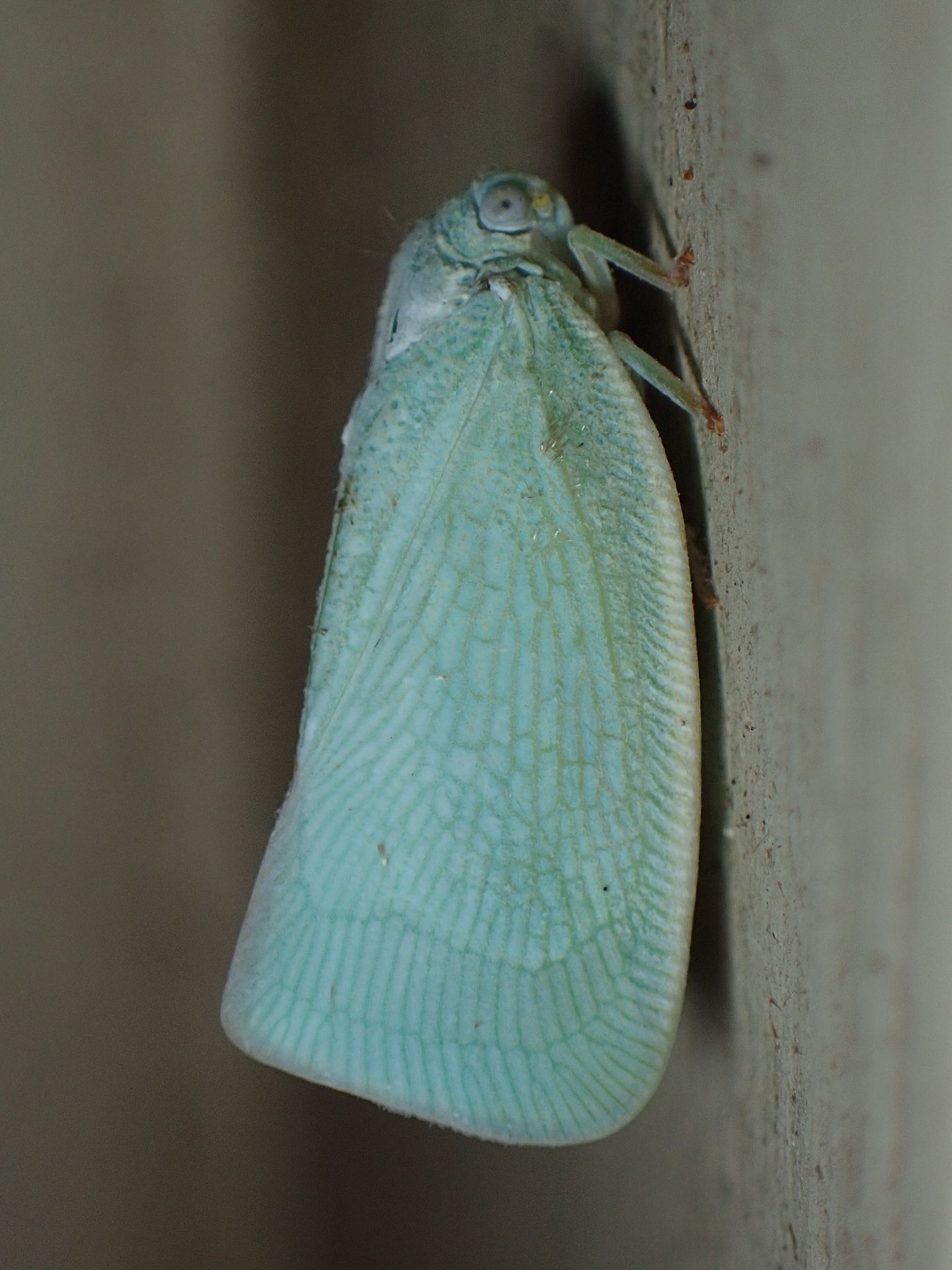
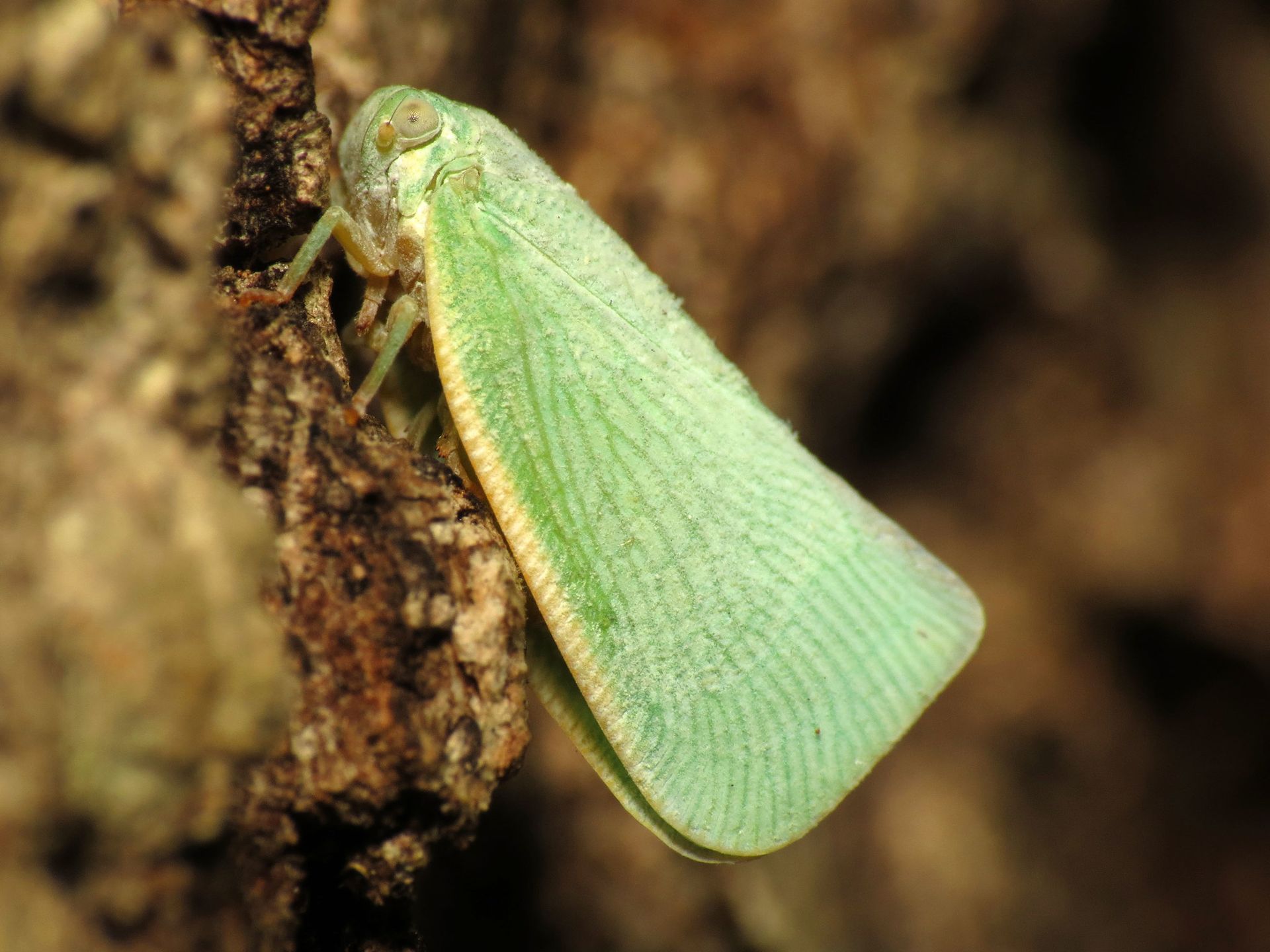
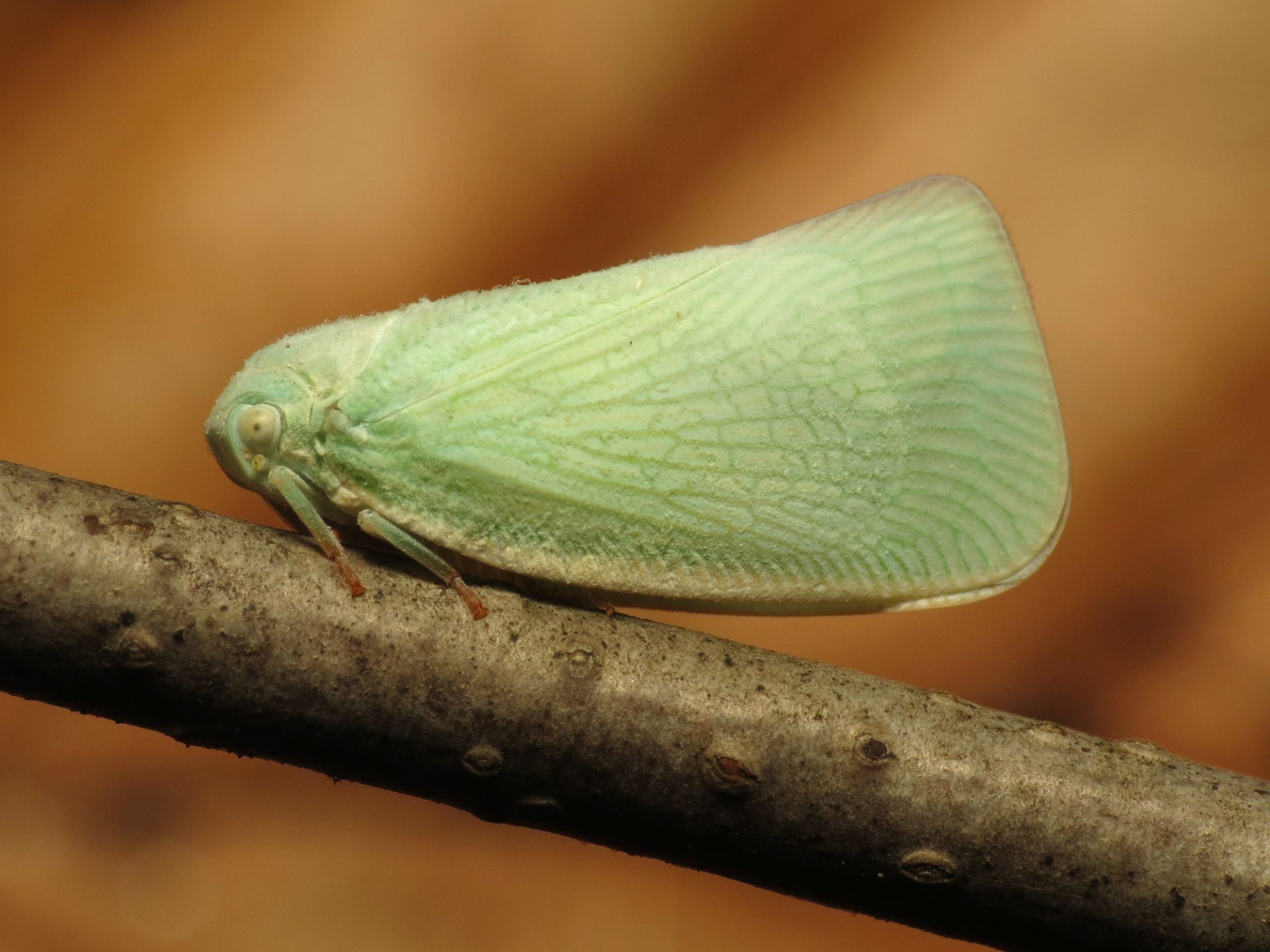
Distinguished from other flatid planthopper by combination of broad, flattened body form and wing posture. Flatormenis proxima, the most commonly referenced , can be identified by its pale green coloration and relatively large size among North American flatids. Separation from related genera such as Anormenis and Metcalfa requires examination of genitalic structures and wing venation details. The genus is distinguished from delphacid planthoppers ( Delphacidae) by the lack of a movable spur on the hind tibia.
Images
Appearance
possess broad, dorsoventrally flattened bodies with wings typically held roof-like over the , creating a distinctive triangular or tent-shaped silhouette. The body is generally green or pale in coloration, though specific color patterns vary among . The is often concealed beneath a pronotum that extends forward. Wings are membranous with visible venation characteristic of the Flatidae. Body size varies by species but generally falls within the small to medium range for planthoppers.
Habitat
Associated with deciduous and mixed forests, woodland edges, and suburban areas with woody vegetation. have been observed on various plants including trees and shrubs. Specific host plant associations vary by and remain incompletely documented for many .
Distribution
North America and Central America. Records include the United States (including Vermont) and presumably extend through Mexico into Central America based on -level distribution patterns.
Seasonality
active from late spring through autumn in temperate regions. One , Flatormenis proxima, has been documented at blacklight in late October in Kansas, indicating extended adult activity into late autumn. Adults of at least some species overwinter.
Behavior
Nocturnally active; are readily attracted to ultraviolet and white light sources. Adults of at least some overwinter, seeking shelter during cold months. capabilities include to artificial light sources and presumably between plants.
Ecological Role
Herbivorous members of forest and woodland ; specific ecological impacts undocumented. Serve as prey for including mantidflies and other predatory insects attracted to light sources.
Human Relevance
Occasionally encountered by entomologists and naturalists during insect surveys using blacklights. Not known as significant agricultural or horticultural pests. One , Flatormenis proxima, is referenced in popular entomology blogs documenting backyard biodiversity.
Similar Taxa
- Metcalfa pruinosaAnother flatid planthopper in North America with similar flattened body form; distinguished by white, waxy coating and different wing venation
- AnormenisRelated flatid with similar ; requires genitalic examination for reliable separation
- Liburniella ornataDelphacid planthopper found in similar and attracted to lights; distinguished by presence of movable spur on hind tibia and different body shape
More Details
Taxonomic history
established by Melichar in 1923; approximately 15 currently described. Classification within Flatidae places it in Flatinae, tribe Siphantini.
iNaturalist observations
has accumulated over 19,000 research-grade observations on iNaturalist, indicating frequent detection by citizen scientists, particularly of the common Flatormenis proxima.