
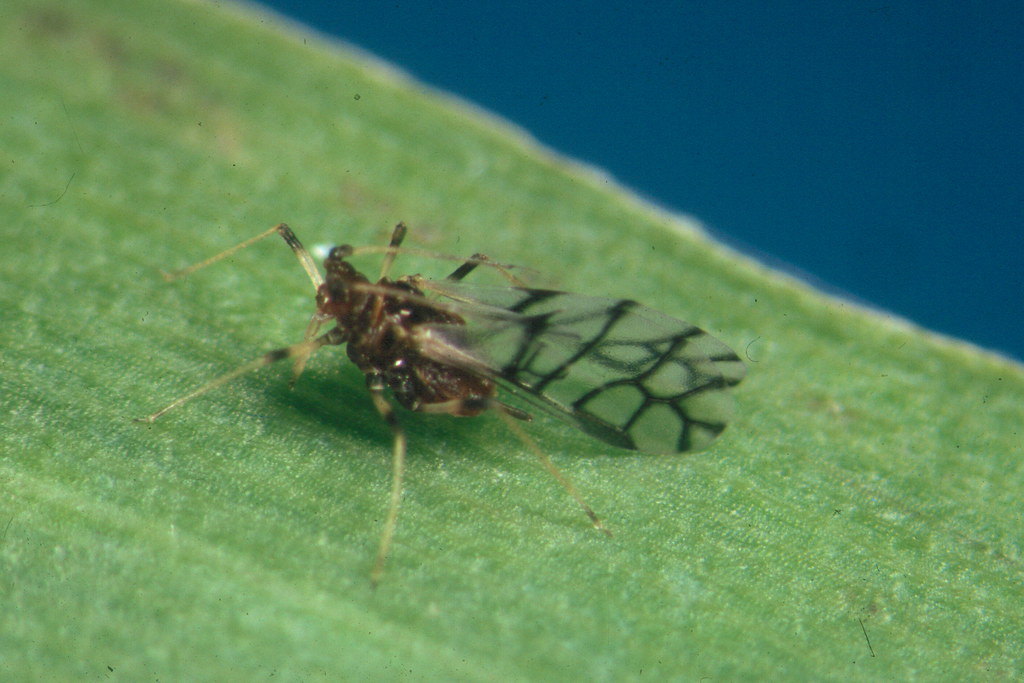
People usually talk about aphids like they are already explained. Tiny green bugs. Bad for the roses. Spray them, squish them, move on. That is not wrong. It is just a very small version of the story.
Errhomus paradoxus is a species of leafhopper in the family Cicadellidae, subfamily Errhomeninae, described by Oman in 1987. It belongs to the tribe Bathysmatophorini, a group of leafhoppers characterized by distinctive morphological features. The species is known from limited collection records in Washington state. As with many members of the genus Errhomus, detailed biological information remains scarce.
Errhomus similis sobrinus is a subspecies of leafhopper described by Oman in 1987. It belongs to the family Cicadellidae (leafhoppers), subfamily Errhomeninae, and tribe Bathysmatophorini. This subspecies is part of a group of Nearctic leafhoppers in the genus Errhomus, which are generally associated with coniferous and mixed forest habitats. The subspecies designation indicates geographic differentiation from the nominate form E. similis similis.
Erronus affinis is a species of leafhopper in the family Cicadellidae, first described by Oman in 1987. It belongs to the subfamily Errhomeninae and tribe Bathysmatophorini. The genus Erronus is part of a group of leafhoppers characterized by particular morphological features associated with this tribe. Very little specific information is available about the biology, ecology, or distribution of this particular species.
Erronus montanus is a species of leafhopper in the family Cicadellidae, first described by Baker in 1898. It belongs to the subfamily Errhomeninae, a group of leafhoppers found primarily in the Northern Hemisphere. The species is documented from several western U.S. states including Colorado, Idaho, Montana, Oregon, and Utah.
Erronus variabilis gracilis is a subspecies of leafhopper in the family Cicadellidae, first described by Hamilton and Zack in 1999. It belongs to the subfamily Errhomeninae and tribe Bathysmatophorini. The subspecies epithet "gracilis" (Latin for slender) suggests a more slender morphological form compared to the nominate subspecies. As a member of the Hemiptera, it possesses piercing-sucking mouthparts typical of true bugs.
Erythridula auteni is a species of leafhopper in the family Cicadellidae, first described by Johnson in 1935. It belongs to the tribe Erythroneurini within the subfamily Typhlocybinae, a group characterized by small size and often vivid coloration. The genus Erythridula comprises numerous microleafhopper species that are frequently encountered in North American habitats, though individual species can be challenging to distinguish without microscopic examination. Available records for this species are sparse, with only two observations documented on iNaturalist.
Erythridula brundusa is a species of leafhopper in the family Cicadellidae, first described by Robinson in 1924. Like other members of the genus Erythridula and tribe Erythroneurini, it belongs to a diverse group of small, often colorful leafhoppers commonly referred to as microleafhoppers. These insects feed on plant sap and are frequently encountered on vegetation, though specific details about this particular species remain poorly documented in the available literature.
Erythridula cotidiana is a species of leafhopper in the family Cicadellidae, subfamily Typhlocybinae. It is a member of the tribe Erythroneurini, a group of small, often colorful leafhoppers commonly known as "microleafhoppers." The species was described by Beamer in 1930. Like other members of its genus, it likely feeds on plant sap and is associated with woody vegetation. Very little specific biological information is available for this particular species.
Erythridula crevecoeuri is a species of leafhopper in the family Cicadellidae, subfamily Typhlocybinae. It belongs to a genus of small, often colorful leafhoppers commonly referred to as "microleafhoppers." The species has been documented in scattered locations across the eastern and central United States, with observations from Kansas, New York, North Carolina, and Ohio. Like other members of Typhlocybinae, it likely feeds on plant sap using piercing-sucking mouthparts.
Erythridula cruciformis is a species of leafhopper in the family Cicadellidae, subfamily Typhlocybinae. The genus Erythridula comprises small leafhoppers commonly referred to as "microleafhoppers," typically measuring under 5 millimeters in body length. These insects are part of the diverse leafhopper fauna found in eastern North America, where they feed on plant sap using their piercing-sucking mouthparts. The species name "cruciformis" likely refers to a cross-shaped marking or pattern on the body or wings.
Erythridula diffisa is a species of leafhopper in the family Cicadellidae, subfamily Typhlocybinae. It belongs to a genus of small, often colorful leafhoppers commonly referred to as 'microleafhoppers' due to their diminutive size. Like other members of the tribe Erythroneurini, this species feeds on plant sap using piercing-sucking mouthparts. The genus Erythridula is part of the diverse leafhopper fauna of North America, with species often identified by subtle morphological features requiring microscopic examination.
Erythridula divisa is a species of leafhopper in the family Cicadellidae, subfamily Typhlocybinae. It is a small, plant-feeding insect typical of the microleafhopper guild. The genus Erythridula belongs to the tribe Erythroneurini, a diverse group of diminutive leafhoppers often characterized by colorful markings on their wings and body. Like other members of its subfamily, this species feeds on plant sap using piercing-sucking mouthparts.
Erythridula electa is a species of leafhopper in the family Cicadellidae, subfamily Typhlocybinae. It was described by McAtee in 1920. The species belongs to a diverse genus of small leafhoppers commonly referred to as microleafhoppers. Like other members of its tribe Erythroneurini, it is likely a plant sap-feeder, though specific host plant associations and detailed biology remain poorly documented.
Erythridula frisoni is a species of leafhopper in the family Cicadellidae, subfamily Typhlocybinae. It is a member of the diverse Erythroneurini tribe, which contains many small, often colorful leafhoppers commonly referred to as 'microleafhoppers.' Like other members of its genus, this species likely feeds on plant sap using piercing-sucking mouthparts. The species was described by Ross and DeLong in 1953.
Erythridula hamata is a species of leafhopper in the family Cicadellidae, first described by Beamer in 1930. It belongs to the subfamily Typhlocybinae, a group commonly known as microleafhoppers due to their small size. Records indicate occurrence in northeastern North America including New Brunswick, New Hampshire, and New York. The genus Erythridula contains numerous small, often colorful leafhopper species that feed on plant sap.
Erythridula infinita is a species of leafhopper in the family Cicadellidae, subfamily Typhlocybinae. The genus Erythridula comprises small leafhoppers, often referred to as "microleafhoppers," that typically measure under 5 millimeters in body length. These insects feed on plant sap using piercing-sucking mouthparts. The species was described by Beamer in 1930. Like other members of its tribe Erythroneurini, E. infinita likely exhibits colorful patterning despite its diminutive size, though specific documentation of its appearance remains limited in available sources.
Erythridula insigna is a species of leafhopper in the family Cicadellidae, subfamily Typhlocybinae. It belongs to the tribe Erythroneurini, a group of small, often colorful leafhoppers commonly referred to as microleafhoppers. The species was described by Beamer and Griffith in 1935. Like other members of its genus, it is likely a plant-sap feeder, though specific host associations remain poorly documented.
Erythridula jocosa is a species of leafhopper in the family Cicadellidae, subfamily Typhlocybinae. Like other members of its genus, it is a small, plant-feeding insect that feeds on sap. The species was described by Beamer in 1935. Leafhoppers in this group are typically found on vegetation and are known for their colorful markings and active behavior.
Erythridula lawsoniana is a species of leafhopper in the family Cicadellidae, subfamily Typhlocybinae. The genus Erythridula comprises small leafhoppers often referred to as 'microleafhoppers' due to their diminutive size, typically under 5 millimeters. These insects feed on plant sap using piercing-sucking mouthparts. The species has been documented from scattered localities across eastern North America, with records from Indiana, Kansas, Maryland, New Hampshire, and Ontario.
Erythridula lemnisca is a species of leafhopper in the family Cicadellidae, subfamily Typhlocybinae. First described by McAtee in 1926, this tiny insect belongs to a diverse genus within the tribe Erythroneurini. Leafhoppers in this group are characterized by their small size, often colorful markings, and plant-sap feeding habits. The species is part of the North American leafhopper fauna, with records from the United States.
Erythridula noeva is a leafhopper species in the family Cicadellidae, subfamily Typhlocybinae, originally described as Typhlocyba obliqua var. noevus by Gillette in 1898. It belongs to the subgenus Erythridula within the larger genus Erythroneura. The species has been documented on birch hosts in New Brunswick, Canada, where it exhibits similar seasonal histories and habits to other Erythridula species but differs in host relationships and ecology. It is one of five Erythridula species studied from birch in that region.
Erythridula nondescripta is a species of leafhopper in the family Cicadellidae, subfamily Typhlocybinae, described by Johnson in 1935. As a member of the tribe Erythroneurini, it belongs to a diverse group of small leafhoppers commonly referred to as 'microleafhoppers' due to their diminutive size, typically under 5 millimeters. The genus Erythridula contains multiple species that are frequently encountered in late autumn in temperate North America, often found on wooden fences and vegetation in residential and natural settings. Like other typhlocybines, this species feeds on plant sap using piercing-sucking mouthparts.
Erythridula ohioensis is a species of leafhopper in the family Cicadellidae, described by Knull in 1945. The genus Erythridula belongs to the tribe Erythroneurini, a diverse group of small leafhoppers commonly referred to as microleafhoppers. Observations of this species are sparse, with records from Ohio and New Hampshire. Like other members of its tribe, it is likely a plant sap feeder, though specific host associations remain undocumented.
Erythridula penelutea is a species of leafhopper in the family Cicadellidae, subfamily Typhlocybinae, described by Beamer in 1930. As a member of the Erythroneurini tribe, it belongs to a diverse group of small, often colorful leafhoppers commonly known as sharpshooters or microleafhoppers. The genus Erythridula comprises numerous species, many of which are challenging to distinguish without microscopic examination. Like other typhlocybine leafhoppers, this species likely feeds on plant sap using piercing-sucking mouthparts.
Erythridula penenoeva is a species of leafhopper in the family Cicadellidae, subfamily Typhlocybinae. Like other members of this genus, it is a small, plant-feeding insect that inhabits diverse vegetation. The species was described by Beamer in 1930. Leafhoppers in this group are known for their colorful patterning and are commonly referred to as "microleafhoppers" due to their diminutive size.
A small leafhopper in the family Cicadellidae, Erythridula praecisa is a member of the diverse Erythroneurini tribe. The genus Erythridula contains numerous tiny, often colorful leafhopper species that are frequently encountered in temperate North America. This species is part of a group of microleafhoppers that are active late in the season and can be found on vegetation into autumn. Like other members of its tribe, it feeds on plant sap using piercing-sucking mouthparts.
Erythridula stolata is a species of leafhopper in the family Cicadellidae, subfamily Typhlocybinae. Like other members of the genus, it is a small, plant-feeding insect that feeds on sap. The species was described by McAtee in 1920. Records indicate it occurs in northeastern North America, with observations from Maryland north to New Brunswick and Ontario.
Erythridula tenebrosa is a species of leafhopper in the family Cicadellidae, subfamily Typhlocybinae, described by Knull in 1946. The specific epithet 'tenebrosa' (Latin for dark or gloomy) likely refers to its coloration. Like other members of the Erythroneurini tribe, it is a small, plant-feeding insect. The genus Erythridula comprises numerous North American species, many of which are challenging to distinguish without microscopic examination.
Erythridula verdana is a species of leafhopper in the family Cicadellidae, subfamily Typhlocybinae. Like other members of the genus Erythridula, it is a tiny insect, typically measuring under 5 millimeters in body length. Leafhoppers in this genus are known for their vivid coloration despite their small size, often displaying streaks and bands across their wings. The species was described by Ross and DeLong in 1953.
Erythridula victorialis is a species of leafhopper in the family Cicadellidae, described by Knull in 1946. It belongs to the tribe Erythroneurini within the subfamily Typhlocybinae, a group characterized by small size and often colorful patterning. The genus Erythridula comprises numerous microleafhopper species that are frequently encountered in eastern North American habitats. Like other members of its tribe, this species likely feeds on plant sap using piercing-sucking mouthparts. Available records indicate limited documentation, with few observations in scientific databases.
Erythridula wysongi is a species of leafhopper in the family Cicadellidae, subfamily Typhlocybinae. It was described by Ross and DeLong in 1953. The genus Erythridula belongs to the tribe Erythroneurini, a diverse group of small leafhoppers commonly referred to as "microleafhoppers" due to their diminutive size. Like other members of its tribe, this species likely feeds on plant sap using piercing-sucking mouthparts. The specific epithet "wysongi" presumably honors an individual, though the namesake is not documented in the provided sources.
Erythroneura acuticephala is a species of microleafhopper in the family Cicadellidae, first described by Robinson in 1924. It belongs to the genus Erythroneura, a diverse group of small leafhoppers commonly known as microleafhoppers, many of which are associated with woody plants. The species epithet 'acuticephala' refers to its pointed head shape. Like other members of its genus, it is likely a phloem-feeding insect that inhabits deciduous forest and woodland edge habitats.
Erythroneura anfracta is a species of microleafhopper in the family Cicadellidae, first described by Beamer in 1929. It belongs to the genus Erythroneura, a diverse group of small, often colorful leafhoppers commonly known as microleafhoppers. The species is part of the Typhlocybinae subfamily, which includes many economically important agricultural pests. Like other members of its genus, E. anfracta is likely associated with woody vegetation, though specific host plant relationships remain undocumented.
Erythroneura aza is a species of leafhopper in the family Cicadellidae, first described by Robinson in 1924. It belongs to the large genus Erythroneura, a group commonly known as microleafhoppers or sharpshooters, many of which are associated with woody plants. The species is part of the diverse North American leafhopper fauna, though specific ecological details remain poorly documented in published literature. Like other members of its genus, it likely feeds on plant sap using piercing-sucking mouthparts.
Erythroneura bakeri is a species of leafhopper in the family Cicadellidae, subfamily Typhlocybinae, described by Dmitriev and Dietrich in 2007. It belongs to a genus containing numerous species associated with woody plants, many of which are economically important pests of vineyards and orchards. The specific biology and host associations of E. bakeri remain poorly documented in the scientific literature.
Erythroneura bidens is a species of leafhopper in the family Cicadellidae, described by McAtee in 1924. It belongs to the genus Erythroneura, a diverse group of small leafhoppers commonly known as sharpshooters or microleafhoppers. The species has been documented from scattered locations in the eastern United States. Like other members of its genus, it is likely associated with woody vegetation, though specific host plant relationships remain poorly documented.
Erythroneura caetra is a species of microleafhopper in the family Cicadellidae, subfamily Typhlocybinae, described by McAtee in 1924. As a member of the genus Erythroneura, it belongs to a diverse group of small, often colorful leafhoppers commonly referred to as "microleafhoppers." The species is part of the Erythroneurini tribe, which includes numerous economically significant vineyard and agricultural pests. Specific biological and ecological details for E. caetra remain poorly documented in the scientific literature, with most information inferred from genus-level characteristics.
Erythroneura delicata is a microleafhopper species in the family Cicadellidae, subfamily Typhlocybinae, first described by McAtee in 1920. The species belongs to a diverse genus of small, often colorful leafhoppers commonly associated with woody plants. Like congeners, it is likely a phloem-feeding herbivore with host plant associations typical of the Erythroneurini tribe. The species has been documented from the eastern United States based on museum and observational records.
Erythroneura nudata is a species of leafhopper in the family Cicadellidae, subfamily Typhlocybinae, described by McAtee in 1920. Like other members of the genus Erythroneura, it belongs to a group commonly known as microleafhoppers or grape leafhoppers, many of which are associated with woody plants. The species is part of a diverse North American fauna of Typhlocybinae that feed on plant sap. Specific biological details for E. nudata remain poorly documented compared to economically important congeners such as E. comes and E. ziczac.
eight-spotted leafhopper
Erythroneura octonotata, commonly known as the eight-spotted leafhopper, is a species of leafhopper in the family Cicadellidae. It belongs to the subfamily Typhlocybinae and tribe Erythroneurini. The species was described by Walsh in 1862. Like other members of the genus Erythroneura, it is likely associated with woody plants and may be a minor pest in certain agricultural settings, though specific ecological details for this species are limited in available literature.
Erythroneura prima is a species of leafhopper in the family Cicadellidae, described by Beamer in 1938. It belongs to the large genus Erythroneura, which contains numerous species commonly known as grape leafhoppers due to their association with Vitaceae hosts. The species is documented from northeastern North America. Like other members of its genus, it likely feeds on plant sap using piercing-sucking mouthparts.
Erythroneura prosata is a species of microleafhopper in the family Cicadellidae, subfamily Typhlocybinae. It belongs to the diverse genus Erythroneura, which contains numerous species commonly known as grape leafhoppers and related microleafhoppers found in North America. Members of this genus are typically small, colorful insects with distinctive wing patterns. The species was described by Johnson in 1935. Like other Erythroneura species, it likely feeds on plant sap using piercing-sucking mouthparts.
rose leafhopper
Erythroneura rosa is a species of leafhopper in the family Cicadellidae, first described by Robinson in 1924. It belongs to the large genus Erythroneura, which contains numerous species commonly known as grape leafhoppers and their relatives. Like other members of this genus, E. rosa is likely associated with woody plants, though specific host associations remain poorly documented. The species has been recorded across central and eastern North America.
Erythroneura rubrella is a species of microleafhopper in the family Cicadellidae, first described by McAtee in 1920. It belongs to the genus Erythroneura, a diverse group of small leafhoppers commonly known as microleafhoppers due to their minute size. The species is part of the Typhlocybinae subfamily, which contains many economically important vineyard and agricultural pests. Like other members of its genus, E. rubrella is likely associated with woody plants and may feed on phloem sap. The species has been documented in the northeastern United States and adjacent Canada.
Erythroneura tacita is a species of leafhopper in the family Cicadellidae, subfamily Typhlocybinae, described by Beamer in 1938. The genus Erythroneura comprises small, often colorful leafhoppers commonly known as "microleafhoppers." Members of this genus are frequently associated with woody plants and are known for their distinctive wing patterns. E. tacita is one of many congeners in a taxonomically complex group where species identification relies heavily on male genitalia and wing venation characters. The species appears to be rarely recorded, with minimal observational data available in public databases.
Erythroneura vagabunda is a species of leafhopper in the family Cicadellidae, subfamily Typhlocybinae, described by Knull in 1945. It belongs to the genus Erythroneura, a diverse group of microleafhoppers commonly found in North America. The specific epithet "vagabunda" suggests a wandering or dispersive habit, though detailed biological studies of this particular species appear limited in the available literature. Like other members of Erythroneura, it is likely associated with woody vegetation and feeds on plant sap.
Vine Leafhopper
Erythroneura vitifex is a small leafhopper species in the family Cicadellidae, commonly known as the Vine Leafhopper. It belongs to the diverse genus Erythroneura, which includes numerous species associated with grapevines and other plants. Like other members of its genus, it feeds on plant sap using piercing-sucking mouthparts. The species was described by Fitch in 1856 and is documented from several central and eastern U.S. states.
Erythroneurini is a diverse tribe of leafhoppers in the subfamily Typhlocybinae, comprising over 180 genera. The tribe has been extensively studied in the New World and southwestern China, with major taxonomic revisions published for genera including Erythroneura, Erasmoneura, Zyginama, Eratoneura, and Erythridula. Species within this tribe exhibit complex synonymies and are associated with woody deciduous vegetation.
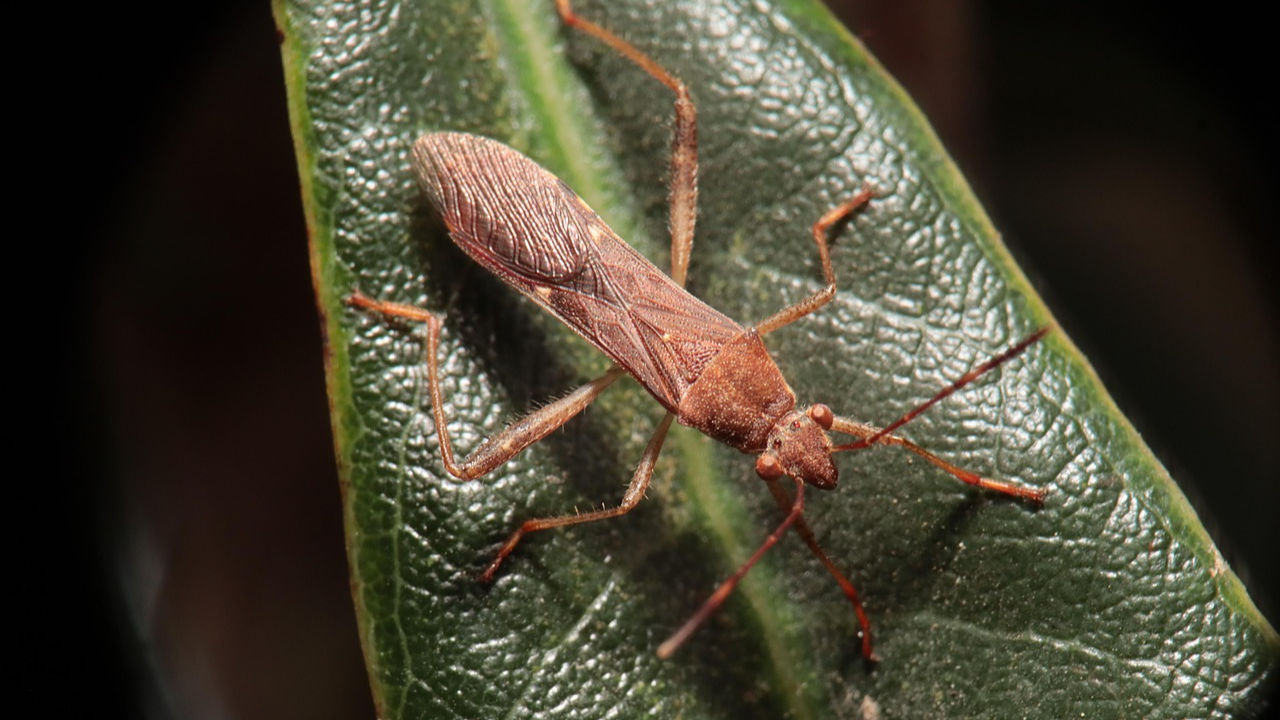
Eubule spartocerana is a leaf-footed bug in the family Coreidae, first described by Brailovsky in 1992. It belongs to the tribe Spartocerini within the subfamily Coreinae. The species is known from northern South America, with documented records from Suriname and Venezuela. Like other coreids, it possesses piercing-sucking mouthparts characteristic of true bugs.
tessellated scale
Eucalymnatus is a genus of soft scale insects in the family Coccidae. The best-known species, Eucalymnatus tessellatus, is native to South America and has spread to tropical and subtropical regions worldwide. Species in this genus are phytophagous and can become significant pests of ornamental plants, fruit trees, and palms in nurseries and landscapes.