
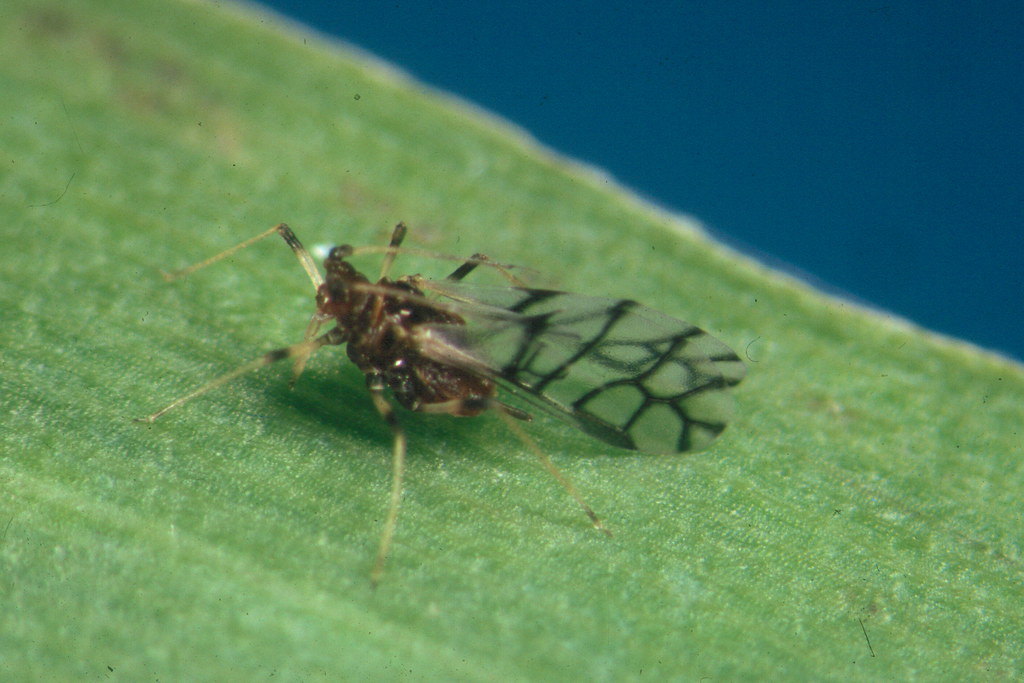
People usually talk about aphids like they are already explained. Tiny green bugs. Bad for the roses. Spray them, squish them, move on. That is not wrong. It is just a very small version of the story.
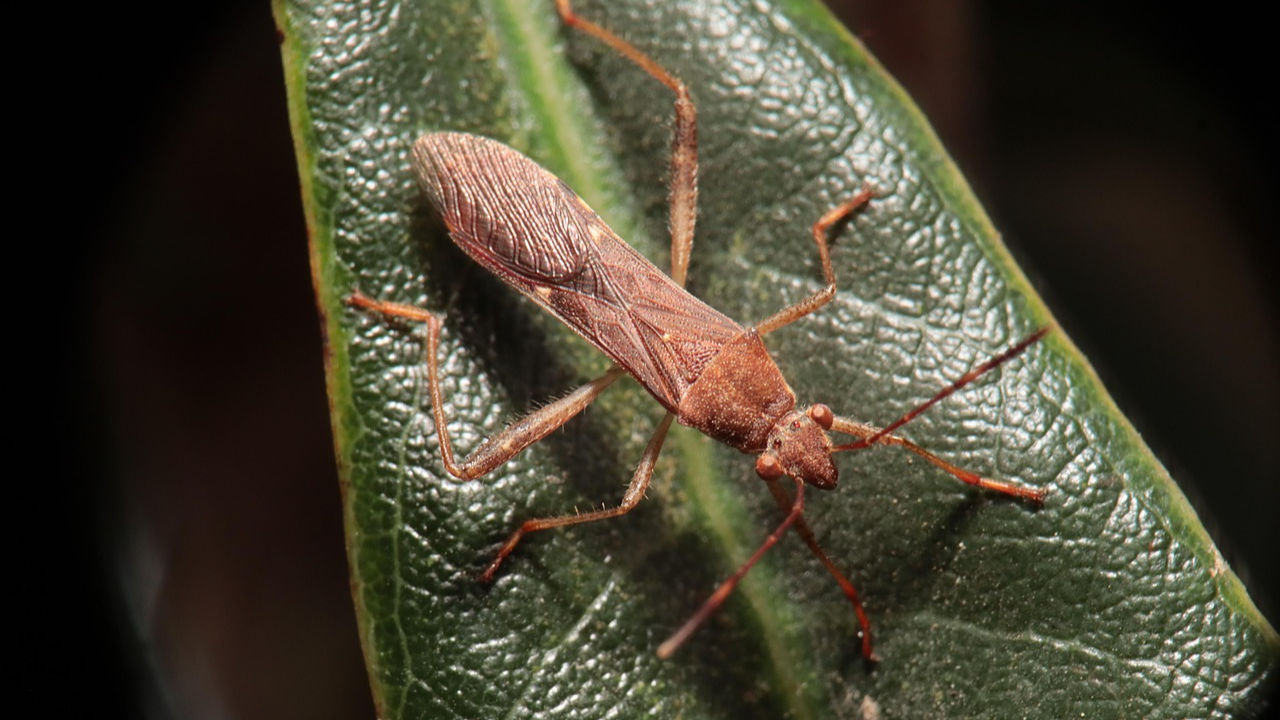
minute pirate bug
Elatophilus pullus is a species of minute pirate bug in the family Anthocoridae, first described by Kelton and Anderson in 1962. It belongs to the genus Elatophilus, which comprises predatory bugs associated with conifer habitats. The species is recorded from North America.
Ellescina is a genus of leafhoppers in the family Cicadellidae, subfamily Typhlocybinae. Species in this genus are small, delicate insects associated with vegetation. The genus is part of the diverse Erythroneurini tribe, one of the largest groups of typhlocybine leafhoppers.
Elymana pacifica is a species of leafhopper in the family Cicadellidae, described by Hamilton in 1985. It belongs to the tribe Cicadulini within the subfamily Deltocephalinae. The species is known from western North America, with records from British Columbia, Canada. Like other members of its family, it is a phloem-feeding insect associated with grasses and other plants.
Emesaya is a genus of thread-legged assassin bugs (Reduviidae: Emesinae) described by McAtee & Malloch in 1925. Members of this genus are characterized by their elongated, slender bodies and raptorial forelegs adapted for predation. The genus includes at least one well-studied species, Emesaya brevipennis, for which life history data has been documented through laboratory rearing.
thread-legged assassin bug
Empicoris errabundus is a thread-legged assassin bug in the family Reduviidae. It is found across the Caribbean, Central America, and North America. Members of this genus are small, slender predatory insects that have been observed at ultraviolet light sources, likely hunting smaller insects attracted to the light.
thread-legged bug
Empicoris orthoneuron is a thread-legged assassin bug in the family Reduviidae, characterized by its elongated, slender body form adapted for predation. The species has been recorded across a broad geographic range spanning Central America, North America, and South America. It is one of many small, nocturnal predatory insects attracted to ultraviolet light sources. The species is currently treated as a synonym of Empicoris errabundus in some taxonomic databases.
thread-legged assassin bug
Empicoris pilosus is a thread-legged assassin bug in the family Reduviidae, characterized by its extremely slender, elongated legs adapted for capturing prey on vegetation. The species has been recorded in both Europe and North America, though specific details about its biology remain sparse. It belongs to a group of reduviids known for their specialized predatory habits on small insects.
Empoa albicans is a species of leafhopper in the family Cicadellidae, first described by Walsh in 1862. It belongs to the subfamily Typhlocybinae, a group of small, often economically significant leafhoppers. The species has been recorded from several states in the eastern and midwestern United States including Illinois, Maine, Massachusetts, Michigan, and Mississippi. Like other members of the genus Empoa, it is likely associated with herbaceous vegetation, though specific host plant records and detailed biological information remain limited in the available literature.
Empoa apicata is a species of leafhopper in the family Cicadellidae, subfamily Typhlocybinae. The species was described by McAtee in 1926. Like other members of the genus Empoa, it is a small plant-feeding insect. The genus Empoa is part of the tribe Typhlocybini, which includes many economically important leafhopper species. Empoa apicata has been recorded from several central and eastern U.S. states including Illinois, Iowa, Kansas, Kentucky, and the District of Columbia.
Empoa n-species is a leafhopper species in the family Cicadellidae, tribe Empoascini. The genus Empoa belongs to the subfamily Typhlocybinae, a group of small, often brightly colored leafhoppers commonly known as typhlocybine leafhoppers. Members of this genus are plant-feeding insects that use piercing-sucking mouthparts to extract sap from host plants. The specific epithet "n-species" suggests this may be an undescribed or placeholder designation in taxonomic literature.
Empoa querci is a species of leafhopper in the family Cicadellidae, first described by Fitch in 1851. As a member of the subfamily Typhlocybinae, it is a plant-feeding insect with piercing-sucking mouthparts. The species name 'querci' suggests an association with oak (Quercus) species. Like other leafhoppers in the genus Empoa, it likely produces brochosomes—nanoparticles that provide water-repellent and anti-reflective properties to its cuticle.
Empoa vestita is a species of leafhopper in the family Cicadellidae, subfamily Typhlocybinae. It was described by McAtee in 1926. Like other members of the genus Empoa, it produces brochosomes—nanoparticles that create a superhydrophobic, anti-reflective coating on its body. The species has been recorded from several north-central U.S. states including Illinois, Kansas, Michigan, Minnesota, and New Hampshire.
potato leafhopper
Empoasca fabae, commonly known as the potato leafhopper, is a small, lime-green leafhopper native to North America and a significant agricultural pest. It migrates northward annually from Gulf States to the Midwest and eastern United States, causing damage to over 200 plant species. The species feeds on plant sap and injects a toxin that causes 'hopperburn'—characteristic drying, curling, and rotting of plant tissues. Climate warming has been linked to earlier arrival dates (approximately 10 days earlier than in the 1950s) and more severe infestations in warmer years. It completes one to two generations per year in northern regions like Québec, with population peaks occurring in June-July.
Empoasca hastosa is a species of leafhopper in the family Cicadellidae, subfamily Typhlocybinae, described by Ross and Moore in 1957. The species is part of the large and economically significant genus Empoasca, which includes several major agricultural pests. Distribution records indicate occurrence in Florida and Cuba (CU), with the DO code likely representing the Dominican Republic. Like other Empoasca species, E. hastosa likely shares the characteristic leafhopper morphology and plant-feeding habits of the genus, though specific biological details for this species remain poorly documented in the available literature.
Empoasca kittelbergeri is a species of leafhopper in the family Cicadellidae, described by Chandler in 2017. It belongs to the genus Empoasca, a large and economically significant group of leafhoppers that includes several major agricultural pests. The species is known from New Hampshire, USA. Like other Empoasca species, it likely shares the characteristic bright coloration and small size typical of the genus, though specific details about its biology and ecology remain limited due to its recent description.
Empoasca murrayi is a species of leafhopper in the family Cicadellidae, genus Empoasca. Like other members of this genus, it is a small, plant-feeding insect in the order Hemiptera. The genus Empoasca includes several economically significant agricultural pests, though specific information about E. murrayi's biology and pest status appears limited in published literature.
Leatherwood Treehopper
Enchenopa brevis is a treehopper species in the family Membracidae, first described by Walker in 1851. It belongs to the tribe Membracini, a group characterized by their enlarged and often elaborately shaped pronotum. The species is known by the common name "Leatherwood Treehopper." Like other members of the genus Enchenopa, it is likely associated with woody host plants, though specific ecological details remain poorly documented in published literature.
Enchenopa on-betula is a treehopper species in the family Membracidae, subfamily Membracinae. The genus Enchenopa belongs to the tribe Membracini, a group of treehoppers characterized by their enlarged, often elaborately shaped pronotum that extends backward over the abdomen. Species in this genus are associated with various host plants, with some showing specificity to particular plant taxa. The specific epithet 'on-betula' suggests an association with birch (Betula) host plants, though this requires confirmation. Treehoppers in this group feed on plant sap using piercing-sucking mouthparts and are known for their often striking pronotal modifications.
Enchenopa on-viburnum-prunifolium is a treehopper species in the family Membracidae. The specific epithet indicates an association with Viburnum prunifolium (blackhaw viburnum), suggesting host plant specificity. Treehoppers in the genus Enchenopa are characterized by their distinctive pronotal crests and are predominantly Neotropical in distribution, though some species occur in North America.
Enchenopa sericea is a treehopper species in the family Membracidae, first described by Walker in 1851. Like other members of its genus, it possesses the characteristic enlarged pronotum that distinguishes treehoppers from related Hemiptera. The species epithet 'sericea' (silky) likely refers to surface texture or sheen. Distribution records indicate presence in Central and South America including Panama (Chiriquí, Colón), Colombia (Córdoba), Mexico (Guerrero), and Brazil (Minas Gerais). As with most Neotropical Enchenopa species, detailed biological information remains limited due to incomplete taxonomic study of tropical Membracidae.
Ephedrodoma multilineata is a species of plant bug in the family Miridae, described by Polhemus & Polhemus in 1984. It belongs to the diverse true bug fauna of western North America. The species epithet "multilineata" suggests multiple longitudinal lines or stripes on the body, a common naming convention in mirids with distinctive dorsal patterning. Very few observations exist in public databases, indicating it may be uncommon, cryptic, or undercollected.
Erasmoneura atra is a species of leafhopper in the family Cicadellidae, first described by Johnson in 1935. It belongs to the subfamily Typhlocybinae and tribe Erythroneurini, a group of small, often colorful leafhoppers commonly known as sharpshooters. The species is known from the northeastern United States, with records from Maryland and New Hampshire.
Erasmoneura margaritae is a species of leafhopper in the family Cicadellidae, described by Dmitriev and Dietrich in 2007. It belongs to the large and diverse subfamily Typhlocybinae, which contains many economically important agricultural pests. The genus Erasmoneura is part of the tribe Erythroneurini, a group of small, often colorful leafhoppers found primarily in the Nearctic region. As with other members of its family, this species possesses piercing-sucking mouthparts adapted for feeding on plant vascular tissues.
Eratoneura acantha is a species of leafhopper in the family Cicadellidae, first described by Ross and DeLong in 1950. Like other members of its genus, it possesses brochosomes—nanoparticles that coat the exoskeleton and wings, providing superhydrophobic and anti-reflective properties. The species is recorded from Maryland and New Hampshire in the northeastern United States.
Eratoneura accola is a species of leafhopper in the family Cicadellidae, subfamily Typhlocybinae, described by McAtee in 1920. Originally described as a variety of Erythroneura maculata, it was later elevated to species status and transferred to the genus Eratoneura. The species is documented from limited collection records in the northeastern United States. As with other members of the Typhlocybinae, it likely feeds on plant phloem sap using piercing-sucking mouthparts.
Eratoneura affinis is a species of leafhopper in the family Cicadellidae, first described by Fitch in 1851. It belongs to the subfamily Typhlocybinae, a diverse group of small leafhoppers often associated with woody plants. The species has been recorded across parts of North America including the northern United States and southern Canada.
Eratoneura beeri is a species of leafhopper in the family Cicadellidae, subfamily Typhlocybinae. Like other members of the genus Eratoneura, it produces brochosomes—complex protein-lipid nanoparticles that coat the body and wings, conferring superhydrophobic and anti-reflective properties. The species was described by Hepner in 1972. Specific ecological details for E. beeri remain poorly documented in the available literature.
Eratoneura bella is a species of leafhopper in the family Cicadellidae, first described by McAtee in 1920. As a member of the Typhlocybinae subfamily, it belongs to a group of small, plant-feeding insects known for their specialized mouthparts and, in many species, production of brochosomes—nanoparticles that create water-repellent and anti-reflective coatings. The genus Eratoneura is part of the diverse Erythroneurini tribe, which contains numerous Nearctic leafhopper species.
Eratoneura bifida is a species of leafhopper in the family Cicadellidae, subfamily Typhlocybinae, described by Beamer in 1931. Like other members of the genus Eratoneura, it produces brochosomes—nanoparticle secretions that create a superhydrophobic, anti-reflective coating on its body and wings. The species has been documented in the United States, with iNaturalist observations primarily from the eastern and central regions.
Eratoneura comoides is a leafhopper species in the family Cicadellidae, subfamily Typhlocybinae. Like other leafhoppers in its genus, it possesses brochosomes—complex protein-lipid nanoparticles that create a superhydrophobic, anti-reflective coating on the cuticle. The species was described by Ross and DeLong in 1953. It belongs to a diverse genus of small, often colorful leafhoppers associated with vegetation.
Eratoneura emquu is a species of leafhopper in the family Cicadellidae, subfamily Typhlocybinae, described by Ross and DeLong in 1953. Like other members of its genus, it is a small plant-feeding insect that produces brochosomes—unique nanoparticles that coat its body surface. The species has been documented in several eastern U.S. states including Florida, Maine, Mississippi, and New Hampshire. Very few direct observations of this species have been recorded.
A small leafhopper species in the subfamily Typhlocybinae. As a member of genus Eratoneura, it likely produces brochosomes—protein-lipid nanoparticles that coat the body and wings, conferring superhydrophobic and anti-reflective properties. The species was described by Beamer in 1932.
Red Apple Leafhopper
Eratoneura hartii is a leafhopper species in the family Cicadellidae, subfamily Typhlocybinae, commonly known as the Red Apple Leafhopper. Like other members of its genus, it produces brochosomes—complex protein-lipid nanoparticles that coat the body and wings, conferring superhydrophobic and anti-reflective properties. The species has been recorded in the eastern and midwestern United States. As a typhlocybine leafhopper, it is presumed to feed on plant vascular tissues, though specific host associations for this species are not well documented.
Eratoneura hymettana is a leafhopper species in the family Cicadellidae, first described by Knull in 1949. As a member of the subfamily Typhlocybinae, it shares the characteristic brochosomes—nanoparticle coatings that provide water-repellent and anti-reflective properties—found throughout the family. The species belongs to a genus of small, often colorful leafhoppers that feed on plant vascular tissues.
Eratoneura lundi is a species of leafhopper in the family Cicadellidae, subfamily Typhlocybinae, described by Hepner in 1967. It belongs to a genus known for producing brochosomes—unique nanoparticle coatings that make leafhopper exoskeletons superhydrophobic and anti-reflective. The species has been recorded in the eastern United States, specifically in New Hampshire and Tennessee.
Sandy Stream Leafhopper
Eratoneura macra is a species of leafhopper in the family Cicadellidae, first described by Beamer in 1932. It belongs to the tribe Erythroneurini within the subfamily Typhlocybinae. Like other leafhoppers in the genus Eratoneura, this species produces brochosomes—nanoparticles that create a superhydrophobic, anti-reflective coating on the exoskeleton. The species has been documented in the northeastern United States and southeastern Canada.
Eratoneura micheneri is a species of leafhopper in the family Cicadellidae, subfamily Typhlocybinae. Like other members of the genus Eratoneura, it produces brochosomes—hollow, soccer ball-shaped nanoparticles that coat its body and wings, creating a superhydrophobic and anti-reflective surface. The species has been documented in 55 iNaturalist observations. Brochosomes are formed in the Malpighian tubules and distributed using comb-like spines on the hind legs.
Eratoneura mirifica is a species of leafhopper in the family Cicadellidae, subfamily Typhlocybinae. It is one of many species within the genus Eratoneura, a group of small plant-feeding insects commonly known as leafhoppers. The species was described by Beamer in 1932. Like other members of its genus, it produces brochosomes—nanoparticles that provide water-repellent and anti-reflective properties to its exoskeleton.
A species of leafhopper in the family Cicadellidae, subfamily Typhlocybinae. Like other members of its genus, it produces brochosomes—hollow, soccer ball-shaped nanoparticles that create a superhydrophobic, anti-reflective coating on its body and wings. The species was described by Beamer in 1931.
Ereminellus arizonensis is a species of true bug in the family Rhyparochromidae, first described by Barber in 1932. It belongs to the tribe Myodochini within the subfamily Rhyparochrominae. The species is known from the southwestern United States and Middle America. As a member of the seed bug family Rhyparochromidae, it likely feeds on seeds, though specific dietary habits remain undocumented.
dirt-colored seed bugs
Eremocoris is a genus of dirt-colored seed bugs in the family Rhyparochromidae. The genus contains approximately 43-45 described species with a cosmopolitan distribution spanning Palearctic, Oriental, Afrotropical, and Nearctic realms. Species in this genus are primarily ground-dwelling and associated with forested habitats.
Eremocoris depressus is a species of dirt-colored seed bug in the family Rhyparochromidae, first described by Barber in 1928. It belongs to the tribe Drymini within the subfamily Rhyparochrominae. The species is distributed in North America, with records from the United States. Like other members of Rhyparochromidae, it is likely associated with seed feeding, though specific ecological details remain poorly documented.
Eremocoris opacus is a species of seed bug in the family Rhyparochromidae, described by Van Duzee in 1921. It belongs to the tribe Drymini within the subfamily Rhyparochrominae. The species has been documented in the United States, though detailed biological information remains limited.
Eremocoris semicinctus is a dirt-colored seed bug in the family Rhyparochromidae, described by Van Duzee in 1921. It belongs to a family of true bugs commonly associated with seeds and ground-dwelling habitats. The species is documented from the United States and occurs broadly in North America.
Woolly Elm Aphid
Eriosoma americanum, commonly known as the woolly elm aphid, is a North American aphid species that alternates between two host plants: American elm (Ulmus americana) and Saskatoon (Amelanchier alnifolia). The species produces distinctive woolly or cottony wax secretions that give it its common name. Heavy infestations on American elm cause leaf curling and produce visible dark patches and cottony masses. Like other aphids, it excretes honeydew while feeding on plant sap.
Errhomeninae is a subfamily of leafhoppers (family Cicadellidae) comprising three tribes: Errhomenini, Bathysmatophorini, and Malmaemichungiini. The subfamily contains approximately 20 genera, including both extant and extinct taxa. Species in this group exhibit notable morphological variability, particularly in genital structures and coloration, with some taxa showing significant regional variation across their range.
Errhomus brevis is a species of leafhopper in the family Cicadellidae, described by Oman in 1987. It belongs to the subfamily Errhomeninae and tribe Bathysmatophorini. The species is recorded from Washington state in the northwestern United States. Like other leafhoppers, it is a member of the order Hemiptera, characterized by piercing-sucking mouthparts adapted for feeding on plant fluids.
Errhomus brevis brevis is a subspecies of leafhopper in the family Cicadellidae, first described by Oman in 1987. It belongs to the subfamily Errhomeninae and tribe Bathysmatophorini. Distribution records indicate occurrence in Washington state.
Errhomus lineatus idahoensis is a subspecies of leafhopper described by Oman in 1987. It belongs to the family Cicadellidae, subfamily Errhomeninae, a group of small, often inconspicuous planthoppers and leafhoppers. The subspecies is distributed in the Pacific Northwest region of North America, with records from Idaho, Oregon, Washington, California, and British Columbia. Like other members of its family, it is presumed to feed on plant sap using piercing-sucking mouthparts, though specific biological details remain poorly documented.