
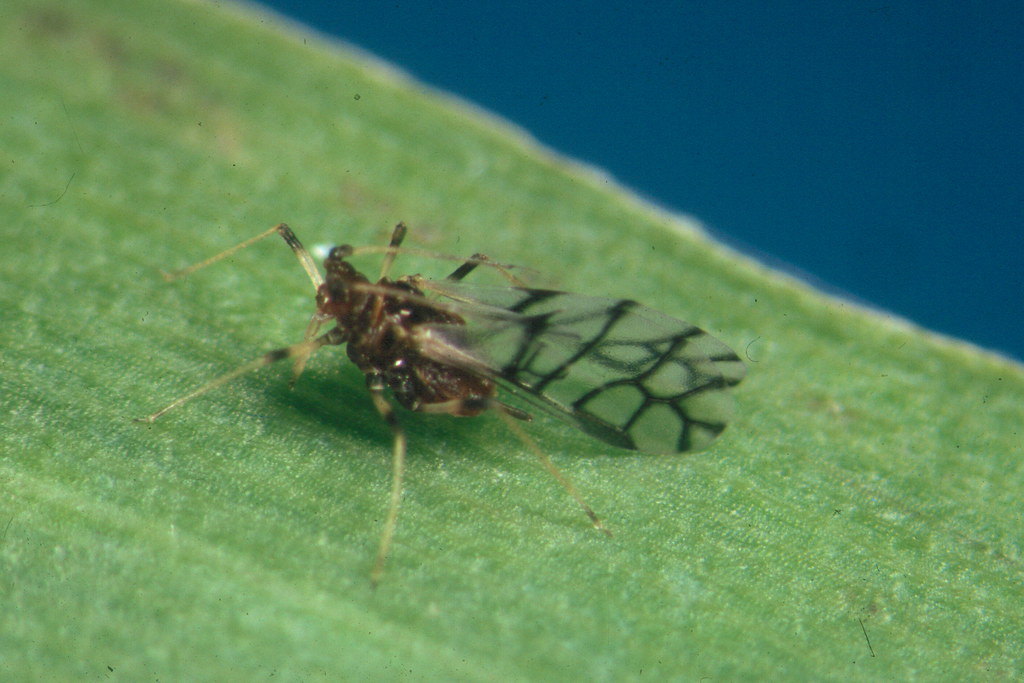
People usually talk about aphids like they are already explained. Tiny green bugs. Bad for the roses. Spray them, squish them, move on. That is not wrong. It is just a very small version of the story.
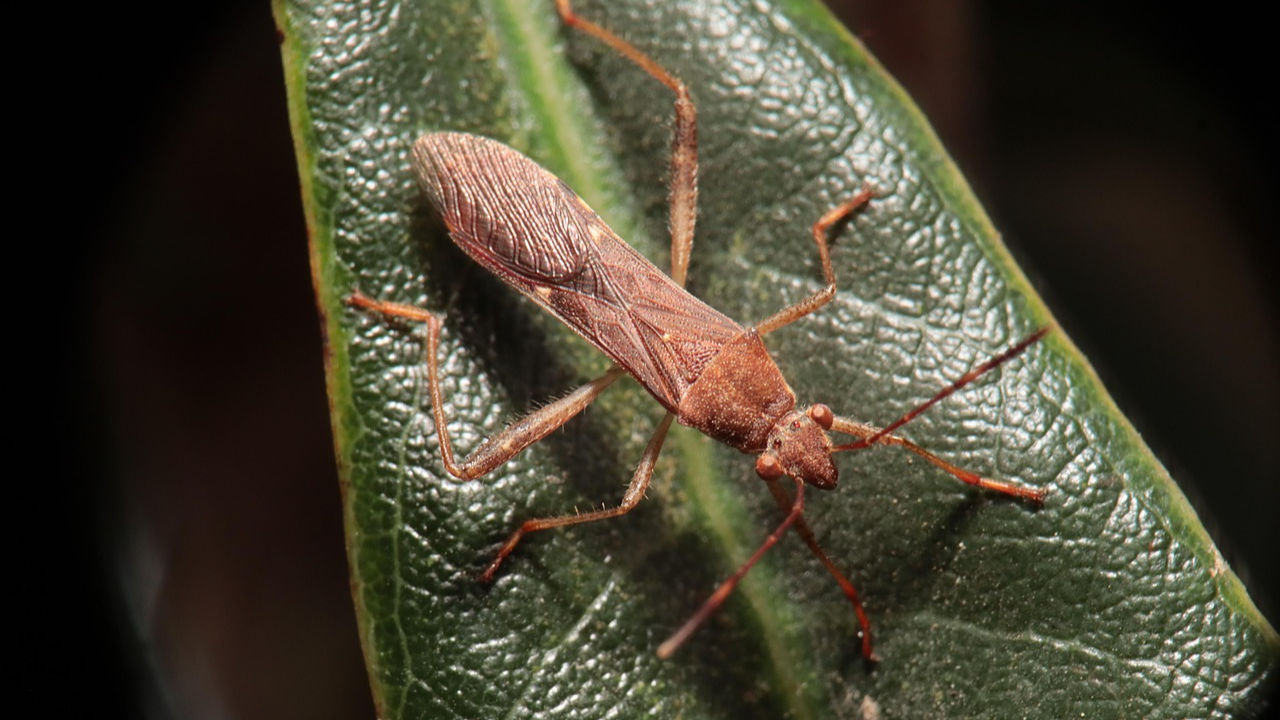
Dictyobia atra is a species of planthopper in the family Tropiduchidae, first described by Van Duzee in 1914. It is a member of the subfamily Elicinae and tribe Elicini. The species has been documented in North America, with specific records from California. Like other tropiduchid planthoppers, it is presumed to feed on plant sap using piercing-sucking mouthparts, though detailed biological studies are limited.
Dictyobia semivitrea is a species of planthopper in the family Tropiduchidae, first described by Provancher in 1889. It belongs to the tribe Elicini within the subfamily Elicinae. The species has been recorded across a broad geographic range in North America, from California and Texas to Québec.
broom lacebug
Dictyonota fuliginosa is a Palearctic lace bug in the family Tingidae that has established populations in North America. The species is native to Europe and Northern Asia and has been documented with new distribution records across North American regions. It is commonly known as the broom lacebug and belongs to a family characterized by their distinctive reticulated, lace-like forewings.
Dictyssa clathrata is a species of planthopper in the family Tropiduchidae, described by Melichar in 1906. It belongs to the tribe Elicinae within the subfamily Elicinae. The species has been recorded in California, North America. As a member of the Fulgoromorpha, it shares the characteristic piercing-sucking mouthparts typical of this group of Hemiptera.
Dictyssa leonilae is a planthopper species in the family Tropiduchidae, described by O'Brien in 1986. The genus Dictyssa is a small Neotropical group within this family. Very little published information exists regarding the biology or ecology of this particular species.
Dictyssa mira is a species of planthopper in the family Tropiduchidae, described by Van Duzee in 1928. It belongs to the tribe Elicini within the subfamily Elicinae. As a member of the Hemiptera, it shares the characteristic piercing-sucking mouthparts typical of true bugs. The species has been recorded from California in North America.
Dictyssa ovata is a planthopper species in the family Tropiduchidae, first described by Ball in 1910. It belongs to the subfamily Elicinae and tribe Elicini. The species is known from western North America, including California and Baja California. Like other members of its family, it likely feeds on plant sap using piercing-sucking mouthparts.
Dieuches armatipes is a seed bug in the family Rhyparochromidae. Native to Africa, it has established populations in the Western Hemisphere including the Caribbean and Florida. The species was first documented in the Western Hemisphere from Grand Cayman and St. Kitts in 1993, with subsequent records from intercepted specimens in the Dominican Republic and Jamaica. It has since been confirmed on the Florida mainland and in Belgium.
Dikraneura arizona is a leafhopper species in the family Cicadellidae, subfamily Typhlocybinae. First described by DeLong & Caldwell in 1937, this small hemipteran is distributed across the southwestern and north-central United States. As a member of the tribe Dikraneurini, it shares characteristics with other minute leafhoppers that feed on plant phloem.
Dikrella scimitar is a species of leafhopper in the family Cicadellidae, subfamily Typhlocybinae, described by Chandler in 2017. It belongs to a group of small, plant-feeding insects known for their delicate structure and specialized mouthparts adapted for piercing and sucking plant fluids. The specific epithet "scimitar" may allude to a curved morphological feature, though this is not explicitly documented in available sources.
Dilasia fuscula is a species of minute pirate bug in the family Lasiochilidae, originally described by Reuter in 1871. The species has been recorded from the Caribbean and North America. It is currently treated as a synonym of Lasiochilus fusculus in some taxonomic databases, reflecting ongoing taxonomic uncertainty in this group of predatory Hemiptera.
Gold-specked Scutellerid
Diolcus chrysorrhoeus is a shield-backed bug in the family Scutelleridae, commonly known as the Gold-specked Scutellerid. The species is characterized by its distinctive coloration and the enlarged scutellum that covers most of the abdomen and wings, a defining trait of its family. It occurs across North America and has been documented in hundreds of observations, indicating it is relatively conspicuous and recognizable.
jumping tree bugs
Diphleps is a genus of jumping tree bugs in the family Miridae, established by Bergroth in 1924. The genus contains five described species distributed in the New World tropics. Species in this genus are arboreal and possess enlarged hind femora adapted for jumping. The genus is relatively poorly studied compared to other mirid genera.
Diplocolenus aquilonius is a leafhopper species in the family Cicadellidae, described by Ross & Hamilton in 1970. The species is recorded from Alaska and Yukon, representing a northern distribution within its genus. As a member of the subfamily Deltocephalinae, it belongs to a diverse group of plant-feeding leafhoppers.
Dixianus is a genus of leafhoppers in the family Cicadellidae, established by Ball in 1918. It belongs to the tribe Opsiini within the subfamily Deltocephalinae. The genus is part of the diverse Hemipteran radiation of true bugs, with species distributed across North America. Dixianus species are small, active insects associated with herbaceous vegetation.
Doleranus lucidus is a species of leafhopper in the family Cicadellidae, subfamily Deltocephalinae, and tribe Pendarini. It was first described by Baker in 1895. The species occurs in the southwestern United States and has been documented in Arizona, California, and New Mexico. As a member of the Auchenorrhyncha, it is a true bug with piercing-sucking mouthparts adapted for feeding on plant vascular fluids.
Doliotettix is a monotypic genus of leafhoppers in the family Cicadellidae, established by Ribaut in 1942. The genus contains a single species, Doliotettix lunulata, known from northern Europe. It is classified within the subfamily Deltocephalinae and tribe Athysanini. The genus has been documented in Norway and Sweden based on distribution records.
Draeculacephala antica is a species of leafhopper in the family Cicadellidae, first described by Francis Walker in 1851. It belongs to the genus Draeculacephala, which is characterized by distinctive head morphology. The species has been recorded across multiple states in the eastern and central United States. Like other members of the Cicadellidae, it is a xylem-feeding insect that uses its piercing-sucking mouthparts to extract fluids from plant vascular tissue.
Draeculacephala balli is a species of leafhopper in the family Cicadellidae, first described by Van Duzee in 1915. It belongs to a genus of sharpshooters, a group known for their strong jumping ability and xylem-feeding habits. The species has been recorded across the southeastern United States.
Draeculacephala californica is a leafhopper species in the family Cicadellidae, described by Davidson & Frazier in 1949. The species is known from California, Hawaii, and Sonora, Mexico. As a member of the genus Draeculacephala, it belongs to a group of leafhoppers commonly referred to as sharpshooters, which are known for their xylem-feeding habits and association with various host plants. The species has been documented in biological control research, particularly in studies examining egg parasitoids of leafhoppers.
A species of leafhopper in the family Cicadellidae, described from western Texas in 1943. The genus Draeculacephala is characterized by distinctive head morphology, with species often exhibiting elongated or modified facial structures. Draeculacephala constricta occurs in arid and semi-arid regions of the southwestern United States and has been documented in association with woody legumes including Vachellia constricta (whitethorn acacia), which shares its specific epithet.
Tenderfoot Leafhopper
Draeculacephala mollipes is a leafhopper species in the family Cicadellidae, commonly known as the Tenderfoot Leafhopper. It belongs to the genus Draeculacephala, a group of medium-sized leafhoppers distributed across North America. The species has been documented in western and central regions of the continent, with records from Canada through the western United States. As a member of the Cicadellini tribe, it possesses the characteristic morphological features of this group, including a somewhat flattened body form and enlarged hind legs adapted for jumping. Specific biological details regarding its life history, host plant associations, and ecological role remain limited in the available literature.
Draeculacephala navicula is a species of leafhopper in the family Cicadellidae, described by Hamilton in 1985. It belongs to the genus Draeculacephala, a group of sharpshooters known for their association with various host plants and their role as vectors of plant pathogens. The species has been recorded from southern Texas in the United States and the Mexican states of Chiapas and Tamaulipas. Like other members of its genus, it is likely associated with grassland and agricultural habitats, though specific ecological details remain limited in published literature.
Draeculacephala pagoda is a species of leafhopper in the family Cicadellidae, described by Ball in 1927. It belongs to a genus characterized by distinctive head morphology. The species has been recorded in Florida, though detailed biological information appears limited in available sources.
Draeculacephala robinsoni is a sharpshooter leafhopper species native to North America that was first detected in Europe in 2022. It has been introduced to northeastern Spain and southern France, where it is expanding in agricultural areas. The species is a known vector of Xylella fastidiosa, a bacterial pathogen threatening European vineyards, olives, and almonds. It has been recorded from ryegrass, barley, and rice fields, and its recent detection in Occitanie (France)—where X. fastidiosa is already present—raises concerns about altered disease epidemiology in the Mediterranean region.
Draeculacephala soluta is a species of leafhopper in the family Cicadellidae, first described by Gibson in 1919. It belongs to the genus Draeculacephala, a group of sharpshooter leafhoppers known for their association with various host plants and their role as vectors of plant pathogens. The species has been recorded from multiple localities in Mexico and Central America. Like other members of its genus, it is likely associated with herbaceous vegetation and agricultural settings.
Dragonana is a genus of leafhoppers (Cicadellidae) in the tribe Gyponini, subfamily Iassinae. The genus was established by Ball and Reeves in 1927. As a member of the Gyponini, Dragonana belongs to a diverse group of leafhoppers characterized by particular wing venation patterns and genitalic structures. The genus contains multiple species, though detailed species-level taxonomy remains incompletely documented in public sources.
Drepanaphis carolinensis is a species of aphid in the family Aphididae, subfamily Drepanosiphinae. It was described by Smith in 1941. The genus Drepanaphis is characterized by distinctive morphological features including a sickle-shaped cauda, from which the genus name derives. Like other aphids in this genus, D. carolinensis is likely associated with maple trees (Acer spp.) as host plants, though specific host records for this species are limited. The species name 'carolinensis' suggests a connection to the Carolinas region of the United States.
Drepanaphis idahoensis is an aphid species in the family Aphididae, subfamily Drepanosiphinae. The species was described by Smith & Dillery in 1968. Like other members of its genus, it is a small, sap-sucking insect that feeds on host plants using piercing-sucking mouthparts. The genus Drepanaphis is characterized by certain morphological features of the antennae and siphunculi.
Drepanaphis keshenae is a species of aphid in the family Aphididae, subfamily Drepanosiphinae. First described by Granovsky in 1931, this species belongs to a genus of aphids that are typically associated with maple trees (Acer spp.). The genus Drepanaphis is characterized by distinctive morphological features and life history traits tied to their host plant relationships. Like other members of its subfamily, D. keshenae is presumed to have complex life cycles involving both sexual and asexual reproduction phases, with host alternation potentially occurring between maple species.
Drepanaphis monelli is a species of aphid in the family Aphididae, originally described by Davis in 1909 under the basionym Phymatosiphum monelli. It belongs to the genus Drepanaphis, a group of aphids within the subfamily Drepanosiphinae. The species has been documented in at least two observations on iNaturalist. As with other members of its genus, it is likely associated with specific host plants, though detailed ecological studies remain limited.
Drepanaphis sabrinae is a species of aphid in the family Aphididae, subfamily Drepanosiphinae, described by Miller in 1937. The genus Drepanaphis belongs to a group of aphids commonly associated with maple trees (Acer spp.), though specific host associations for this species are not well documented. Like other aphids, it possesses piercing-sucking mouthparts for feeding on plant phloem. The species has been recorded in the Nearctic region with limited observational data available.
Drionia nigra is a species of leafhopper in the family Cicadellidae, first described by Ball in 1915. It belongs to the tribe Athysanini within the subfamily Deltocephalinae. The species has been recorded from California and Oregon in western North America. As with many leafhoppers, detailed biological information remains limited.
Driotura robusta is a species of leafhopper in the family Cicadellidae, tribe Chiasmini, described by Osborn and Ball in 1898. It is a member of the subfamily Deltocephalinae, one of the largest and most diverse groups of leafhoppers. The species has been documented from multiple states in the central and eastern United States.
dirt-colored seed bug
Drymus crassus is a species of true bug in the family Rhyparochromidae, commonly known as dirt-colored seed bugs. The species was described by Van Duzee in 1910. It is native to North America. As a member of Rhyparochromidae, it likely feeds on seeds, though specific ecological details remain poorly documented.
dirt-colored seed bug
Drymus unus is a species of true bug in the family Rhyparochromidae, commonly known as dirt-colored seed bugs. It occurs across North America, with records from the United States and Canada. The species belongs to a family of ground-dwelling bugs primarily associated with seeds as food sources.
Dufouriellini is a tribe of minute pirate bugs (family Anthocoridae) comprising approximately 7 genera and 15 described species. The tribe was established by Van Duzee in 1916 and is classified within the subfamily Lyctocorinae. Members are small predatory heteropterans found in diverse habitats. Genera include Alofa, Amphiareus, Brachysteles, Buchananiella, Cardiastethus, Dufouriellus, and Physopleurella.
Dyctidea intermedia is a planthopper species in the family Tropiduchidae, first described by Uhler in 1889. It belongs to the subfamily Elicinae and tribe Elicini. The species is known from limited records in western North America, specifically California and Baja California. Like other tropiduchid planthoppers, it likely feeds on plant phloem sap using its piercing-sucking mouthparts.
A species of planthopper in the family Tropiduchidae, described by O'Brien in 1986. The specific epithet 'texana' indicates its association with Texas. As a member of the Fulgoroidea superfamily, it belongs to a diverse group of sap-feeding insects commonly known as planthoppers.
Dyctidea valida is a species of tropiduchid planthopper described by Doering in 1940. It belongs to the family Tropiduchidae, a group of fulgoroid insects commonly known as planthoppers. The species is known from North America, with records from California. Like other members of its family, it is presumed to feed on plant phloem, though specific host associations remain undocumented.
Dyctidea variegata is a species of planthopper in the family Tropiduchidae, described by Van Duzee in 1938. It belongs to the subfamily Elicinae and tribe Elicini. The species is known from California and represents one of the few documented members of this genus in North America. Tropiduchidae planthoppers are generally associated with woody and herbaceous vegetation, though specific ecological details for this species remain poorly documented.
Common Cotton Stainer Bug, Cotton Stainer
Dysdercus suturellus is a true bug in the family Pyrrhocoridae, commonly known as the cotton stainer. Adults measure 1–1.5 cm in length with a distinctive red thorax and dark brown wings bearing a yellow cross-shaped pattern. The species is native to the southeastern United States, Jamaica, and Puerto Rico. It is a significant agricultural pest of cotton and related plants, with adults and late-stage nymphs feeding on developing seeds and bolls. The bright red coloration is derived from plant pigments obtained through its diet.
mealybugs
Dysmicoccus is a genus of mealybugs in the family Pseudococcidae containing at least 110 described species. These soft-bodied scale insects are characterized by white, powdery wax secretions covering their bodies. Several species are economically significant agricultural pests, particularly of pineapple, sugarcane, and other tropical crops. Some species vector plant diseases, including pineapple wilt. The genus has a pantropical distribution with several species introduced to Florida and other regions as invasive pests.
Ecitovagus gibbus is a species of true bug in the family Cyrtocoridae, a small group of pentatomoid insects endemic to the Neotropics. The family Cyrtocoridae contains only three genera and eleven species, characterized by distinctive morphological features including an expanded scutellum with a broad-based spine or hump, flattened head expansions, and scale-like setae. Ecitovagus gibbus was originally described from Brazil and has been recorded on the branches of Mimosa scabrella (Fabaceae).
Prune Leafhopper
Edwardsiana prunicola is a leafhopper species in the family Cicadellidae, subfamily Typhlocybinae. It is commonly known as the Prune Leafhopper, reflecting its association with Prunus host plants. The species was described by Edwards in 1914 and is distributed across parts of Europe, western North America, and other regions. As a member of the Typhlocybinae, it is likely a phloem-feeding insect, though specific biological details remain poorly documented in the accessible literature.
Edwardsiana pseudocommissuralis is a species of leafhopper in the family Cicadellidae, subfamily Typhlocybinae. It was described by Christian in 1953. The species belongs to the genus Edwardsiana, a group of small leafhoppers commonly associated with woody plants. Records indicate it occurs in northeastern North America.
Rose Leafhopper
Edwardsiana rosae, commonly known as the Rose Leafhopper, is a leafhopper species in the family Cicadellidae. It is a member of the subfamily Typhlocybinae, a group characterized by their small size and association with woody plants. The species was described by Linnaeus in 1758, making it one of the earlier described leafhopper species. It has been recorded across a broad geographic range spanning parts of Asia, Europe, and North America.
Elachodelphax bifida is a species of planthopper in the family Delphacidae, first described by Beamer in 1948. It belongs to a genus of small, grass-feeding insects characterized by reduced wing venation and simplified body structure. The species is known from scattered records across the southwestern United States and New York.
red-cross shield bug, redcrossed stink bug, salmonberry bug
Elasmostethus cruciatus is a shield bug in the family Acanthosomatidae, commonly known as the red-cross shield bug or salmonberry bug. It is native to North America and recognized by the distinctive red cross pattern on its dorsal surface. The species is associated with salmonberry and other Rubus plants.
Edge-striped Shield Bug
Elasmucha lateralis is a shield bug in the family Acanthosomatidae, commonly known as the Edge-striped Shield Bug. It is native to North America, with distribution extending into Middle America. The species belongs to a genus noted for maternal care behaviors, though specific documentation of such behavior in E. lateralis is limited.