
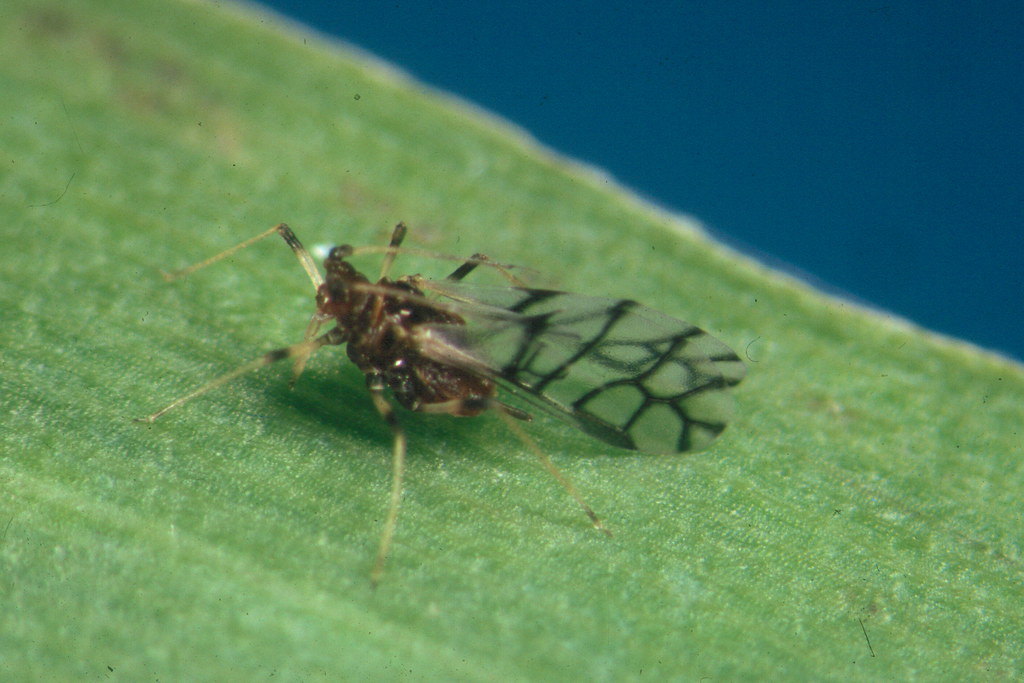
People usually talk about aphids like they are already explained. Tiny green bugs. Bad for the roses. Spray them, squish them, move on. That is not wrong. It is just a very small version of the story.
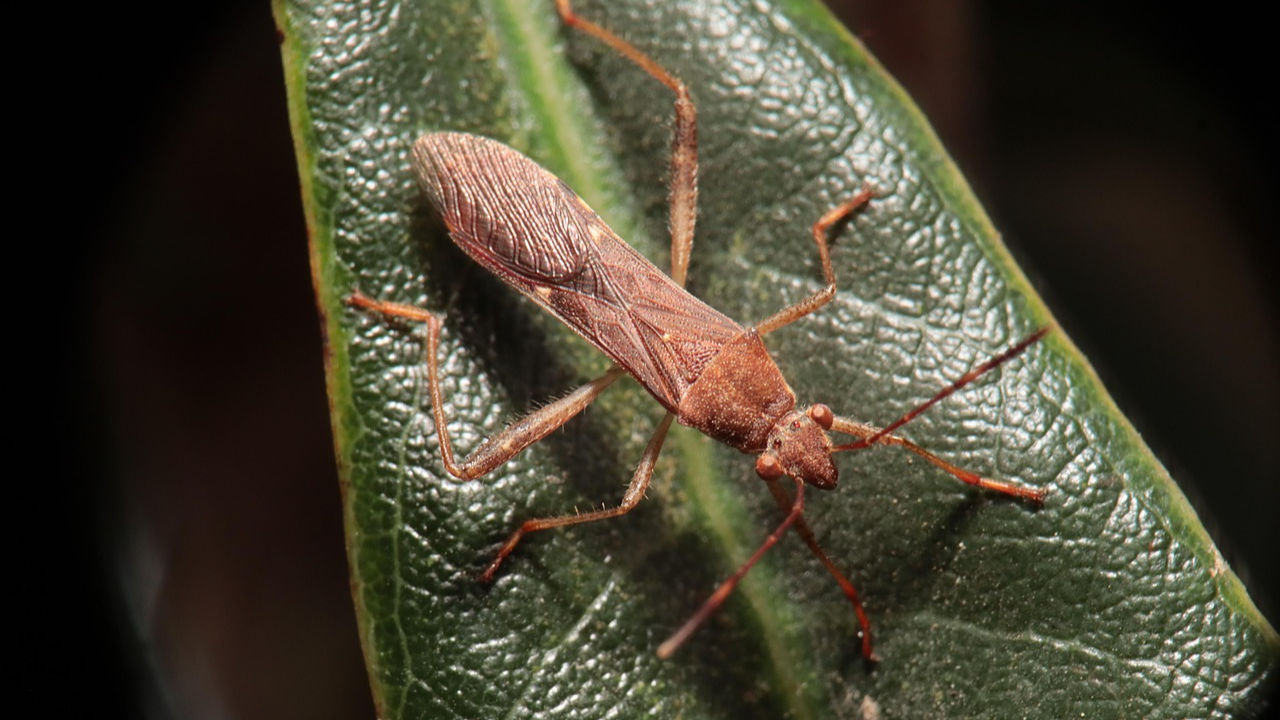
dirt-colored seed bugs
Delochilocoris is a genus of seed bugs in the family Rhyparochromidae, established by Bergroth in 1893. The genus contains three described species: D. caliginosus, D. gracilis, and D. illuminatus. Members are classified among the 'dirt-colored seed bugs' based on their generally dull, earth-toned coloration. The genus belongs to the tribe Gonianotini within the subfamily Rhyparochrominae.
dirt-colored seed bug
Delochilocoris caliginosus is a species of true bug in the family Rhyparochromidae, commonly known as dirt-colored seed bugs. The species was described by Distant in 1882. It belongs to a family characterized by ground-dwelling habits and seed-feeding ecology. Available records for this species are sparse, with only three observations documented on iNaturalist as of the knowledge cutoff.
Delphacini is a tribe of planthoppers in the family Delphacidae, characterized by a worldwide distribution and ecological significance as agricultural pests. Members are phytophagous, feeding primarily on grasses including cereal crops. Several species are economically important as direct pests through feeding damage or as vectors of plant pathogens. Notable pest species include the rice brown planthopper (*Nilaparvata lugens*), white-backed planthopper (*Sogatella furcifera*), and sugarcane planthopper (*Perkinsiella saccharicida*).
Delphacodes acuministyla is a species of delphacid planthopper in the family Delphacidae, described by Dozier in 1926. It is a small, winged insect in the order Hemiptera, characterized by the family-specific trait of having a large, mobile spur on the hind tibia. The species is known from eastern and southeastern North America, with records from Alabama, Arkansas, Connecticut, Delaware, and Florida.
Delphacodes angulata is a species of planthopper in the family Delphacidae, described by Beamer in 1947. The species is distributed across the south-central United States, with records from Kansas, Missouri, Oklahoma, and Texas. As a member of the genus Delphacodes, it belongs to a group of small planthoppers that are commonly associated with grasses and are known vectors of plant pathogens.
Delphacodes balli is a species of delphacid planthopper in the family Delphacidae, described by Muir and Giffard in 1924. The species is found in North America, with confirmed records from Connecticut, North Carolina, and Ontario. As a member of the planthopper family Delphacidae, it belongs to a group of sap-feeding insects characterized by a distinctive movable spur on the hind tibia. Very little specific information has been published about the biology or ecology of this particular species.
Delphacodes bocana is a species of planthopper in the family Delphacidae, described by Beamer in 1947. The species is known from Texas in the southern United States. Like other members of Delphacidae, it belongs to the Auchenorrhyncha, a group of sap-feeding insects. The genus Delphacodes includes numerous species associated with grassland and wetland habitats.
Delphacodes furcata is a planthopper species in the family Delphacidae, native to North America. As a member of the genus Delphacodes, it belongs to a group of small, economically significant planthoppers often associated with grassland and wetland habitats. The species is documented in entomological records but detailed natural history information remains limited in available sources.
Delphacodes quadridentis is a species of planthopper in the family Delphacidae, described by Beamer in 1948. It belongs to a genus of small, often economically significant planthoppers that feed on grasses and sedges. The specific epithet "quadridentis" refers to a distinctive four-toothed structure, likely on the male genitalia or other diagnostic feature. Species in this genus are known vectors of plant pathogens and are studied for their agricultural impact.
Delphacodes recurvata is a planthopper species in the family Delphacidae, described by Beamer in 1948. It belongs to a genus of small planthoppers that are commonly associated with grasses and sedges. Members of the family Delphacidae are characterized by a distinctive spur on the hind tibia and are significant as vectors of plant pathogens, though specific pathogen associations for this species have not been documented. The species has been recorded from several mid-Atlantic and southeastern U.S. states.
Delphacodes trimaculata is a species of delphacid planthopper in the family Delphacidae, first described by Beamer in 1948. It is a small, sap-feeding insect belonging to the order Hemiptera, suborder Auchenorrhyncha. The species is found in North America, with distribution records from Arkansas, Connecticut, District of Columbia, Florida, and Illinois. As a member of the genus Delphacodes, it shares characteristics typical of this group of planthoppers, including a movable spur on the hind tibia.
Delphacodes truncata is a species of planthopper in the family Delphacidae, described by Beamer in 1948. It belongs to the genus Delphacodes, a group of small, delicate planthoppers commonly known as delphacids. The species name 'truncata' refers to a truncated or shortened feature, likely some aspect of the genitalia or wing structure as is common in this group's taxonomy. As a member of the Delphacidae, it is a phloem-feeding insect associated with grasses and sedges.
Delphacodes turgida is a species of planthopper in the family Delphacidae, first described by Beamer in 1948. The species is recorded from the southeastern United States, specifically Florida and Georgia. As a member of the Auchenorrhyncha, it possesses piercing-sucking mouthparts and is associated with grassland and wetland habitats typical of delphacid planthoppers. The taxonomic status of this species has been subject to some confusion, with Catalogue of Life listing it as a synonym while GBIF treats it as accepted.
Deltanus texanus is a species of leafhopper in the family Cicadellidae, first described by Osborn and Ball in 1898. It belongs to the subfamily Deltocephalinae and tribe Deltocephalini. The species has been documented in Louisiana, Virginia, and Mexico based on distribution records. As a member of the Auchenorrhyncha, it possesses the characteristic piercing-sucking mouthparts typical of this group of Hemiptera.
Deltocephalus balli is a species of leafhopper in the family Cicadellidae, first described by Van Duzee in 1916. It is currently treated as a synonym of Graminella balli in some taxonomic databases, reflecting ongoing revisions within the Deltocephalinae. The species has been recorded from multiple states in the central and western United States. As with many leafhoppers, detailed biological information remains sparse.
Dendrocoris arizonensis is a species of stink bug in the family Pentatomidae, first described by Barber in 1911. It belongs to the genus Dendrocoris, a group of arboreal stink bugs associated with trees. The species is known from North America, with its specific epithet suggesting a primary association with Arizona. Like other members of its family, it possesses the characteristic shield-shaped body and scent glands typical of stink bugs.
Dendrocoris fruticicola is a species of stink bug in the family Pentatomidae, first described by Bergroth in 1891. It belongs to the genus Dendrocoris, a group of tree-dwelling pentatomids. The species has been recorded in North America, though detailed biological information remains limited.
A species of stink bug in the family Pentatomidae. The genus Dendrocoris is associated with woody vegetation, though species-level biology for D. neomexicanus remains poorly documented. The specific epithet suggests a connection to New Mexico, likely reflecting type locality or primary distribution.
Deraeocoris is a genus of predatory plant bugs in the family Miridae, comprising at least 210 described species. Members of this genus are recognized as important biological control agents in agricultural and horticultural systems, feeding on pest arthropods including mites, aphids, and psyllids. Several species have been documented in orchard ecosystems, particularly in apple and pear production. The genus exhibits variation in host plant associations and developmental rates depending on substrate and prey availability.
Deraeocoris bakeri is a species of plant bug in the family Miridae, first described by Knight in 1921. It is native to western North America, with documented occurrences in California, Colorado, and Nevada. As a member of the genus Deraeocoris, it belongs to a group of predatory plant bugs that are often associated with agricultural and natural ecosystems.
predatory plant bug
Deraeocoris brevis is a predatory plant bug in the family Miridae, native to western North America. Adults are small, glossy black insects 3–6 mm in length with red eyes, while nymphs are mottled pale grey with dark patches and a felted dorsal surface covered in grey hairs. Both life stages are predatory, feeding primarily on pear psyllids, aphids, spider mites, leafhoppers, and scale insects. The species is considered beneficial in apple and pear orchards of the Pacific Northwest, where it contributes to biological control of pest populations.
Deraeocoris cochise is a species of plant bug in the family Miridae, described in 1983 from Arizona. It belongs to a genus of predatory mirids commonly used in biological control. Very little is known about this specific species beyond its type locality and original description.
Deraeocoris fulgidus is a species of plant bug in the family Miridae, first described by Van Duzee in 1914. It belongs to the diverse genus Deraeocoris, which contains predatory and plant-feeding species. Records indicate presence in western North America, particularly California, Colorado, and Nevada. Available information on this species is limited compared to better-studied congeners.
Deraeocoris histrio is a species of plant bug in the family Miridae. It is native to North America, with documented records from Arkansas, Texas, and the Carolinas. As a member of the genus Deraeocoris, it belongs to a group of predatory plant bugs that feed on other insects. Specific ecological details for this species remain limited in available literature.
Deraeocoris manitou is a species of plant bug in the family Miridae, first described by Van Duzee in 1920. It belongs to a large genus of predatory mirid bugs found primarily in North America. The species has been recorded from Colorado, New Mexico, and Arizona in the southwestern United States.
Deraeocoris ornatus is a species of plant bug in the family Miridae, described by Knight in 1921. It is recorded from the central United States, specifically from South Dakota, Illinois, and Nebraska. As a member of the genus Deraeocoris, it is presumed to be a predatory or omnivorous plant bug, though specific ecological details remain undocumented.
Deraeocoris sayi is a species of plant bug in the family Miridae, first described by Reuter in 1876. It is native to North America, with documented occurrence records from the eastern and northeastern United States, including Georgia, Illinois, Louisiana, Minnesota, Mississippi, Texas, and Wisconsin. The species belongs to a genus of predatory plant bugs, though species-specific biological details remain poorly documented in published literature.
Derbid Planthoppers, Derbids
Derbidae is a large and diverse family of planthoppers within the superfamily Fulgoroidea, comprising over 1,700 described species in 166 genera. Adults are small sap-sucking insects typically 5–10 mm in length, with highly variable morphology across subfamilies and tribes. The family exhibits striking diversity in wing shape, head structure, and antennae form. Nymphs develop in decaying organic matter, particularly under bark of dead trees and in palm debris, where they feed on fungi—an unusual life history trait among planthoppers. Several species are economically significant as suspected vectors of phytoplasma diseases affecting palms, including lethal yellowing and related syndromes, though clear evidence of transmission remains limited.
lace bugs
Derephysia is a genus of lace bugs in the family Tingidae, established by Spinola in 1837. The genus comprises more than 20 described species. Like all lace bugs, members of this genus are characterized by their distinctive reticulated, lace-like pronotum and forewings. The genus is placed in the infraorder Cimicomorpha within the true bugs.
Deserta is a genus of planthoppers in the family Dictyopharidae, first described by Ball and Hartzell in 1922. These insects belong to the order Hemiptera and are part of the diverse group of true bugs known as planthoppers. The genus is placed within the subfamily Orgeriinae and tribe Orgeriini.
Deserta bipunctata is a species of planthopper in the family Dictyopharidae, described by Ball in 1909. It belongs to the subfamily Orgeriinae, a group of flightless or weak-flying planthoppers commonly known as 'false leafhoppers.' The genus Deserta is endemic to western North America. The specific epithet 'bipunctata' refers to two spots, likely describing a distinctive marking pattern on the body.
Obscure Planthopper
Deserta obscura is a planthopper species in the family Dictyopharidae, known from the western United States. It belongs to a genus of small, often cryptic planthoppers that inhabit arid and semi-arid grasslands. The species has been documented in California, Idaho, Nevada, and Utah, typically in association with shortgrass prairie and sagebrush steppe habitats. Like other members of the subfamily Orgeriinae, it likely feeds on grass species and exhibits limited dispersal capabilities.
A species of planthopper in the family Dictyopharidae, described by Ball in 1937. The specific epithet 'raptoria' suggests raptorial adaptations, though detailed ecological and morphological information is scarce in available sources. The genus Deserta is part of the diverse planthopper fauna, with most members being phytophagous.
Destria is a genus of leafhoppers in the family Cicadellidae, subfamily Deltocephalinae, established by Oman in 1949. Members of this genus are small, plant-feeding insects within the order Hemiptera. The genus is part of the large and diverse leafhopper fauna, with records indicating at least 19 observations documented on iNaturalist. Specific species-level information for Destria remains limited in available sources.
Destria bisignata is a species of leafhopper in the family Cicadellidae, subfamily Deltocephalinae. It was described by Sanders and DeLong in 1923. The species is known from limited observations in the southeastern United States.
Diaditus pictipes is a species of assassin bug in the family Reduviidae, first described by Champion in 1898. It belongs to the subfamily Stenopodainae, a group of predatory true bugs characterized by raptorial forelegs adapted for capturing prey. The species has been recorded from the Caribbean, Central America, and North America, though specific details about its biology remain poorly documented.
Apache Cicada, Silver-bellied annual cicada
Diceroprocta apache-cinctifera-semicincta is a cicada species found in the southwestern United States and northern Mexico. It is a host for the Pacific Cicada Killer wasp (Sphecius convallis), which paralyzes adults to provision underground nests. The species belongs to the 'annual' cicada group, with staggered generations appearing each year rather than synchronized mass emergences.
Plateau Flag-Bearer
Diceroprocta arizona is a species of cicada in the family Cicadidae, described by Davis in 1916. It is distributed across the southwestern United States and Central America, with records from Arizona and several Mexican states including Chiapas, Chihuahua, Durango, and Morelos. Like other members of the genus Diceroprocta, it is an annual cicada with a multi-year nymphal development period spent underground feeding on plant roots.
Western Plain Flag-Bearer
Diceroprocta averyi is a species of annual cicada described by Davis in 1941. It belongs to the genus Diceroprocta, a group of cicadas commonly known as flag-bearers. The species occurs in North America, with confirmed records from Texas. Like other Diceroprocta species, it likely exhibits the typical cicada life cycle involving multiple years spent underground as a nymph feeding on root xylem, followed by emergence as a short-lived adult.
Verdant Plain Flag-Bearer
A cicada species in the family Cicadidae with a documented range spanning Central America, North America, and South America. First recorded in Kansas in 2009, representing a northward range expansion from previously known southern distributions. Associated with riparian habitats, particularly where cottonwood trees occur.
Gulf Saltmarsh Cicada
Diceroprocta bequaerti is a species of annual cicada in the family Cicadidae, native to North America. It is one of several Diceroprocta species found in the southern United States, where it inhabits coastal and near-coastal environments. Like other cicadas in this genus, it produces sound through tymbal organs to attract mates. The species was described by William T. Davis in 1917.
Florida Keys' Scrub Cicada, Key's cicada
Diceroprocta biconica, commonly known as the Florida Keys' Scrub Cicada or Key's cicada, is a species of cicada in the family Cicadidae. It is found in the Caribbean Sea and North America, with confirmed records from Florida and Isla de la Juventud. Like other cicadas, it has piercing-sucking mouthparts and produces sound through tymbal organs. The species belongs to the genus Diceroprocta, which contains several species distributed across North American deserts and subtropical regions.
Delicate Flag-Bearer
A small cicada species in the family Cicadidae, Diceroprocta delicata occurs in arid and semi-arid regions of the southern United States and Mexico. Like other Diceroprocta species, it produces sound using tymbal organs. The specific epithet 'delicata' suggests relatively small or slender proportions compared to congeners. Available records indicate it is an 'annual' cicada with staggered generations rather than synchronized periodic emergence.
Dusty Flag-Bearer
Diceroprocta knighti is a cicada species in the family Cicadidae, distributed across the southwestern United States and northwestern Mexico. Like other members of its genus, it is an annual cicada with a multi-year nymphal stage spent underground feeding on tree and shrub roots. Adults emerge during summer months, with males producing species-specific acoustic signals to attract females. The species is part of the diverse cicada fauna of the Sonoran Desert region, where it co-occurs with related congeners at different elevations.
Scrub Cicada
Diceroprocta marevagans is a species of cicada in the family Cicadidae, distributed across parts of Central America and North America. As a member of the genus Diceroprocta, it shares traits with other "annual" cicadas that appear every year due to staggered generations, rather than the synchronous emergences seen in periodical cicadas. The species inhabits scrubland and arid environments where it feeds on plant sap.
Olympic Scrub Cicada
Diceroprocta olympusa is a species of annual cicada in the family Cicadidae. It is found in the southeastern United States, with records from Alabama, Florida, Georgia, Mississippi, and North Carolina. As with other Diceroprocta species, it likely spends multiple years underground as a nymph feeding on plant roots before emerging as an adult.
Texas Plain Flag-Bearer
A small cicada species distributed across the south-central United States and northern Mexico. Males produce audible songs and have been observed singing from vegetation including mesquite and blazingstar. The species exhibits a pale, nearly white venter that serves as a distinguishing field mark. Activity has been documented during mid-summer months.
salt marsh cicada, seaside cicada, Atlantic Saltmarsh Cicada
Diceroprocta viridifascia is a cicada species in the family Cicadidae, commonly known as the salt marsh cicada or seaside cicada. It is restricted to coastal salt marsh habitats in the southeastern United States. The species is named for the green fasciae (bands) on its body. Like other cicadas, it produces sound via tymbal organs for communication.
Dichocysta pictipes is a species of lace bug in the family Tingidae, first described by Champion in 1898. The species belongs to a genus of small, cryptic true bugs characterized by their reticulated, lace-like forewings. Records indicate presence in parts of Central America and the southern United States, though detailed natural history information remains sparse.
Dichrooscytus longirostris is a species of plant bug in the family Miridae, described by Kelton in 1972. It is one of nine new Dichrooscytus species described from North America in the same publication. The species is characterized by its elongated rostrum, as indicated by its specific epithet. Like other members of the genus, it is a small, soft-bodied true bug associated with vegetation.