
Delphacini
Leach, 1815
Genus Guides
60Delphacini is a tribe of planthoppers in the Delphacidae, characterized by a worldwide distribution and ecological significance as agricultural pests. Members are phytophagous, feeding primarily on grasses including cereal crops. Several are economically important as direct pests through feeding damage or as of plant . Notable pest species include the rice (*Nilaparvata lugens*), white-backed planthopper (*Sogatella furcifera*), and sugarcane planthopper (*Perkinsiella saccharicida*).
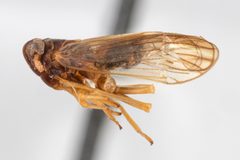
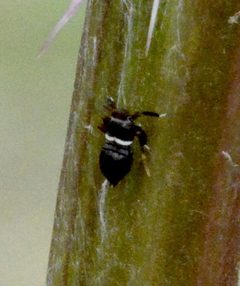
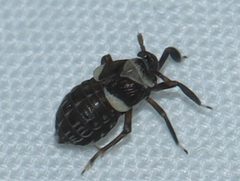
Pronunciation
How to pronounce Delphacini: //dɛlˈfækɪnaɪ//
These audio files are automatically generated. While they are not always 100% accurate, they are a good starting point.
Images
Habitat
Members occupy diverse including cultivated agricultural areas and natural grasslands. Some are associated with hydrophytic plants in wet environments. Specific habitat associations vary by species, with many tied to cereal crop systems and wild Gramineae.
Distribution
Worldwide distribution. Documented occurrences include South America (Argentina, Chile), with particular concentration in Northwestern and Central Argentina for some . Individual species distributions vary; some have broad ranges while others are more restricted.
Diet
All are phytophagous, feeding on various grasses. Documented plants include wheat, oat, maize, triticale, rye, barley, and wild Gramineae. Some species feed on rice and sugarcane.
Host Associations
- wheat - plant
- oat - plant
- maize - plant
- triticale - plant
- rye - plant
- barley - plant
- wild Gramineae - plant
- rice - plantfor *Nilaparvata lugens* and *Sogatella furcifera*
- sugarcane - plantfor *Perkinsiella saccharicida*
Behavior
Some have been confirmed as of plant in experimental conditions. *Pyrophagus tigrinus* has been confirmed as a vector of MRCV (Rio Cuarto maize virus).
Ecological Role
Agricultural pests; plant virus . Feed on cultivated grasses and can cause direct damage through feeding or indirect damage through transmission.
Human Relevance
Several are economically significant agricultural pests. The rice (*Nilaparvata lugens*), white-backed planthopper (*Sogatella furcifera*), and sugarcane planthopper (*Perkinsiella saccharicida*) are major pests of rice and sugarcane crops respectively. Some species transmit plant viruses, compounding their economic impact.
Similar Taxa
- other Delphacidae tribesDelphacini distinguished by combination of morphological features and associations; precise diagnostic characters require examination of genitalia and other structures
More Details
Taxonomic activity
Recent taxonomic work has described new from South America, including *Pyrophagus* from Argentina and *Neodelphax* with from Argentina and Chile, indicating ongoing discovery and revision within the tribe.
Vector capacity
capacity for plant appears to vary by and requires experimental confirmation; not all Delphacini are known to be vectors.
Sources and further reading
- BugGuide
- Wikipedia
- iNaturalist taxon
- Catalogue of Life
- New taxa and combinations in Neotropical Delphacini (Hemiptera: Fulgoroidea)
- A new genus and species of Delphacini (Hemiptera: Fulgoroidea: Delphacidae) from Argentina
- A New Genus and Species of Delphacini (Hemiptera: Fulgoromorpha: Delphacidae) Associated with Hydrophytic Plants in Argentina