
Delphacinae
Leach, 1815
Tribe Guides
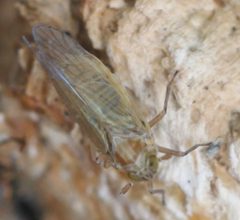
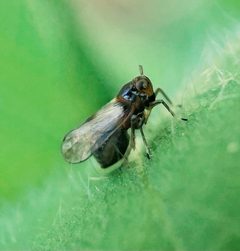
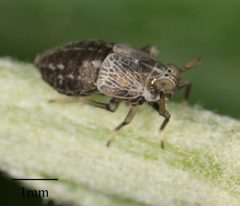
2Delphacinae is a of delphacid planthoppers (Hemiptera: Delphacidae) containing at least 1,700 described . Members are sap-feeding insects with . The subfamily includes economically significant agricultural pests, such as the (Nilaparvata lugens) and the taro planthopper (Tarophagus colocasiae). Species are organized into multiple tribes, including Delphacini, Saccharosydnini, and Tropidocephalini.
Pronunciation
How to pronounce Delphacinae: //dɛlˈfæsɪni//
These audio files are automatically generated. While they are not always 100% accurate, they are a good starting point.
Identification
Delphacinae planthoppers are distinguished from other delphacid by a movable spur on the hind tibia, a characteristic feature of the Delphacidae. Within the subfamily, tribal and generic distinctions rely on genital , wing venation patterns, and shape. -level identification typically requires examination of male genitalia structures.
Images
Habitat
Associated with herbaceous vegetation, particularly grasses and sedges; many are specialized to wetland or agricultural environments. Some species inhabit nursery and landscape plant settings.
Distribution
distribution with highest diversity in tropical and subtropical regions. Native range includes Southeast Asia, Indonesia, Pacific islands, and broader global distribution. Some have been introduced to new regions, including the continental United States.
Diet
Phloem or xylem sap feeding using . Some are specialized to particular plants.
Ecological Role
Herbivores that can function as agricultural pests affecting crop plants and ornamental vegetation. Some may impact aesthetic value and saleability of nursery plants.
Human Relevance
Includes significant agricultural pests. The (Nilaparvata lugens) is a major pest of rice causing substantial yield losses globally. The taro planthopper (Tarophagus colocasiae) affects taro and was first detected in Florida in 2015, representing a potential threat to nursery and landscape industries.
Similar Taxa
- AsiracinaeAnother within Delphacidae; distinguished by differences in genital and wing structure, though identification requires expert examination
- KelisiinaeDelphacid with different associations and morphological features in male genitalia
More Details
Tribal classification
Delphacinae includes at least three recognized tribes: Delphacini (Leach, 1815), Saccharosydnini (Vilbaste, 1968), and Tropidocephalini (Muir, 1915). Notable include Nilaparvata, Sogatella, and Saccharosydne.
Sources and further reading
- BugGuide
- Wikipedia
- iNaturalist taxon
- NCBI Taxonomy
- Catalogue of Life
- Taro Planthopper Tarophagus colocasiae (Matsumura) (Insecta: Hemiptera: Delphacidae: Delphacinae)
- First record of Epeurysadistincta Huang & Ding (Hemiptera, Delphacidae, Delphacinae) from South Korea, with an illustrated key to the Korean Tropidocephalini species.