
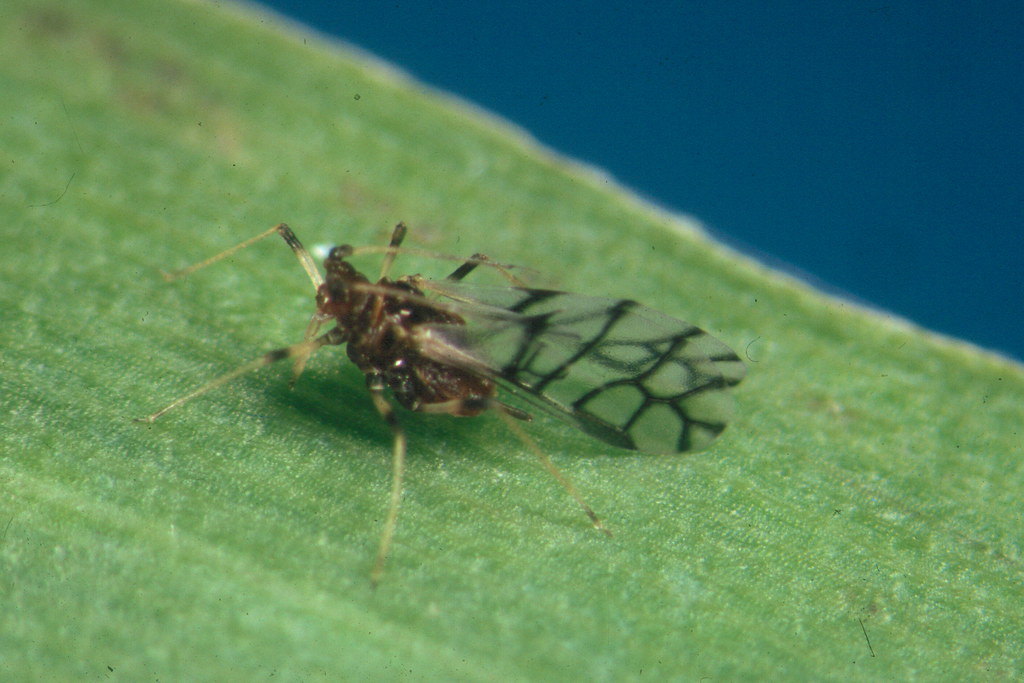
People usually talk about aphids like they are already explained. Tiny green bugs. Bad for the roses. Spray them, squish them, move on. That is not wrong. It is just a very small version of the story.
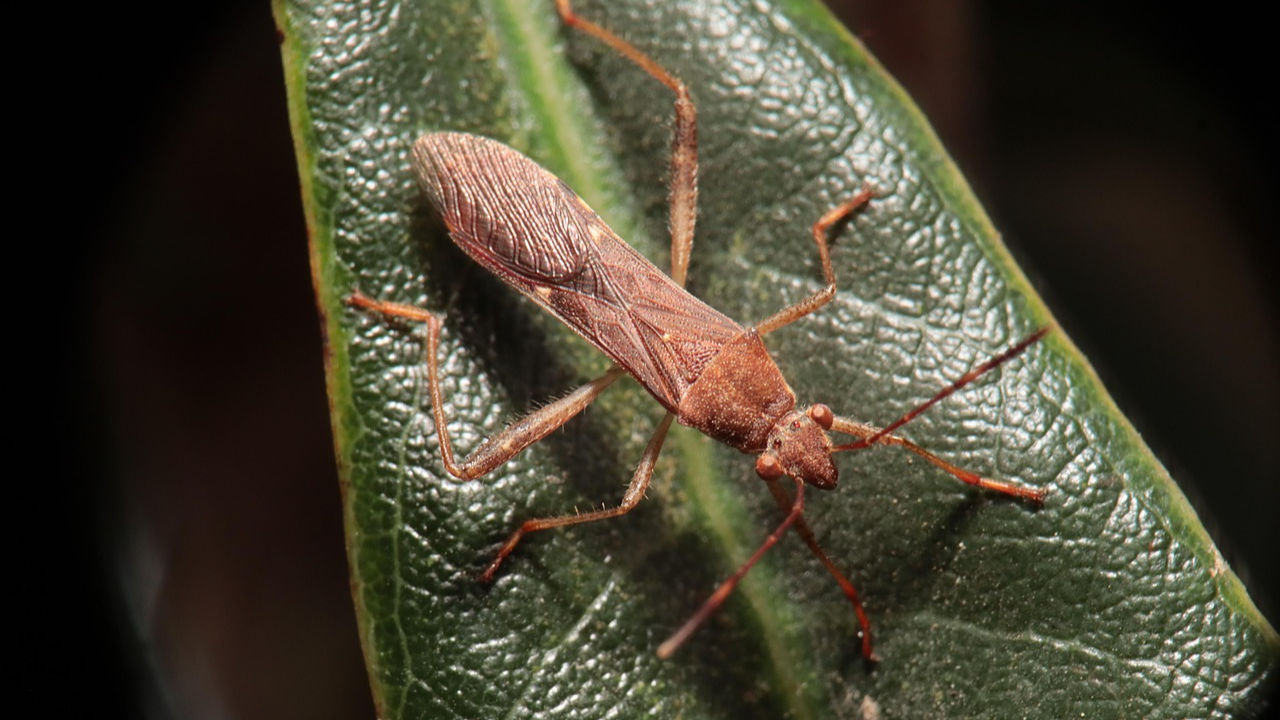
Cuerna n-sp-ok-i is an undescribed species of sharpshooter leafhopper in the tribe Proconiini, known from Oklahoma. The genus Cuerna includes medium-sized leafhoppers that are part of the diverse egg parasitoid research conducted by Dr. S.V. Triapitsyn and colleagues. Species in this genus are associated with egg parasitoids in the families Mymaridae and Trichogrammatidae, which have been studied extensively for biological control applications. The 'n-sp-ok-i' designation indicates this is a new species awaiting formal description, with the suffix denoting its Oklahoma origin.
Cuerna occidentalis is a species of sharpshooter leafhopper in the family Cicadellidae, tribe Proconiini. The species was described by Oman and Beamer in 1944. As a member of the Cuerna genus, it is part of a group of leafhoppers known for their association with woody host plants and their role as vectors of plant pathogens. The species has been documented in California, USA.
Striped Leafhopper
Cuerna striata, commonly known as the Striped Leafhopper, is a species of leafhopper in the family Cicadellidae. It is a member of the tribe Proconiini, which includes many economically significant agricultural pests. The species has been documented across western and central North America, with records from Alaska, Alberta, British Columbia, Colorado, and Illinois. It is a true bug (Hemiptera) that feeds on plant sap using piercing-sucking mouthparts.
Cuerna undescribed-sp-tx-i is an undescribed species of sharpshooter leafhopper in the genus Cuerna, known from Texas. The genus Cuerna belongs to the tribe Cicadellini and includes several described species characterized by bold color patterns and association with woody host plants. This particular taxon represents a distinct morphotype or lineage that has been documented but not yet formally described in the scientific literature.
Cumora furcata is a species of leafhopper in the family Cicadellidae, described by Caldwell in 1952. It belongs to the genus Cumora, which is part of the diverse leafhopper fauna of the Western Hemisphere. The species is known from limited distributional records in Brazil. As with many Cicadellidae, it likely feeds on plant sap using piercing-sucking mouthparts, though specific host associations remain undocumented in available sources.
Curalium is a genus of true bugs (Hemiptera: Heteroptera) established in 2008 as the sole member of the family Curaliidae. The genus contains a single described species, Curalium cronini, known only from male specimens collected in the southeastern United States. Its distinctive physical and genetic characteristics warranted placement in a new family, representing a rare example of a higher-level taxonomic discovery in the 21st century.
Ringspot Leafhopper
Curtara insularis is a leafhopper species in the family Cicadellidae, commonly known as the Ringspot Leafhopper. The species is characterized by brochosomes—nanoparticle coatings that produce superhydrophobic and anti-reflective properties on its exoskeleton and wings. Brochosomes in this species appear smoother and more circular compared to the more angular forms found in related genera such as Gyponana. The species has been documented across multiple localities in North and South America.
Cydamus abditus is a species of broad-headed bug in the family Alydidae, described by Van Duzee in 1925. It belongs to the subfamily Micrelytrinae and tribe Micrelytrini. The species is known from Arizona in the southwestern United States, with limited published information available regarding its biology and ecology. As with other members of the genus Cydamus, it is likely associated with herbaceous vegetation in arid and semi-arid habitats.
Cydamus borealis is a species of broad-headed bug in the family Alydidae, described by Distant in 1881. It belongs to the subfamily Micrelytrinae and tribe Micrelytrini. The species has been recorded from Central America and North America, with specific distribution records from Guatemala and Texas.
burrower bugs, burrowing bugs
Cydninae is the largest and most diverse subfamily of burrower bugs (family Cydnidae), comprising approximately 11 genera and at least 40 described species worldwide. Members are characterized by their subterranean lifestyle and burrowing adaptations. The subfamily includes two recognized tribes, Cydnini and Geotomini. Several species are considered agricultural pests due to their feeding habits on crop plants and seeds.
Cydnini is a tribe of burrowing bugs within the subfamily Cydninae (family Cydnidae). Members are small to medium-sized true bugs adapted for fossorial life, with fossorial legs modified for digging. The tribe contains multiple genera and is distinguished from related tribes by genitalic and leg structure. These insects are primarily soil-dwelling and often associated with plant roots.
ebony bugs
Cydnoides is a genus of small, dark-colored true bugs in the family Thyreocoridae, commonly known as ebony bugs. The genus contains five described species distributed in North America. These insects are characterized by their compact, oval body shape and predominantly black or dark coloration. The genus was established by Malloch in 1919.
ebony bug
Cydnoides renormatus is a species of ebony bug in the family Thyreocoridae, first described by Uhler in 1895. It belongs to a group of small, dark-colored true bugs commonly associated with ground-level habitats. The species is documented in North America, though detailed biological studies remain limited.
Black burrowing bug
Cydnus aterrimus is a species of burrowing bug in the family Cydnidae, commonly known as the Black burrowing bug. The species has a notably broad geographic distribution spanning multiple continents including the Caribbean, Europe, Northern Asia (excluding China), North America, and Southern Asia. As a member of the burrowing bug family, it is adapted for fossorial (burrowing) habits, though specific ecological details remain poorly documented in available literature.
slender-horned plant bug
Cylapus tenuicornis is a species of plant bug in the family Miridae, subfamily Cylapinae. It is found in North America, with documented occurrences in Indiana, West Virginia, and Wisconsin. The species is one of approximately 311 observations recorded on iNaturalist. As a member of the Cylapinae, it belongs to a group of mirid bugs often associated with fungal-feeding habits, though species-specific ecological data remain limited.
Cymatiainae is a subfamily of water boatmen within the family Corixidae. Members are aquatic insects adapted to freshwater habitats. The subfamily is distinguished by morphological features of the genitalia and wing venation. Cymatiainae represents one of several lineages within the diverse Corixidae family.
Cymidae is a family of true bugs within the infraorder Pentatomomorpha. The family comprises approximately 60 described species distributed across 12 genera, organized into two subfamilies: Cyminae and Ontiscinae. Members are classified within the superfamily Lygaeoidea. The family includes two fossil genera: †Cephalocoris and †Procymus.
Cymodema is a genus of true bugs in the family Cymidae, established by Spinola in 1837. The genus contains seven described species distributed across multiple continents. Members of this genus belong to the infraorder Pentatomomorpha, placing them among the seed bugs and related groups. The genus has been documented in iNaturalist with 56 observations, indicating it is encountered with moderate frequency by naturalists.
Cymoninus is a genus of true bugs in the family Ninidae, established by Breddin in 1907. The genus comprises at least four described species distributed across tropical and subtropical regions. Members of this genus are small, seed-feeding heteropterans within the superfamily Lygaeoidea. The family Ninidae is relatively poorly studied compared to other lygaeoid families.
Cymus is a genus of true bugs in the family Cymidae, established by Hahn in 1833. The genus contains at least 40 described species. Cymus has been historically classified within Lygaeidae by some sources, though modern treatments place it in Cymidae. Species in this genus are found in parts of Europe, including Norway and Sweden.
Cymus bellus is a species of true bug in the family Cymidae, first described by Van Duzee in 1909. It belongs to the suborder Heteroptera within the order Hemiptera. The species is known from the United States based on historical collection records.
Cymus calif-sp-one is a species of true bug in the family Cymidae. Cymidae are small, seed-feeding bugs commonly found in moist habitats near water. Members of the genus Cymus are typically associated with wetland environments and feed on seeds of grasses and sedges. This species appears to be an undescribed or provisionally named taxon from California.
Cymus cf. californicus is a species of true bug in the family Cymidae, a group commonly known as seed bugs. The 'cf.' designation indicates a tentative identification based on morphological similarity to the described species C. californicus, pending definitive confirmation. Members of this genus are typically associated with wetland and riparian habitats. This species appears to be restricted to western North America.
Cymus discors is a species of true bug in the family Cymidae, first described by Horváth in 1908. The species is known to occur in North America, with documented records from the United States. It belongs to a family of small, seed-feeding bugs commonly associated with grasses and sedges.
Cymus nigrofemoralis is a species of seed bug in the family Cymidae, described by Hamid in 1975. It is one of approximately 30 species in the genus Cymus, which are small, delicate true bugs associated with moist habitats. The species is known from the United States, though detailed biological information remains limited. Cymids are generally found in damp environments where they feed on seeds and plant material.
Elegant Coastal Stink Bug
Cyptocephala elegans is a species of shield bug in the family Pentatomidae, tribe Pentatomini. It is known from North America. The species is commonly referred to as the Elegant Coastal Stink Bug. Information on its biology and ecology remains limited.
Cyrpoptus metcalfi is a species of planthopper in the family Fulgoridae, described by Ball in 1933. It belongs to the subfamily Lystrinae and tribe Poiocerini. The species is known from the southwestern United States and northwestern Mexico. It is one of several species in the genus Cyrpoptus, which are characterized by their distinctive body shape and often enlarged head processes.
Cyrtolobus n-sp-fl is an undescribed species of treehopper in the tribe Smiliini, collected from Florida. The genus Cyrtolobus is part of the diverse Nearctic fauna of treehoppers, characterized by pronounced pronotal modifications. Like other members of Membracidae, this species possesses the enlarged and often elaborately shaped pronotum that extends over the thorax. The specific epithet 'n-sp-fl' indicates it is a new species from Florida awaiting formal description.
Cyrtolobus gloveri is a Nearctic treehopper species in the family Membracidae, described by Goding in 1893. It belongs to the tribe Smiliini, a group of treehoppers characterized by pronotal modifications and primarily distributed in eastern and central North America. The species is part of the genus Cyrtolobus, which contains approximately 15 described species in the United States and Canada.
Cyrtolobus pallidifrontis is a Nearctic treehopper species in the tribe Smiliini, characterized by its expanded pronotum typical of the family Membracidae. The specific epithet 'pallidifrontis' refers to the pale or light-colored front of the head. Like other members of its genus, it exhibits the pronounced pronotal modifications that distinguish treehoppers from their close relatives, the leafhoppers. The species has been documented from multiple eastern and central U.S. states.
Cyrtomenus ciliatus is a species of burrowing bug in the family Cydnidae, native to North America. Like other members of this family, it is adapted for a fossorial lifestyle, living and feeding underground. The species was first described by Palisot in 1818.
burrowing bug
Cyrtomenus crassus is a species of burrowing bug in the family Cydnidae, first described by Walker in 1867. As a member of the burrowing bug family, it is adapted to fossorial life in soil and associated substrates. The species has a broad geographic distribution spanning the Caribbean, Central America, and North America.
Cyrtopeltocoris is a genus of plant bugs in the family Miridae, established by Reuter in 1876. The genus contains 11 described species, primarily distributed in North America with one species (C. cubanus) known from Cuba. Most species were described by H. H. Knight during the mid-20th century, with several species named after southwestern U.S. localities (Ajo, Arizona, Huachuca) and Oklahoma. The genus belongs to the diverse mirid subfamily Cimicomorpha.
Cyrtopeltocoris albofasciatus is a species of plant bug in the family Miridae, a diverse group of true bugs commonly known as capsid bugs or mirid bugs. The species was described by Reuter in 1876 and is distributed across parts of western and southwestern North America. Like other members of Miridae, it possesses piercing-sucking mouthparts adapted for feeding on plant fluids. The specific epithet "albofasciatus" (white-banded) suggests a distinctive pale banding pattern on the body.
A species of plant bug in the family Miridae, described by Knight in 1968. The specific epithet 'huachucae' references the Huachuca Mountains of southeastern Arizona, indicating a strong association with this sky island mountain range. Like other members of the genus Cyrtopeltocoris, it is presumably associated with vegetation in arid and semi-arid habitats, though specific biological details remain poorly documented in published literature.
Dacerla mediospinosa is a species of plant bug in the family Miridae, described by Victor Signoret in 1881. It belongs to the large and diverse family of true bugs commonly known as plant bugs or leaf bugs. The species is known from California, USA. As with many Miridae species, detailed biological information remains limited in published literature.
American cochineal bug
A scale insect in the family Dactylopiidae, commonly known as the American cochineal bug. The species has been studied for its hemolymph lipoproteins, which share functional similarities with insect lipophorins. It is one of several cochineal species historically exploited for carmine dye production.
Dagbertus fasciatus is a species of plant bug in the family Miridae. It has been documented in the southeastern United States, with records from Georgia, Louisiana, Mississippi, and South Carolina. As a member of the Miridae, it possesses piercing-sucking mouthparts typical of true bugs. Beyond basic taxonomic placement and geographic distribution, specific biological details remain poorly documented in available sources.
Daleapidea albescens is a species of plant bug in the family Miridae, first described by Van Duzee in 1918. It is a small, poorly known hemipteran with a restricted distribution in the southwestern United States and northwestern Mexico. The species belongs to a genus with few described members, and like other mirids, it likely feeds on plant sap using piercing-sucking mouthparts. Available records suggest it inhabits arid and semi-arid regions of the Mojave and Sonoran deserts.
burrowing bugs
Dallasiellus is a genus of burrowing bugs (family Cydnidae) containing approximately 18 described species. These insects are characterized by their fossorial (burrowing) habits and are classified within the true bugs (Hemiptera). The genus was established by Berg in 1901. Members of this genus are part of the diverse Cydnidae family, which is known for species that live in soil and often feed on plant roots.
Dallasiellus californicus is a burrowing bug species in the family Cydnidae, first described by Blatchley in 1929. It is distributed across North America and Middle America. The genus Dallasiellus belongs to the burrowing bug family Cydnidae, a group of true bugs adapted for digging in soil and associated with plant roots.
Dallasiellus lugubris is a species of burrowing bug in the family Cydnidae, first described by Stål in 1860. As a member of this family, it possesses the characteristic adaptations for fossorial (burrowing) life that distinguish cydnids from other true bugs. The species has a broad geographic distribution spanning the Caribbean, Central America, North America, and South America, with records from multiple Brazilian states including Espírito Santo, Minas Gerais, Mato Grosso, Pará, Rio de Janeiro, Rondônia, Rio Grande do Sul, and São Paulo.
Dallasiellus vanduzeei is a species of burrowing bug in the family Cydnidae, first described by Froeschner in 1960. The genus Dallasiellus is part of the diverse burrowing bug assemblage, characterized by their fossorial (digging) habits and association with soil and root habitats. As a member of the Cydnidae, this species likely exhibits the family's typical morphology with a compact, somewhat flattened body form adapted for subterranean life.
Danepteryx is a genus of planthoppers in the family Tropiduchidae, established by Uhler in 1889. The genus contains approximately six described species distributed in North America. These insects belong to the subfamily Elicinae and tribe Elicini within the diverse tropiduchid lineage of fulgoroid planthoppers.
Danepteryx robusta is a species of planthopper in the family Tropiduchidae, described by Doering in 1940. It belongs to the order Hemiptera, characterized by piercing-sucking mouthparts typical of true bugs. The species is known from North America, with specific records from California. As a member of the tropiduchid planthoppers, it shares the family's general morphology including a compact body form and wings held roof-like over the abdomen.
Darmistus is a genus of broad-headed bugs in the family Alydidae, established by Stål in 1860. The genus contains at least three described species: D. crassicornis, D. duncani, and D. subvittatus. As members of the Alydidae, these insects are characterized by their distinctive head shape and are part of the diverse true bug fauna of the Americas.
Darninae is a subfamily of treehoppers (family Membracidae) comprising approximately 30 genera arranged in five tribes: Cymbomorphini, Darnini, Hemikypthini, Hyphinoini, and Procyrtini. The subfamily is predominantly Neotropical in distribution and is characterized by diverse pronotal modifications. Members are phytophagous, with some species documented feeding on Asteraceae and Solanaceae. The subfamily Darninae represents one of several major lineages within Membracidae that diversified during the Tertiary period following the isolation of South America.
Darnini is a tribe of treehoppers (family Membracidae) characterized by pronounced pronotal modifications that produce bizarre, often grotesque body shapes. The tribe is largely Neotropical in distribution and includes genera such as Stictopelta, Cyphotes, and Hypheodana. Members of this tribe exhibit the exaggerated morphological specializations typical of many membracids, with pronotal extensions that may function in crypsis, ant mimicry, or pheromone dispersal.
Davisonia is a genus of leafhoppers in the family Cicadellidae, subfamily Deltocephalinae, and tribe Macrostelini. It was described by Dorst in 1937. The genus belongs to the diverse group of true bugs (Hemiptera) characterized by piercing-sucking mouthparts. As a member of Macrostelini, it is part of a tribe known for species with relatively slender body forms and association with various host plants.
Decua cucurbita is a species of leafhopper in the family Cicadellidae, first described by Ball in 1936. It belongs to the tribe Cicadellini within the subfamily Cicadellinae. Distribution records indicate this species occurs in the southwestern United States, specifically in Arizona and New Mexico. As a member of the Auchenorrhyncha, it possesses piercing-sucking mouthparts typical of this suborder.