
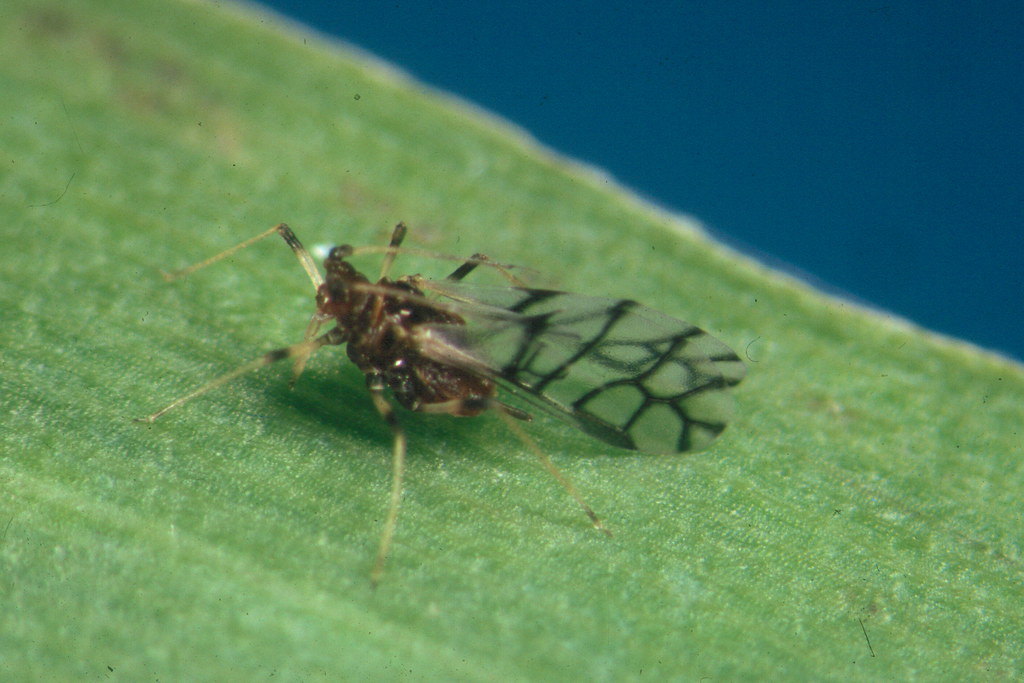
People usually talk about aphids like they are already explained. Tiny green bugs. Bad for the roses. Spray them, squish them, move on. That is not wrong. It is just a very small version of the story.
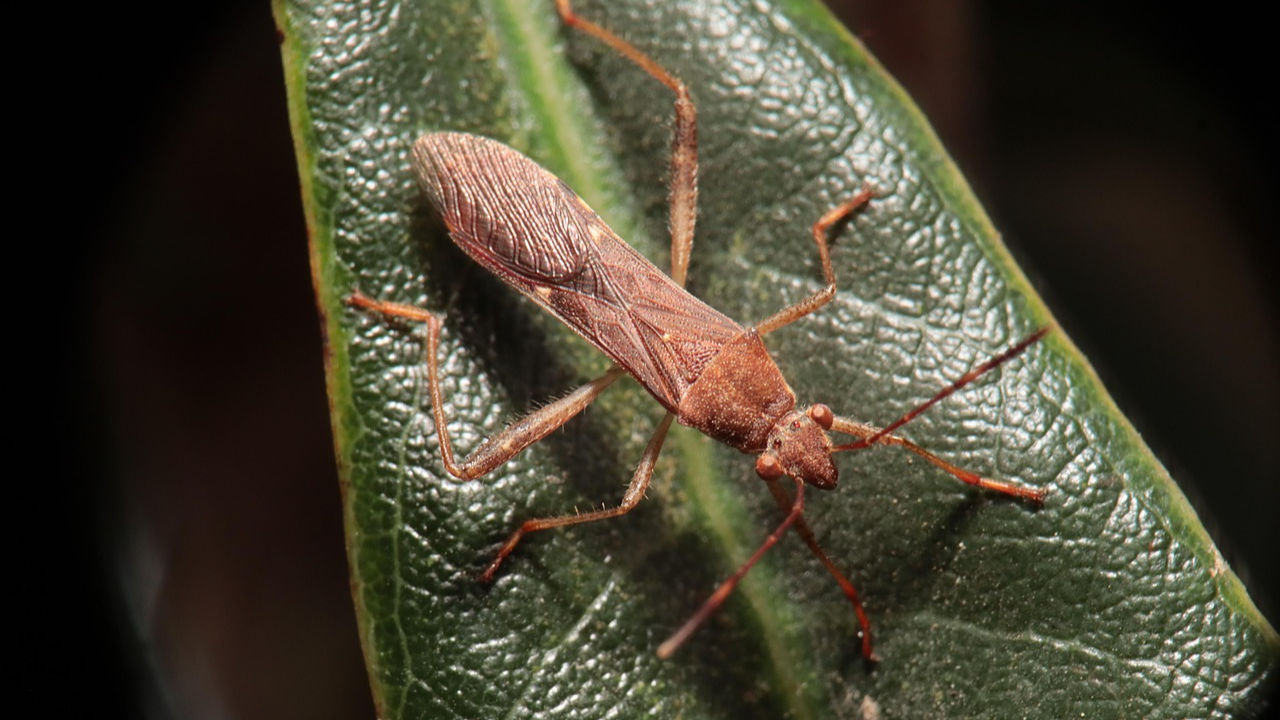
Coquillettia venusta is a species of plant bug in the family Miridae, first described by Wyniger in 2012. It belongs to a genus of mirid bugs distributed in western North America. Like other members of Miridae, it possesses piercing-sucking mouthparts characteristic of true bugs. The species epithet 'venusta' suggests an attractive or elegant appearance.
Leaf-footed Bugs, Squash Bugs, Twig-wilters, Tip-wilters
Coreidae is a large family of predominantly phytophagous sap-sucking insects within the suborder Heteroptera, comprising over 1,900 species in more than 270 genera. Members are commonly known as leaf-footed bugs due to the characteristic leaf-like expansions on the hind tibiae of many species. The family is cosmopolitan but most diverse in tropical and subtropical regions. Several species are significant agricultural pests, including Anasa tristis (squash bug) and Leptoglossus species that damage corn, citrus, and other crops. The family exhibits notable morphological diversity, with body lengths ranging from 7 to 45 mm and variable body shapes from broadly oval to elongated and slender.
leaf-footed bugs
Coreini is a tribe of leaf-footed bugs in the family Coreidae, subfamily Coreinae. The tribe contains at least 20 genera and approximately 70 described species. Members are true bugs (Hemiptera) characterized by the expanded, leaf-like hind tibiae typical of Coreidae. Coreini represents one of the major lineages within the Coreinae, though specific diagnostic features distinguishing it from related tribes require detailed morphological examination.
Little Ebony Bug, black bug
Corimelaena pulicaria is a small true bug in the family Thyreocoridae, commonly known as the Little Ebony Bug or black bug. It is distributed across Central America and North America. The species belongs to a family whose members are often called ebony bugs due to their dark coloration.
Coriomeris is a genus of leaf-footed bugs in the family Coreidae, established by Westwood in 1842. The genus comprises approximately 19 described species distributed across parts of Europe, North Africa, the Caucasus, and western Asia. Members of this genus are characterized by their association with the leaf-footed bug morphology typical of Coreidae.
Water Boatmen, Lesser Water Boatmen
Corixidae is a family of aquatic true bugs in the order Hemiptera, commonly known as water boatmen or lesser water boatmen. The family comprises approximately 500 species across 33-55 genera distributed worldwide in freshwater habitats, with a few species inhabiting saline waters. Members are distinguished from similar aquatic bugs by their right-side-up swimming posture, flattened body shape, and modified front legs adapted for feeding. The family exhibits diverse feeding strategies including herbivory, carnivory, detritivory, and omnivory.
jumping soil bugs
Corixidea is a genus of small true bugs in the family Schizopteridae, commonly referred to as jumping soil bugs. The genus was established by Reuter in 1891 and contains at least three described species: C. crassa, C. lunigera, and C. major. These insects belong to the infraorder Dipsocoromorpha, a group of minute predatory or cryptozoic bugs associated with soil and leaf litter habitats. The genus is characterized by adaptations for jumping locomotion, though specific morphological details remain poorly documented in accessible literature.
jumping soil bug
Corixidea major is a species of jumping soil bug in the family Schizopteridae, first described by McAtee and Malloch in 1925. It belongs to the infraorder Dipsocoromorpha, a group of small predatory true bugs. The species is known from North America. Like other schizopterids, it is associated with soil and leaf litter habitats.
water boatman
Corixinae is a subfamily of aquatic true bugs comprising at least 130 described species. Members are commonly known as water boatmen and are found in freshwater habitats worldwide. The subfamily includes the genera Corixa and Sigara, among others. Larvae develop through five instars, with distinct morphometric and chaetotaxy characteristics separating developmental stages.
water boatmen, pygmy water boatmen
Corixoidea is a superfamily of aquatic true bugs (Nepomorpha) containing two families: Corixidae (water boatmen) and Micronectidae (pygmy water boatmen). Members are exclusively aquatic, inhabiting ponds, slow-moving streams, and other freshwater bodies. The superfamily is distinguished by adaptations for underwater life including modified antennae with mechanoreceptive and chemoreceptive sensilla, and diverse feeding strategies ranging from detritivory to predation. Corixidae is the larger family with approximately 500 species worldwide, while Micronectidae contains smaller-bodied species with distinct antennal morphology supporting its family-level recognition.
Corticoris pulchellus is a species of plant bug in the family Miridae, order Hemiptera. This small true bug is known from scattered records across the eastern United States. The specific epithet "pulchellus" (Latin for "little beautiful") suggests distinctive coloration or patterning, though detailed descriptions of its appearance remain limited in available sources.
Corythaica carinata is a species of lace bug in the family Tingidae. It is distributed across the Caribbean Sea, Central America, and North America. Like other members of the genus Corythaica, it is likely associated with solanaceous plants, though specific host records for this species are not well documented. The species was described by Uhler in 1886.
Corythaica venusta is a lace bug in the family Tingidae, first described by Champion in 1898. It is one of multiple species in the genus Corythaica, which are predominantly specialist feeders on Solanaceae. The species is native to the Neotropics and has been recorded as a pest on solanaceous crops. Like other tingids, it exhibits characteristic lace-like reticulated forewings and often forms aggregations on host plants.
lace bugs
Corythucha is a large genus of lace bugs (family Tingidae) comprising approximately 75 described species, primarily distributed in the northern hemisphere including North America, Europe, and eastern Asia. Members of this genus are small, sap-sucking true bugs characterized by their distinctive reticulated, lace-like forewings and pronotal expansions. Several species are economically significant pests of ornamental and crop plants, including the sycamore lace bug (C. ciliata), oak lace bug (C. arcuata), cotton or bean lace bug (C. gossypii), and chrysanthemum lace bug (C. marmorata). Some species exhibit notable behavioral traits such as maternal care (C. hewitti). The genus has been subject to extensive invasion biology research due to the rapid spread of several species through human-mediated transport and natural dispersal.
Corythucha cerasi is a species of lace bug in the family Tingidae, described by Drake in 1948. It is found in North America. Like other lace bugs, it is a small sap-sucking insect characterized by its distinctive reticulated wing covers. The specific epithet 'cerasi' suggests an association with cherry (Prunus cerasus), though this host relationship has not been explicitly documented in available sources.
sycamore lace bug, Western Sycamore Lace Bug
Corythucha confraterna, commonly known as the sycamore lace bug, is a species of lace bug in the family Tingidae. It is found in Central America and North America. The species is active from spring to autumn, feeding on plant sap and causing leaf stippling, wilting, and premature leaf drop. It has been observed feeding on sycamore, ash, hickory, and mulberry trees. During winter, adults shelter in protected locations near their food sources.
Corythucha distincta is a species of lace bug in the family Tingidae, first described by Osborn and Drake in 1916. The species is known from North America with records spanning much of the United States and Canada. Like other lace bugs in the genus Corythucha, it possesses the characteristic reticulated, lace-like forewings that give the family its common name. Two subspecies are recognized: Corythucha distincta distincta and Corythucha distincta spinata.
willow lace bug
Corythucha elegans, commonly known as the willow lace bug, is a small true bug in the family Tingidae. The species is specialized on willows (Salix spp.) as host plants and occurs across North America. Like other lace bugs, it possesses distinctive flattened, reticulated forewings that give it a delicate, lace-like appearance. The species was described by Carl J. Drake in 1918.
alder lace bug
Corythucha heidemanni, commonly known as the alder lace bug, is a species of lace bug in the family Tingidae. It is native to North America and has been documented across Canada and the United States. Like other lace bugs, it is a small, sap-sucking true bug with distinctive lacy wings. The species is associated with alder trees (Alnus spp.), though specific ecological details remain limited in published literature.
Walnut Lace Bug
Corythucha juglandis, the walnut lace bug, is a univoltine or bivoltine lace bug (Hemiptera: Tingidae) native to North America and specialized on walnut (Juglans) host plants. Adults overwinter in leaf litter and become active in April or May, synchronizing with host leaf phenology. The species aggregates on the undersides of leaflets for feeding and reproduction. Both adults and nymphs are gregarious. It has been studied in Ontario, Québec, Canada, and southern Illinois, USA, with some geographic variation in voltinism reported.
Corythucha melissae is a species of lace bug in the family Tingidae, described by Froeschner & Torres Miller in 2002. It is found in North America. Like other lace bugs in the genus Corythucha, it is likely a specialist feeder on particular host plants, though specific host associations for this species have not been documented in the available sources.
Corythucha mollicula is a species of lace bug in the family Tingidae. It is a small, sap-sucking true bug native to North America. Like other lace bugs in the genus Corythucha, it likely feeds on plant foliage and may be associated with specific host plants, though detailed host records for this particular species are limited in the available literature.
Corythucha obliqua is a species of lace bug in the family Tingidae, first described by Osborn and Drake in 1916. It belongs to a genus of small, plant-feeding true bugs characterized by their distinctive reticulated wing covers. The species is native to western North America. Like other lace bugs, it likely feeds on plant sap using piercing-sucking mouthparts, though specific host associations for this species remain poorly documented.
Birch Lace Bug
Corythucha pallipes, known as the birch lace bug, is a species of lace bug in the family Tingidae. It is found across North America. As a member of the lace bug family, it possesses the characteristic reticulated, lace-like wing covers that give these insects their common name. The species is associated with birch trees, though specific ecological details remain limited in available sources.
Alder Lace Bug
Corythucha pergandei, commonly known as the alder lace bug, is a species of true bug in the family Tingidae. It is native to and distributed throughout North America, with records from both Canada and the United States. Like other lace bugs, it is a sap-feeding insect that typically inhabits the undersides of leaves. The species is associated with alder (Alnus) as its primary host plant, from which it derives its common name. As with other members of the genus Corythucha, it likely causes characteristic white stippling damage on foliage through its piercing-sucking mouthparts.
prunus lace bug
Corythucha pruni is a North American species of lace bug in the family Tingidae. As a member of the genus Corythucha, it shares the characteristic reticulated, lace-like forewings that give these insects their common name. The species is associated with Prunus hosts, as indicated by its specific epithet. Like other lace bugs, it is a sap-feeding insect that uses piercing-sucking mouthparts to extract fluids from plant tissues.
Corythucha spinosa is a species of lace bug in the family Tingidae. It has been documented in the Caribbean, Central America, and North America. Like other lace bugs in the genus Corythucha, it likely exhibits the characteristic flattened body and reticulated wing covers that give these insects their common name. Specific details regarding its host plants and biology remain limited in the available literature.
Cosmopepla is a genus of stink bugs in the family Pentatomidae. The genus contains approximately ten described species, with Cosmopepla lintneriana designated as the type species. Species in this genus are found in North America and are characterized by distinctive color patterns, often featuring bold contrasting markings.
twice-marked stink bug
Cosmopepla binotata is a small stink bug in the family Pentatomidae, characterized by a distinctive color pattern with two dark spots on the pronotum. The species occurs in Central America and North America, where it inhabits vegetation and feeds on plant material. Like other pentatomids, it possesses scent glands for chemical defense.
Elegant Stink Bug
Cosmopepla decorata, commonly known as the Elegant Stink Bug, is a species of stink bug in the family Pentatomidae. The species was described by Hahn in 1834. It occurs across North America and Central America. As a member of the stink bug family, it possesses the characteristic scent glands that produce defensive compounds.
Narrowwinged Sand Grasshopper
Craspedolepta angustipennis is a psyllid species in the family Aphalaridae, first described by Crawford in 1911. The species was originally placed in the genus Aphalara before being transferred to Craspedolepta. It belongs to the Hemiptera order, commonly known as true bugs. The taxonomic history and current placement reflect ongoing revisions within the Psylloidea superfamily.
Craspedolepta furcata is a species of jumping plant louse (psyllid) in the family Aphalaridae, first described by Caldwell in 1936. As a member of the Psylloidea superfamily, it shares the characteristic piercing-sucking mouthparts and jumping ability typical of this group. The species is known from scattered distribution records across North America including Alberta, Arkansas, Alaska, British Columbia, and California. Like other psyllids, it likely develops on specific host plants, though detailed biological information remains limited.
Craspedolepta martini is a species of jumping plant louse (family Aphalaridae) described by Van Duzee in 1924. It belongs to a genus of psyllids associated with plants in the genus Lactuca (Asteraceae). Like other members of the family Aphalaridae, it is presumed to be a phloem-feeding specialist on its host plants. The species is known from western North America, with records from California.
Craspedolepta nebulosa is a species of psyllid (family Aphalaridae) in the order Hemiptera. It is a small sap-feeding insect with 34 documented observations on iNaturalist and distribution records from multiple sources. The species was first described by Zetterstedt in 1828. As a member of the psyllid group, it likely feeds on plant phloem and may be associated with specific host plants, though detailed biological information remains limited in available sources.
Creontiades rubrinervis is a plant bug species in the family Miridae, first described by Stål in 1862. It has a broad distribution across the Americas, with records from the United States through Central America to South America. The species is part of a genus whose members are generally associated with vegetation, though specific ecological details for this species remain limited.
Criomorphus inconspicuus is a species of delphacid planthopper in the family Delphacidae. It was described by Uhler in 1877. The species is found in North America, with distribution records from Alaska, Alberta, and parts of Russia (Amur, Buryat, Chuvash). As a member of the Delphacidae, it belongs to a family of planthoppers characterized by a distinctive spur on the hind tibia.
Bald Cypress Mealybug
Crisicoccus taxodii is a mealybug species in the family Pseudococcidae that feeds on bald cypress (Taxodium distichum). It is one of several mealybug species associated with conifers in this genus. The species was described by Kosztarab in 1996 and has been documented in the United States.
Crophius schwarzi is a species of true bug in the family Oxycarenidae, described by Van Duzee in 1910. It is found in North America, with records from the United States. The genus Crophius belongs to the lygaeoid family Oxycarenidae, a group of small heteropteran bugs. Very little specific information is available about the biology or ecology of this particular species.
Crumbana is a genus of leafhoppers in the family Cicadellidae, subfamily Deltocephalinae. The genus was established by Oman in 1949. It belongs to the tribe Deltocephalini, a diverse group within the leafhopper superfamily Membracoidea. Species-level information for this genus appears limited in public databases.
dirt-colored seed bugs
Cryphula is a genus of dirt-colored seed bugs (family Rhyparochromidae) comprising approximately 14 described species distributed in the Americas. The genus was established by Stål in 1874. Species in this genus have been documented in association with decomposing plant material, particularly dead Heliconia inflorescences and leaves.
dirt-colored seed bug
Cryphula nitens is a dirt-colored seed bug in the family Rhyparochromidae, first described by Barber in 1955. The species is found in North America, with records from the United States. Like other members of its family, it belongs to the true bugs (Hemiptera) and is characterized by the typical seed bug morphology. The specific epithet "nitens" suggests a shining or glossy appearance.
dirt-colored seed bug
Cryphula trimaculata is a species of true bug in the family Rhyparochromidae, commonly known as dirt-colored seed bugs. The species was described by Distant in 1882 and occurs in Central America and North America. Records indicate presence in the United States and Guatemala.
Townsend's giant scale bug
Crypticerya townsendi is a species of giant scale insect in the family Monophlebidae (sometimes historically placed in Margarodidae). It was originally described by Cockerell in 1899 and is currently considered a synonym of Steatococcus townsendi in some taxonomic treatments, though it remains listed under Crypticerya in other sources including iNaturalist and NCBI. The species is known from the United States and belongs to a group of large, often conspicuous scale insects commonly referred to as 'giant scale bugs.'
Cryptoneossa is a genus of psyllids (jumping plant lice) in the family Aphalaridae, established by Taylor in 1990. Psyllids in this family are small, phloem-feeding hemipterans that often exhibit high host plant specificity. The genus is part of the diverse Psylloidea superfamily, which contains numerous economically significant agricultural pests. Species within Cryptoneossa are associated with specific host plants, though detailed biological information remains limited for many taxa.
Rose Gum Psyllid
Ctenarytaina spatulata is a psyllid species in the family Aphalaridae, described by Taylor in 1997. It is associated with Eucalyptus hosts and has been introduced to multiple continents beyond its native Australian range. The species has established populations in Europe, North America, South America, and Oceania. It is one of numerous exotic insects linked to global forestry trade, particularly involving eucalyptus plantations.
Ctenotrachelus is a genus of assassin bugs in the family Reduviidae, established by Stål in 1868. The genus comprises more than 20 described species and is classified within the subfamily Stenopodainae. Members of this genus are predatory true bugs that share the general characteristics of reduviid assassin bugs, including raptorial forelegs adapted for capturing prey. The genus has been documented in the Americas, with specific collection records from Florida, USA.
Ctenotrachelus shermani is a species of assassin bug in the family Reduviidae, subfamily Stenopodainae. It is a predatory true bug found across a broad geographic range spanning the Caribbean, North America, and South America. The species was described by Barber in 1929. Observations suggest it is established and active in tropical and subtropical regions.
Cuerna balli is a species of leafhopper in the family Cicadellidae, described by Oman and Beamer in 1944. It belongs to the genus Cuerna, which is placed in the tribe Proconiini. The species has been documented in the southwestern United States, with records from Arizona, Nevada, and Utah. A comparative developmental biology study of Cuerna arida and C. balli was conducted in Arizona, though detailed biological information remains limited.
Cuerna curvata is a species of leafhopper in the family Cicadellidae, first described by Oman and Beamer in 1944. It belongs to the tribe Proconiini, a group of relatively large and often colorful leafhoppers. Records indicate this species occurs in the western United States, specifically California, Nevada, and Utah. As with most members of its genus, detailed ecological and behavioral information remains limited in published literature.
Cuerna emeljanovi is a species of leafhopper in the family Cicadellidae, tribe Proconiini, described in 2015. It belongs to the genus Cuerna, a group of relatively large, robust leafhoppers within the subfamily Cicadellinae. The species was described by Krishnankutty and Rakitov. Like other members of its tribe, it likely exhibits the characteristic enlarged hind femora adapted for jumping that define the family.