
Cydnoides
Malloch, 1919
ebony bugs
Species Guides
2- Cydnoides albipennis(black bug)
- Cydnoides renormatus(ebony bug)
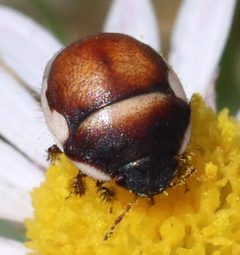
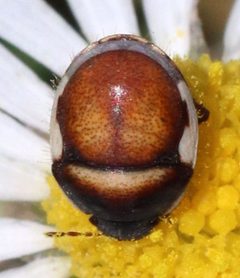
Cydnoides is a of small, dark-colored true bugs in the Thyreocoridae, commonly known as ebony bugs. The genus contains five described distributed in North America. These insects are characterized by their compact, oval body shape and predominantly black or dark coloration. The genus was established by Malloch in 1919.

Pronunciation
How to pronounce Cydnoides: //sɪdˈnɔɪdiːz//
These audio files are automatically generated. While they are not always 100% accurate, they are a good starting point.
Images
Distribution
North America. The five described —C. albipennis, C. ciliatus, C. confusus, C. obtusus, and C. renormatus—are documented from the United States based on historical collections.
Similar Taxa
- ThyreocorisAlso in Thyreocoridae; both share the compact, dark-bodied 'ebony bug' . Cydnoides can be distinguished by specific genitalic and structural characters used in Malloch's original description.
- CorimelaenaAnother of ebony bugs in Thyreocoridae with similar size and coloration. Cydnoides typically lacks the more pronounced lateral carinae on the pronotum seen in some Corimelaena .
More Details
Taxonomic history
Cydnoides was established by Malloch in 1919. The name superficially resembles 'Cydnus' (a genus in Cydnidae, the burrower bugs), but Cydnoides belongs to the distinct family Thyreocoridae. The epithet 'cydnoides' used in Talpoblissus cydnoides (Blissidae) refers to resemblance to Cydnus, not to the genus Cydnoides itself—this reflects convergent body forms among unrelated true lineages.
Collection records
As of the provided data, iNaturalist documents 72 observations for the , indicating limited but detectable presence in science datasets. Historical descriptions by Say (1859), Uhler (1863, 1894, 1895), and McAtee and Malloch (1933) suggest the genus has been recognized in North American faunal surveys for over 160 years.