
Errhomeninae
Fieber, 1872
Tribe Guides
1Errhomeninae is a of leafhoppers ( Cicadellidae) comprising three tribes: Errhomenini, Bathysmatophorini, and Malmaemichungiini. The subfamily contains approximately 20 , including both extant and extinct . in this group exhibit notable morphological variability, particularly in genital structures and coloration, with some taxa showing significant regional variation across their range.

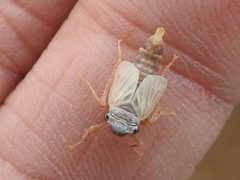
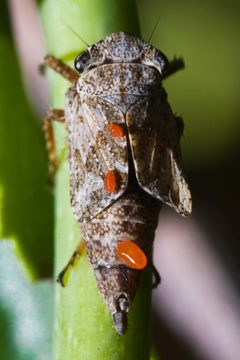
Pronunciation
How to pronounce Errhomeninae: //ˌɛr.hoʊˈmɛ.nɪ.naɪ//
These audio files are automatically generated. While they are not always 100% accurate, they are a good starting point.
Identification
Members of Errhomeninae can be distinguished from other Cicadellidae by specific genital morphological characters, particularly features of the and associated structures. The subfamily includes formerly classified in Aphrodinae, such as Anoscopus, which share certain genitalic characteristics with Errhomeninae. -level identification often requires examination of male genitalia due to high intraspecific variability in coloration and body size.
Images
Distribution
The has a broad distribution with regional concentrations. Bathysmatophorini occurs across the Holarctic region. Malmaemichungiini is recorded only from the Korean peninsula. European , particularly in the Anoscopus, show extensive distribution across Italy and adjacent regions including the Alpine areas, with extending into Central Europe.
Similar Taxa
- AphrodinaeHistorically confused with Errhomeninae; such as Anoscopus and Aphrodes were transferred between these based on revised interpretations of genital . Modern classification distinguishes them by specific aedeagal and pygofer characters.
More Details
Taxonomic history
The classification of Errhomeninae has undergone significant revision. The Anoscopus and related were transferred from Aphrodinae to Errhomeninae based on morphological evidence, particularly genitalic structure. The extinct genus †Ambericarda from Eocene Baltic amber and †Jantarivacanthus from Bitterfeld amber document the 's ancient history.
Morphological variability
Italian of Errhomeninae , particularly in Alpine regions, exhibit exceptionally high variability in coloration and body measurements. This has led to past taxonomic confusion and the description of numerous synonyms. Morphometric analysis of and body proportions is often necessary for reliable species identification.