
Galeatus
Curtis, 1833
Species Guides
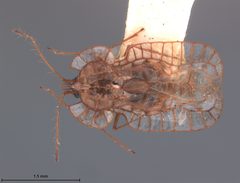
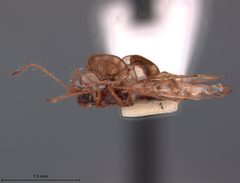
2Galeatus is a of lace bugs in the Tingidae, comprising approximately 18 described . These true bugs are characterized by their distinctive reticulated, lace-like forewings and flattened body form typical of the family. The genus was established by Curtis in 1833 and is classified within the infraorder Cimicomorpha. Species in this genus are found across parts of Europe and Asia based on available distribution records.

Pronunciation
How to pronounce Galeatus: //ɡaˈleɪ.ə.təs//
These audio files are automatically generated. While they are not always 100% accurate, they are a good starting point.
Identification
Distinguishing Galeatus from other Tingidae requires examination of pronotal and hemelytral reticulation patterns, paranotal expansion shape, and antennal segment proportions. The genus-level relies on characters of the pronotal hood and the structure of the areolae (the small forming the lace pattern). Specific identification criteria for Galeatus versus closely related genera such as Tingis or Cantacader are not provided in the available sources.
Images
Appearance
Members of Galeatus possess the diagnostic features of Tingidae: highly reticulated, lace-like forewings with an expanded pronotum and paranota that extend laterally, giving a flattened, shield-like appearance. The body is dorsoventrally compressed. Specific -level morphological characters are not documented in the available sources.
Distribution
Distribution records from GBIF indicate presence in Norway (NO) and Sweden (SE). The has broader representation across the Palearctic region based on taxonomic literature, though specific range boundaries are not documented in the provided sources.
Diet
Lace bugs in the Tingidae are phloem feeders that use to extract sap from plant vascular tissue. plant associations for Galeatus are not documented in the available sources.
Similar Taxa
More Details
Taxonomic history
The Galeatus was established by John Curtis in 1833. It has been maintained as a valid genus within Tingidae, though -level and phylogenetic relationships within the genus remain poorly documented in accessible literature.
Data gaps
Critical information including plant associations, reproductive , stages, and detailed requirements are not available for Galeatus in the provided sources. The 18 described lack comprehensive modern treatment.
Sources and further reading
- BugGuide
- Wikipedia
- GBIF taxonomy match
- iNaturalist taxon
- NCBI Taxonomy
- Catalogue of Life
- Gaps in the protection of Vietnam’s amphibians
- Figure 2: Frequency distribution and repeat composition of annotated clusters generated by similarity-based partitioning of in the lance nematode Hoplolaimus galeatus .
- Metazoan parasites of Hoplias aff. malabaricus, Trachelyopterus galeatus and Schizodon borellii (Osteichthyes) from the Protected Area and its main tributary, Brazil
- Phylogenetic relationships of the Helmeted Woodpecker ( Dryocopus galeatus ): A case of interspecific mimicry?