Pollinators
Guides
Milesiini
Xylotini
Milesiini is a large, diverse tribe of hoverflies (Diptera: Syrphidae) in the subfamily Eristalinae. Adults frequently exhibit mimicry of wasps or hornets. The tribe encompasses numerous genera including Milesia, Xylota, Syritta, Chalcosyrphus, Blera, and Criorhina. Many species are saproxylic, with larvae developing in decaying wood or under bark.
Nemognathinae
blister beetles
Nemognathinae is a subfamily of blister beetles (Meloidae) characterized by highly modified adult mouthparts, with elongated maxillae adapted for feeding on nectar from deep-corolla flowers. The subfamily contains approximately 8 genera and at least 80-120 described species globally, distributed across all continents except New Zealand, eastern Polynesian Islands, and Antarctica. Members exhibit diverse morphological adaptations including sexually dimorphic antennae in some taxa, abbreviated elytra, and reduced hind wings in certain genera. The subfamily is divided into five tribes: Nemognathini, Horiini, Cissitini, Leptopalpini, and Stenoriini.
Nomia
sweat bees, alkali bees
Nomia is a cosmopolitan genus of sweat bees in the family Halictidae, comprising approximately 130 species worldwide. These moderate-sized bees are characterized by opalescent bands on the metasoma in many species. They are ground-nesting bees, with most species nesting solitarily and some exhibiting communal nesting where females share a nest entrance but lack queen or worker castes. The genus includes the intensively managed alkali bee (N. melanderi), which is commercially used for alfalfa pollination in the western United States.
Osmiini
mason bees, leafcutter bees, resin bees
Osmiini is a tribe of solitary bees within the family Megachilidae, comprising approximately 19 genera and at least 1,000 described species. Members are commonly known as mason bees, leafcutter bees, and resin bees, reflecting their diverse nest construction behaviors. The tribe exhibits considerable diversity in nesting ecology, with species utilizing preexisting cavities in dead wood, hollow stems, rock crevices, empty snail shells, or excavated soil burrows. Nesting materials vary by lineage and include chewed leaves, mud, resin, and combinations with pebbles or sand grains. Pollen foraging strategies range from strict oligolecty on single plant genera or families to broad generalization across numerous plant families.
Palpada
Plushback Flies
Palpada is a genus of 85 species of flower flies (hoverflies) in the tribe Eristalini, distributed across the Neotropical and Nearctic regions. Adults are often colorful and bee-like in appearance. The genus is distinguished from related Eristalini genera by specific morphological characters including uniform eye pile, pale hairs on the meron, and distinctive wing venation. Larvae are aquatic 'rat-tailed' maggots with extensible breathing siphons that allow survival in low-oxygen environments.
Perditina
Fairy Bees, Goblin Bees, False Goblin Bees
Perditina is a subtribe of small bees within the family Andrenidae, commonly known as Fairy Bees, Goblin Bees, and False Goblin Bees. These bees are among the smallest bees in North America, with many species measuring only a few millimeters in length. The subtribe includes the genus *Perdita*, which is extraordinarily diverse with over 800 described species, many of which are specialized pollen collectors on specific host plants. Perditina bees are primarily solitary ground-nesters and are important pollinators, particularly in arid and semi-arid regions. Their minute size and often striking metallic coloration distinguish them from other bee groups.
Polistes
Umbrella Paper Wasps, Umbrella Wasps, Paper Wasps
Polistes is a cosmopolitan genus of social paper wasps and the sole genus in the tribe Polistini. With over 200 recognized species, it is the largest genus in the family Vespidae. These wasps construct distinctive open, single-layered umbrella-shaped nests from wood fibers mixed with saliva, typically suspended by a narrow stalk from protected surfaces. They exhibit complex social behavior including dominance hierarchies, kin recognition through learned chemical cues, and cooperative colony founding. While generally less aggressive than yellowjackets, they will defend nests when provoked.
Polistes dominula
European Paper Wasp
Polistes dominula is a highly successful invasive social wasp native to Eurasia that has established populations across North America, South America, New Zealand, South Africa, and other regions. First detected in North America near Boston in 1978, it has become one of the most abundant wasps on the continent. The species builds small, exposed paper nests in protected locations and preys primarily on live insects, particularly caterpillars. Unlike yellowjackets, it does not scavenge for meat or sugar. Its rapid spread has been attributed to ecological flexibility, superior competitive ability, and tolerance of human-altered environments.
invasive-speciessocial-wasppaper-wasppredatorpollinatorurban-ecologyeusocialnest-constructionbiological-controlthermal-biologyspatial-learningvibrational-communicationaposematismhonest-signaloverwinteringdiapausePolistesVespidaeHymenopteraNorth-AmericaEuropeNew-ZealandSouth-AfricaSouth-Americamonarch-butterflycaterpillar-predationnest-architecturegynefoundressdominance-hierarchyclimate-change-impactenergeticsmetabolic-ratemicroclimatesuburban-habitatanthropogenicornamental-pestvineyard-pestfruit-damagestinging-insectvenompoison-glandwarning-colorationZahavian-signalStrepsipteraparasitoidXenosbehavioral-plasticityforaginglearningmemorythermoregulationectothermyendothermysolar-radiationnest-temperaturebrood-developmentcolony-survivalmultiple-foundingsingle-foundingseason-lengthlatitudetemperateMediterraneanhibernacleoverwintering-costsclimate-warmingrange-expansioncompetitionnative-species-displacementbiodiversity-impactconservationmanagementcontrolintegrated-pest-managementIPMidentificationantennae-colorfacial-markingscastereproductionmalefemalesexual-dimorphismantennaeabdomenwingmandiblesalivapapercombcellpediceltrophallaxislarvapupaadultworkerqueensubordinatedominantaggressiondefensethreat-displaystingtoxicitybrightnesscolorationpredator-avoidancepreycaterpillarLepidopterabutterflymothgardenagriculturevineyardorchardurbansuburbanruralforesthabitat-preferencetemperaturemetabolismquiescencetorporsurvivalfitnesscolonynestpopulationabundancedistributionrangeexpansioninvasionestablishmentintroductionbiotic-interactiontrophic-cascadeherbivory-suppressionplant-fitnessmilkweedDanaus-plexippusmonarchNelsonTasmanecosystem-impactconservation-managementbiological-invasionecologybehaviorphysiologymorphologytaxonomysystematicsnomenclaturegender-agreementLatinChrist1791Vespa-dominulabasionymcatalogue-of-lifeGBIFiNaturalistobservationcitizen-sciencephotographyillustrationfield-guideorangeblackyellowredcolor-patternsizewing-lengthbodycompactlegsshortfacesquaretriangulardarkcurledstraightelbowedbluntpointedtipZahaviancostly-signalhuntforagenectarhoneydewaphidscale-insectflowergrapeumbelliferfennellovageinsectmeatballfeedemergechewcaphexagonalwood-fiberbarkexposedopenumbrellastalkantrepellentsubstancecoatprotectlocationeaveattictreebranchvineshrubcavitybird-boxbee-hiveshedgrave-lanternoverwintershelterprotectedthermalclimatecoldwinterspringsummerautumnfallseasonmonthdayactivitydefendthreatdisplayraisetiptoesocialdominancehierarchyreproductiveegglayfoundcooperatecompeteselfishpassive-aggressiveindividualrecognitionfacial-markingcognitionmushroom-bodybrainintelligentartistarchitectnavigationplasticityspatialrelocatingfoodresourcedishbaittrainingexperiencevibrationcommunicationsignalsubstrate-borneabdominalwaggingoscillationsecretionmodulationperceivereactmovementattentionfeedinginspectionbody-temperatureambientsolarradiationmetaboliccostenergeticexpenditureefficiencywarmingchangeimpactincreaseinvasivespreadsuccesscompetitiveabilityflexibilityadaptationreactionresponseconditionyearvariationproductivityfoundingsinglemultipleratebenefitcooperationpredationparasitismvesparumstylopidstylopizationparasitehostinfestationmiteAcariwaspflyeffectcommunitydeclineDanausplexippusmortalityinstarearlylatelargersmallervulnerableresistantdiscoverychancecontactdirectrecruitmentnestmatesitecascadingtrophiccascadeherbivorysuppressionplantgrowthproductionAsclepiasnetexclusionexperimentoutcomesuggestionstrongdetrimentalecosystemstrategymethoddevelopmentprotectionbiodiversityregionfirst2016recentestablishedexoticcongenerchinensislongercomparisonhigherlowergreatestareabuiltstructurenativeunsuccessfultranslocateunablethrivewarmerorigincontributorfactorresearchthesisinsightbehaviourknowledgedirectionaideffectivejournalpublicationDOI10.26686wgtn14538585v1UniversityWellingtonVictoriaMScstudentdissertationstudyinvestigationanalysisdatafieldresidentreportlocalindirectinteractionlevelfunctionserviceprovisionnaturalpestbiocontrolornamentaldecorativecropdamagefruitcherrywesternColoradoatleastripeningchoicepreferenceheightgroundstratamicrositeenvironmentclosedhabitatdensevegetationsurroundingbushPatagoniaArgentinaChileNWdetected2003sympatriccoexistenceoverlapminimalfacilitationbehavioralprocessinterspecificsemi-urbanpoorlystudiedspeciesHypodyneruslabiatusnewlightfindingcontributionunderstandingcollectinganthropizedhighlightimportanceconsiderationEthology10.1111eth13505abstractonlylimiteddetailfulltextrequiredcomprehensivesynthesisvibrationalwidespreadregulatecrucialconspicuousoscillatorywagstrictlyassociatedpresencesuggestedinvolvementadult-larvahypothesisshort-termtrophallacticexchangemodulatesalivarydecreaseamountpreparereceivestimulatereleaseelectro-magneticshakerassesstimerecordmeasureimmediatelyafterplaybackresultshowproducepossiblyorderattractduringneithernorsupportallegedrolelong-lastingExperimentalBiology10.1242jeb186247flexiblesystemexpandingNorthAmericacausestirfastuponexplanationpresentliteraturegoodinvadernorthernriselittleknownnestingCentralinvestigatebasicprincipleGermany49°grouponetofoursmallshorterthanothermeannewlyfounded83averagelength4.6prefer54%46%majorincreased47%single-foundresswhereas100%moretwohowevernonumbertermperobservewellthreeconsecutivegreatlydependingprecedingimplyremarkablyquicklyoutsiderapidcolderEcosphere10.1890es15-002541thermoregulatorypolistinedifferentcollectdemandbroodmainlyectothermictasklivingdifferingrevealenvironmentalinfluencewarmSoutherninfraredthermographyentireusually~20–40°CnearlylinearlythoraxwarmestpartachieveoptimalpreferablyusemodelenableevaluationendothermiceffortexhibitweakalmostconstantperformanceaboutcontrastmostlyminoravoidhighwayreduceInsects10.3390insects10070187traitstronglyComparativeB10.1007s00360-016-1041-xprovidedgallicusinsects14110849adverseweatherofferlowshelteredliveenergystoreItalyAustriadescribecalculateaccordingstandarddiffersignificantlybetween3.2±5.718.55.29variancecorrespondcloselymeteorologicalcumulativemass-specificoverperiodlowestcomparedbothacclimationcalculationup3duedramatic40%additionalexponentiallytemperature-dependentfluctuationdisproportionatelyJensen'sinequalitywoodenbirdboxemptybeehiveundergrapevinegravelanterncemeterybeginwhenexceed~18–20confidencenoteinformationinferredfromactivenotdiscussedthissourceassociationaddressedrelationshipinsects14110886thermophilicoriginatingbutnowwidelyquitesynanthropichumansettlementplacewithfavorabletypicalsidewasps'wide~20–37aboveairadvantageasacceleratespeeddidapproximately38.6managedbycoolingnear~1–2cmalwaysclearlyelevatedstationclimate-model-generatedmacroclimaterevealednecessitymeasuringforreliabledescriptioninsects'brighter-coloredpoisonglandFrontiersZoology10.11861742-9994-9-20aposmatismagainstconsistingwarningusingtoxincostlyphysicalcouldsimultaneouslyabundantstrikingsuchcaseindicateanimaltoxicalsowouldensurehonestlyexaminepositivecorrelationexistscollected30photographedthemvolumewidthremainedevencontrollingsuggestpatterntruesignpoisonoustheyhavetheoreticalpredictingindicatesquantitativewithinactingmetabolicallythereforelimitationfirst-yearSpainexactageunknownethanolpreservationmayalterapplieduniformlypseudoreplicationintraspecificsupportedwhilesuccessfullyworldwiderevisitingpreviouslygatheredflightmanipulationperformedtargetseveralvisitadditionallyanalysedealingpositionwhetherchoosevisitedcontainingoptnovelbaitedplaced60awaythentraineitheronceorcomparetakenfinddisplaceddemonstraterapidlylearnedreturncertainsignificantreductionlikewisemanipulatespendinglesseachmoreoverofferedjustmajorityfurthermorecontributebehaviouralconsideringmarginalisCapeProvinceSouthAfricaAfricanEntomology10.40010030220104CaucasianEntomologicalBulletin10.238851814-3326-2015-11-1-85-89degreeHungaryNaturaSomogyiensis10.24394natsom201119229manyEuropeancountryobserved1993documentationphotograph5ofexaminedstylopizedtheseexemplarparasitized18strepsipteranspecimensometaxonscientificnamerankpreferredcommonWonderfulWorldWaspsBugSquadArticleChrisAliceKratzerauthorLinkedInPhototerriblejam-packedpainangerloveusoutbluemindingownbusinesseatpicnicfrightenchildbuildhomecomplicatealready-stressfullifeEveryoneknowsbebetterwithoutSoprefacebookpublishedcompany2020OwlflyLLCwhatwritebelievepointessentialcomplicatedbeautifulIndeedplayimportantprovidebeneficialLookmapesticidelaborpassionatededicatedwrittenconversationaltonelongadmirersupporterwhogrewJerseycontinuerememberinteractingyesgettingstungassortedincludingcometerritorybecomeentomologistoptedengineerreceivedbachelorscience2019mechanicalengineeringRochesterInstituteTechnologyworkedYorkuntilTodayexecutivedirectormanagingdivisionPublishingopportunitydevelopmarketsustainablepotentialmitigationfascinatefoldintowantwhyhowdoiftellbuildingunderstandcycleorganismbeforetryingentangleecologicalmeaninginquilinecalledcuckooexploityoungcallfactcatchdismembertinywaistpreventeatingsoldfluidprimarymostgrasshoppercricketkatydidbeetleearthwormlanternflycockroachspidercicadaaren'tengineering-trainedprofessionalknowledgeablybeganher2018January25pathincludedholingCornellCollectionnetworkingexpertteachingherselfsoftwarealigngeneticbarcodespentclosethousandhourporingplatformidentifyingmappingstudyingcolorincredible400-pagebilledguideallarcticGreenlandAlaskatropicalPanamaGrenadacover20822generafeature900imagemacrophotographerpostingbringbackIowaStateProfessorAmyToth'sseminarDepartmentNematologytoldcrowdattackextremelycomplexfascinatingcreaturecoinedhashtagwasplovewroteillustratedItvarietyyellowjacketEurasianred-bandedAmericanblackjacketvolcanoGuatemalianEasternwidowpolka-dotprairieCaliforniaformdownyGermanknewthere'jacketsfamiliarelaborateknowdominulomeansmistressimpliesIntroduced1970ssincecontinentWomanLynnKimseyBohartMuseumdistinguishedtellingdifferencescavengertakeparticularlyseriousmentionUCStatewideIntegratedProgramwealthPestNotedistincttypefartroublesomeespeciallyground-cavity-nestingtendvigorouslydisturbedDefensiveincreasesprogressesscarcerprimarilystartaroundgarbagecandogcatwhereripeoverripeaccessiblelargecolorfultidbitsprinklethroughoutintriguinginstancePennsylvaniadespiteSomeonemislabeledoriginalAndrated2/5painfulSchmidtIndexBottomlineeye-openerpage-turnermind-boggleroffersapproachbelongslibraryscientistcitizencuriouspersonwantsincrediblydiverseamazingnextgatheringanti-socialfolkaskanyonesharingroseDavisCalifthirstysippingwaterfountainAgraulisvanillaeVacavilletuckedinsideWednesdayCincinnatiOhioamongchangedrecentlyovertakencounterpartStillUnitedadjacentbelongsamefamilyhornpottermasonborealcoolerdecidedlyhandfulreachingrarelyexceeding200unprotectedsuspendtwigstemsemi-protectedhangsturdyoftencoatedrepelchiefconstructionapparentdestinedlikelydeterminedstageacteventuallyassertleaveperformssecuringdevelopingoffspringharvestingfibersurfacedeadfencepostscrapeballdeftlypliesstripaddedexistingworthhavingheavilyWebwormgrabhairybutcherkillspotstrippingoffanyirritatinghairspineeasilyconsumeddirectlyshareturndistributeoccupyreachmaturityspinsilkendometopmoltshortlythereafterfreedomsolefertilizeWatchAugustSeptembereasythoughgenderselbowtapergoldenrodSolidagothroughwortEupatoriumevidentextremevariabilitypairdeepmarkingvaryconsiderablyDNAaddingmudsituationinsteadclarifyingshownbelowgoinglumpEnjoywatchingunlessantagonizegivestandingtip-toeraisingmakeperfectlypeacefulneighborPosted2:40AMEmailThisBlogThis!ShareXShareFacebookSharePinterestLabelsnature6commentShandaSeptember820105:26lovedgetneverfacedcan'twaitkidquestionleftendhibernateproducedReplyDeleteRepliesReplyOutprairieSeptember8:02keepingcabbagewormseenRepliesReplyAnonymousSeptember132:06PMbecominghereUpperPeninsulaMichiganpendulumseemsswungagoeverywherevanishinglyrarehaven'tagainhouserightRepliesReplyL.RShimerSeptember4:35headgalworkeverybodyelsekindaegalitarianRepliesReplyLarryMay9:34directedBevWigneyBTWlivedNEMissouridetailedpresentedThankscogentscientificallyaccuratesummaryinsect'slife-cycleRepliesBugEricMay3:47kindcomplimentsDeleteRepliesReplyReplyAddcommentLoadBlogcurrentlyreplyreaderhimselfWorkingresolveNewerOlderSubscribeAtomDemonizedhosting4p.m.SaturdayJan20Room1124AcademicSurge455CrockerLanecampusAttendeeschatcheck50,000vespideight-millionfreefriendlyParkingestimate2000describedinhabit500undescribedheadline-grabbinggiantVespamandariniaformerlyAsiannewsmediadubbedmurderhornetconfuseidentifysheetexamplehiddenrodentburrowwallhuge100,00willscavengemeatsugarsodahamburgerroadopen-facedcommonlylocatedannualdiecabbagewormwhitesuperbmuchdeliveredpresentationwebsiteinterestedmechanismevolutionhoneyCurrentprojectinvolvenovosequencinggenometranscriptomegenomicepigeneticregulatingnutritionvirushealthholddoctorateIllinoisUrbana–ChampaignGeneRobinsonpostdoctoralChristinaGrozingerunwelcomeyardpatioPreferringlikebeneathSometimesleglessgrublikeoutstretchedhand15relativelyunaggressiveproblemdoorwaylistearlierlepidopterancarryyeastwinemakingfermentationflavorwinefuscatusrecognizedevotedmotherdotefuryopinionhuman-likegreatcooperatoroverallundercurrentselfishnessmanifestperfectthemselvesmushroomlearning/memory10photogenicpeerpetalvisitorcampSierraNevadamountainwitnessedstingingcrowdedtableahsippedwonderedsayselsewherewhichfertilizedmustwarmsenoughlotproteinbabyneedsurvivedbecausedrierusualdealcompetinggomaintenancemodemaintainfuellargelyuselessstartedmidtrapsprayingremoved--thisdonenighthollowavailablenearbyhopewetbarbecueshyexceptdoorwindowhigh-trafficTypicallymatedmidsummerphaserequireceasesweetthingnormallymildcoastalSanFranciscosurviveinformativeYouTubevideoDistinguishingseethosedistinctiveputanotherOaklandRaiders'logoGiantssoakingsunabandonedPollinatorsArtistsdelightoverhangneighborhoodthoughtWowhangingliptrashvanishedTwitterassociateOrganismalPollenia
cluster flies, attic flies
Pollenia is a genus of blow flies commonly known as cluster flies or attic flies. Unlike typical carrion-feeding blow flies, these insects are parasitoids or predators of earthworms and other invertebrates. Adults are medium-sized flies that frequently enter buildings in autumn to overwinter in sheltered locations, becoming active on warm winter days and emerging in spring. The genus contains approximately six species in North America, with Pollenia rudis and P. pediculata being most common. Species identification requires microscopic examination of setae patterns.
Potter and Mason Wasps
Potter Wasps, Mason Wasps
Eumeninae is a cosmopolitan subfamily of solitary wasps within Vespidae, commonly known as potter and mason wasps. The group includes approximately 3,579 described species worldwide, making it the most diverse group within Vespidae. Adults are primarily nectar-feeders, while larvae are predatory, developing on paralyzed caterpillars or beetle larvae provided by females. Nesting strategies are diverse: many species use pre-existing cavities in hollow stems, wood, or abandoned insect burrows, while others construct free-form mud nests or excavate burrows in soil. Females typically lay a single egg suspended by a silken thread before provisioning cells with prey, a distinctive trait among solitary wasps.
Psellidotus
Psellidotus is a genus of soldier flies in the family Stratiomyidae, subfamily Stratiomyinae, and tribe Stratiomyini. The genus was established by Rondani in 1863 and contains approximately 50 described species distributed primarily in the New World, with greatest diversity in the Neotropical region. Adults are characterized by patterned eyes with horizontal banding, a trait associated with detection of horizontally polarized light and linked to the aquatic larval habitat typical of stratiomyine flies. The genus is taxonomically challenging, particularly in South America where species boundaries with the related genus Hedriodiscus become unclear.
Pseudoanthidium
Small Carder Bees, African Carder Bee (for P. repetitum)
Pseudoanthidium is a genus of small carder bees in the family Megachilidae, first described by Friese in 1898. The genus occurs across Eurasia, Africa, and Australia, with nine species recorded in Europe. Some species are cavity-nesters that utilize plant fibers and foreign materials for nest construction. The introduced African carder bee (P. repetitum) has established populations in eastern and Western Australia since 2000 and shows potential for continued range expansion.
Schinia
flower moths
Schinia is a large genus of flower moths in the family Noctuidae, subfamily Heliothinae. The genus exhibits a Holarctic distribution, with the vast majority of species occurring in North America. Many species have restricted geographic ranges and specialized larval host plant relationships. Adults are typically colorful and often rest on flowers, where they may be camouflaged against the blossoms.
Sphecodosoma
Sphecodosoma is a genus of sweat bees in the family Halictidae, first described by Crawford in 1907. The genus contains at least three described species: S. beameri, S. dicksoni, and S. pratti. As members of the subfamily Rophitinae, these bees are part of a diverse group of small to medium-sized bees commonly known as sweat bees due to their attraction to human perspiration. The genus is placed in the tribe Rophitini, which includes bees with varied nesting habits and floral associations.
Stratiomyomorpha
Soldier Flies and Allies
Stratiomyomorpha is a parvorder of brachyceran flies comprising approximately 3,000 species, dominated by the family Stratiomyidae (soldier flies) with two smaller associated families. The group is characterized by broad morphological diversity ranging from slender to robust body forms. Larvae occupy varied aquatic and semi-aquatic habitats. Adults are often conspicuous, frequently displaying metallic coloration.
Temnostoma obscurum
Hairy-winged Falsehorn
Temnostoma obscurum is a species of syrphid fly (flower fly) in the family Syrphidae. It belongs to a genus known for elaborate wasp mimicry, including darkened wing margins that resemble folded vespid wings and distinctive antennal-mimicking leg movements. The species is found in North America, with records from Canada and the United States. Like other Temnostoma species, it likely exhibits Batesian mimicry of solitary mason wasps (Eumeninae).
Trichodes
checkered beetles
Trichodes is a genus of checkered beetles (family Cleridae) containing approximately 64 species, with 11 species occurring in North America. The genus includes some of the largest and most strikingly colored members of the family. Adults are frequently found on flowers where they feed on pollen and nectar, while larvae are specialized predators that develop within the nests of bees and wasps.
Trigonarthris
flower longhorn beetles
Trigonarthris is a genus of flower longhorn beetles (Cerambycidae: Lepturinae) established by Haldeman in 1847. The name derives from Greek 'trigonon' (triangle) and 'arthron' (joint), referring to a triangular joint structure. The genus contains three recognized species: T. atrata, T. minnesotana, and T. proxima. Members are diurnal flower visitors, though individual species remain poorly documented biologically.
Tropidia
flower flies, hover flies
Tropidia is a genus of hoverflies (family Syrphidae) containing approximately 20 species distributed across the Northern Hemisphere. These flower flies are characterized by their distinctive wing venation and often bold color patterns. The genus includes four species recorded from Northeastern North America, with Tropidia albistylum recently documented in Canada. Species in this genus are typically found in forested habitats and are associated with flowers for nectar feeding.
Typocerus
Flower Longhorns
Typocerus is a genus of longhorn beetles (Cerambycidae) in the subfamily Lepturinae, commonly known as flower longhorns. The genus contains approximately 15 described species distributed across eastern North America. Adults are diurnal and frequently observed feeding on flowers. Several species exhibit distinctive yellow or orange banding patterns on dark elytra, though identification to species level often requires careful examination of subtle morphological differences. The genus includes both common and rarely encountered species, with some pairs being notably difficult to distinguish in the field.
Villa
bee flies
Villa is a genus of bee flies (family Bombyliidae) comprising approximately 270 described species distributed across all continents except Antarctica. Adults range from 5 to 17 mm in length and are characterized by rounded heads and distinctive wing venation patterns that distinguish them from related genera such as Hemipenthes. Males of some species possess conspicuous silvery patagial scales. The genus belongs to the tribe Villini within the subfamily Anthracinae.
Xylocopinae
Carpenter Bees
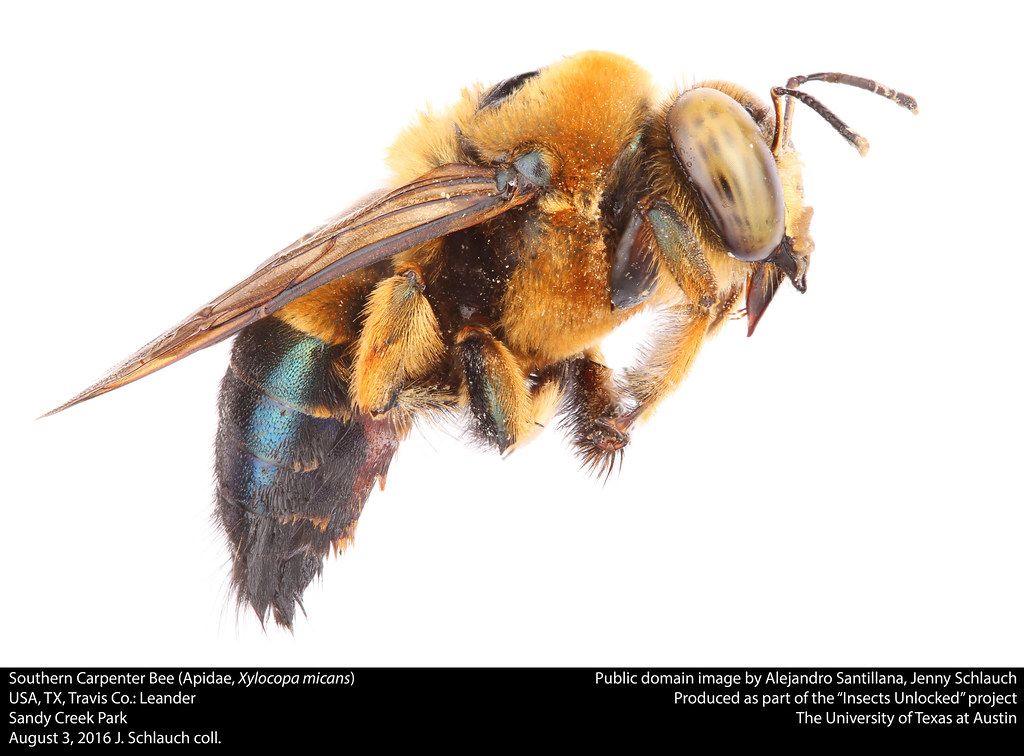
Xylocopinae is a subfamily of Apidae comprising four tribes: Xylocopini (large carpenter bees), Ceratinini (small carpenter bees), Allodapini (allodapine bees), and Manueliini (genus Manuelia). It represents the most basal lineage within Apidae and exhibits remarkable diversity in social organization, ranging from solitary to primitively eusocial and obligate eusocial with morphological castes. Most species nest in dead wood, hollow stems, or pith, though some lineages nest in soil. The subfamily has a worldwide distribution except Antarctica, with highest diversity in tropical and subtropical regions.
Xylophanes
Xylophanes is a genus of hawkmoths (Sphingidae) containing over 120 described species, making it the most taxonomically diverse genus in the family. The genus originated in Caribbean-Mesoamerica during the Late Miocene and subsequently diversified across Neotropical bioregions through a two-phase pattern involving high speciation rates in the Andes and Caribbean-Mesoamerica followed by dispersal to Amazonia. Members are strong fliers with high dispersal ability and function as pollinators in their ecosystems.