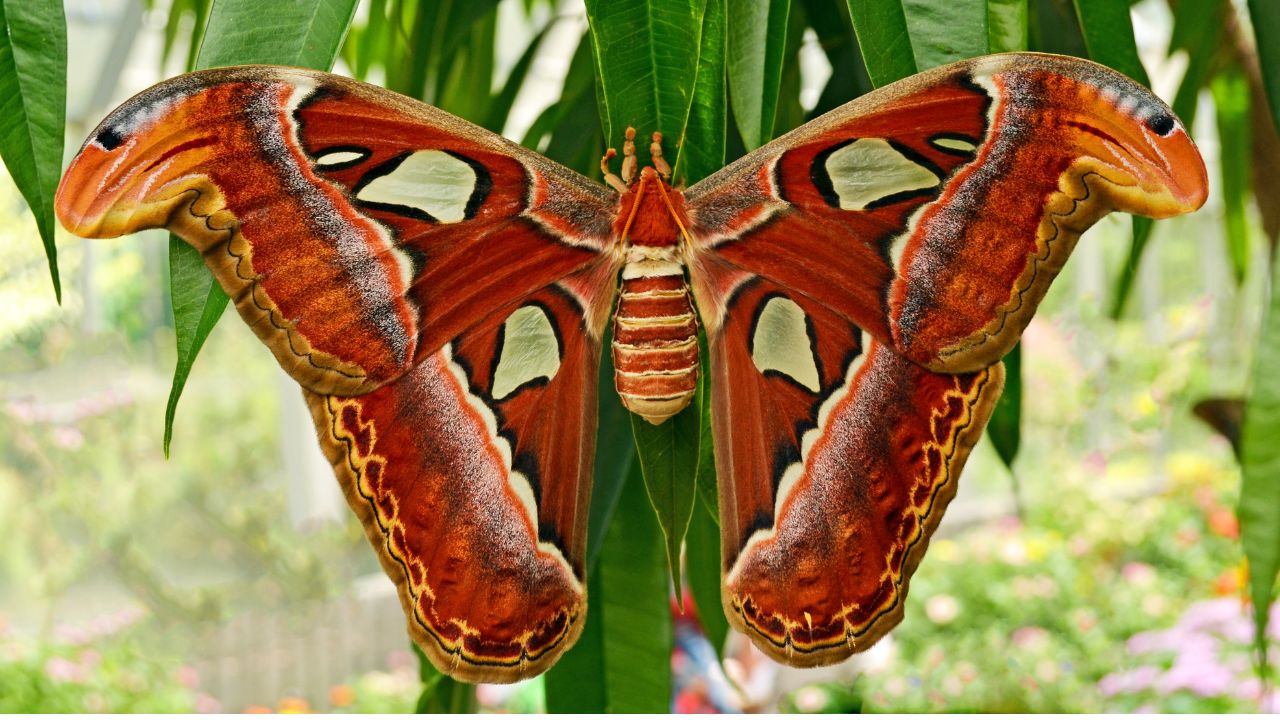
Abablemma is a genus of moths in the family Erebidae, established by Nye in 1975. The genus contains at least six described species distributed from the southern United States through Central America. Species were historically classified in the subfamily Acontiinae of Noctuidae, reflecting ongoing taxonomic revisions in the noctuoid moths. The genus is represented by 817+ observations on iNaturalist, indicating moderate documentation of its occurrence.
Abablemma bilineata is a moth species in the family Erebidae, first described by Barnes and McDunnough in 1916. It is found in North America. The species belongs to the subfamily Acontiinae, a group of moths often characterized by relatively simple wing patterns and nocturnal habits. Based on iNaturalist records, it has been documented in at least 121 observations, suggesting it is not exceptionally rare within its range.
double-eyed algibelle
Abablemma duomaculata is a moth species in the family Erebidae, subfamily Acontiinae. It was first described by Barnes and Benjamin in 1925, originally under the genus Phobolosia. The species is known from southern Texas extending into Mexico. It is commonly referred to as the double-eyed algibelle.
blueberry budworm moth
Abagrotis anchocelioides, commonly called the blueberry budworm moth, is a noctuid moth species found in eastern and central North America. Adults have a wingspan of 32–38 mm and are active from June through September. The larval host plant association with blueberry remains tentative.
cutworm moth, dart moth
Abagrotis apposita is a noctuid moth species described by Grote in 1878. It belongs to a genus of cutworm and dart moths whose larvae are known as cutworms. The species occurs in North America and has been assigned Hodges number 11037. It is part of the diverse Noctuidae family, one of the largest moth families.
Cupid dart, brown climbing cutworm
Abagrotis cupida is a noctuid moth found across southern Canada and the eastern United States. Adults have a wingspan of 33–35 mm and fly in late summer, with one generation per year. Larvae feed on woody plants including willow, apple, grape, and peach. The species is known by two common names reflecting different life stages: 'Cupid dart' for the adult moth and 'brown climbing cutworm' for the larva.
Forbes' dart moth
A noctuid moth species described by Benjamin in 1921. The species is part of the diverse dart moth genus Abagrotis, which contains numerous North American species. The specific epithet honors an entomologist, likely William T.M. Forbes, a prominent lepidopterist. The species has been documented in North America with 23 iNaturalist observations, though detailed natural history information appears limited in available sources.
Abagrotis glenni is a noctuid moth described by Buckett in 1968. It occurs in western North America from British Columbia south to California and east to Utah. Adults are active in spring, with larvae feeding on coniferous host plants.
Abagrotis rubricundis is a noctuid moth described by Buckett in 1968. It is restricted to mountainous regions of California and southwestern Oregon. The species has a wingspan of approximately 38 mm. It is a rarely recorded species with limited ecological data available.
Acanthopteroctetes unifascia is a small moth in the family Acanthopteroctetidae, described by Davis in 1978. It is known from Montana, where adults are active in July. The species has been studied for its anatomical features, which retain ancestral traits while also showing unique specializations in larval trunk and adult head structures. These characteristics suggest it represents a transitional form in moth evolution.
Olive-and-black Carpet, Olive-and-black Carpet Moth
Acasis viridata, the olive-and-black carpet moth, is a small geometrid moth native to North America. It was described by Alpheus Spring Packard in 1873. The species has a single generation per year and is active in spring and early summer. Larvae are specialized feeders on flower heads of Viburnum cassinoides.
Chocolate Moth
Acherdoa ferraria, commonly known as the Chocolate Moth, is a noctuid moth species described by Walker in 1865. The species belongs to the subfamily Noctuinae and is recorded from North America. It is represented by 183 observations on iNaturalist, indicating it is moderately well-documented among naturalists. The specific epithet 'ferraria' refers to iron or iron-colored, likely alluding to the adult's coloration.
Achyra is a genus of moths in the family Crambidae, first described by Achille Guenée in 1849. The genus belongs to the subfamily Pyraustinae and contains species that are primarily known as agricultural pests. The most widely documented species, Achyra rantalis (garden webworm), feeds on soybean foliage and other plants, with larvae that produce protective silk webs. Adults are attracted to ultraviolet light and have been documented at blacklighting events in North America.
Achyra occidentalis is a crambid moth described by Packard in 1873. It exhibits two distinct color morphs: a dark form and a pale form, with adults active during different periods of the year. The species is restricted to arid regions of the southwestern United States. Forewing length ranges from 10–12 mm.
garden webworm, Garden Webworm Moth
Achyra rantalis is a crambid moth commonly known as the garden webworm. The species occurs across much of North America and has been recorded at blacklighting displays during moth surveys. Larvae feed on foliage of various low-growing plants and are occasionally reported as pests in agricultural settings. Adults have a wingspan of 17–23 mm.
A small tortricid moth native to eastern North America. Adults are active in spring, summer, and late autumn. The species is named for its larval association with Comandra plants.
Hook-winged Tortrix Moth
Acleris effractana is a tortricid moth with a Holarctic distribution, found across northern Europe, northwestern Russia, Japan, Canada, and the northwestern United States. It is externally indistinguishable from Acleris emargana, requiring genital examination for positive identification. Adults are active from July to October. The species has historically been underreported due to confusion with its more common congener.
Half-ringed Acleris Moth
Acleris semiannula is a small tortricid moth found across eastern and central North America. Adults are active year-round and have a wingspan of 12–15 mm. Larvae develop on three documented host plants: red maple, silver maple, and white oak. The species was originally described as Teras semiannula by Robinson in 1869.
Acontia behrii is a moth in the family Noctuidae, described by Smith in 1900. It is found in North America and assigned Hodges number 9164. As a member of the genus Acontia, it shares characteristic morphological traits with congeners including elongated palpi with pointed frontal tuft, well-developed third palpal segment, simple filiform antennae lacking complex modifications, and smooth-scaled thorax and abdomen without tufts or patches.
Chalky Bird Dropping Moth
Acontia cretata, commonly known as the Chalky Bird Dropping Moth, is a small noctuid moth with a wingspan of 22–27 mm. It occurs across the southwestern and south-central United States. Adults are active from April to September. The species was first described by Grote and Robinson in 1870.
Acontia jaliscana is a species of moth in the family Noctuidae, subfamily Acontiinae. It was described by Schaus in 1898 from specimens collected in Jalisco, Mexico. The species is part of a genus characterized by small to medium-sized moths with often striking wing patterns. Records indicate presence in North America, though detailed biological information remains limited.
Acontia n-sp-two is an undescribed species in the genus Acontia, a group of small to medium-sized moths in the family Noctuidae. As an undescribed species, it has been documented in entomological collections but lacks formal taxonomic description. Members of Acontia are generally characterized by distinctive wing patterns and are primarily found in tropical and subtropical regions. The species awaits formal description to establish its diagnostic characteristics and phylogenetic relationships.
Acritogramma metaleuca is a moth species in the family Erebidae, first described by Hampson in 1913. It belongs to the subfamily Erebinae, a diverse group of nocturnal moths. The species is known from North America. It is assigned Hodges number 8682 in the MONA (Moths of North America) numbering system.
Acrobasis is a genus of small moths in the family Pyralidae, subfamily Phycitinae. Species in this genus are primarily known as pests of nut and fruit crops, with several economically significant species including the pecan nut casebearer (A. nuxvorella) and species affecting chokeberry, walnut, and hickory. Larvae typically bore into developing nuts or fruits, causing direct damage to yield. The genus has a Holarctic distribution with records from North America and Europe.
Walnut Shoot Moth
Acrobasis demotella, the walnut shoot moth, is a small pyralid moth described by Grote in 1881. Its larvae feed on Juglans (walnut) and Carya (hickory/pecan) species, making it a pest of nut-producing trees. The species occurs across eastern and central North America. It is one of several Acrobasis species associated with hardwood trees in the walnut family.
Acrolepiopsis californica is a small moth in the family Glyphipterigidae. The species is known from western North America, with documented occurrences in western California, western Oregon, and Alberta. Forewing length ranges from 4.4 to 6.7 mm. Larvae are known to mine the fruits of several Lilium species and Disporum hookeri.
grass tubeworm moth
Acrolophus arcanella, commonly known as the grass tubeworm moth, is a small moth species in the family Acrolophidae. It occurs in eastern North America, where its caterpillars are known to spin silken tubes at the base of grasses or grass roots for concealment while feeding. The species has a wingspan of approximately 25 mm. Like other members of the genus, it was formerly classified in the family Tineidae before being reassigned to Acrolophidae based on revised taxonomic understanding.
Acrolophus bicornutus is a small moth species in the family Acrolophidae, described by Hasbrouck in 1964. It is known only from Florida. The wingspan measures approximately 13 mm. Like other members of the genus Acrolophus, it is commonly referred to as a "grass tube moth" due to larval habits of spinning silken tubes at grass bases or roots.
Acrolophus cockerelli is a small moth in the family Acrolophidae, historically classified in Tineidae. The species occurs in the southwestern and western United States. Adults have a wingspan of approximately 17 mm. Larvae of Acrolophus species are known as "grass tube moths" for their habit of spinning silken tubes at grass bases or roots.
Acrolophus filicicornis is a species of moth in the family Acrolophidae, commonly known as grass tube moths. The genus was formerly placed in family Tineidae (clothes moths) but has been reclassified to Acrolophidae based on revised phylogenetic understanding. Larvae of Acrolophus species construct silken tubes at the base of grasses or among grass roots for concealment while feeding.
Forbes' Grass Tubeworm Moth
Acrolophus forbesi is a small moth in the family Acrolophidae, commonly known as grass tubeworm moths. It was described by Hasbrouck in 1964 and occurs in the southeastern United States. The species has a wingspan of approximately 17 mm. Like other members of its genus, the caterpillars likely construct silken tubes at the base of grasses or grass roots for concealment while feeding.
Grass Tube Moth
Acrolophus griseus is a small moth in the family Acrolophidae, described by Lord Walsingham in 1887. It belongs to a genus commonly known as 'grass tube moths' due to the larval habit of spinning silken tubes at grass bases or roots for concealment while feeding. The species occurs in arid and semi-arid regions of the southwestern United States and northern Mexico. It was historically classified in the family Tineidae but has been reassigned to Acrolophidae based on phylogenetic studies.
Acrolophus griseus griseus is a subspecies of grass tube moth in the family Acrolophidae. The genus Acrolophus was historically placed in the family Tineidae but has been reclassified to Acrolophidae based on modern phylogenetic studies. Members of this genus are known as "grass tube moths" due to larval behavior of spinning silken tubes at grass bases or roots for concealment while feeding. This subspecies represents a distinct population within the widespread species A. griseus.
Grass Tube Moth
Acrolophus laticapitana is a small moth in the family Acrolophidae, described by Walsingham in 1884. The species is found in western North America from northern California to southern Arizona. Adults have forewings measuring 6.5–9.5 mm in length. Like other members of the genus, it is commonly known as a "grass tube moth" due to larval behavior. The species includes two recognized subspecies: the nominate form and A. l. unistriganus described by Dyar in 1903.
dark acrolophus
Acrolophus mora is a small moth in the family Acrolophidae, commonly known as the dark acrolophus. The species was described by Augustus Radcliffe Grote in 1881. It occurs across eastern North America from Quebec to Florida and west to the Mississippi River drainage. Sexual dimorphism is present in wingspan, with males measuring approximately 20 mm and females approximately 26 mm.
Acrolophus parvipalpus is a moth in the family Acrolophidae, described by Hasbrouck in 1964. It belongs to a genus commonly known as "grass tube moths" due to larval behavior. The species is found in southwestern North America, with records from Arizona and Texas. Like other members of its genus, it is likely nocturnal and attracted to light.
piger grass tubeworm moth
Acrolophus piger, commonly known as the piger grass tubeworm moth, is a small moth in the family Tineidae (subfamily Acrolophinae). First described by Harrison Gray Dyar Jr. in 1900, this species is found in the southeastern United States. The genus Acrolophus is known as "grass tubeworm moths" because larvae typically spin silken tubes at the base of grasses or grass roots for concealment while feeding. Adult wingspan is approximately 16 mm.
Clemens' Grass Tubeworm Moth
Acrolophus popeanella is a moth in the family Acrolophidae, commonly known as Clemens' Grass Tubeworm Moth. The species was described by James Brackenridge Clemens in 1859. Adults are small moths with distinctive dark brown wings marked with lighter brown blotches and a striped pattern near the forewing margins. The larvae are root-feeders, specifically documented to feed on red clover (Trifolium pratense). The species is widely distributed across the eastern and central United States, occurring in diverse habitats from grasslands to urban environments.
Walsingham's Grass Tubeworm Moth
Acrolophus propinqua, commonly known as Walsingham's Grass Tubeworm Moth, is a small moth in the family Acrolophidae. The species is found across the eastern and southeastern United States, with a wingspan of 22–26 mm. As with other members of the genus, the caterpillars construct silken tubes at the base of grasses or grass roots for concealment while feeding.
Acrolophus simulatus is a species of moth in the family Acrolophidae, described by Walsingham in 1882. It is one of many species in the genus commonly known as "grass tube moths" due to larval behavior. The species is documented from North America, with records from Florida and Texas. Like other members of Acrolophus, it is presumed to have larvae that construct silken tubes at the base of grasses or grass roots for concealment while feeding.
Spotted Grass Tubeworm Moth
Acrolophus spilotus is a small moth in the family Acrolophidae, described by Donald R. Davis in 1990. It is one of many 'grass tubeworm moths' in the genus Acrolophus, a group whose caterpillars spin silken tubes at the base of grasses or grass roots for concealment while feeding. The species is known from a limited distribution in the southeastern United States.
Acrolophus walsinghami is a small moth in the family Acrolophidae, first described by Möschler in 1890. The genus Acrolophus, commonly known as "grass tube moths," includes species whose larvae construct silken tubes at grass bases or roots for concealment while feeding. Adults are attracted to light and have been documented during moth surveys in late summer. The species has undergone taxonomic reclassification, formerly placed in the family Tineidae before being moved to Acrolophidae.
afflicted dagger moth
Acronicta afflicta, commonly known as the afflicted dagger moth, is a noctuid moth species found across eastern North America. Adults have a wingspan of approximately 36 mm and are active from May to September depending on location. The species is notable for its larval association with oak species (Quercus), distinguishing it ecologically from related dagger moths.
Acronicta browni is a moth species in the family Noctuidae, described by Mustelin and Leuschner in 2000. It belongs to the genus Acronicta, commonly known as dagger moths, characterized by distinctive dark dagger-shaped markings on the forewings of many species. The species is known from North America, with confirmed records from California. Like other members of its genus, it is presumed to have a typical noctuid life cycle with nocturnal adult activity.
Charred Dagger, charred dagger moth
Acronicta brumosa, commonly known as the charred dagger moth, is a noctuid moth native to North America. The species exhibits a wingspan of approximately 38 mm. Larvae are specialized feeders on various Quercus (oak) species. The species was first described by Guenée in 1852.
Green Marvel, Green Marvel Moth
Acronicta fallax, commonly known as the green marvel moth, is a noctuid moth found across most of North America. First described by Herrich-Schäffer in 1854, this species has a wingspan of approximately 34 mm. Adults are active year-round in warmer regions, with particularly extended flight periods in Florida from February through November. The species belongs to the dagger moth genus Acronicta, characterized by distinctive caterpillars often bearing prominent defensive setae.
Impressive Dagger, Impressive Dagger Moth, Willow Dagger Moth
Acronicta impressa is a noctuid moth commonly known as the impressive dagger moth or willow dagger moth. The species was first described by Francis Walker in 1856. It ranges across western North America from Canada to northwestern Mexico. Adults are active in early to midsummer and are attracted to light. The caterpillars feed on a variety of woody plants including willow, poplar, and rose.
cattail caterpillar, Henry's marsh moth
Acronicta insularis is a noctuid moth native to North America, with larvae known as the cattail caterpillar and adults as Henry's marsh moth. The species was first described in 1868 and was reclassified from Simyra to Acronicta in 2015 based on phylogenetic analysis. It has a transcontinental distribution across the United States and southern Canada, with adults active from spring through late summer and larvae feeding on wetland plants including cattails and various grasses.
Pleasant Dagger, Pleasant Dagger Moth
Acronicta laetifica, commonly known as the Pleasant Dagger, is a moth species in the family Noctuidae. It is a member of the dagger moth genus Acronicta, characterized by distinctive forewing markings that include a dark dagger-shaped streak. The species occurs across eastern North America, with larvae that feed on various woody plants.
lanceolate dagger moth, pointed dagger
Acronicta lanceolaria is a noctuid moth native to North America, ranging from Nova Scotia to British Columbia. The species was described by Augustus Radcliffe Grote in 1875. Adults fly in early June in a single generation. It is listed as a species of special concern and believed extirpated in Connecticut.