
Abagrotis cupida
Grote, 1865
Cupid dart, brown climbing cutworm
Abagrotis cupida is a noctuid found across southern Canada and the eastern United States. have a wingspan of 33–35 mm and fly in late summer, with one per year. Larvae feed on woody plants including willow, apple, grape, and peach. The is known by two reflecting different life stages: 'Cupid dart' for the adult moth and 'brown climbing ' for the larva.
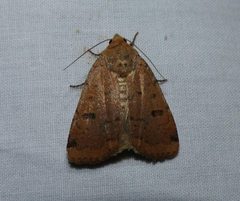
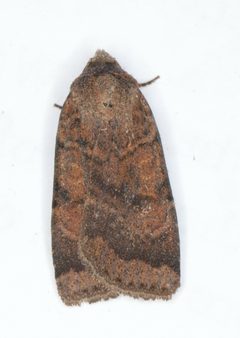
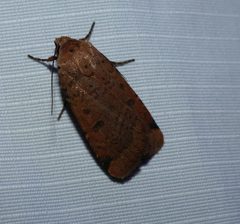
Pronunciation
How to pronounce Abagrotis cupida: /ˌæbəˈɡroʊtɪs ˈkjuːpɪdə/
These audio files are automatically generated. While they are not always 100% accurate, they are a good starting point.
Identification
Distinguished from other Abagrotis by geographic range and period. In Alberta, the August–September flight period helps separate it from with earlier or later activity. Specific diagnostic morphological features not documented in available sources. Dissection of genitalia may be required for definitive identification within the .
Images
Habitat
Associated with woody vegetation, particularly willow and cultivated fruit trees. Specific types (forest, orchard, riparian, etc.) not explicitly described in sources.
Distribution
Southern Canada (Alberta, Manitoba, Saskatchewan confirmed) and the United States east of the Rocky Mountains, excluding the Deep South. Absent from the western United States beyond the Rocky Mountains and from the southeastern United States.
Seasonality
with one per year. on wing in late summer. In Alberta, period documented from August to September. Flight timing varies geographically but remains confined to late summer.
Diet
Larvae feed on willow (Salix), cultivated apple (Malus domestica), grape (Vitis), and peach (Prunus persica). No information available on feeding habits.
Host Associations
- willow - larval food plantSalix
- cultivated apple - larval food plantMalus domestica
- grape - larval food plantVitis
- peach - larval food plantPrunus persica
Life Cycle
Complete with , larva, pupa, and stages. One per year (). stage not specified in available sources. Larvae are climbing cutworms, suggesting they ascend plants to feed.
Behavior
are and attracted to light. Larvae exhibit climbing on plants, consistent with the 'climbing ' . Specific behavioral details otherwise undocumented.
Ecological Role
Larval herbivore on woody plants. Potential pest of cultivated fruit trees (apple, peach, grape). Role in natural not described.
Human Relevance
Minor agricultural pest. Reported from cultivated apple, grape, and peach, suggesting economic significance in orchards and vineyards. Not a major pest based on limited documentation.
Similar Taxa
- Other Abagrotis speciesMany overlap in distribution and general appearance; identification to often requires genitalia dissection or geographic and phenological data.