
Abablemma duomaculata
Barnes & Benjamin, 1925
double-eyed algibelle
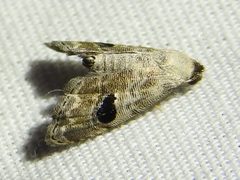
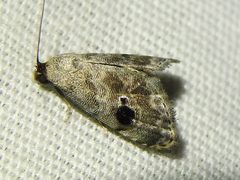
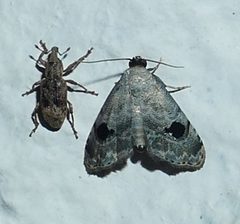
Abablemma duomaculata is a in the Erebidae, Acontiinae. It was first described by Barnes and Benjamin in 1925, originally under the Phobolosia. The species is known from southern Texas extending into Mexico. It is commonly referred to as the double-eyed algibelle.
Pronunciation
How to pronounce Abablemma duomaculata: /ˌæbəˈblɛmə duˌoʊməˈkjulətə/
These audio files are automatically generated. While they are not always 100% accurate, they are a good starting point.
Identification
The specific epithet 'duomaculata' (meaning 'two-spotted') suggests the presence of two distinct spots or markings, likely on the forewings. As a member of the Acontiinae, it likely has relatively broad, somewhat triangular forewings with cryptic patterning. Definitive identification requires examination of genitalia or comparison with closely related Abablemma .
Images
Distribution
Southern Texas, United States, southward into Mexico.
Similar Taxa
- Abablemma bilineataCongeneric in the same , likely similar in overall size and wing shape; distinguished by specific wing pattern elements and genitalia.
- Abablemma brimleyanaAnother North American Abablemma ; separation requires careful examination of spotting pattern and potentially dissection.
More Details
Taxonomic History
Originally described as Phobolosia duomaculata Barnes & Benjamin, 1925, this was later transferred to the Abablemma. The genus Abablemma was previously classified in Noctuidae but is now placed in Erebidae following molecular and morphological revisions of the Noctuoidea.
Nomenclature
The 'double-eyed algibelle' refers to the two spots (duo-maculata) characteristic of this .