
Acasis viridata
(Packard, 1873)
Olive-and-black Carpet, Olive-and-black Carpet Moth
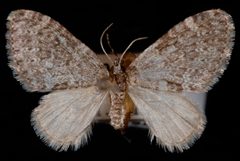
Acasis viridata, the olive-and-black carpet moth, is a small geometrid native to North America. It was described by Alpheus Spring Packard in 1873. The has a single per year and is active in spring and early summer. Larvae are specialized feeders on flower of Viburnum cassinoides.
Pronunciation
How to pronounce Acasis viridata: /əˈkeɪsɪs vɪˈrɪdətə/
These audio files are automatically generated. While they are not always 100% accurate, they are a good starting point.
Identification
Small size (18–20 mm wingspan) and olive-and-black wing patterning. Distinguishable from other Acasis and similar geometrids by geographic range and, where visible, larval association with Viburnum cassinoides. active April–July.
Images
Habitat
Associated with supporting its larval plant Viburnum cassinoides (withe-rod), which occurs in wetlands, bogs, and moist woodland edges.
Distribution
Transcontinental in northern North America: from Newfoundland to British Columbia, south in the east to Florida, and south in the west to Colorado and Oregon. Present in Canadian provinces including Alberta and Manitoba, and U.S. states including Vermont.
Seasonality
active April to July in North America. One per year ().
Diet
Larvae feed on flower of Viburnum cassinoides. feeding habits are not documented.
Host Associations
- Viburnum cassinoides - larval food plantLarvae feed specifically on flower
Life Cycle
One per year. emerge in spring and early summer (April–July). Larval development occurs on plant flower . Specific details of and stage are not documented.
Ecological Role
Larval herbivore on Viburnum cassinoides. Role in pollination or position as prey is not documented.
Human Relevance
No significant documented economic or cultural importance. Occasionally observed and photographed by naturalists and enthusiasts.
Similar Taxa
- Other Acasis speciesSimilar size and wing shape; distinguished by color pattern details and geographic distribution
- Other Larentiinae mothsSimilar carpet moth appearance; distinguished by specific olive-and-black coloration and plant association