
Trichophaga tapetzella
(Linnaeus, 1758)
Tapestry Moth, Carpet Moth
A small in the Tineidae with a widespread distribution. Larvae have been documented living in owl pellets, feeding on accumulated organic material including feathers and hair. The is commonly known as the tapestry moth or carpet moth due to historical association with woolen textiles, though this habit is less emphasized in modern sources.
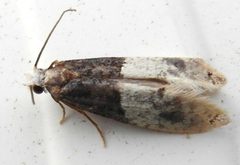
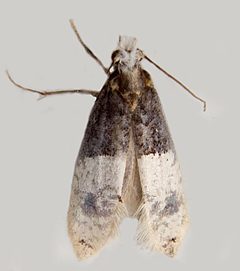
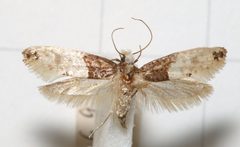
Pronunciation
How to pronounce Trichophaga tapetzella: /ˌtrɪkoʊˈfeɪɡə təˌpɛtsɛˈlɑː/
These audio files are automatically generated. While they are not always 100% accurate, they are a good starting point.
Images
Habitat
Larvae occur in owl pellets (pellets regurgitated by birds of prey), where they feed on feathers, hair, and other organic debris. Additional larval beyond owl pellets have been noted but not specified in available sources. are found in the general vicinity of larval sites.
Distribution
Widespread; recorded from Europe (including the Azores: São Miguel, Pico) and reported as present worldwide in general sources.
Diet
Larvae feed on keratinous material including feathers and hair found in owl pellets.
Ecological Role
Larvae contribute to decomposition of organic material in owl pellets, processing feathers and hair that would otherwise resist breakdown.
Human Relevance
references historical damage to woolen tapestries and carpets, though contemporary sources emphasize natural over domestic pest status.
Similar Taxa
- Tineola bisselliellaAlso a tineid associated with keratinous materials; distinguished by and specific preferences
- Trichophaga bipartitellaCongeneric ; separation requires examination of genitalia and subtle wing pattern differences
Misconceptions
The 'tapestry ' and 'carpet moth' may suggest primary association with human dwellings, but available evidence emphasizes natural such as owl pellets. The degree of current economic importance as a textile pest appears reduced or historically overstated.
More Details
Historical note
The 1899 note by A. de Lajonquière in Bulletin de la Société entomologique de France confirmed earlier observations and expanded the known larval beyond owl pellets, though specific additional habitats were not detailed in the brief communication.