
Trichophaga
Ragonot, 1894
tapestry moths, carpet moths
Species Guides
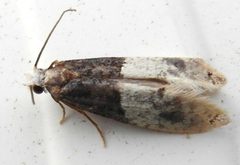
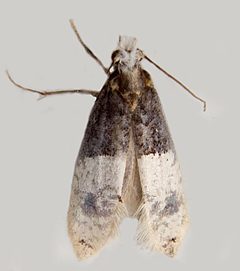
1- Trichophaga tapetzella(Tapestry Moth)
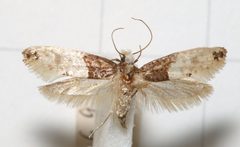
Trichophaga is a of small in the Tineidae, Tineinae. The genus includes approximately ten described distributed across Europe, Africa, and parts of Asia. The most well-known species is Trichophaga tapetzella, commonly called the tapestry moth or carpet moth, a pest of woolen textiles. Larval habits vary: at least one species has been documented living in pellets regurgitated by birds of prey.
Pronunciation
How to pronounce Trichophaga: /ˌtrɪkoʊˈfæɡə/
These audio files are automatically generated. While they are not always 100% accurate, they are a good starting point.
Images
Habitat
Varies by . Trichophaga tapetzella is associated with human dwellings and stored woolen materials. Trichophaga tapetzella larvae have been documented inhabiting pellets regurgitated by birds of prey.
Distribution
Documented from Europe (Denmark, Norway, Sweden), Africa, and parts of Asia. Specific distribution varies by .
Diet
Larvae of at least Trichophaga tapetzella feed on keratinous materials including wool, fur, and feathers. Larvae of this have also been observed in pellets regurgitated by birds of prey.
Host Associations
- nocturnal birds of prey - indirect; larvae inhabit their regurgitated pelletsDocumented for Trichophaga tapetzella
Life Cycle
Complete with , larva, pupa, and stages. Larvae are the feeding and growing stage.
Human Relevance
Trichophaga tapetzella is a recognized pest of woolen textiles, carpets, tapestries, and other keratin-based materials. The "carpet moth" reflects its economic impact.
Similar Taxa
- TineaBoth are in Tineidae with similar habits; some Trichophaga were formerly classified in Tinea (e.g., Trichophaga robinsoni as Tinea abruptella). Separation requires examination of genitalia and wing venation.
- MonopisAnother Tineidae with keratin-feeding larvae; differ in wing pattern and larval habits may differ in microhabitat preference.
More Details
Taxonomic note
The was established by Ragonot in 1894. Several have complex synonymies, and some were transferred from other genera (notably Tinea). The genus belongs to the nominate Tineinae.
Species diversity
Approximately ten are currently recognized, including Trichophaga tapetzella, T. bipartitella, T. scandinaviella, and T. swinhoei. Species boundaries and distributions remain incompletely documented.