
Tineinae
Genus Guides
10- Ceratophaga
- Eccritothrix
- Elatobia
- Monopis(fungus moths)
- Niditinea
- Phereoeca
- Praeacedes
- Tinea
- Tineola(clothes moths)
Tineinae is a of within the Tineidae. Members are commonly known as fungus moths or clothes moths, though the latter term more specifically applies to certain . The subfamily includes with diverse larval habits, with some specializing on keratinous materials like hair, feathers, and wool, while others feed on fungi, detritus, or plant matter. Tineinae is one of several subfamilies within Tineidae and contains numerous economically significant pest species.
Pronunciation
How to pronounce Tineinae: //ˈtɪniˌiːniː//
These audio files are automatically generated. While they are not always 100% accurate, they are a good starting point.
Identification
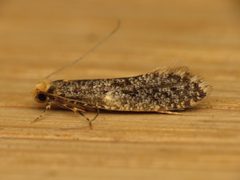
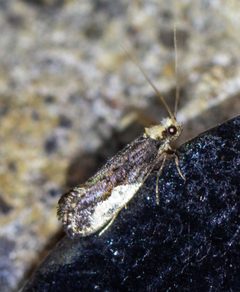
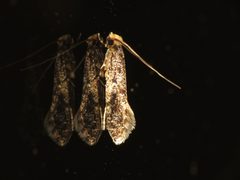
are generally small with wingspans typically under 20 mm. They often exhibit mottled gray, brown, or buff coloration with distinctive tufts or erect . Many have narrow, elongate forewings with reduced venation patterns. Larvae are characterized by a hardened head capsule, well-developed thoracic legs, and the presence of silk glands used for constructing portable cases or feeding shelters. Specific identification to or species usually requires examination of genitalia or larval case .
Images
Habitat
vary widely by and . Many occupy sheltered, dark environments including caves, animal burrows, bird nests, and human dwellings. Some species are found in forests where larvae feed on fungi or decaying plant material. Species associated with vertebrate nests or stored products occur in settings.
Distribution
distribution with present on all continents except Antarctica. Individual species ranges vary from widespread to highly localized.
Diet
Highly variable across the . Some larvae feed on keratinous materials including wool, fur, feathers, and hair. Others consume fungi, lichens, detritus, or decaying plant matter. A few have been documented feeding on stored food products.
Life Cycle
Complete with , larva, pupa, and stages. Larvae typically construct silk cases or tubes that incorporate debris from the feeding substrate; these cases are carried during locomotion and serve as shelters. Pupation occurs within the larval case.
Behavior
Larvae are case-bearers, constructing portable silk shelters decorated with substrate particles. are generally or , often remaining concealed in dark spaces during daylight hours. Some are known to infest stored materials and can persist in indoor environments year-round.
Ecological Role
Decomposers in natural , contributing to breakdown of keratinous debris, fungi, and detritus. Some serve as indicators of vertebrate nest presence or cave ecosystem health. species function as pests in human environments.
Human Relevance
Several , notably Tinea and related , contain significant textile pests whose larvae damage woolens, furs, and other animal-derived fabrics. in museums, households, and commercial storage facilities cause substantial economic damage. Some also infest stored food products or bird nests in structures.
Similar Taxa
- NemapogoninaeAlso within Tineidae; distinguished by larval habits often involving fungi and different case construction patterns.
- ScardiinaeTineidae with larvae that typically feed on lichens and rather than keratinous materials.
- MyrmecozelinaeTineidae containing -associated with specialized ecological relationships not typical of Tineinae.
More Details
Economic Significance
The includes the classic 'clothes moths,' though not all Tineinae damage textiles. The case-bearing habit of larvae makes them particularly difficult to control, as the protective silk case shields larvae from surface treatments.
Taxonomic Note
Tineinae has historically served as a catch-all within Tineidae. Modern molecular and morphological studies have led to reclassification of several into other subfamilies, though Tineinae remains morphologically diverse and likely pending further revision.