
Nemapogoninae
Hinton, 1955
Genus Guides
1- Nemapogon(Fungus moths)
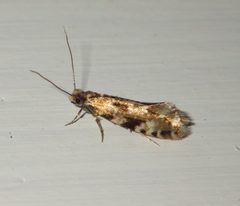
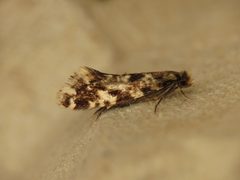
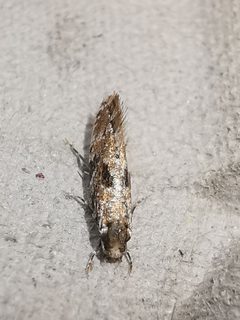
Nemapogoninae is a of fungus moths within the Tineidae, established by Hinton in 1955. The subfamily comprises approximately 12 , including Nemapogon, Triaxomera, and Nemaxera. Members are small associated with fungal substrates, particularly in larval stages. The group is primarily distributed across the Palearctic region, with some representation in other zoogeographic zones.
Pronunciation
How to pronounce Nemapogoninae: //ˌnɛ.mə.pɔˈɡoʊ.nɪˌniː//
These audio files are automatically generated. While they are not always 100% accurate, they are a good starting point.
Images
Distribution
Primarily Palearctic; records extend to the East Palearctic region including parts of Asia. Individual show varying distributions: Nemapogon is widespread in the Palearctic, while Gaedikeia and related genera have more restricted ranges. Specific distribution limits for the as a whole remain incompletely documented.
Diet
Larvae feed on fungal material, including fruiting bodies of basidiomycete and ascomycete fungi. Some have been reared from bracket fungi (Polyporaceae) and decaying wood with fungal growth. do not feed.
Life Cycle
Complete with , larva, pupa, and stages. Larvae are the primary feeding stage, developing within or upon fungal substrates. occurs in silk-lined chambers, often within the material. Adults are short-lived and non-feeding.
Behavior
Larvae are concealed feeders, tunneling into fungal fruiting bodies or inhabiting spaces beneath bark with fungal growth. are or , with weak . Many are attracted to light.
Ecological Role
Decomposers that contribute to nutrient cycling by consuming fungal . Larval feeding on fruiting bodies may influence fungal reproductive success and spore patterns.
Human Relevance
Minor economic significance. Some infest stored products contaminated with fungi, including dried mushrooms and moldy foodstuffs. Occasional nuisance pests in herbarium collections where fungal growth occurs on specimens.
Similar Taxa
- TineinaeAlso within Tineidae but distinguished by larval habits—Tineinae larvae primarily feed on keratinous materials (hair, feathers, wool) rather than fungi, and often have more pronounced vestiture.
- MyrmecozelinaeAnother Tineidae with larvae that may feed on detritus; separated by genitalia structure and larval association with nests or plant debris rather than fungal substrates.
- HieroxestinaeTineid with some fungus-feeding members; distinguished by wing venation patterns and male genitalia structure, particularly the arrangement of phallic cornuti.
More Details
Taxonomic History
The was erected by Hinton in 1955 based primarily on larval and genitalia characteristics. Gaedike (2000) contributed significant revisions to East Palearctic fauna, describing new and clarifying limits. The group has been subject to ongoing taxonomic refinement due to the cryptic nature of many species.
Genus-level Diversity
The includes 12 recognized : Archinemapogon, Dinica, Emmochlista, Gaedikeia, Hyladaula, Nemapogon, Nemaxera, Neurothaumasia, Peritrana, Triaxomasia, Triaxomera, and Vanna. Nemapogon and Triaxomera are the most -rich and widely studied.
Research Challenges
Identification to often requires dissection of genitalia, particularly for males. Larval collections are frequently necessary for accurate association due to the concealed habits of stages. has shown promise for resolving cryptic within Nemapogon.