
Niditinea
Petersen, 1957
Species Guides
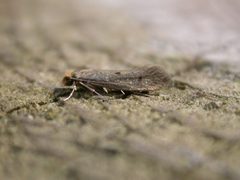
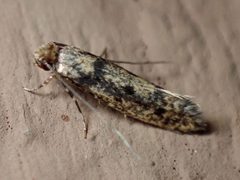
3- Niditinea fuscella(brown-dotted clothes moth)
- Niditinea orleansella(clothes moth)
- Niditinea sabroskyi
Pronunciation
How to pronounce Niditinea: //ˌnaɪdɪˈtɪniə//
These audio files are automatically generated. While they are not always 100% accurate, they are a good starting point.
Images
Habitat
Larval include bird nests, particularly those of various bird in the United States. Specific nest substrates and materials used by larvae vary among species.
Distribution
Recorded from Denmark, Norway, Sweden, and the United States. The has a Holarctic distribution with documented across Europe and North America.
Host Associations
- bird nests - larval Documented for multiple in the United States; specific bird species not detailed in available sources
Behavior
Larvae show a preference for bird nests as developmental sites. are and attracted to light.
Similar Taxa
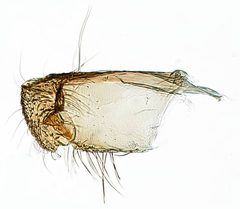
- TineaBoth are in Tineidae with similar small, drab appearance; Niditinea distinguished by genitalia and larval association with bird nests rather than stored products or keratinous debris
- MonopisBoth Tineidae with nest-associated larvae; Niditinea typically lack the distinct wing patterning seen in many Monopis
More Details
Taxonomic history
The was established by Petersen in 1957. Some were previously placed in related genera such as Tinea. Niditinea piercella has been treated as with N. striolella in some treatments.
Species diversity
Approximately 12-13 are currently recognized, including the brown-dotted clothes moth (Niditinea fuscella), which is the most commonly referenced species in general literature.