
Cidariini
carpets, carpet moths
Genus Guides
3Cidariini is the largest tribe of geometer moths within the Larentiinae. Members are commonly known as "carpets" or "carpet moths" due to their wing patterns. This tribe has been subject to relatively comprehensive phylogenetic study, which is uncommon among geometer moths. The group includes numerous with diverse wing patterns and ecological associations.
Pronunciation
How to pronounce Cidariini: //sɪˈdær.i.aɪˌnaɪ//
These audio files are automatically generated. While they are not always 100% accurate, they are a good starting point.
Identification
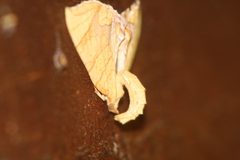
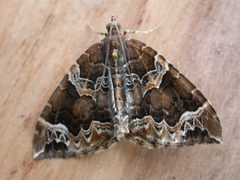
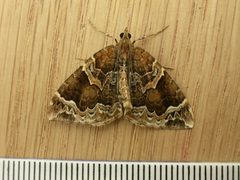
Members of Cidariini are recognized by their characteristic wing patterns that often resemble carpet designs—typically featuring wavy transverse lines, bands, or mottled coloration. They possess the slender bodies and broad wings typical of Geometridae. Distinguishing Cidariini from the related Xanthorhoini (which also contains "carpet" ) requires examination of genitalia and specific wing pattern elements; Cidariini generally exhibit more pronounced dentate or scalloped wing margins and distinct forewing pattern arrangements.
Images
Distribution
Global distribution with highest diversity in temperate regions of the Northern Hemisphere; present across North America, Europe, and Asia.
Human Relevance
Larvae of some have been observed feeding on economically important plants, though the tribe as a whole is not considered a major agricultural pest group. are frequently encountered by naturalists and contribute to biodiversity records in citizen science platforms.
Similar Taxa
- XanthorhoiniAlso contains commonly called "carpets" with similar wing patterns; distinguished by genitalia and specific pattern elements on the forewing.
More Details
Phylogenetic study
Cidariini represents one of the few groups to receive relatively comprehensive cladistic analysis, making it significant for understanding evolutionary relationships within Larentiinae.