
Achyra
Guenée, 1849
Species Guides
3- Achyra bifidalis
- Achyra occidentalis
- Achyra rantalis(garden webworm)
Achyra is a of in the Crambidae, first described by Achille Guenée in 1849. The genus belongs to the Pyraustinae and contains that are primarily known as agricultural pests. The most widely documented species, Achyra rantalis (garden webworm), feeds on soybean foliage and other plants, with larvae that produce protective silk webs. are attracted to ultraviolet light and have been documented at blacklighting events in North America.
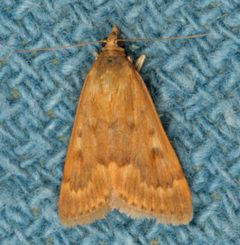
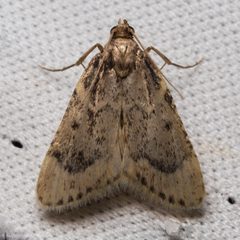
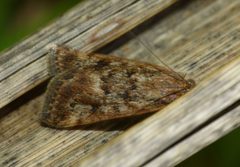
Pronunciation
How to pronounce Achyra: //ˈækɪrə//
These audio files are automatically generated. While they are not always 100% accurate, they are a good starting point.
Images
Distribution
Distribution records exist from Vermont and other locations in the United States. The has been documented at blacklighting events in California, suggesting presence in western North America.
Diet
Larvae of Achyra rantalis feed on soybean foliage. The has been observed producing silk webs that bind foliage together, offering protection from natural enemies and adverse weather.
Host Associations
- Glycine max - herbivoresoybean foliage
Behavior
are attracted to ultraviolet light and have been collected at blacklighting displays. Larvae produce silk webs that bind foliage together.
Human Relevance
Achyra rantalis is recognized as a pest of seedling soybeans. Severe , though uncommon, can result in stand loss. No established treatment thresholds exist, but scouting is recommended when soybeans emerge, with application considered if larvae are abundant and stands are threatened.
Similar Taxa
- Pyralidae (sensu lato)Formerly classified in Pyralidae; Crambidae was elevated to status, separating these groups
More Details
Sources and further reading
- BugGuide
- Wikipedia
- GBIF taxonomy match
- iNaturalist taxon
- NCBI Taxonomy
- Catalogue of Life
- Blacklighting at the Bohart: They Saw the Light | Bug Squad
- Soybean Insects: Early-Season Pests (Emergence to V8) - AgriLife Extension Entomology
- What Will You See at Bohart Museum Open House | Bug Squad
- Oh, What a (Moth) Night! | Bug Squad
- Mark Your Calendar for 'Moth Night' at Bohart Museum: July 30 | Bug Squad
- A Night at the Bohart Museum: Moth Night on Saturday, July 22 | Bug Squad