
Acronicta laetifica
Smith, 1897
Pleasant Dagger, Pleasant Dagger Moth
Acronicta laetifica, commonly known as the Pleasant Dagger, is a in the Noctuidae. It is a member of the dagger moth Acronicta, characterized by distinctive forewing markings that include a dark dagger-shaped streak. The species occurs across eastern North America, with larvae that feed on various woody plants.
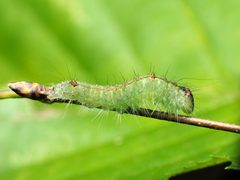
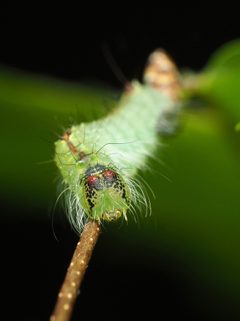
Pronunciation
How to pronounce Acronicta laetifica: /ˌækrəˈnɪktə leɪˈtɪfɪkə/
These audio files are automatically generated. While they are not always 100% accurate, they are a good starting point.
Identification
The Pleasant Dagger can be distinguished from other Acronicta by the specific configuration of its forewing markings, particularly the shape and position of the dark dagger streak. It is most similar to other gray-dagger species in the but requires careful examination of genitalia or reference to geographic range for definitive identification. The species occurs in regions where multiple Acronicta species overlap, making visual identification challenging without specimen examination.
Images
Habitat
Found in deciduous and mixed forests, woodlands, and areas with abundant woody vegetation that supports larval plants. The appears to favor with oak and other hardwood trees.
Distribution
Eastern North America from Nova Scotia south to Florida, west to Texas, and north to Manitoba. The occupies a broad range across the eastern United States and adjacent Canadian provinces.
Seasonality
are active during the warmer months; specific period not documented in sources but likely spring through summer based on related . Larvae present during growing season when plant foliage is available.
Life Cycle
Complete with , larva, pupa, and stages. Larvae feed externally on foliage of plants. occurs in a cocoon, typically in leaf litter or soil.
Behavior
are and attracted to light. Larvae are solitary feeders on leaves.
Ecological Role
Larvae function as herbivores, consuming foliage of woody plants and contributing to nutrient cycling. serve as prey for including bats and birds. The participates in forest as both consumer and prey.
Human Relevance
No significant economic importance documented. The is of interest to lepidopterists and naturalists. Like other dagger moths, it contributes to biodiversity in forested landscapes.
Similar Taxa
- Acronicta americana (American Dagger Moth)Similar gray coloration and dagger marking pattern, but A. americana is generally larger and has more extensive yellowish shading on hindwings; ranges overlap broadly.
- Acronicta betulae (Birch Dagger Moth)Similar forewing pattern with dagger mark, but A. betulae is associated with birch and has more restricted eastern distribution; requires genitalia examination for reliable separation.
- Other Acronicta speciesThe contains numerous similar gray with dagger markings; many require dissection or molecular analysis for definitive identification.
More Details
Taxonomic Notes
The was described by Smith in 1897. It is classified in the Acronictinae, a group of noctuid commonly known as dagger moths due to the characteristic forewing marking.
Observation Data
The has been documented in citizen science platforms with over 500 observations, indicating it is encountered with moderate frequency by naturalists in its range.