
Acronictinae
Genus Guides
6Acronictinae is a large of within the Noctuidae. Members are commonly known as dagger moths, a name derived from the distinctive dark, dagger-shaped markings present on the forewings of many . The subfamily contains numerous species distributed across diverse , with larvae that exhibit varied feeding habits.
Pronunciation
How to pronounce Acronictinae: /æ.kroʊˈnɪk.tɪniː/
These audio files are automatically generated. While they are not always 100% accurate, they are a good starting point.
Identification
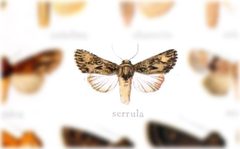
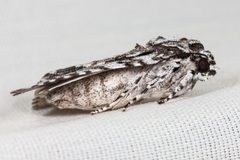
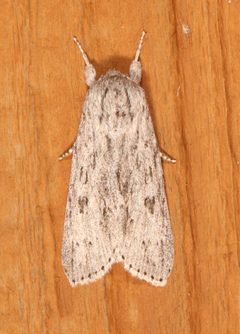
often display dark, dagger-shaped stigmata or streaks on the forewings, though this pattern is not universal across all . Larvae frequently possess prominent tufts or clusters of setae, and some species have urticating (stinging) hairs. The can be distinguished from other Noctuidae subfamilies by a combination of genitalia and larval characteristics, though precise identification often requires dissection or molecular analysis.
Images
Distribution
distribution with present across North America, Europe, Asia, and other regions. Individual species occupy diverse ranging from forests to grasslands.
Life Cycle
Complete with , larva, pupa, and stages. Larval development includes multiple instars; many overwinter as pupae.
Behavior
are and attracted to light. Larvae are generally solitary feeders.
Ecological Role
Larvae function as herbivores, consuming foliage of various plants. Some are considered defoliators of economic importance. may serve as and as prey for including bats and birds.
Human Relevance
Some are forest pests capable of causing localized defoliation. The of certain larvae can cause skin irritation upon contact.
Similar Taxa
- NoctuinaeOverlaps in ; distinguished by larval setal patterns and genitalia structure.
- HadeninaeSimilar general appearance; Acronictinae often separable by presence of forewing dagger marks and larval .
More Details
Classification History
Acronictinae has undergone taxonomic revision, with some authorities previously treating constituent as part of broader Noctuidae groupings. Current molecular and morphological evidence supports its recognition as a distinct .