
Schinia
Hübner, 1818
flower moths
Species Guides
114- Schinia accessa
- Schinia acutilinea(Acute-lined Flower Moth)
- Schinia aetheria
- Schinia albafascia
- Schinia alencis
- Schinia angulilinea
- Schinia antonio
- Schinia arcigera(Arcigera Flower Moth)
- Schinia arefacta(arefacta flower moth)
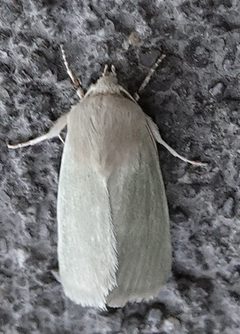
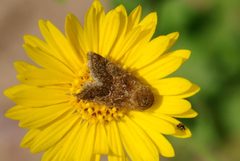
Schinia is a large of flower moths in the Noctuidae, Heliothinae. The genus exhibits a Holarctic distribution, with the vast majority of occurring in North America. Many species have restricted geographic ranges and specialized larval plant relationships. are typically colorful and often rest on flowers, where they may be camouflaged against the blossoms.

Pronunciation
How to pronounce Schinia: /ˈskɪniə/
These audio files are automatically generated. While they are not always 100% accurate, they are a good starting point.
Identification
in Schinia are often distinguished by their bright, contrasting color patterns that frequently match the flowers of their plants. The contains at least 123 species in North America north of Mexico, making species-level identification challenging and often requiring examination of genitalia or detailed pattern analysis. vary considerably in size and coloration across species. Some species are while others are .
Images
Habitat
vary by but generally include open areas where plants grow: prairies, meadows, grasslands, and other flowering plant . Many species are tightly associated with specific host plant distributions.
Distribution
Holarctic distribution with the vast majority of found in North America. Distribution records include Norway (NO), Sweden (SE), Vermont (USA), and other parts of the United States.
Seasonality
periods vary by . Many species are active during summer months when their plants are in bloom. Some species are and visit flowers during daylight hours; others are and come to lights.
Diet
Larvae feed on flowers and later seed pods of their plants. Specific host plant associations vary by , with many species showing high specialization. of some species visit flowers for nectar.
Life Cycle
Caterpillars feed on flowers and seed pods of plants. likely occurs in soil or leaf litter, though specific details vary by . Some species may have multiple per year depending on location and climate.
Behavior
Many are and actively visit flowers for nectar, resting on blossoms where their coloration provides camouflage. Some species are and attracted to lights. are capable fliers and may be observed hovering at flowers.
Ecological Role
Larvae function as herbivores on flowering plants, potentially influencing seed production of . serve as when visiting flowers for nectar. The represents a significant component of noctuid diversity in North American grassland and prairie .
Human Relevance
Popular with lepidopterists and collectors due to their bright colors and accessibility at flowers. Some are studied for their specialized plant relationships. The has been featured in National Moth Week events and citizen science documentation efforts.
Similar Taxa
- HeliothisBoth belong to Heliothinae and share similar body plans, but Heliothis are generally larger, less colorful, and have different wing patterns; Heliothis are more significant agricultural pests
- ChlorideaAnother Heliothinae with similar , but Chloridea typically have different color patterns and associations
- EulepidotisSome Eulepidotis share bright coloration and flower-visiting , but differ in wing venation and geographic distribution
More Details
Observation frequency
The has over 36,000 observations on iNaturalist, indicating it is frequently encountered and well-documented by citizen scientists.
Taxonomic placement
Some older sources may place Schinia in Noctuidae without designation, or in the former family Heliothidae; current classification places it in Noctuidae: Heliothinae.
Sources and further reading
- BugGuide
- Wikipedia
- GBIF taxonomy match
- iNaturalist taxon
- NCBI Taxonomy
- Catalogue of Life
- Bug Eric: Wasp Wednesday: Not Wasp VIII
- Catch a Glimpse of Caterpillars During National Moth Week
- Bug Eric: White Prairie Clover: An Awesome Blossom
- Bug Eric: Remembering National Moth Week 2018
- Bug Eric: October 2018
- 2013 Oklahoma Collecting Trip iReport | Beetles In The Bush