Schinia alencis
Harvey, 1875
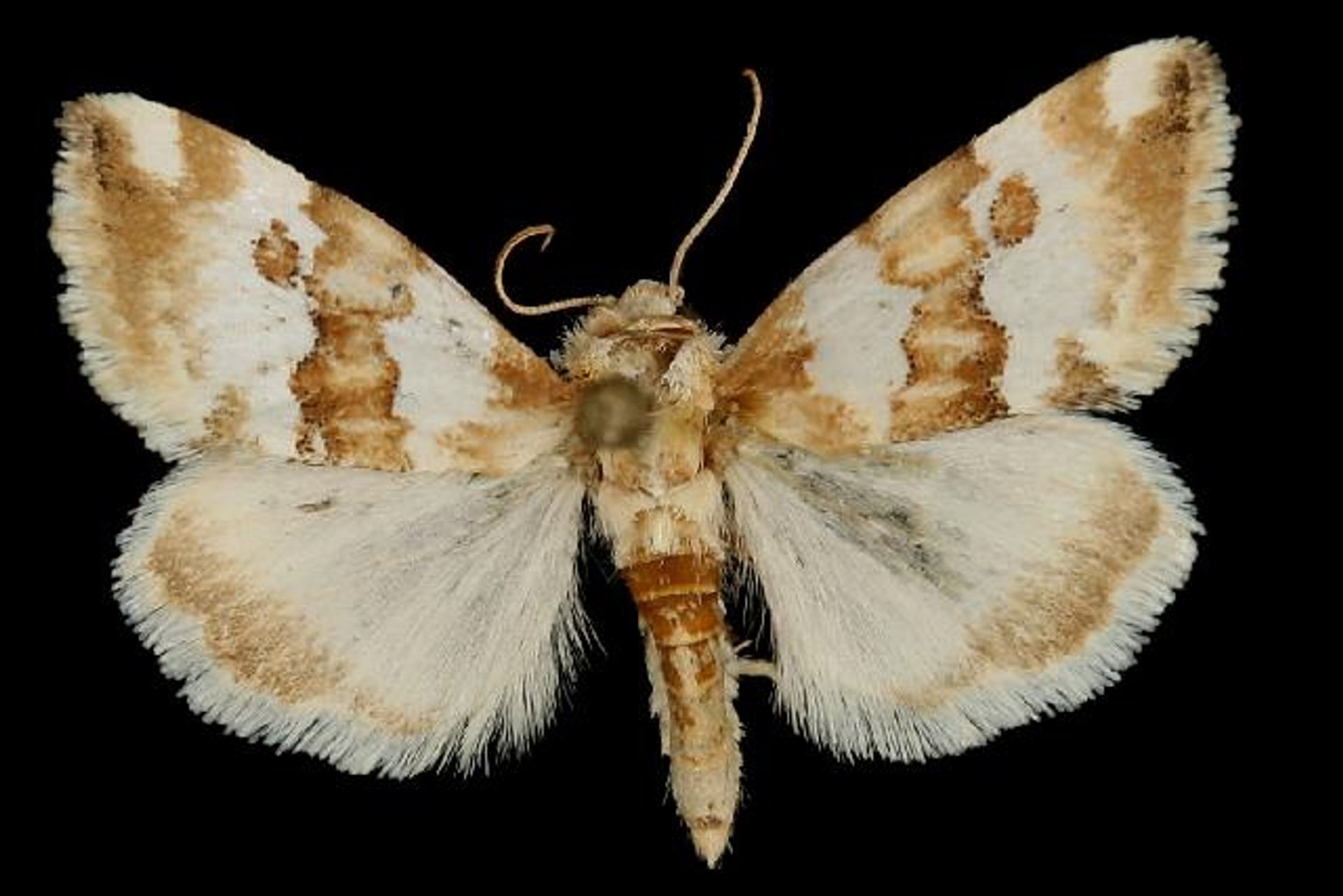
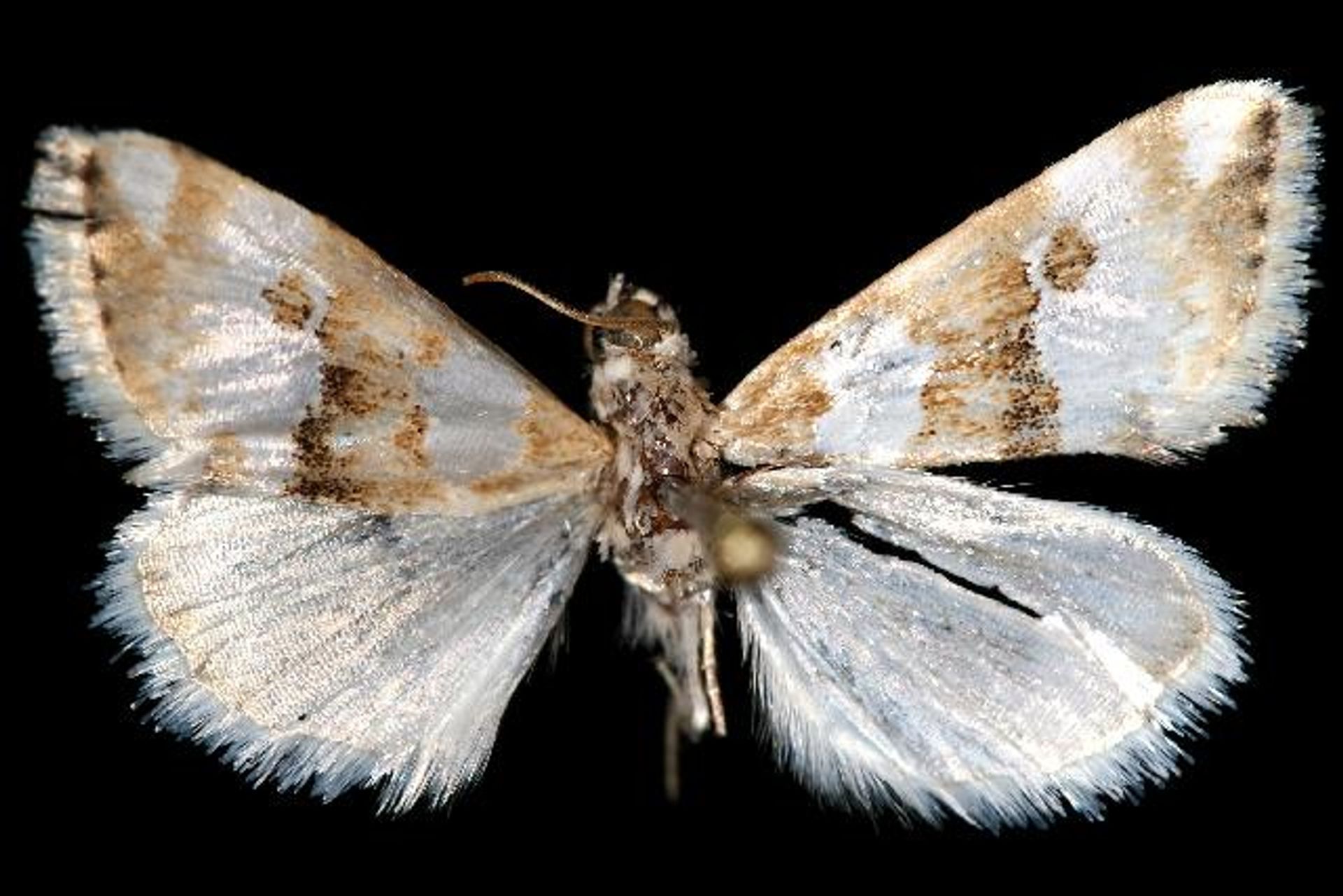
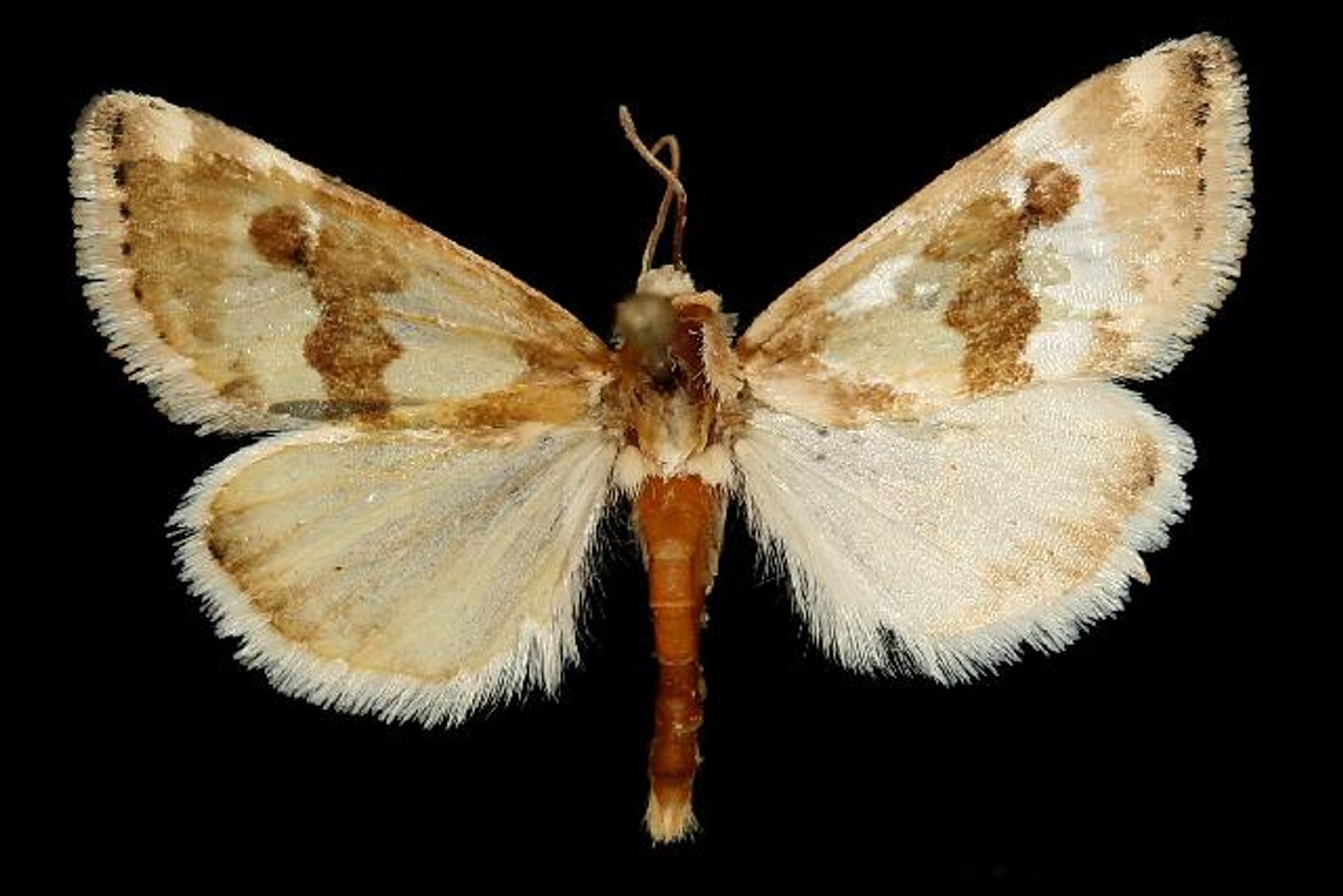
Schinia alencis is a small noctuid in the Heliothinae. The was described by Harvey in 1875 and is known from the southwestern United States, with a wingspan of approximately 22–23 mm. It belongs to a of flower moths whose often rest on or near their plants during daylight hours.
Pronunciation
How to pronounce Schinia alencis: /ˈskiːni.ə ˈælənsɪs/
These audio files are automatically generated. While they are not always 100% accurate, they are a good starting point.
Identification
The small size (22–23 mm wingspan) and southwestern U.S. distribution help distinguish this from many other Schinia. It was historically confused with members of the Schinia chrysellus complex, from which it was separated based on systematic revision. Definitive identification may require examination of genitalia or comparison with closely related species in the chrysellus group.
Images
Appearance
A small with a wingspan of 22–23 mm. As a member of the Schinia, likely display colorful forewing patterns typical of the group, though specific pattern details for this are not well documented in available sources.
Habitat
Associated with dry, open in the southwestern United States. The larval plant Heterotheca canescens grows in prairie and grassland environments, suggesting occur in similar xeric to mesic grassland and open woodland settings.
Distribution
South-central United States: from southeastern Colorado and southeastern Arizona east to western Oklahoma, and from northern Texas south to southwestern and southeastern Texas.
Diet
Larvae probably feed on Heterotheca canescens (hoary false goldenaster), an asteraceous plant. feeding habits are not documented but Schinia adults typically visit flowers for nectar.
Host Associations
- Heterotheca canescens - probable larval Probable larval based on inference from related and ; stated as probable in original description.
Behavior
are likely or , as is typical for the Schinia. Many Schinia rest on their plant flowers during the day, where their coloration provides camouflage.
Similar Taxa
- Schinia chrysellusHistorically part of the same ; separated by systematic revision based on morphological and possibly genitalic differences.
- Other Schinia species in the chrysellus complexTwo additional new were described from this complex in the same systematic revision that clarified the status of S. alencis.
More Details
Taxonomic history
Schinia alencis was revised in status as part of a systematic study of the Schinia chrysellus complex, which recognized it as a distinct and described two additional new species from the group.
Sources and further reading
- BugGuide
- Wikipedia
- GBIF taxonomy match
- iNaturalist taxon
- NCBI Taxonomy
- Catalogue of Life
- Bug Eric: Wasp Wednesday: Not Wasp VIII
- Catch a Glimpse of Caterpillars During National Moth Week
- Bug Eric: White Prairie Clover: An Awesome Blossom
- Bug Eric: Remembering National Moth Week 2018
- Bug Eric: October 2018
- 2013 Oklahoma Collecting Trip iReport | Beetles In The Bush