Schinia chrysellus
Grote, 1874
Chrysellus Flower Moth
Schinia chrysellus is a noctuid native to the Great Plains of North America. The belongs to the Schinia, a diverse group of flower moths known for their colorful appearance and close association with plants. are and visit flowers for nectar. The caterpillars feed on the flowers and seed pods of their host plants, a trait common to many species in this genus.
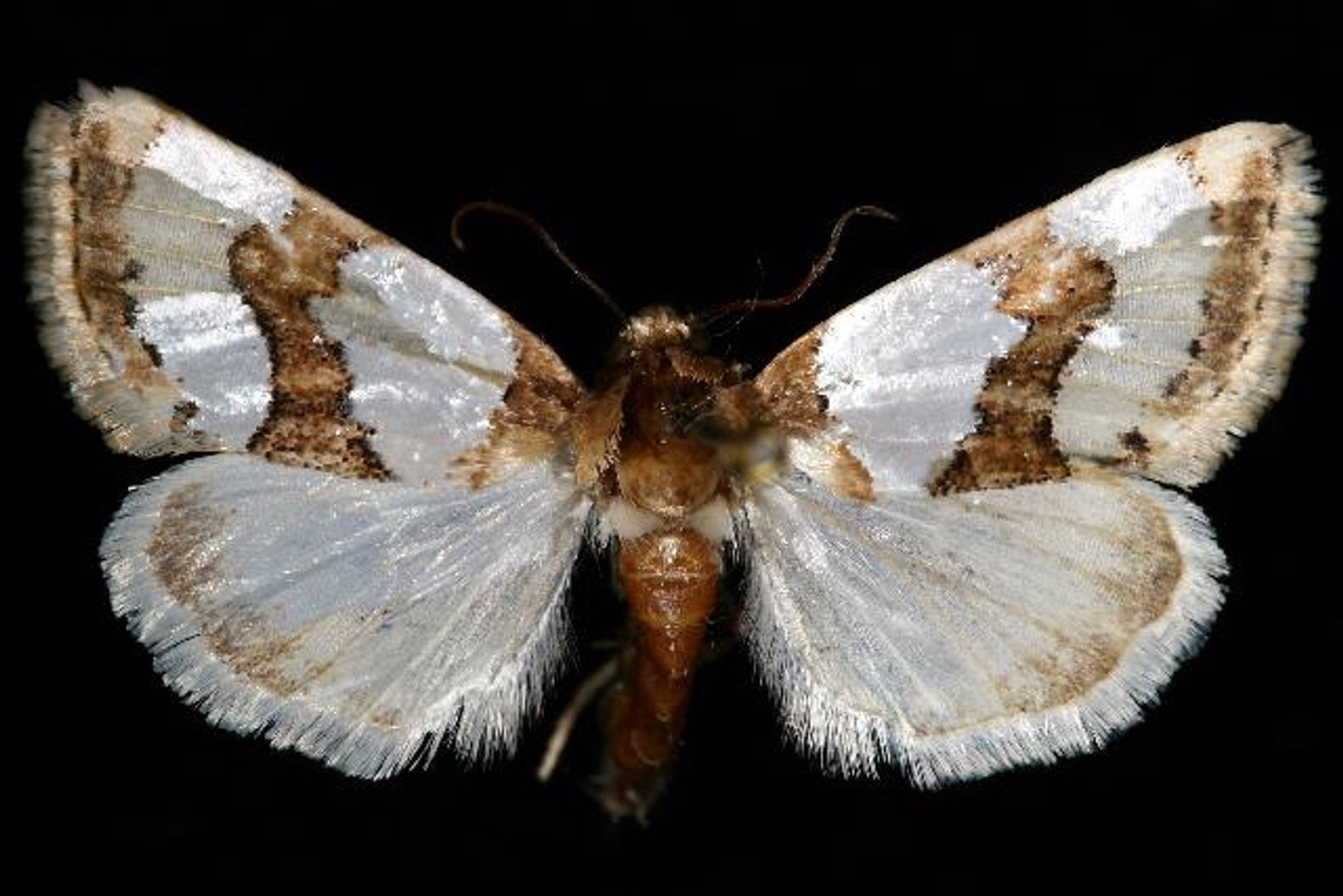
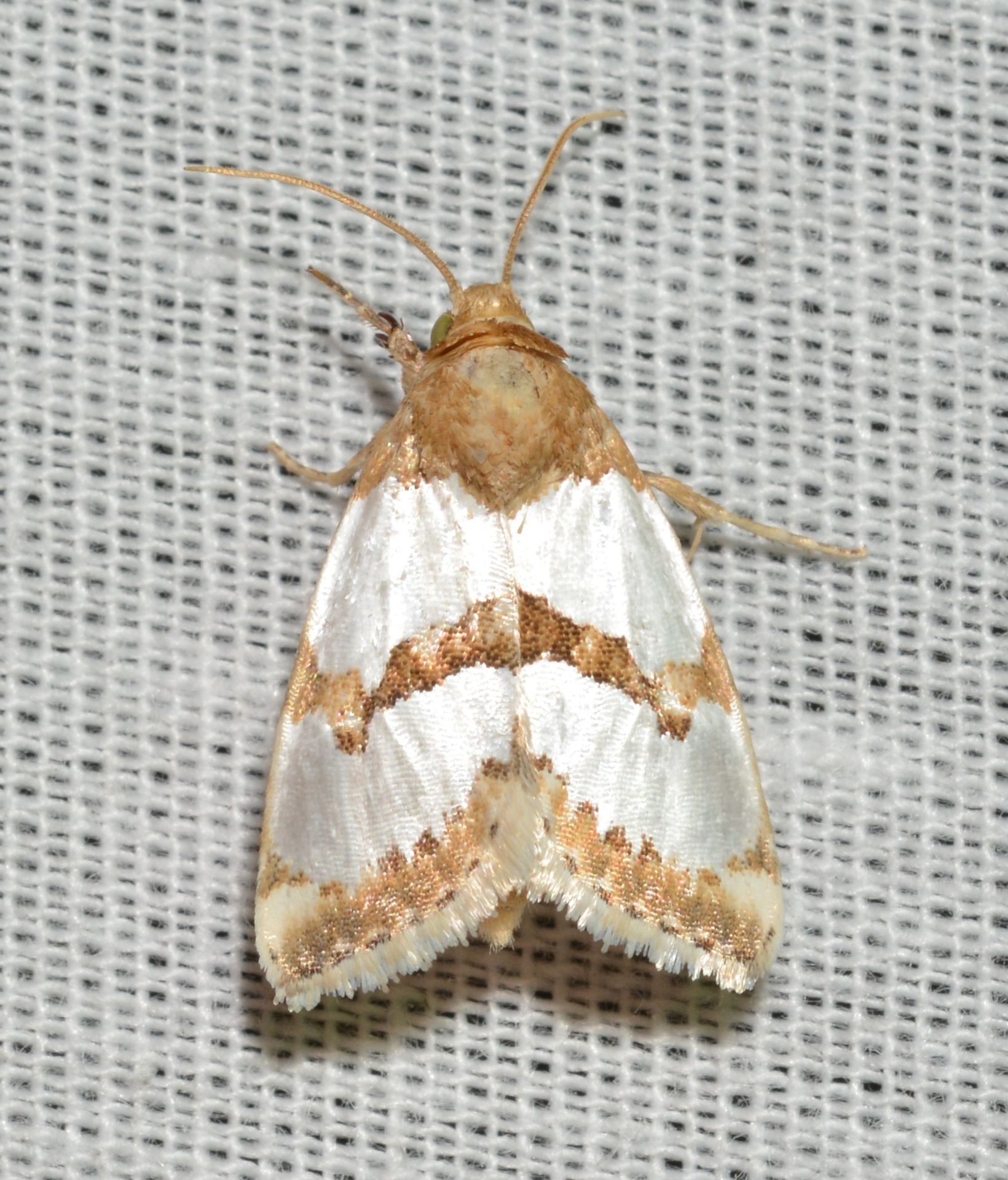
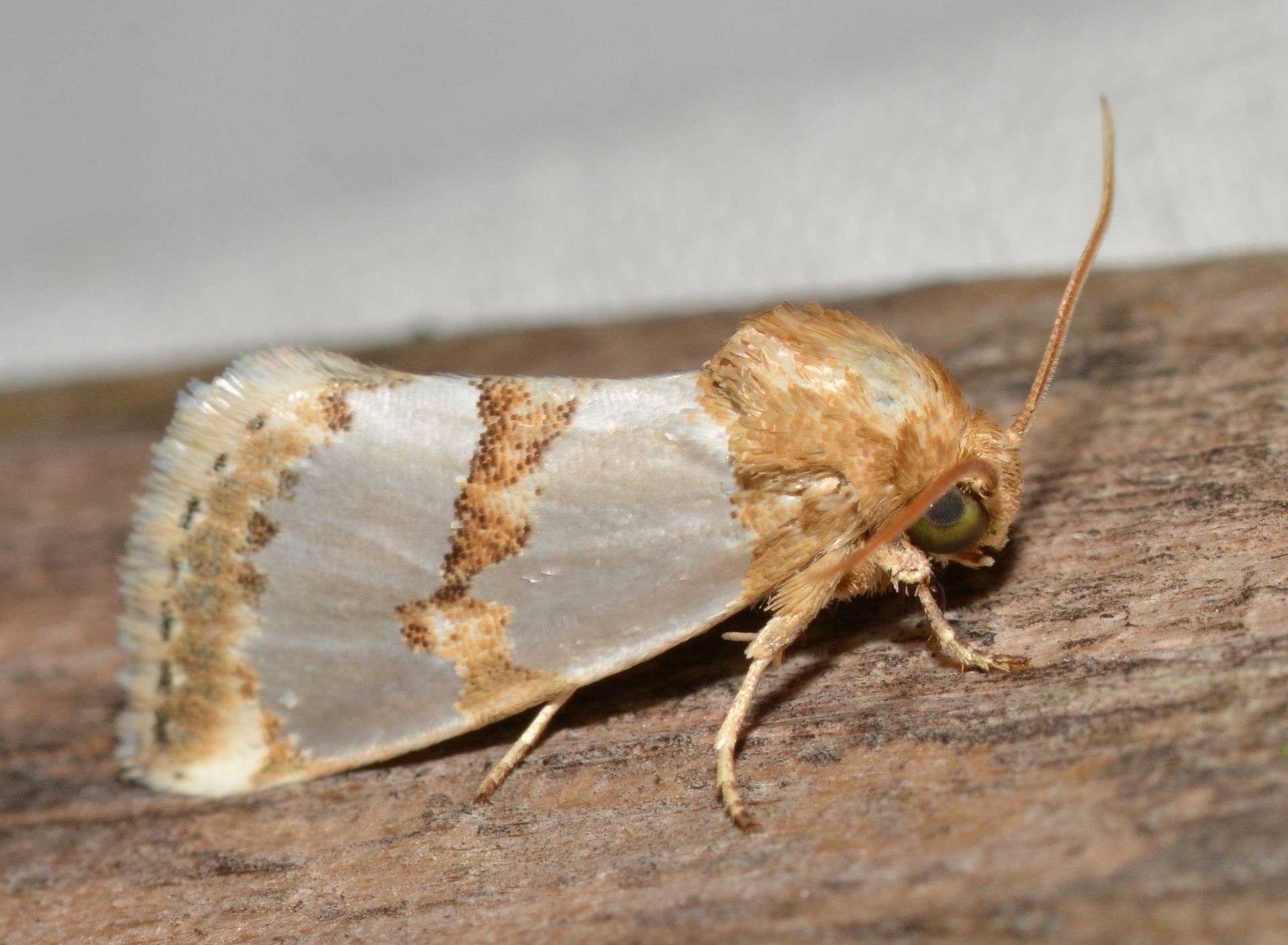
Pronunciation
How to pronounce Schinia chrysellus: /ˈskiː.ni.ə kraɪˈsɛl.əs/
These audio files are automatically generated. While they are not always 100% accurate, they are a good starting point.
Images
Habitat
Great Plains prairie , including shortgrass prairie and mixed-grass prairie . Associated with open, sunny environments where plants grow.
Distribution
Great Plains region of North America, including Colorado, Kansas, Montana, Nebraska, New Mexico, North Dakota, Oklahoma, South Dakota, Texas, Wyoming, plus Alberta, Manitoba and Saskatchewan in Canada. Also recorded from California and Kentucky.
Seasonality
active during summer months, with period corresponding to blooming periods of plants. As a , adults may be observed visiting flowers during daylight hours.
Diet
Caterpillars feed on flowers and later seed pods of plants. visit flowers for nectar.
Host Associations
- Dalea candida - plant observed visiting flowers
Life Cycle
Complete with , larva, pupa, and stages. Caterpillars feed on plant flowers and seed pods. occurs in soil or leaf litter.
Behavior
are and visit flowers for nectar, often resting on blossoms. May be observed during daylight hours, unlike many .
Ecological Role
serve as when visiting flowers for nectar. Caterpillars function as herbivores, consuming reproductive structures of plants. Both life stages provide food for and .
Human Relevance
Subject of interest to lepidopterists and naturalists. Contributes to biodiversity of prairie . can be observed during National Week and similar citizen science events.
Similar Taxa
- Schinia jaguarinaBoth are Schinia that visit flowers, but S. jaguarina has distinct spotted wing pattern unlike S. chrysellus
- Other Schinia speciesMany Schinia share similar flower-visiting and preferences; identification to species level often requires examination of genitalia or detailed wing pattern analysis
More Details
Taxonomic note
The epithet is sometimes misspelled as 'chrysella' in older literature, but the original spelling 'chrysellus' is accepted.
Sources and further reading
- BugGuide
- GBIF taxonomy match
- iNaturalist taxon
- Catalogue of Life
- Bug Eric: Wasp Wednesday: Not Wasp VIII
- Catch a Glimpse of Caterpillars During National Moth Week
- Bug Eric: White Prairie Clover: An Awesome Blossom
- Bug Eric: Remembering National Moth Week 2018
- Bug Eric: October 2018
- 2013 Oklahoma Collecting Trip iReport | Beetles In The Bush