Schinia arefacta
Edwards, H., 1885
arefacta flower moth
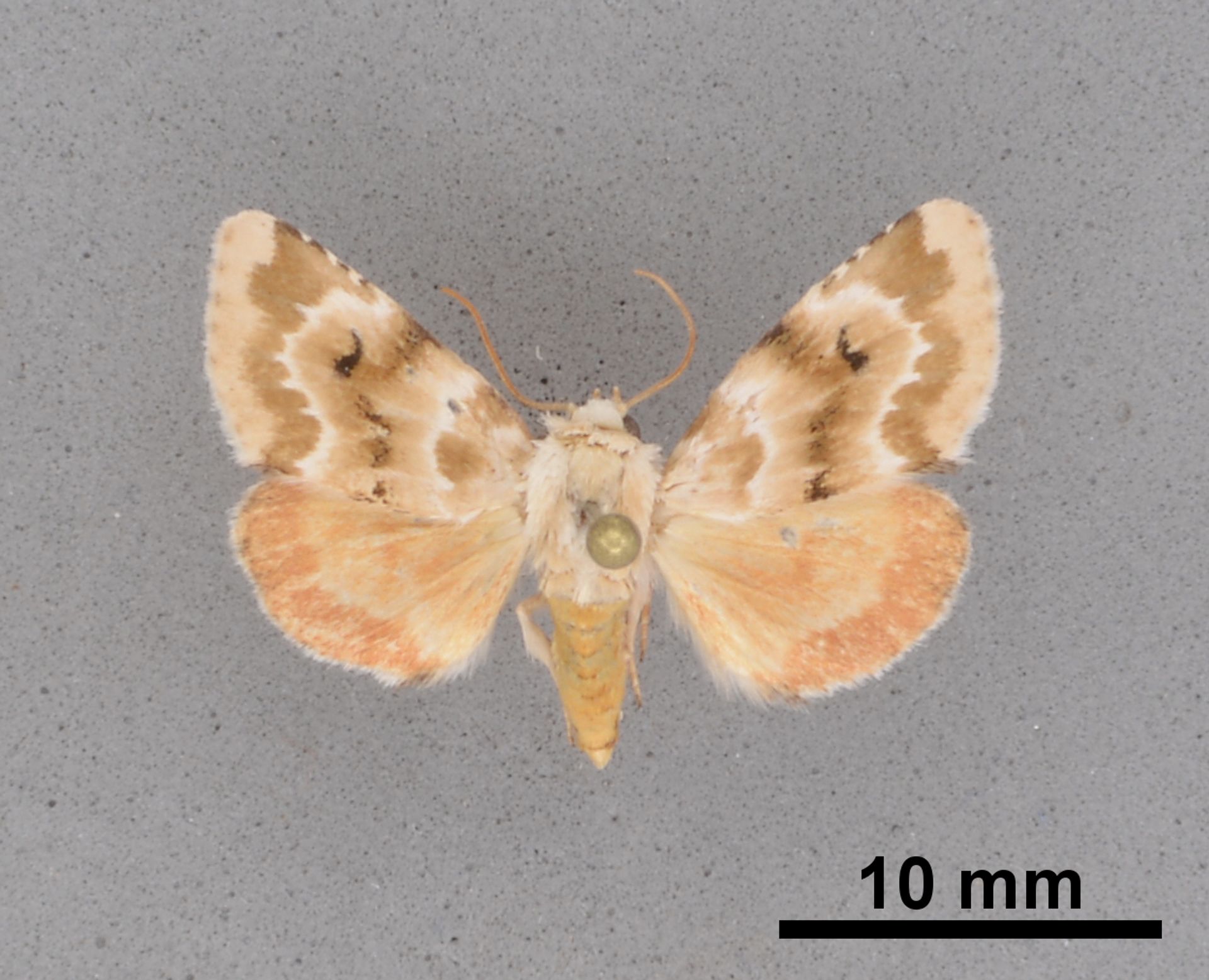
Schinia arefacta, the arefacta flower moth, is a noctuid to Florida and Georgia. It belongs to a large of flower moths known for their colorful appearance and close association with plant flowers. The was described by H. Edwards in 1885. Like other members of the genus Schinia, likely visit flowers for nectar and rest on their host plants.
Pronunciation
How to pronounce Schinia arefacta: //ˈskɪniə ɑːrɪˈfæktə//
These audio files are automatically generated. While they are not always 100% accurate, they are a good starting point.
Identification
As a member of the Schinia, this likely exhibits the bright, contrasting color patterns typical of the group, which often serve as camouflage on flowers. However, specific diagnostic features distinguishing S. arefacta from are not documented in the provided sources. The genus contains over 120 species in North America, many requiring expert examination for identification.
Images
Distribution
to Florida and Georgia, United States. Distribution records indicate presence in North America.
Behavior
are likely or flower visitors, as is common in the Schinia. Many Schinia rest on flowers of their plants during the day.
Ecological Role
As a flower moth, likely contribute to pollination while feeding on nectar. Larvae are herbivores feeding on plant reproductive structures.
Similar Taxa
- Other Schinia speciesOver 120 occur in North America north of Mexico, many with similar flower-associated habits and colorful patterning. S. arefacta is distinguished by its restricted Florida-Georgia distribution.
More Details
Etymology
The specific epithet 'arefacta' is Latin, possibly referring to something dried or withered, though the precise reference is unclear.
Taxonomic note
The Schinia is classified in the Heliothinae within Noctuidae. The was originally described by H. Edwards in 1885.
Sources and further reading
- BugGuide
- Wikipedia
- GBIF taxonomy match
- iNaturalist taxon
- Catalogue of Life
- Bug Eric: Wasp Wednesday: Not Wasp VIII
- Catch a Glimpse of Caterpillars During National Moth Week
- Bug Eric: White Prairie Clover: An Awesome Blossom
- Bug Eric: Remembering National Moth Week 2018
- Bug Eric: October 2018
- 2013 Oklahoma Collecting Trip iReport | Beetles In The Bush