
Psellidotus
Rondani, 1863
Species Guides
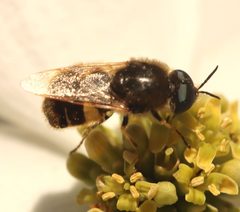
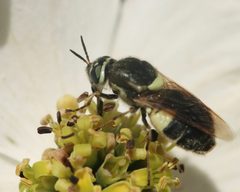
5Psellidotus is a of soldier flies in the Stratiomyidae, Stratiomyinae, and tribe Stratiomyini. The genus was established by Rondani in 1863 and contains approximately 50 described distributed primarily in the New World, with greatest diversity in the Neotropical region. are characterized by patterned with horizontal banding, a trait associated with detection of horizontally polarized light and linked to the aquatic larval typical of stratiomyine flies. The genus is taxonomically challenging, particularly in South America where species boundaries with the related genus Hedriodiscus become unclear.
Pronunciation
How to pronounce Psellidotus: /pˌsɛlɪˈdoʊtəs/
These audio files are automatically generated. While they are not always 100% accurate, they are a good starting point.
Identification
Psellidotus can be distinguished from the related Odontomyia by subtle morphological characters, though definitive separation from Hedriodiscus in the Neotropics is problematic. exhibit the characteristic patterned of stratiomyine flies, with horizontal banding on the . The genus is placed in tribe Stratiomyini based on adult and larval consistent with this group. -level identification requires examination of fine structural details and is complicated by the poor state of knowledge for most Neotropical species beyond their original descriptions.
Images
Habitat
Larvae of Psellidotus, like other members of Stratiomyinae, are aquatic. are often found in association with flowers and vegetation near larval development sites. Specific microhabitat preferences for most remain undocumented.
Distribution
The is distributed across the New World, with recorded from North America (including the United States and Mexico), Central America, and South America (including Argentina). The greatest occurs in the Neotropical region.
Life Cycle
Larvae develop in aquatic environments, consistent with the of Stratiomyinae. feed on pollen and nectar at flowers. Detailed information for most is lacking.
Behavior
have been observed visiting flowers. The horizontal banding pattern suggests capacity for detecting horizontally polarized light, which may function in locating mates and suitable oviposition sites in aquatic .
Ecological Role
As aquatic larvae, Psellidotus contribute to detrital processing in freshwater systems. serve as when visiting flowers.
Similar Taxa
- OdontomyiaSimilar overall appearance and shared tribe Stratiomyini; Psellidotus was initially confused with this by early collectors
- HedriodiscusClosely related with which Psellidotus becomes difficult to distinguish in the Neotropical region; boundaries between these genera are fuzzy in South America
More Details
Taxonomic challenges
The majority of Psellidotus in the Neotropics are very poorly known outside of their original descriptions, and the distinction between Psellidotus and Hedriodiscus becomes unclear in South America.
Eye pattern function
The horizontal banding pattern on the of Psellidotus is thought to enable detection of horizontally polarized light, similar to tabanid flies. This visual capability is associated with aquatic lifestyles and may assist in locating water bodies for oviposition.
Collection records
Psellidotus snowi has been recorded from Missouri, USA, where it was photographed on flowers of Coreopsis lanceolata in xeric dolomite prairie remnants.