Odontomyia
Meigen, 1803
soldier flies, brigadier flies
Species Guides
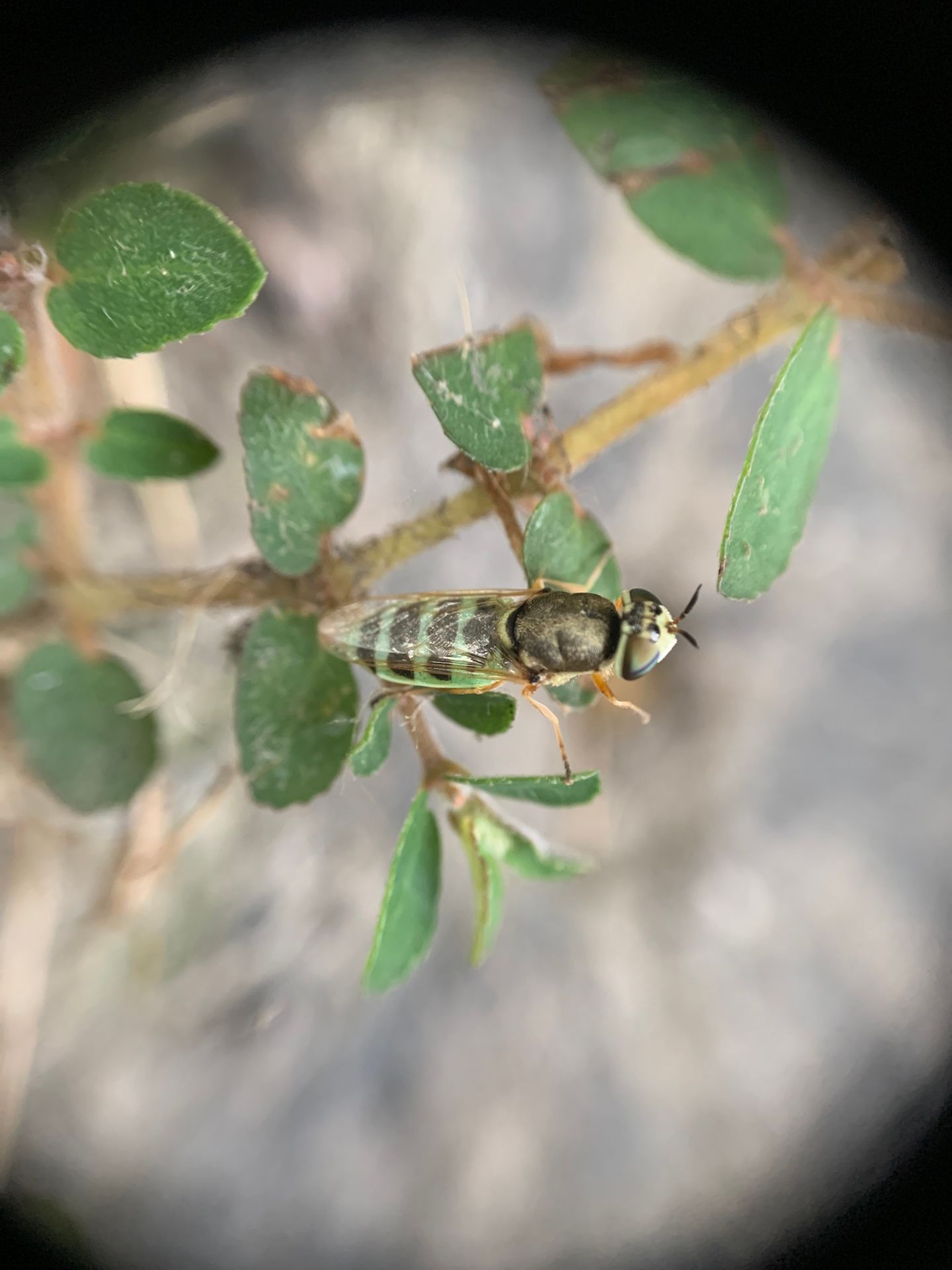
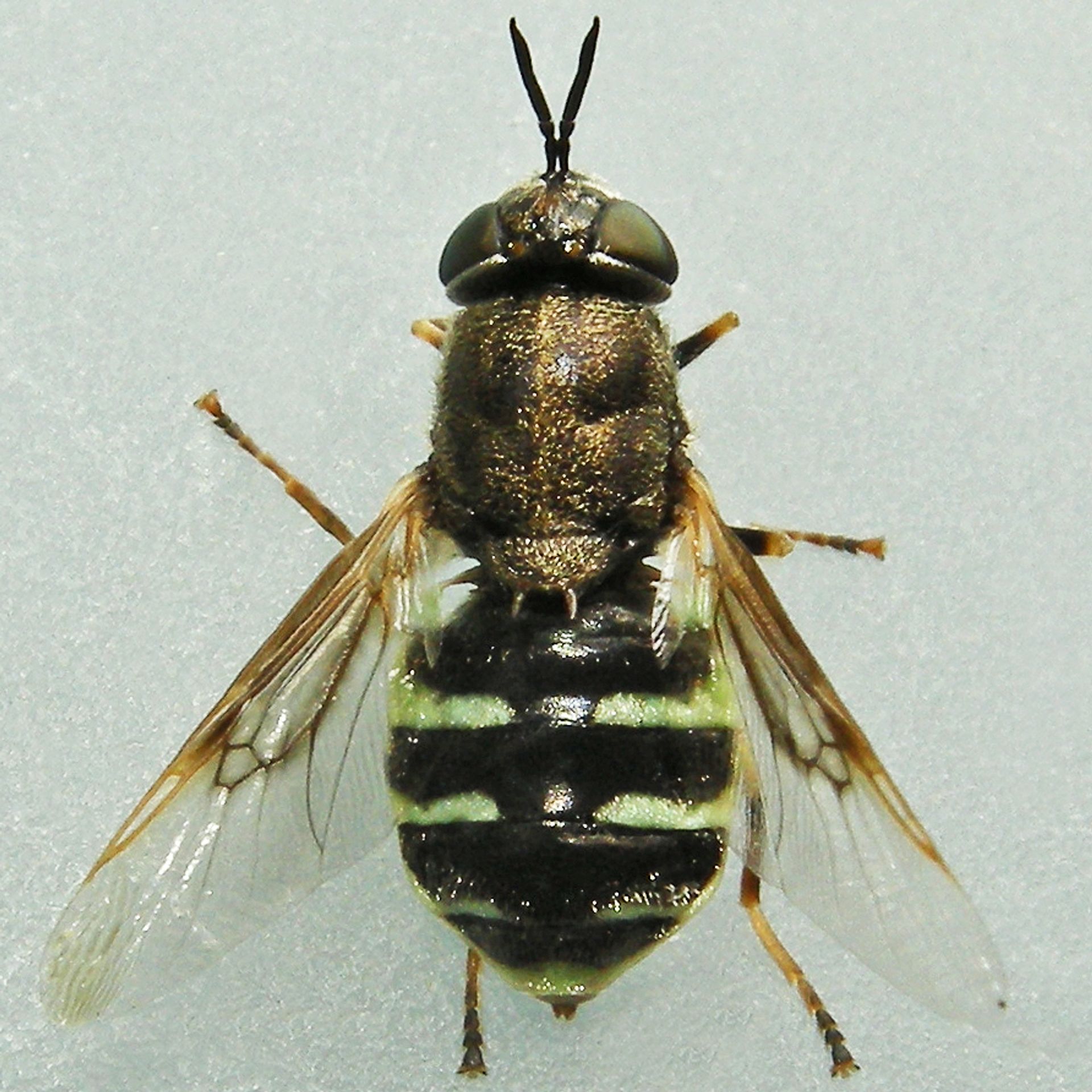
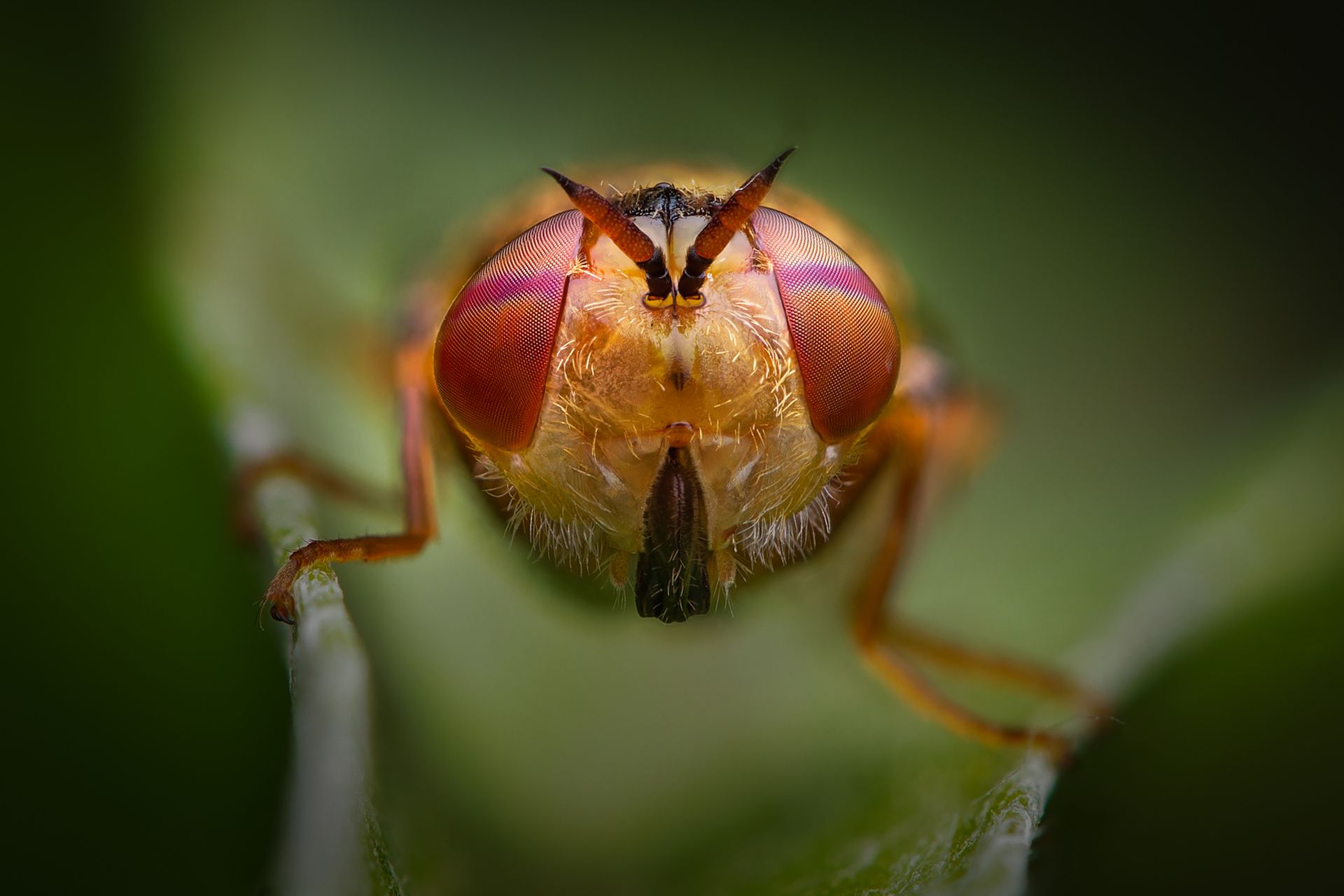
13Odontomyia is a of soldier flies in the Stratiomyidae. in this genus are characterized by distinctive color patterns, often with orange or yellow markings on dark backgrounds. The genus occurs across temperate and tropical regions of Europe, Asia, and the Americas. Larvae are aquatic, inhabiting ditches and other freshwater . Some species serve as indicators of habitat quality in wetland .
Pronunciation
How to pronounce Odontomyia: //oʊˌdɒn.toʊˈmaɪ.i.ə//
These audio files are automatically generated. While they are not always 100% accurate, they are a good starting point.
Identification
Odontomyia can be distinguished from similar in the tribe Stratiomyini by their characteristic body shape and coloration. often exhibit striking orange or yellow markings on black tergites. The genus is similar to Psellidotus and Hedriodiscus, with which it shares tribe-level characters; these genera are separable in the Nearctic region but distinctions become less clear in the Neotropics. Larvae of Odontomyia are large and elongate, either free-floating or crawling among aquatic vegetation near the surface.
Images
Habitat
Larvae inhabit aquatic environments, particularly ditches, marshes, and other freshwater with rich vegetation. For Odontomyia ornata, preferred habitats are ditches more than 1m wide with structurally diverse vegetation floating near the surface, rather than ditches choked with emerged vegetation. The is strongly associated with coastal grazing marshes and serves as an indicator of good habitat quality in these systems.
Distribution
Temperate zone of Europe (especially England, Wales, and the Netherlands), with occasional records in the Mediterranean zone. In Asia, recorded from Pakistan, India, Thailand, Singapore, and the Philippines. Also present in the Americas, with records from Colombia. In Britain, considered Nationally Scarce with strongholds in Somerset Levels, Gwent Levels, and Norfolk Broads.
Seasonality
of at least some fly between late May and early July. Specific periods for other species are not well documented.
Diet
of Odontomyia ornata have been observed seeking nectar on flowers of Hemlock Water-dropwort (Oenanthe crocata). Larval diet is presumed to be detritivorous or saprophagous, typical of stratiomyine larvae, though direct observations are lacking.
Life Cycle
Large elongate larvae inhabit ditches, either free-floating or crawling among aquatic vegetation near the surface. occurs in the soil or aquatic substrate. emerge and are active during late spring to early summer. Specific details on -laying and pupal stage duration are not documented.
Behavior
are and often found near their larval aquatic . Larvae are aquatic and can be easier to locate than adults. Some are considered indicators of good habitat quality in coastal grazing marshes.
Ecological Role
Larvae function as decomposers in aquatic , processing organic matter in ditches and marsh . may contribute to pollination through nectar feeding. The presence of certain indicates high-quality wetland habitat conditions.
Human Relevance
Some serve as bioindicators for wetland quality assessment. Odontomyia ornata is specifically noted as an indicator of good habitat quality in coastal grazing marshes. No significant pest or beneficial economic impacts have been documented.
Similar Taxa
- PsellidotusSimilar appearance and shared tribe Stratiomyini; distinguished by subtle morphological characters that become difficult to separate in the Neotropics
- HedriodiscusClosely related in tribe Stratiomyini; easily separable from Odontomyia in the Nearctic region but distinctions fuzzy in the Neotropics, especially South America
More Details
Genomic Resources
A complete sequence has been generated for Odontomyia ornata, with total length 2,045.35 Mb, 99.0% scaffolded into 7 chromosomal pseudomolecules (5 plus X and Y ), and a mitochondrial genome of 16.12 kb.
Visual Ecology
Like many stratiomyids, in this may exhibit patterned with horizontal banding, suggesting capability for detecting horizontally polarized light. This visual ability, common in aquatic insects, may assist in locating water surfaces for mating and oviposition.
Sources and further reading
- BugGuide
- Wikipedia
- GBIF taxonomy match
- iNaturalist taxon
- NCBI Taxonomy
- Catalogue of Life
- Diptera | Beetles In The Bush | Page 5
- Identity, larva and distribution of the Oriental soldier fly, Odontomyia ochropa (Diptera: Stratiomyidae)
- Taxonomic Notes on the Soldier Fly Genus Odontomyia Meigen, 1803 (Diptera: Stratiomyidae) from Pakistan with a New Country Record
- The genome sequence of the Ornate Brigadier fly, Odontomyia ornata (Meigen, 1822).