Stratiomyinae
Tribe Guides
3- Oxycerini
- Prosopochrysini
- Stratiomyini(soldier flies)
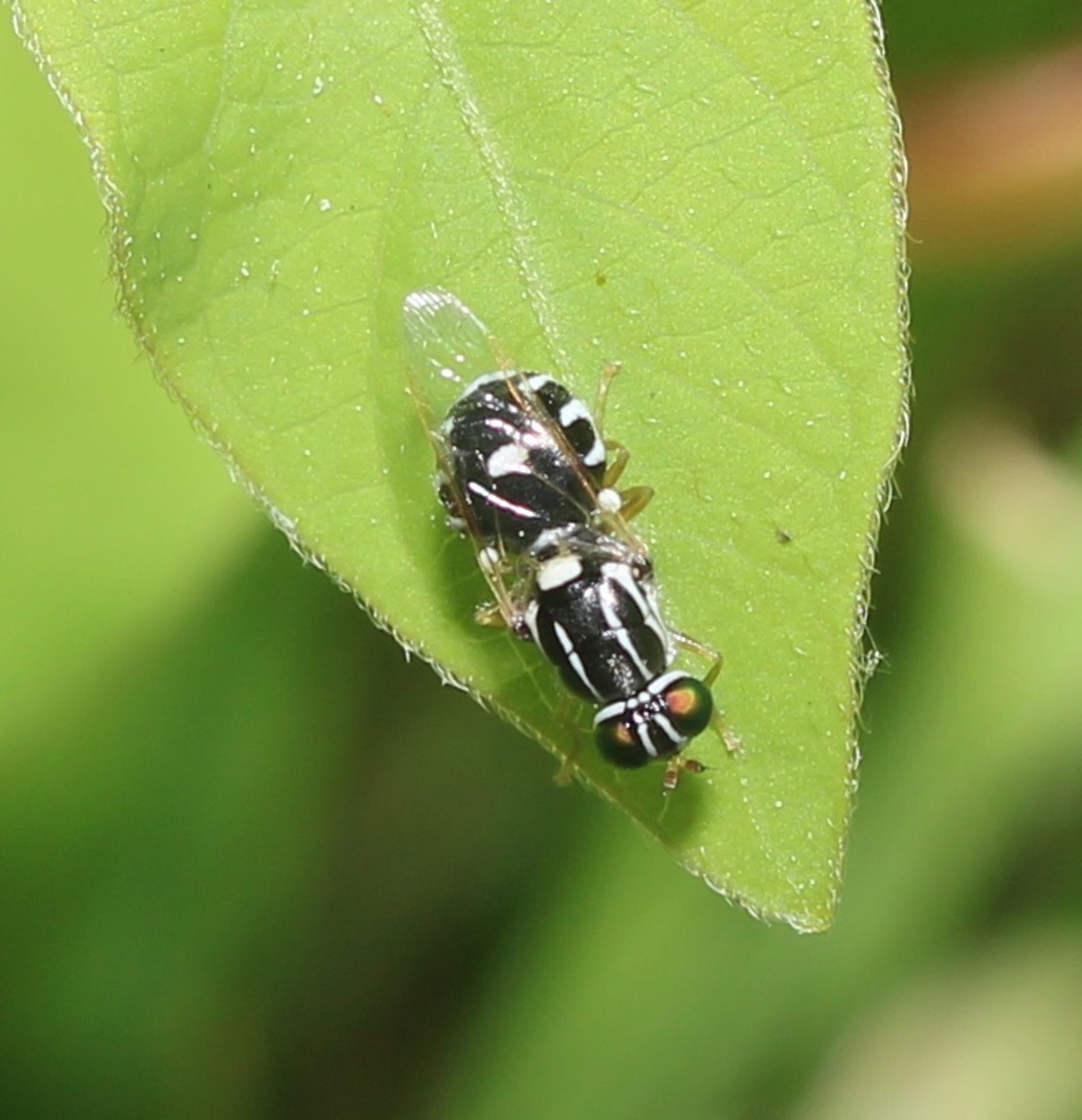
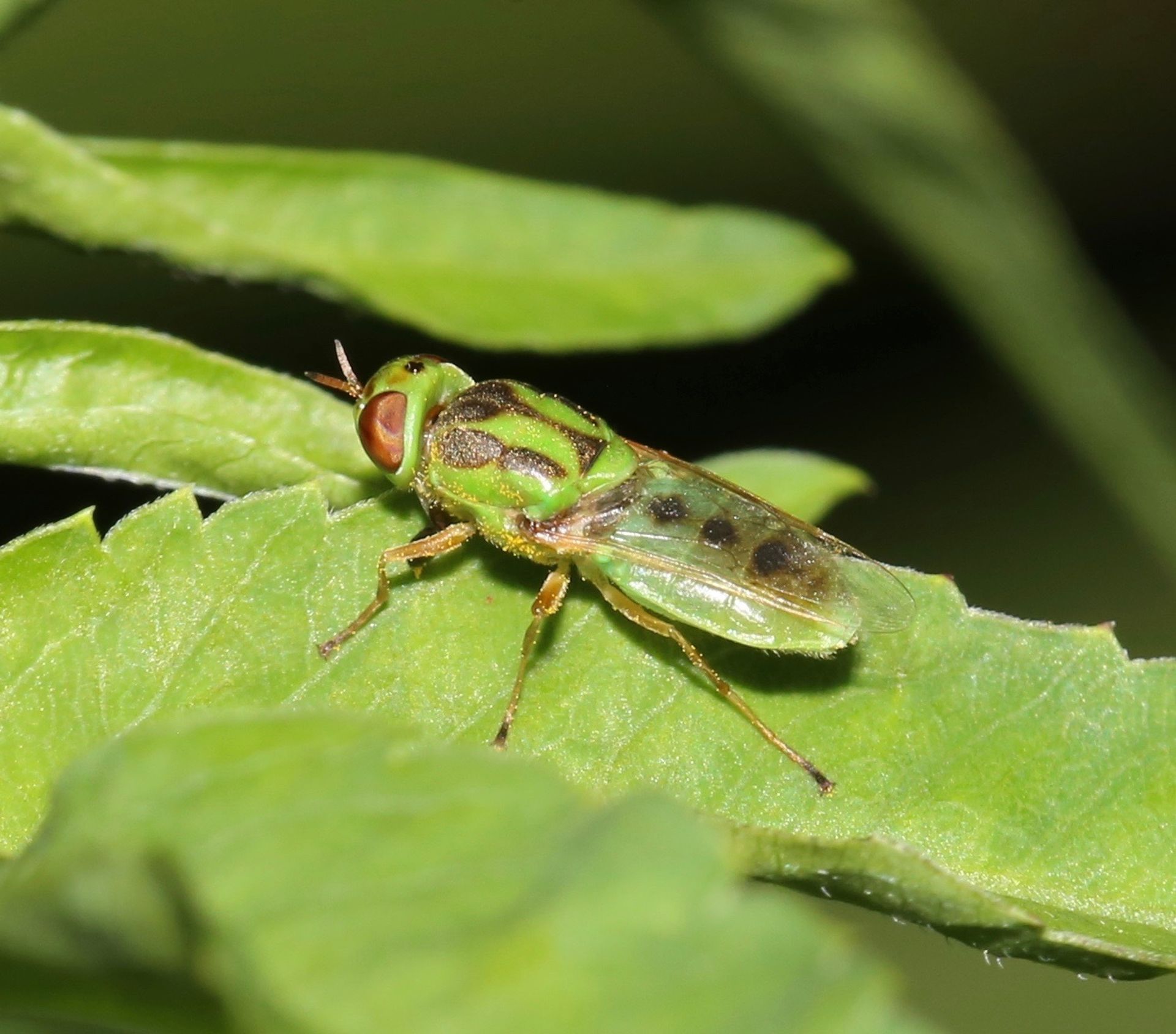
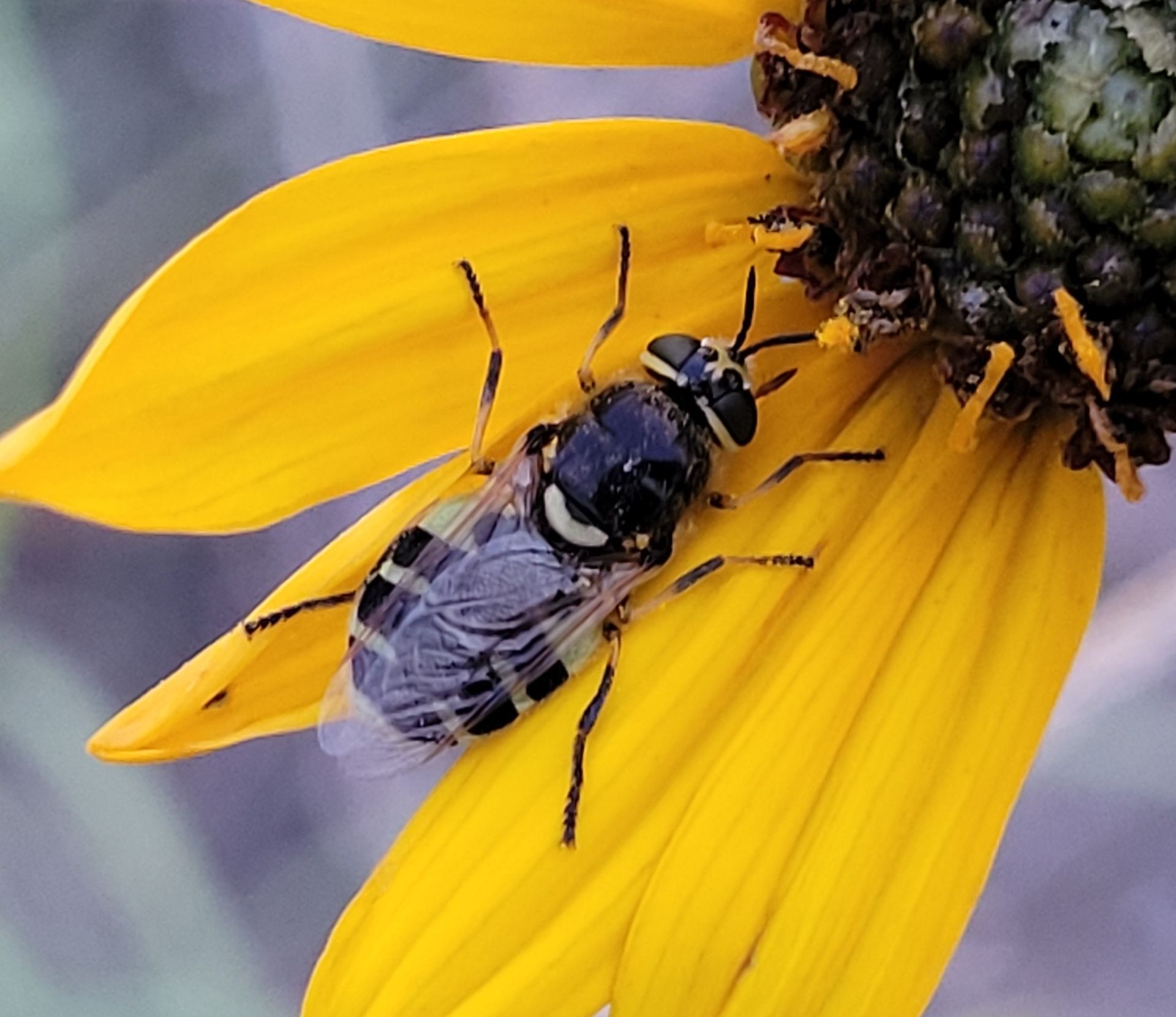
Stratiomyinae is a of soldier flies ( Stratiomyidae) containing approximately 40 arranged in three tribes: Oxycerini, Prosopochrysini, and Stratiomyini. Members are distinguished by larvae that are aquatic or semi-aquatic, a trait that separates them from many other stratiomyid subfamilies. often exhibit striking patterns with horizontal banding, which has been linked to polarization vision potentially used for locating water surfaces for mating and oviposition. The subfamily has a distribution with significant diversity in both Nearctic and Neotropical regions.
Pronunciation
How to pronounce Stratiomyinae: /ˌstrætɪəˈmaɪɪniː/
These audio files are automatically generated. While they are not always 100% accurate, they are a good starting point.
Identification
Stratiomyinae can be recognized by their often robust body form and, in many , conspicuously patterned with horizontal banding. The is distinguished from other Stratiomyidae by the combination of aquatic larval and specific wing venation characters. Within the subfamily, tribes are separated by antennal structure and facial profile: Oxycerini have a strongly concave facial profile below the , Prosopochrysini possess distinctive antennal with the often modified, and Stratiomyini exhibit the most generalized form. such as Odontomyia and Psellidotus are characterized by specific arrangements of bristles on the scutellum and details of leg coloration.
Images
Habitat
Larvae are aquatic or semi-aquatic, inhabiting ponds, marshes, streams, and other freshwater environments. They are found in various substrates including muddy bottoms, decaying vegetation, and submerged plant debris. are typically encountered near larval , often resting on vegetation or visiting flowers.
Distribution
distribution with records from North America, South America, Europe, Asia, Africa, and Australia. Documented from Pakistan (Punjab Province: Narowal, Rawalpindi, and Jhelum districts), Argentina (Buenos Aires Province, Corrientes Province, Chaco Province), and throughout the Nearctic region.
Life Cycle
Larvae are aquatic and pass through multiple instars in freshwater . occurs in the same aquatic environment or in moist soil at the water margin. emerge and disperse, with mating and oviposition occurring near or on water surfaces.
Behavior
of many exhibit strong activity and are often observed visiting flowers for nectar. Some species demonstrate kleptoparasitic associations, as documented for flies near predatory insects. The horizontally banded patterns observed in numerous species have been correlated with the ability to detect horizontally polarized light, a trait potentially used for locating water surfaces, mates, and oviposition sites.
Ecological Role
Larvae function as and saprophages in aquatic , contributing to nutrient cycling in freshwater . may serve as when visiting flowers.
Similar Taxa
- HermetiinaeAnother of Stratiomyidae, but distinguished by larvae that are not aquatic—typically found in decaying organic matter, compost, or manure rather than freshwater .
- SarginaeLarval differs; Sarginae larvae are generally found in moist terrestrial environments, rotting wood, or under bark rather than in aquatic settings.
- Tabanidae may resemble soldier flies in general body form and patterning, but distinguished by blood-feeding mouthparts in females and different wing venation; larvae are also aquatic but possess distinct morphological differences.
More Details
Tribal Classification
The is divided into three tribes: Oxycerini ( Caloparyphus, Euparyphus, Oxycera, Oxycerina, Vanoyia), Prosopochrysini (genera Acanthasargus, Brianmyia, Cyphoprosopa, Exochostoma, Hoplistopsis, Melanoichroa, Myxosargus, Nothomyia, Prosopochrysa, Rhaphiocerina), and Stratiomyini (the largest tribe, containing Afrodontomyia, Alliocera, Anopisthocrania, Anoplodonta, Catatasis, Chloromelas, Crocutasis, Dischizocera, Gongroneurina, Hedriodiscus, Hoplitimyia, Metabasis, Nyassamyia, Odontomyia, Oplodontha, Pinaleus, Promeranisa, Psellidotus, Rhingiopsis, Scapanocnema, Stratiomyella, Stratiomys, Systegnum, Zuerchermyia, Zulumyia).
Polarization Vision
Horizontal banding patterns on the of many Stratiomyinae have been hypothesized to function in detecting horizontally polarized light, similar to the visual system in Tabanidae. This capability is thought to assist in locating water surfaces for mating and oviposition, given the aquatic larval requirements of the .