Stratiomys
Geoffroy, 1762
soldier flies
Species Guides
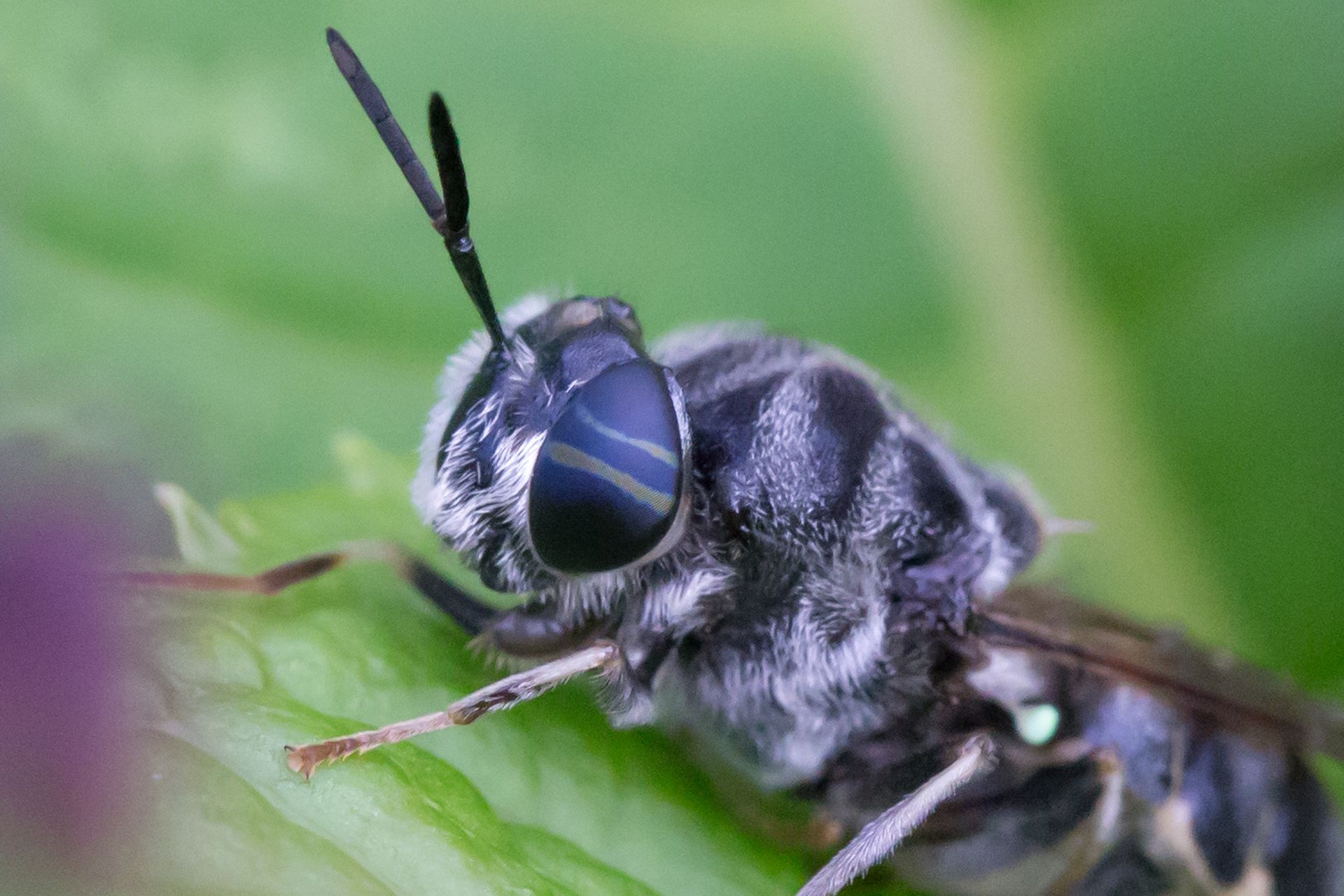
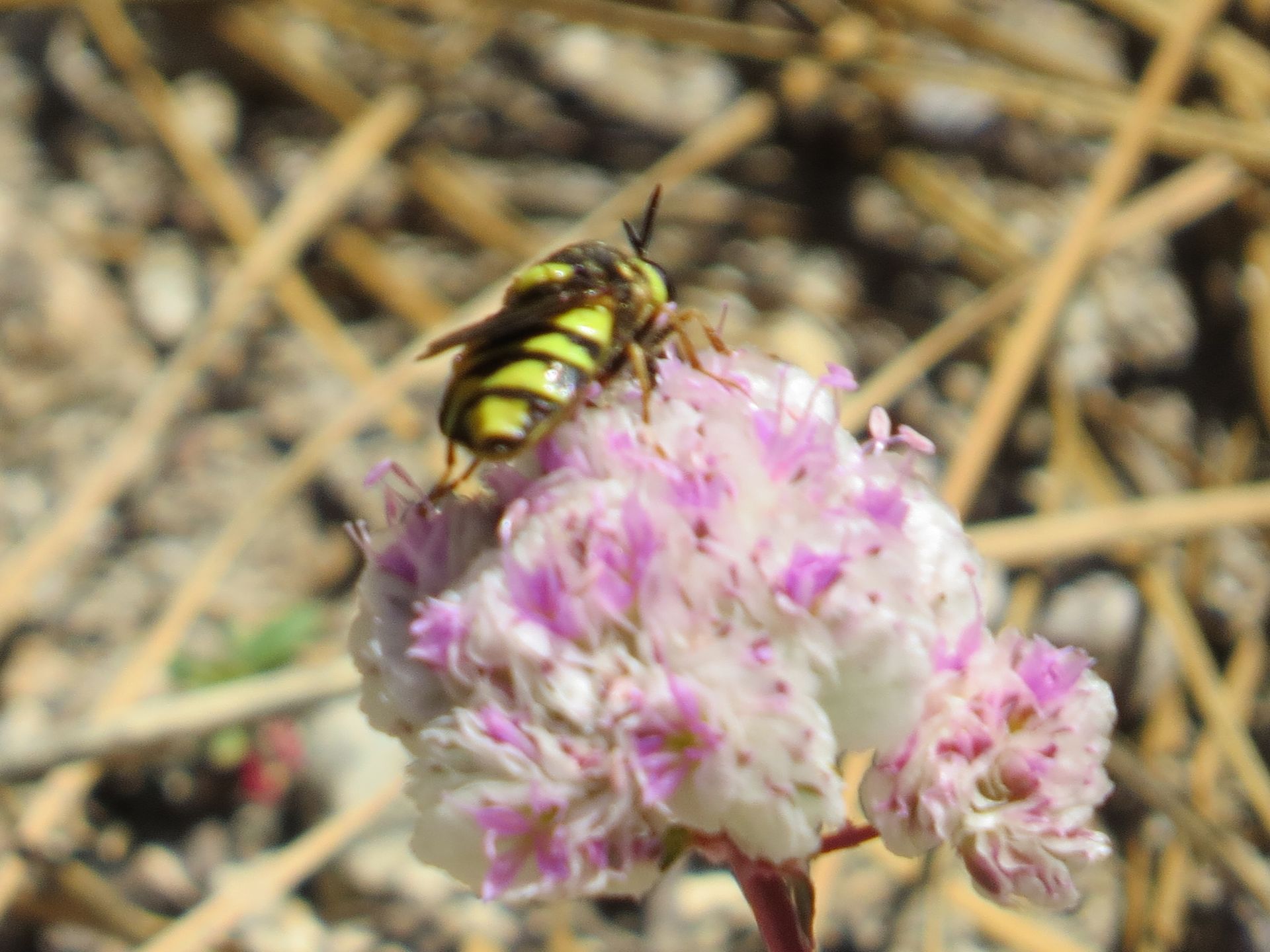
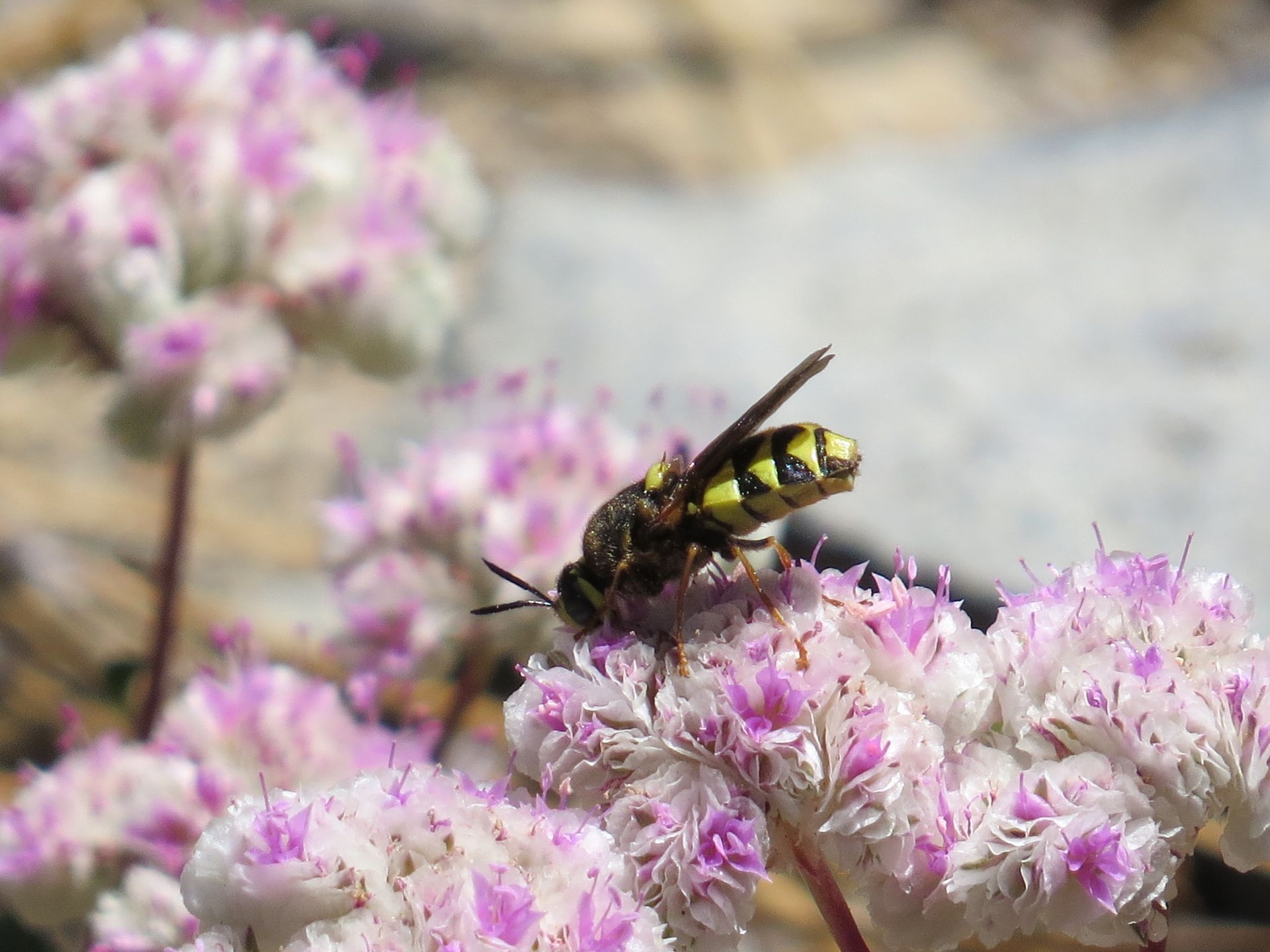
12Stratiomys is a of soldier flies ( Stratiomyidae) containing approximately 50 described distributed across the Holarctic and Palaearctic regions. Species are characterized by black and yellow coloration, broad flattened , and aquatic or semi-aquatic larval stages. are often mimics, with some species exhibiting bold warning coloration. The genus includes both widespread Palaearctic species and regional endemics.
Pronunciation
How to pronounce Stratiomys: /straˈtio.mɪs/
These audio files are automatically generated. While they are not always 100% accurate, they are a good starting point.
Identification
Stratiomys are distinguished from other Stratiomyidae by their broad, flattened with black and yellow patterning, and relatively robust body form. Males typically have hairy while females have bare eyes. The first antennal segment is elongated, approximately four times the length of the second segment. Species-level identification requires examination of abdominal pattern details, thoracic hair coloration, and genitalic structures.
Images
Habitat
Larvae develop in aquatic or semi-aquatic environments including grazing marshes, ditches, muddy washlands, and brackish marshes. are often shallow, -dominated, and eutrophic. are found in vegetation near larval habitats and at flowers.
Distribution
Widely distributed across the Palaearctic region, with records from Europe, Asia, and North America. Specific documented occurrences include: Armenia, Austria, Belgium, Bulgaria, China, Czech Republic, Denmark, England, Estonia, Finland, France, Germany, Hungary, Iran, Ireland, Italy, Kazakhstan, Lithuania, Mongolia, Netherlands, Norway, Poland, Romania, Russia, Slovakia, Spain, Sweden, Switzerland, Ukraine, and Yugoslavia. North American records include the United States (Vermont) and Canada.
Seasonality
activity varies by . Stratiomys singularior adults are on the wing from late May to early September, peaking in July. Larvae of varying sizes can be encountered year-round.
Life Cycle
Larvae are aquatic and develop in marshes, ditches, and semi-aquatic environments. The of at least one (Stratiomys singularior) has been suggested as biannual, though this remains to be definitively established. occurs in the . emerge in late spring through summer.
Behavior
are flower visitors and have been observed feeding on nectar. Some are notably flighty and difficult to approach. The exhibits -mimicry in coloration and body form, presumably as avoidance.
Similar Taxa
- HoplitimyiaBoth are -mimicking soldier flies with black and yellow coloration. Hoplitimyia typically have more slender bodies and different antennal proportions; Stratiomys has a broader, more flattened .
- Syrphidae (hoverflies)Convergent -mimicry creates superficial similarity. Syrphids have a single pair of wings with a distinct venation pattern including a 'false ' (spurious vein), and typically have shorter ; Stratiomys has two visible wing pairs (reduced hindwings as ) and elongated first antennal segment.
More Details
Genomic Resources
The of Stratiomys singularior has been sequenced, comprising 715.20 Mb assembled into 6 chromosomal pseudomolecules (5 + X ), with 11,614 protein-coding genes identified.
Sources and further reading
- BugGuide
- Wikipedia
- GBIF taxonomy match
- iNaturalist taxon
- NCBI Taxonomy
- Catalogue of Life
- Fly got eye! | Beetles In The Bush
- Biology and description of larva and puparium of the Palaearctic soldier flyStratiomys ruficornis(Diptera: Stratiomyidae)
- The genome sequence of a soliderfly, Stratiomys singularior (Harris, 1776).