Stratiomyini
soldier flies
Genus Guides
6- Anoplodonta
- Hedriodiscus
- Hoplitimyia
- Odontomyia(soldier flies)
- Psellidotus
- Stratiomys(soldier flies)
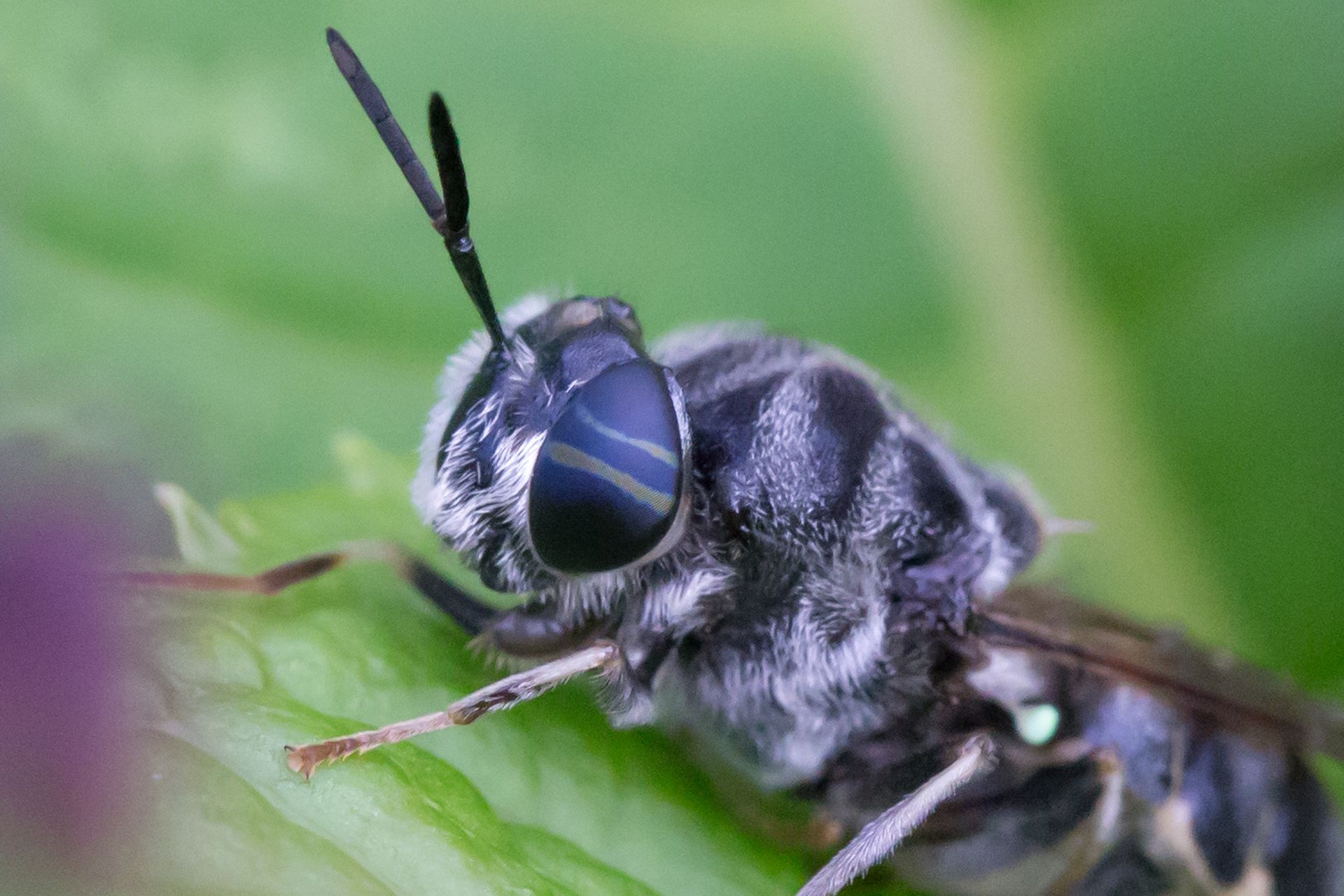
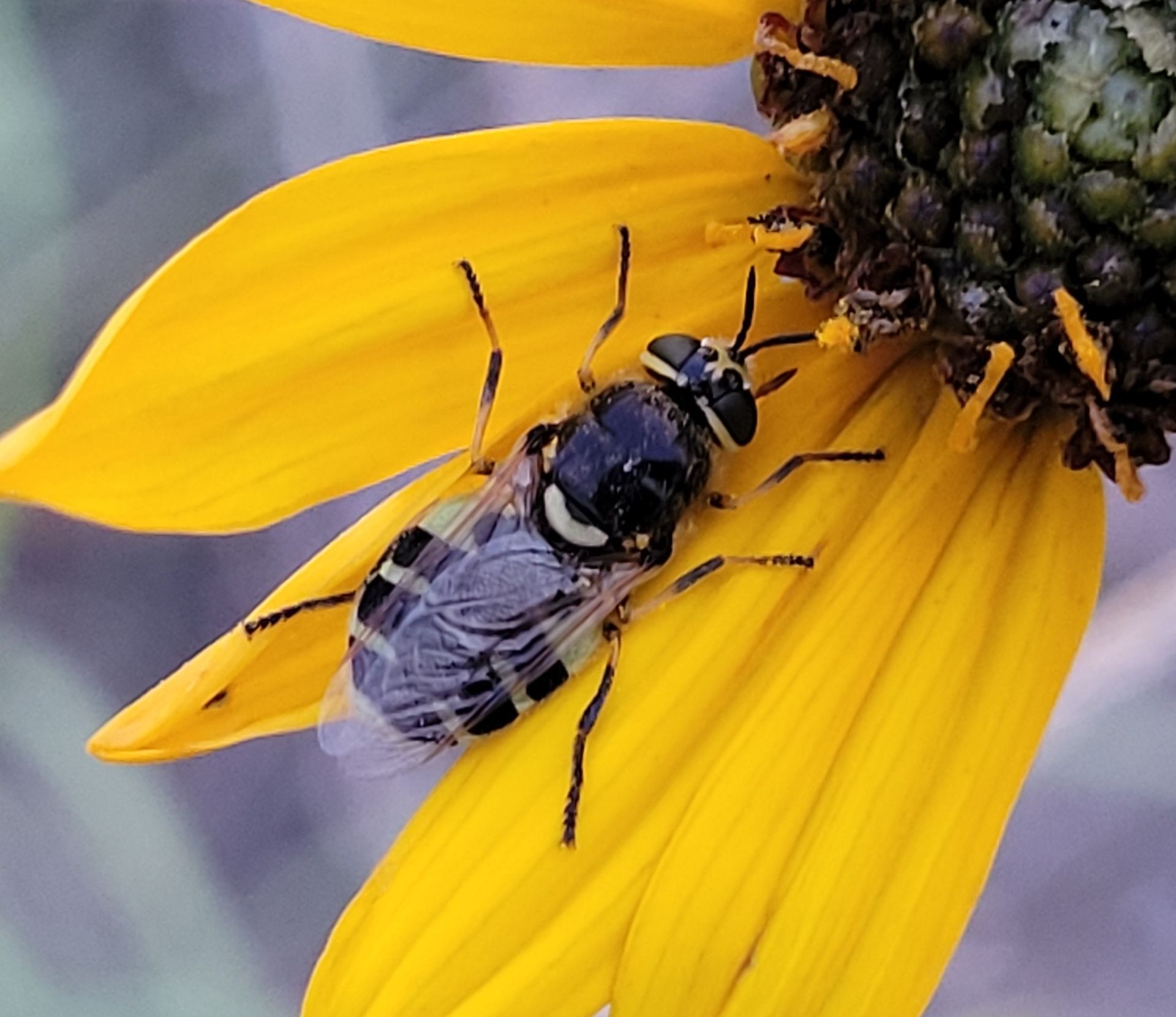
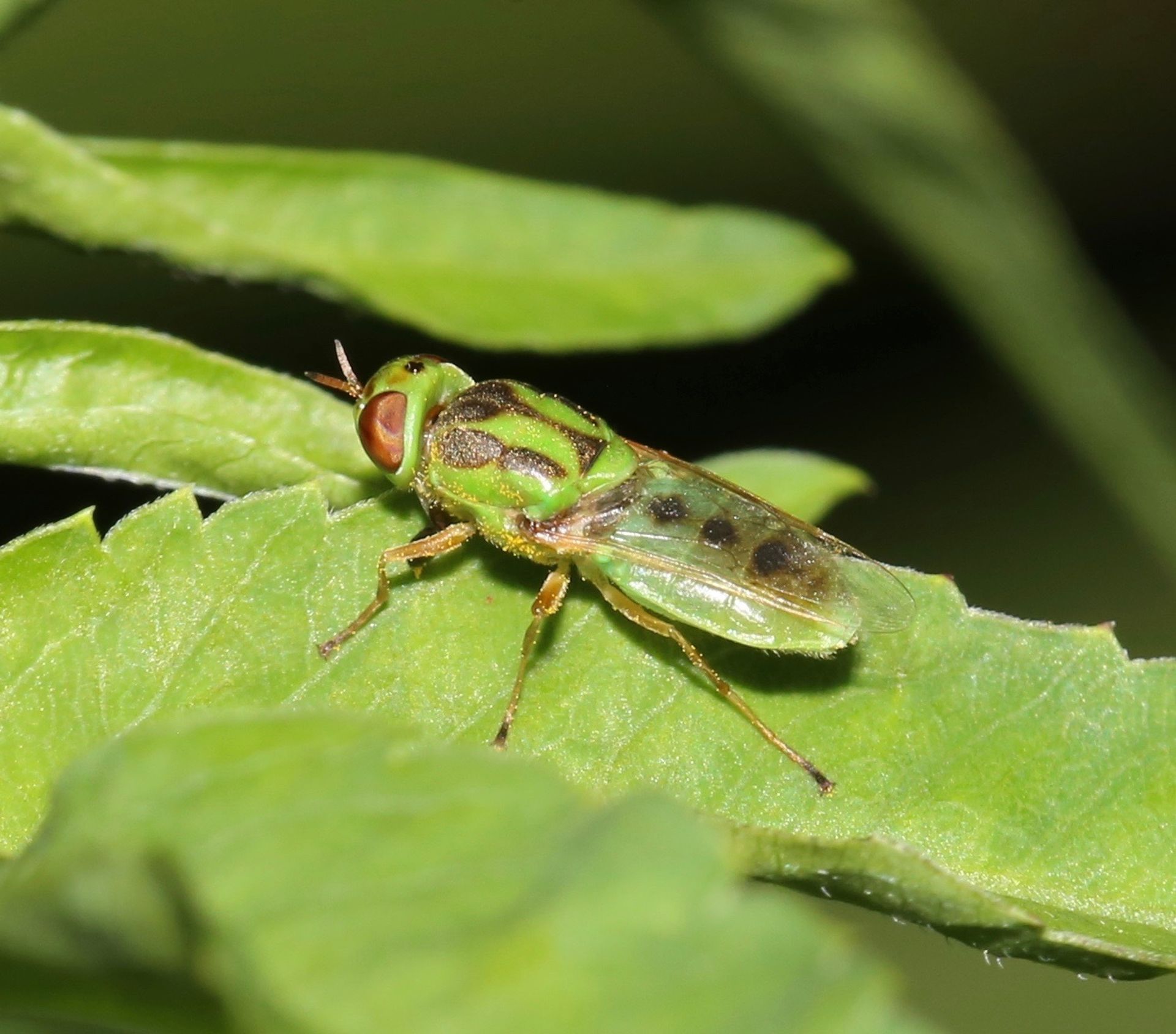
Stratiomyini is a tribe of soldier flies ( Stratiomyidae) characterized by with strikingly patterned that often display horizontal banding. Members of this tribe are frequently - or -mimics in appearance. The tribe includes such as Odontomyia, Psellidotus, and Hedriodiscus. Larvae of the Stratiomyinae, which includes Stratiomyini, are aquatic.
Pronunciation
How to pronounce Stratiomyini: //strætɪoʊˈmaɪənaɪ//
These audio files are automatically generated. While they are not always 100% accurate, they are a good starting point.
Identification
Horizontal banding of the is a distinctive feature; this pattern is linked to detection of horizontally polarized light. The tribe can be distinguished from related tribes by characters of wing venation and antennal structure. within the tribe are separated by features of the , , and leg ; Psellidotus and Hedriodiscus are particularly difficult to distinguish in the Neotropics.
Images
Habitat
are found in diverse terrestrial including forests, fields, and along water edges. Larval habitats are aquatic or semi-aquatic, including ponds, streams, and moist organic substrates.
Distribution
Widespread across multiple continents including North America, Central America, South America, and other regions. Individual have more restricted distributions; for example, Odontomyia occurs in the Nearctic region while Psellidotus and Hedriodiscus are primarily Neotropical with some Nearctic representation.
Life Cycle
Larvae are aquatic, developing in water or saturated organic matter. emerge and are active during warmer months. Specific developmental details vary by and .
Behavior
have been observed visiting flowers for nectar. Some exhibit strong capabilities and rapid, darting movements. The horizontal banding suggests these flies can detect horizontally polarized light, potentially used for locating water surfaces, mates, or oviposition sites.
Ecological Role
Larvae function as decomposers in aquatic , processing organic matter. may contribute to pollination through flower visitation.
Human Relevance
Generally harmless to humans; -mimicry may cause temporary alarm. No significant economic impact documented.
Similar Taxa
- BombyliiniAlso contains -mimicking flies, but distinguished by different wing venation and the presence of a long for feeding at flowers
- SyrphiniHover flies with similar -mimicry, but distinguished by different wing venation, typically shorter , and different larval
- TabanidaeHorse flies share large, banded and detection of polarized light, but are distinguished by blood-feeding mouthparts in females and different body form
More Details
Polarized light vision
Horizontal banding in the of Stratiomyini and related flies is associated with detection of horizontally polarized light. This capability is common in aquatic insects and may assist in locating water for oviposition.
Taxonomic challenges
The distinction between Psellidotus and Hedriodiscus becomes unclear in the Neotropics, and many Neotropical remain poorly known beyond original descriptions.