Fly
Guides
Cerodontha feldmani
Cerodontha feldmani is a species of leaf miner fly in the family Agromyzidae, described by Eiseman and Lonsdale in 2018. The genus Cerodontha contains numerous small flies whose larvae create distinctive mines within plant tissues. As a member of this genus, it shares the characteristic biology of grass- and sedge-associated leaf miners, though species-level documentation remains limited.
Chrysopilus thoracicus
Golden-backed Snipe Fly
Chrysopilus thoracicus, commonly known as the golden-backed snipe fly, is a species of snipe fly in the family Rhagionidae. It is typically found in woodland habitats of eastern North America. The species is distinguished by its golden or yellowish coloration on the thorax, which gives rise to its common name. Adults are most commonly observed during late spring and early summer months.
Chrysops cincticornis
Ring-clawed Deer Fly
Chrysops cincticornis is a deer fly in the family Tabanidae, first described by Walker in 1848. It is commonly known as the Ring-clawed Deer Fly. The species has been documented in Vermont and other parts of the United States, with 291 observations recorded on iNaturalist. Research on this species has focused on its oviposition behavior and fecundity, with laboratory studies showing females deposit eggs in gelatinous masses on mud substrates near water, averaging 156 eggs per female.
deer-flyTabanidaeDipteramedical-entomologyovipositionfecundityring-clawed-deer-flyVermontUnited-Statesmud-substrategelatinous-egg-massChrysopsinaeChrysopsiniWalker-1848iNaturalistlaboratory-rearingegg-mass156-eggsrange-42-312near-watermud-like-substrateegg-depositionreproductionbehavioral-studymedical-entomology-researchinsect-vectorsbiting-fliestabanid-flieshorse-fliesdeer-fliesChrysopsNorth-AmericaNew-Englandobservation-recordssynonym-status-in-Catalogue-of-Lifeaccepted-status-in-GBIFarthropodinsectflyBrachyceraTabanomorphaHexapodaPterygotaAnimaliaArthropodaInsectacincticornisChrysops-cincticornis-Walker-1848Chrysops-(Chrysops)-cincticornisdeerflyhorseflytabanidbiting-flyvectoroviposition-behaviorfecundity-studyJournal-of-Medical-Entomology198210.1093/jmedent/19.5.597gelatinous-secretionmudwaterlaboratory-conditionsmean-fecundityegg-productionreproductive-biologyentomologyinsect-behaviorinsect-reproductiondipterantrue-flytwo-winged-flynematoceranCyclorrhaphaAschizaSchizophoraAcalyptrataeCalyptrataeOestroideaMuscoideaHippoboscoideaGlossinidaeCalliphoridaeSarcophagidaeMuscidaeFanniidaeAnthomyiidaeScathophagidaeOestridaeTachinidaeSiphonapteraPhthirapteraHemipteraColeopteraLepidopteraHymenopteraNeuropteraMegalopteraRaphidiopteraTrichopteraStrepsipteraMecopteraDipluraProturaCollembolaZygentomaArchaeognathaEphemeropteraOdonataPlecopteraGrylloblattodeaMantophasmatodeaPhasmatodeaOrthopteraDermapteraEmbiopteraZorapteraIsopteraBlattodeaMantodeaPhyllodocidaNotopteraWalker1848speciestaxongelatinoushabitatdistributionGBIFCatalogue-of-LifeNCBIlaboratory-studybehaviorlife-cyclesubstratemud-likemeanrange42-312femaleobservationrecordspecimencollectionmuseumresearchstudyarticleabstractDOIbiologyecologyhorse-flyacceptedsynonymtaxonomyclassificationUS291-observationslaboratory291-iNaturalist-observationsGBIF-distribution-recordsaccepted-species-statussynonym-in-Catalogue-of-Life156-eggs-mean-fecundityrange-42-312-eggs1982-Journal-of-Medical-Entomology-publicationDOI-10.1093/jmedent/19.5.597entomology-researchdipteran-biologyChyliza notata
Conophorus collini
Conophorus collini is a species of bee fly in the family Bombyliidae, described by Priddy in 1958. The species belongs to the genus Conophorus, which is classified within the tribe Conophorini. As with other bee flies, it is a member of the order Diptera, characterized by having a single pair of functional wings. The species is recognized as valid and accepted in taxonomic databases.
Cyamops nebulosus
Cyamops nebulosus is a species of fly in the family Periscelididae, described by Melander in 1913. The family Periscelididae comprises small to medium-sized flies commonly known as periscelidid flies. Very little is known about the biology or ecology of this particular species. The genus Cyamops is classified within the subfamily Stenomicrinae.
Diogmites perplexus
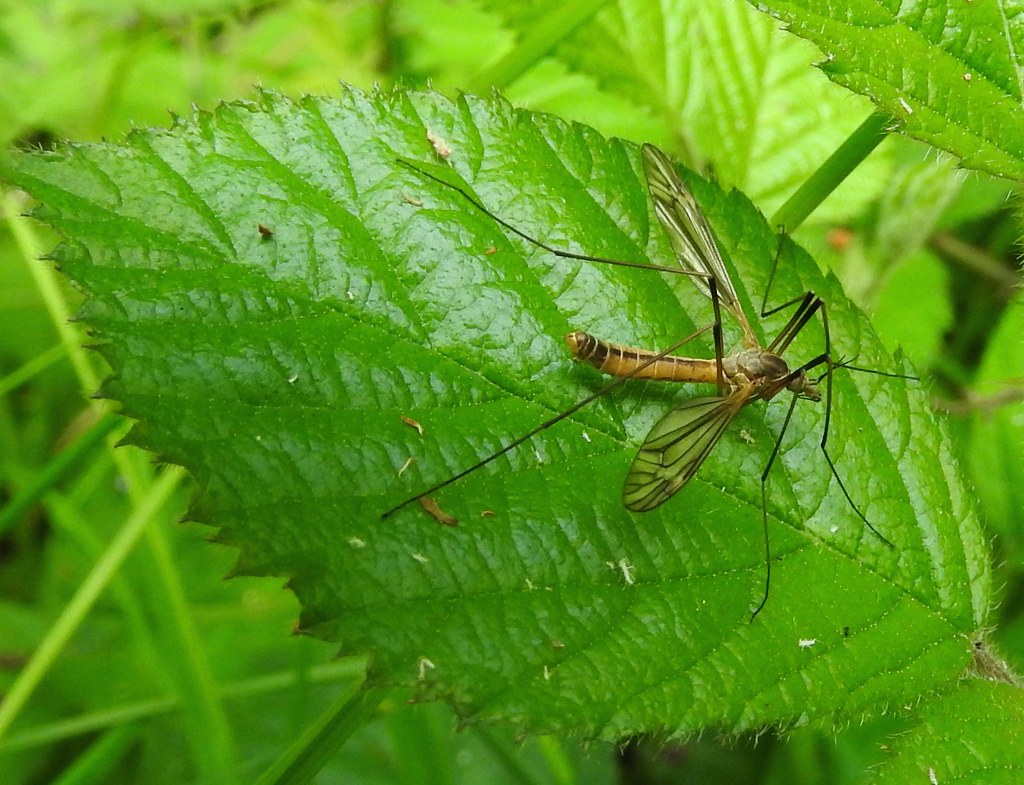
Diptera
Flies, True Flies
Diptera is one of the largest insect orders, containing an estimated 1,000,000 species including house flies, mosquitoes, robber flies, and crane flies. The name derives from Greek 'di-' (two) and 'pteron' (wing), referring to the single functional pair of wings—the hindwings have evolved into halteres, small knobbed structures that function as gyroscopic organs for flight stabilization. This wing modification distinguishes Diptera from all other winged insects and enables their characteristic agile flight. The order exhibits extraordinary diversity in form, size (1-50+ mm), and ecological roles, with species occupying nearly every terrestrial and freshwater habitat.
Dolichopus longipennis
Dolichopus longipennis is a species of long-legged fly in the family Dolichopodidae, described by Loew in 1861. Members of this family are known for their elongated legs and metallic coloration. The genus Dolichopus is one of the largest genera within Dolichopodidae.
Eccoptomera aldrichi
Eccoptomera aldrichi is a species of fly in the family Heleomyzidae, described by Czerny in 1928. The genus Eccoptomera belongs to the diverse group of muscoid flies within the order Diptera. Members of Heleomyzidae are generally small to medium-sized flies associated with decaying organic matter. Specific biological details for this species remain poorly documented in available literature.
Eccoptomera melanderi
Eccoptomera melanderi is a species of true fly in the family Heleomyzidae, first described by Garrett in 1925. The species is currently accepted taxonomically and belongs to a small genus within a family of saprophagous flies commonly associated with decaying organic matter. Very little specific biological information has been published for this particular species.
Eucyrtopogon diversipilosis
Eucyrtopogon diversipilosis is a species of robber fly (Asilidae) described by Curran in 1923. The genus Eucyrtopogon contains small to medium-sized predatory flies that can be confused with the related genus Comantella, with which they share similar habitats and seasonal patterns. Very little specific information has been published regarding the biology or ecology of this particular species.
Asilidaerobber-flypredatorDipteraNorth-AmericaEucyrtopogoninsectflyCurran-1923diversipilosisdiverse-hairstibia-spurComantellaidentificationantennal-segmentshair-colorationsmall-to-mediumpredatorysimilar-generaconfusiontaxonomyrevision-neededseasonal-activityspringfallearlylateoverwinteringadultsgroundbare-soilopen-fieldshumpbackedprofilemarch-flyBibionidaeasilidmatingwolf-spiderPardosapreyspiderBritish-ColumbiaNevadaUtahIdahoCaliforniaColoradoNew-MexicoAlbertaFront-Rangeeastern-ColoradoColorado-SpringsPortaleseastern-New-Mexicowestern-North-Americachecklistrevisionterminal-stylethird-antennal-segmentmaneMohawkthoraxlegs10-15-mmprotected-placesoverwinterbiology-unknownsuspectedobservedCanningsColeDennisLavigneKnutsonBarnesHullJamesBarrStephensNelsonBug-EricFly-Day-FridayMarch-12November-29201120132017iNaturalistGBIFCatalogue-of-Lifeacceptedexact-match1-observationsparse-datainferred-contentconservativefactualclarityusefulnesscautious-languagehas-been-observedis-known-tonullunknownnot-clearly-supporteddo-not-inferdo-not-fabricatedo-not-repeatunique-contentnon-overlappingdirect-sentencesconcrete-statementshigh-level-overviewphysical-descriptiondistinguishenvironmentconditionsgeographic-rangetimingfeeding-habitsdevelopmental-stagesnotable-actionsecosystem-roleinteraction-with-humansmeaningfulimportant-additional-contextcleardirectavoid-fluffavoid-filleravoid-repeating-taxonomyavoid-technical-jargonconcretewell-supportedpartial-but-reliablestrictly-matchJSON-schemano-extra-fieldsno-commentaryentomology-guideaccurateinformativefactual-correctnesscompletenessverbosityspeculationjustifiedvague-generalizationslike-most-insectstypically-feeds-on-plantsbehaviorsdietlife-cycle-detailshost-relationshipshighmediumlowtruefalse3-5-sentencesonlyhow-to-distinguishmust-include-reasononly-if-meaningfulonly-for-important-additional-contextavoid-overly-technical-jargonEuptilopareia vicinalis
Euptilopareia vicinalis is a species of tachinid fly described by Reinhard in 1956. It belongs to the tribe Voriini within the subfamily Dexiinae. The genus Euptilopareia contains relatively few described species, and this species is known from North America. Like other tachinid flies, it is presumed to be a parasitoid, though specific host records for this species are not documented.
Haplusia rubra
Haplusia rubra is a species of gall midge in the family Cecidomyiidae, a diverse group of small flies commonly known as gall midges or gall gnats. The species was described by Felt in 1908. Like other members of its family, it is likely associated with plant galls, though specific details about its biology remain poorly documented. The genus Haplusia is part of the large and taxonomically complex Cecidomyiidae, which contains thousands of species worldwide, many of which are poorly known.
Helius
Helius is a genus of crane flies (family Limoniidae) within the order Diptera. Species in this genus are small to medium-sized flies characterized by relatively short antennae and reduced wing venation compared to other crane fly groups. The genus has been recorded from northern Europe and has over 1000 observations on citizen science platforms.
Homoneura americana
American lauxaniid fly
Homoneura americana is a small fly in the family Lauxaniidae, originally described by Wiedemann in 1830 under the name Sapromyza americana. The species is known from at least one iNaturalist observation and is characterized by its small size and association with decaying organic matter. Members of the genus Homoneura are often attracted to fermenting fruits and other decomposing plant material.
Homoneura fuscibasis
Homoneura fuscibasis is a species of small fly in the family Lauxaniidae, first described by Malloch in 1920. The species name 'fuscibasis' refers to a dark or dusky base, likely describing a color pattern on the body or wings. Members of the genus Homoneura are often attracted to decaying organic matter, including fermenting fruits. One observation from Massachusetts in 2009 noted a pumpkin-orange individual visiting a jack-o'-lantern, suggesting this species may exhibit orange coloration.
Lucilia coeruleiviridis
Blue-green Bottle Fly, Green Bottle Fly
Lucilia coeruleiviridis is one of the most common and ubiquitous blow fly species in the southeastern United States, with a range extending throughout the eastern US. This species is forensically important, frequently used for minimum postmortem interval (mPMI) estimation in death investigations. Larval development is strongly temperature-dependent, with optimal growth occurring at warm temperatures. The species was first described by French entomologist Justin Pierre Marie Macquart in 1855 and was formerly placed in the genus Phaenecia.
Melanomyza manuleata
Melanomyza manuleata is a species of lauxaniid fly described by Loew in 1861. It belongs to a family of small to medium-sized flies commonly known as lauxaniid flies or sapromyzid flies. The species has been documented through limited observations, with only 3 records reported on iNaturalist. As with most members of Lauxaniidae, it is likely associated with decaying organic matter and vegetation, though specific ecological details remain poorly documented.
Mydaea winnemana
Mydaea winnemana is a species of muscid fly described by John Russell Malloch in 1919. It belongs to the subfamily Mydaeinae, a group of generally small to medium-sized flies within the family Muscidae. The species is part of a genus distributed primarily in the Holarctic region. Specific biological details for this species remain poorly documented in available literature.
Paralimna thomae
Paralimna thomae is a species of shore fly in the family Ephydridae, described by Wiedemann in 1830. Very little is documented about this species beyond its taxonomic classification. The genus Paralimna belongs to a family of small flies commonly associated with aquatic or semi-aquatic habitats, though specific ecological details for this species remain unreported.
Pegomya disticha
Pegomya disticha is a species of fly in the family Anthomyiidae, described by Griffiths in 1983. It belongs to a genus whose larvae are primarily known as leaf-miners of various plant hosts. The species name 'disticha' refers to an arrangement in two opposite rows, though the specific application to this species is not documented in available sources. As with many anthomyiid flies, adults likely resemble small house flies in general appearance.
Pegomya winthemi
Pegomya winthemi is a small fly species in the family Anthomyiidae, measuring 4.25–5 mm in length. First described by Johann Wilhelm Meigen in 1829 as Anthomyia winthemi, it occurs in North America and parts of Europe including Denmark, Norway, and Sweden. The species exhibits distinctive morphological features including yellowish-red coloration on the anterior lateral angles of the thorax and scutellum.
Periscelis occidentalis
Periscelis occidentalis is a species of fly in the family Periscelididae, described by Sturtevant in 1954. The genus Periscelis comprises small flies associated with decaying organic matter. Very little published information exists regarding the specific biology, ecology, or distribution of this species.
Phaonia subventa
Phaonia subventa is a muscid fly species described by Harris in 1780. It is distributed across parts of the Palaearctic region, with confirmed records from Belgium, Denmark, Norway, and the Azores (São Miguel). The species is relatively well-documented, with over 2,600 observations on iNaturalist.
Pherbecta limenitis
A species of marsh fly in the family Sciomyzidae, described by Steyskal in 1956. Members of this family are commonly known as snail-killing flies due to the predatory habits of their larvae. The genus name Pherbecta and species epithet limenitis suggest taxonomic relationships, though the specific etymology of the species name (shared with the butterfly genus Limenitis) may reflect morphological or ecological parallels rather than direct biological connection.
Phytomyza ovalis
Phytomyza ovalis is a species of leaf miner fly in the family Agromyzidae. The species was described by Griffiths in 1975. As a member of the genus Phytomyza, it belongs to a group of flies whose larvae feed within plant leaves, creating distinctive mines or trails. The specific epithet 'ovalis' likely refers to some oval characteristic of the species, though the original description would be needed to confirm this.
Poecilominettia valida
Poecilominettia valida is a species of fly in the family Lauxaniidae, originally described by Francis Walker in 1858. The genus Poecilominettia belongs to a family of small to medium-sized flies commonly known as lauxaniid flies, many of which are associated with decomposing plant material. Based on iNaturalist records, this species has been documented in at least 58 observations, suggesting it is not exceptionally rare, though detailed ecological studies remain limited.
Polistes dominula
European Paper Wasp
Polistes dominula is a highly successful invasive social wasp native to Eurasia that has established populations across North America, South America, New Zealand, South Africa, and other regions. First detected in North America near Boston in 1978, it has become one of the most abundant wasps on the continent. The species builds small, exposed paper nests in protected locations and preys primarily on live insects, particularly caterpillars. Unlike yellowjackets, it does not scavenge for meat or sugar. Its rapid spread has been attributed to ecological flexibility, superior competitive ability, and tolerance of human-altered environments.
invasive-speciessocial-wasppaper-wasppredatorpollinatorurban-ecologyeusocialnest-constructionbiological-controlthermal-biologyspatial-learningvibrational-communicationaposematismhonest-signaloverwinteringdiapausePolistesVespidaeHymenopteraNorth-AmericaEuropeNew-ZealandSouth-AfricaSouth-Americamonarch-butterflycaterpillar-predationnest-architecturegynefoundressdominance-hierarchyclimate-change-impactenergeticsmetabolic-ratemicroclimatesuburban-habitatanthropogenicornamental-pestvineyard-pestfruit-damagestinging-insectvenompoison-glandwarning-colorationZahavian-signalStrepsipteraparasitoidXenosbehavioral-plasticityforaginglearningmemorythermoregulationectothermyendothermysolar-radiationnest-temperaturebrood-developmentcolony-survivalmultiple-foundingsingle-foundingseason-lengthlatitudetemperateMediterraneanhibernacleoverwintering-costsclimate-warmingrange-expansioncompetitionnative-species-displacementbiodiversity-impactconservationmanagementcontrolintegrated-pest-managementIPMidentificationantennae-colorfacial-markingscastereproductionmalefemalesexual-dimorphismantennaeabdomenwingmandiblesalivapapercombcellpediceltrophallaxislarvapupaadultworkerqueensubordinatedominantaggressiondefensethreat-displaystingtoxicitybrightnesscolorationpredator-avoidancepreycaterpillarLepidopterabutterflymothgardenagriculturevineyardorchardurbansuburbanruralforesthabitat-preferencetemperaturemetabolismquiescencetorporsurvivalfitnesscolonynestpopulationabundancedistributionrangeexpansioninvasionestablishmentintroductionbiotic-interactiontrophic-cascadeherbivory-suppressionplant-fitnessmilkweedDanaus-plexippusmonarchNelsonTasmanecosystem-impactconservation-managementbiological-invasionecologybehaviorphysiologymorphologytaxonomysystematicsnomenclaturegender-agreementLatinChrist1791Vespa-dominulabasionymcatalogue-of-lifeGBIFiNaturalistobservationcitizen-sciencephotographyillustrationfield-guideorangeblackyellowredcolor-patternsizewing-lengthbodycompactlegsshortfacesquaretriangulardarkcurledstraightelbowedbluntpointedtipZahaviancostly-signalhuntforagenectarhoneydewaphidscale-insectflowergrapeumbelliferfennellovageinsectmeatballfeedemergechewcaphexagonalwood-fiberbarkexposedopenumbrellastalkantrepellentsubstancecoatprotectlocationeaveattictreebranchvineshrubcavitybird-boxbee-hiveshedgrave-lanternoverwintershelterprotectedthermalclimatecoldwinterspringsummerautumnfallseasonmonthdayactivitydefendthreatdisplayraisetiptoesocialdominancehierarchyreproductiveegglayfoundcooperatecompeteselfishpassive-aggressiveindividualrecognitionfacial-markingcognitionmushroom-bodybrainintelligentartistarchitectnavigationplasticityspatialrelocatingfoodresourcedishbaittrainingexperiencevibrationcommunicationsignalsubstrate-borneabdominalwaggingoscillationsecretionmodulationperceivereactmovementattentionfeedinginspectionbody-temperatureambientsolarradiationmetaboliccostenergeticexpenditureefficiencywarmingchangeimpactincreaseinvasivespreadsuccesscompetitiveabilityflexibilityadaptationreactionresponseconditionyearvariationproductivityfoundingsinglemultipleratebenefitcooperationpredationparasitismvesparumstylopidstylopizationparasitehostinfestationmiteAcariwaspflyeffectcommunitydeclineDanausplexippusmortalityinstarearlylatelargersmallervulnerableresistantdiscoverychancecontactdirectrecruitmentnestmatesitecascadingtrophiccascadeherbivorysuppressionplantgrowthproductionAsclepiasnetexclusionexperimentoutcomesuggestionstrongdetrimentalecosystemstrategymethoddevelopmentprotectionbiodiversityregionfirst2016recentestablishedexoticcongenerchinensislongercomparisonhigherlowergreatestareabuiltstructurenativeunsuccessfultranslocateunablethrivewarmerorigincontributorfactorresearchthesisinsightbehaviourknowledgedirectionaideffectivejournalpublicationDOI10.26686wgtn14538585v1UniversityWellingtonVictoriaMScstudentdissertationstudyinvestigationanalysisdatafieldresidentreportlocalindirectinteractionlevelfunctionserviceprovisionnaturalpestbiocontrolornamentaldecorativecropdamagefruitcherrywesternColoradoatleastripeningchoicepreferenceheightgroundstratamicrositeenvironmentclosedhabitatdensevegetationsurroundingbushPatagoniaArgentinaChileNWdetected2003sympatriccoexistenceoverlapminimalfacilitationbehavioralprocessinterspecificsemi-urbanpoorlystudiedspeciesHypodyneruslabiatusnewlightfindingcontributionunderstandingcollectinganthropizedhighlightimportanceconsiderationEthology10.1111eth13505abstractonlylimiteddetailfulltextrequiredcomprehensivesynthesisvibrationalwidespreadregulatecrucialconspicuousoscillatorywagstrictlyassociatedpresencesuggestedinvolvementadult-larvahypothesisshort-termtrophallacticexchangemodulatesalivarydecreaseamountpreparereceivestimulatereleaseelectro-magneticshakerassesstimerecordmeasureimmediatelyafterplaybackresultshowproducepossiblyorderattractduringneithernorsupportallegedrolelong-lastingExperimentalBiology10.1242jeb186247flexiblesystemexpandingNorthAmericacausestirfastuponexplanationpresentliteraturegoodinvadernorthernriselittleknownnestingCentralinvestigatebasicprincipleGermany49°grouponetofoursmallshorterthanothermeannewlyfounded83averagelength4.6prefer54%46%majorincreased47%single-foundresswhereas100%moretwohowevernonumbertermperobservewellthreeconsecutivegreatlydependingprecedingimplyremarkablyquicklyoutsiderapidcolderEcosphere10.1890es15-002541thermoregulatorypolistinedifferentcollectdemandbroodmainlyectothermictasklivingdifferingrevealenvironmentalinfluencewarmSoutherninfraredthermographyentireusually~20–40°CnearlylinearlythoraxwarmestpartachieveoptimalpreferablyusemodelenableevaluationendothermiceffortexhibitweakalmostconstantperformanceaboutcontrastmostlyminoravoidhighwayreduceInsects10.3390insects10070187traitstronglyComparativeB10.1007s00360-016-1041-xprovidedgallicusinsects14110849adverseweatherofferlowshelteredliveenergystoreItalyAustriadescribecalculateaccordingstandarddiffersignificantlybetween3.2±5.718.55.29variancecorrespondcloselymeteorologicalcumulativemass-specificoverperiodlowestcomparedbothacclimationcalculationup3duedramatic40%additionalexponentiallytemperature-dependentfluctuationdisproportionatelyJensen'sinequalitywoodenbirdboxemptybeehiveundergrapevinegravelanterncemeterybeginwhenexceed~18–20confidencenoteinformationinferredfromactivenotdiscussedthissourceassociationaddressedrelationshipinsects14110886thermophilicoriginatingbutnowwidelyquitesynanthropichumansettlementplacewithfavorabletypicalsidewasps'wide~20–37aboveairadvantageasacceleratespeeddidapproximately38.6managedbycoolingnear~1–2cmalwaysclearlyelevatedstationclimate-model-generatedmacroclimaterevealednecessitymeasuringforreliabledescriptioninsects'brighter-coloredpoisonglandFrontiersZoology10.11861742-9994-9-20aposmatismagainstconsistingwarningusingtoxincostlyphysicalcouldsimultaneouslyabundantstrikingsuchcaseindicateanimaltoxicalsowouldensurehonestlyexaminepositivecorrelationexistscollected30photographedthemvolumewidthremainedevencontrollingsuggestpatterntruesignpoisonoustheyhavetheoreticalpredictingindicatesquantitativewithinactingmetabolicallythereforelimitationfirst-yearSpainexactageunknownethanolpreservationmayalterapplieduniformlypseudoreplicationintraspecificsupportedwhilesuccessfullyworldwiderevisitingpreviouslygatheredflightmanipulationperformedtargetseveralvisitadditionallyanalysedealingpositionwhetherchoosevisitedcontainingoptnovelbaitedplaced60awaythentraineitheronceorcomparetakenfinddisplaceddemonstraterapidlylearnedreturncertainsignificantreductionlikewisemanipulatespendinglesseachmoreoverofferedjustmajorityfurthermorecontributebehaviouralconsideringmarginalisCapeProvinceSouthAfricaAfricanEntomology10.40010030220104CaucasianEntomologicalBulletin10.238851814-3326-2015-11-1-85-89degreeHungaryNaturaSomogyiensis10.24394natsom201119229manyEuropeancountryobserved1993documentationphotograph5ofexaminedstylopizedtheseexemplarparasitized18strepsipteranspecimensometaxonscientificnamerankpreferredcommonWonderfulWorldWaspsBugSquadArticleChrisAliceKratzerauthorLinkedInPhototerriblejam-packedpainangerloveusoutbluemindingownbusinesseatpicnicfrightenchildbuildhomecomplicatealready-stressfullifeEveryoneknowsbebetterwithoutSoprefacebookpublishedcompany2020OwlflyLLCwhatwritebelievepointessentialcomplicatedbeautifulIndeedplayimportantprovidebeneficialLookmapesticidelaborpassionatededicatedwrittenconversationaltonelongadmirersupporterwhogrewJerseycontinuerememberinteractingyesgettingstungassortedincludingcometerritorybecomeentomologistoptedengineerreceivedbachelorscience2019mechanicalengineeringRochesterInstituteTechnologyworkedYorkuntilTodayexecutivedirectormanagingdivisionPublishingopportunitydevelopmarketsustainablepotentialmitigationfascinatefoldintowantwhyhowdoiftellbuildingunderstandcycleorganismbeforetryingentangleecologicalmeaninginquilinecalledcuckooexploityoungcallfactcatchdismembertinywaistpreventeatingsoldfluidprimarymostgrasshoppercricketkatydidbeetleearthwormlanternflycockroachspidercicadaaren'tengineering-trainedprofessionalknowledgeablybeganher2018January25pathincludedholingCornellCollectionnetworkingexpertteachingherselfsoftwarealigngeneticbarcodespentclosethousandhourporingplatformidentifyingmappingstudyingcolorincredible400-pagebilledguideallarcticGreenlandAlaskatropicalPanamaGrenadacover20822generafeature900imagemacrophotographerpostingbringbackIowaStateProfessorAmyToth'sseminarDepartmentNematologytoldcrowdattackextremelycomplexfascinatingcreaturecoinedhashtagwasplovewroteillustratedItvarietyyellowjacketEurasianred-bandedAmericanblackjacketvolcanoGuatemalianEasternwidowpolka-dotprairieCaliforniaformdownyGermanknewthere'jacketsfamiliarelaborateknowdominulomeansmistressimpliesIntroduced1970ssincecontinentWomanLynnKimseyBohartMuseumdistinguishedtellingdifferencescavengertakeparticularlyseriousmentionUCStatewideIntegratedProgramwealthPestNotedistincttypefartroublesomeespeciallyground-cavity-nestingtendvigorouslydisturbedDefensiveincreasesprogressesscarcerprimarilystartaroundgarbagecandogcatwhereripeoverripeaccessiblelargecolorfultidbitsprinklethroughoutintriguinginstancePennsylvaniadespiteSomeonemislabeledoriginalAndrated2/5painfulSchmidtIndexBottomlineeye-openerpage-turnermind-boggleroffersapproachbelongslibraryscientistcitizencuriouspersonwantsincrediblydiverseamazingnextgatheringanti-socialfolkaskanyonesharingroseDavisCalifthirstysippingwaterfountainAgraulisvanillaeVacavilletuckedinsideWednesdayCincinnatiOhioamongchangedrecentlyovertakencounterpartStillUnitedadjacentbelongsamefamilyhornpottermasonborealcoolerdecidedlyhandfulreachingrarelyexceeding200unprotectedsuspendtwigstemsemi-protectedhangsturdyoftencoatedrepelchiefconstructionapparentdestinedlikelydeterminedstageacteventuallyassertleaveperformssecuringdevelopingoffspringharvestingfibersurfacedeadfencepostscrapeballdeftlypliesstripaddedexistingworthhavingheavilyWebwormgrabhairybutcherkillspotstrippingoffanyirritatinghairspineeasilyconsumeddirectlyshareturndistributeoccupyreachmaturityspinsilkendometopmoltshortlythereafterfreedomsolefertilizeWatchAugustSeptembereasythoughgenderselbowtapergoldenrodSolidagothroughwortEupatoriumevidentextremevariabilitypairdeepmarkingvaryconsiderablyDNAaddingmudsituationinsteadclarifyingshownbelowgoinglumpEnjoywatchingunlessantagonizegivestandingtip-toeraisingmakeperfectlypeacefulneighborPosted2:40AMEmailThisBlogThis!ShareXShareFacebookSharePinterestLabelsnature6commentShandaSeptember820105:26lovedgetneverfacedcan'twaitkidquestionleftendhibernateproducedReplyDeleteRepliesReplyOutprairieSeptember8:02keepingcabbagewormseenRepliesReplyAnonymousSeptember132:06PMbecominghereUpperPeninsulaMichiganpendulumseemsswungagoeverywherevanishinglyrarehaven'tagainhouserightRepliesReplyL.RShimerSeptember4:35headgalworkeverybodyelsekindaegalitarianRepliesReplyLarryMay9:34directedBevWigneyBTWlivedNEMissouridetailedpresentedThankscogentscientificallyaccuratesummaryinsect'slife-cycleRepliesBugEricMay3:47kindcomplimentsDeleteRepliesReplyReplyAddcommentLoadBlogcurrentlyreplyreaderhimselfWorkingresolveNewerOlderSubscribeAtomDemonizedhosting4p.m.SaturdayJan20Room1124AcademicSurge455CrockerLanecampusAttendeeschatcheck50,000vespideight-millionfreefriendlyParkingestimate2000describedinhabit500undescribedheadline-grabbinggiantVespamandariniaformerlyAsiannewsmediadubbedmurderhornetconfuseidentifysheetexamplehiddenrodentburrowwallhuge100,00willscavengemeatsugarsodahamburgerroadopen-facedcommonlylocatedannualdiecabbagewormwhitesuperbmuchdeliveredpresentationwebsiteinterestedmechanismevolutionhoneyCurrentprojectinvolvenovosequencinggenometranscriptomegenomicepigeneticregulatingnutritionvirushealthholddoctorateIllinoisUrbana–ChampaignGeneRobinsonpostdoctoralChristinaGrozingerunwelcomeyardpatioPreferringlikebeneathSometimesleglessgrublikeoutstretchedhand15relativelyunaggressiveproblemdoorwaylistearlierlepidopterancarryyeastwinemakingfermentationflavorwinefuscatusrecognizedevotedmotherdotefuryopinionhuman-likegreatcooperatoroverallundercurrentselfishnessmanifestperfectthemselvesmushroomlearning/memory10photogenicpeerpetalvisitorcampSierraNevadamountainwitnessedstingingcrowdedtableahsippedwonderedsayselsewherewhichfertilizedmustwarmsenoughlotproteinbabyneedsurvivedbecausedrierusualdealcompetinggomaintenancemodemaintainfuellargelyuselessstartedmidtrapsprayingremoved--thisdonenighthollowavailablenearbyhopewetbarbecueshyexceptdoorwindowhigh-trafficTypicallymatedmidsummerphaserequireceasesweetthingnormallymildcoastalSanFranciscosurviveinformativeYouTubevideoDistinguishingseethosedistinctiveputanotherOaklandRaiders'logoGiantssoakingsunabandonedPollinatorsArtistsdelightoverhangneighborhoodthoughtWowhangingliptrashvanishedTwitterassociateOrganismalRhaphium melampus
Rhaphium melampus is a species of long-legged fly in the family Dolichopodidae, subfamily Rhaphiinae. The species was described by Hermann Loew in 1861. Like other members of the genus Rhaphium, it belongs to a group of predatory flies characterized by their elongated legs. The species has been documented in iNaturalist with 65 observations, suggesting it is not extremely rare, though detailed biological studies appear limited.
Sobarocephala atricornis
Sobarocephala atricornis is a species of fly in the family Clusiidae, described by Sabrosky and Steyskal in 1974. It belongs to the subfamily Sobarocephalinae, a group of flies commonly known as druid flies or lekking flies. The species name 'atricornis' refers to black antennae.
Spallanzania
Spallanzania is a genus of tachinid flies (Diptera: Tachinidae) established by Robineau-Desvoidy in 1830. The genus comprises approximately 15 described species distributed across multiple continents. As members of the subfamily Exoristinae and tribe Goniini, these flies are parasitoids, though specific host associations remain poorly documented for most species. The genus name has been occasionally confused with the mantis species Ameles spallanzania, which is taxonomically unrelated.
Stegana vittata
Stegana vittata is a species of fruit fly in the family Drosophilidae, placed in the subfamily Steganinae. The genus Stegana comprises small flies typically associated with decaying organic matter and fungal substrates. Beyond its taxonomic placement, specific biological details for this species remain poorly documented in accessible literature.
Tipula borealis
Large crane fly
Tipula borealis is a species of large crane fly in the family Tipulidae. It is distributed across northern North America, ranging from Canada southward through the eastern and central United States. Like other crane flies, it has a slender body and extremely long legs, with adults typically active during warmer months. The species is part of a diverse genus containing numerous similar-looking species that require careful examination for identification.
Trixoscelis melanderi
Trixoscelis melanderi is a species of fly in the family Heleomyzidae, described by Vockeroth in 1965. It belongs to the subfamily Trixoscelidinae, a group of small to medium-sized flies often associated with decaying organic matter. The genus Trixoscelis is distributed across the Holarctic region, with species typically found in woodland and forest habitats.
Villa chromolepida
Villa chromolepida is a species of bee fly in the family Bombyliidae, described by Cole in 1922. The species is known from the United States. As with other bee flies, adults likely feed on nectar and pollen, though specific behavioral and ecological details remain undocumented. The genus Villa contains numerous species of bee flies, many of which are parasitoids of other insects.
Villa fulviana
Villa fulviana is a species of bee fly in the family Bombyliidae, first described by Thomas Say in 1824. As a member of the genus Villa, it shares characteristics typical of this group of parasitoid flies. The species has been documented in taxonomic databases and represents part of the diverse North American dipteran fauna.
Xenopterella beameri
Xenopterella beameri is a species of fly in the family Lauxaniidae, described by Steyskal in 1965. The genus Xenopterella is a small group within this family of small to medium-sized flies commonly known as lauxaniid flies. Very little has been documented about the specific biology or ecology of this particular species.