
Stegana vittata
(Coquillett, 1901)
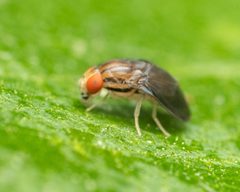
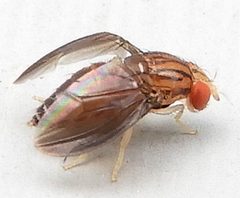
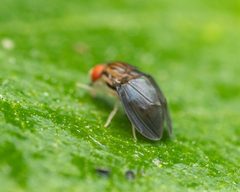
Stegana vittata is a of fruit fly in the Drosophilidae, placed in the Steganinae. The Stegana comprises small flies typically associated with decaying organic matter and fungal substrates. Beyond its taxonomic placement, specific biological details for this species remain poorly documented in accessible literature.
Pronunciation
How to pronounce Stegana vittata: /stæˈɡɑːnə vɪˈtɑːtə/
These audio files are automatically generated. While they are not always 100% accurate, they are a good starting point.
Identification
Stegana vittata can be distinguished from other drosophilids by placement in the Steganinae, which typically features reduced facial vibrissae and modified chaetotaxy compared to the more familiar Drosophilinae. -level identification requires examination of male genitalia and other microscopic characters; the specific epithet 'vittata' (meaning 'striped') likely refers to thoracic or abdominal patterning, though this has not been explicitly described in available sources.
Images
Similar Taxa
- Stegana coleoptrataCongeneric in the same , distinguished by subtle differences in thoracic coloration and male genitalic structures
- Drosophila melanogasterSuperficially similar small fruit fly in the same but placed in Drosophilinae; distinguished by well-developed facial vibrissae and different wing venation
More Details
Taxonomic placement
The Steganinae, to which Stegana belongs, represents a distinct lineage within Drosophilidae, often associated with different than the more intensively studied Drosophilinae. The contains approximately 100 described globally, with highest diversity in tropical and subtropical regions.
Data limitations
Despite the widespread occurrence of the , S. vittata itself has been documented in only four observations on iNaturalist as of the knowledge cutoff, suggesting it is either genuinely rare, underreported, or difficult to identify from photographs.
Sources and further reading
- BugGuide
- Wikipedia
- GBIF taxonomy match
- iNaturalist taxon
- Jasmin Ramirez Bonilla: Targeting Cucumber Beetles on Melons | Bug Squad
- Chrysomelidae | Beetles In The Bush | Page 5
- Bug Eric: Eight Illinois Wasp and Bee Mimics in Twenty Minutes
- Striped Cucumber Beetles: A New Guide Reviews Management Options for Vexing Cucurbit Pests
- Megalopygidae | Beetles In The Bush