
Xylophanes
Hübner, 1819
Species Guides
4- Xylophanes falco(Falcon Sphinx)
- Xylophanes libya(Libya sphinx)
- Xylophanes pluto(Pluto sphinx)
- Xylophanes tersa(Tersa Sphinx)
Xylophanes is a of hawkmoths (Sphingidae) containing over 120 described , making it the most taxonomically diverse genus in the . The genus originated in Caribbean-Mesoamerica during the Late Miocene and subsequently diversified across Neotropical bioregions through a two-phase pattern involving high speciation rates in the Andes and Caribbean-Mesoamerica followed by to Amazonia. Members are strong fliers with high dispersal ability and function as in their .
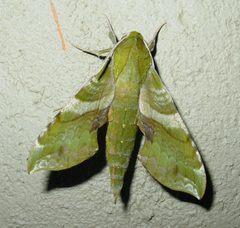
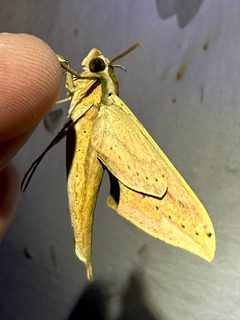
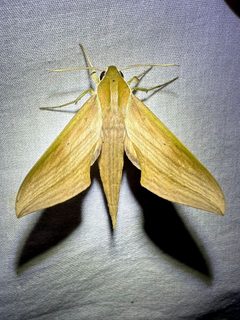
Pronunciation
How to pronounce Xylophanes: /zaɪˈlɒfəˌniːz/
These audio files are automatically generated. While they are not always 100% accurate, they are a good starting point.
Images
Habitat
Neotropical bioregions including Caribbean-Mesoamerica, Andes, Amazonia, Dry diagonal, Atlantic Forest, and North America. Highest and occur in montane Andean and Caribbean-Mesoamerican regions.
Distribution
Widespread across the Neotropical region spanning six biogeographic areas: North America, Caribbean-Mesoamerica, Amazonia, Dry diagonal, Andes, and Atlantic Forest. The originated in Caribbean-Mesoamerica in the Late Miocene with subsequent range expansion to other regions.
Behavior
Strong fliers with high ability. The exhibits a documented two-phase diversification pattern: initial high speciation and from Caribbean-Mesoamerica with immigration into the Andes, followed by high speciation and emigration from the Andes with immigration into Amazonia.
Ecological Role
More Details
Phylogenetic position
Xylophanes belongs to the subtribe Choerocampina, which is predominantly Old World in distribution. This phylogenetic placement suggests either jump to the New World or extinction of other New World representatives during Neogene cooling events.