
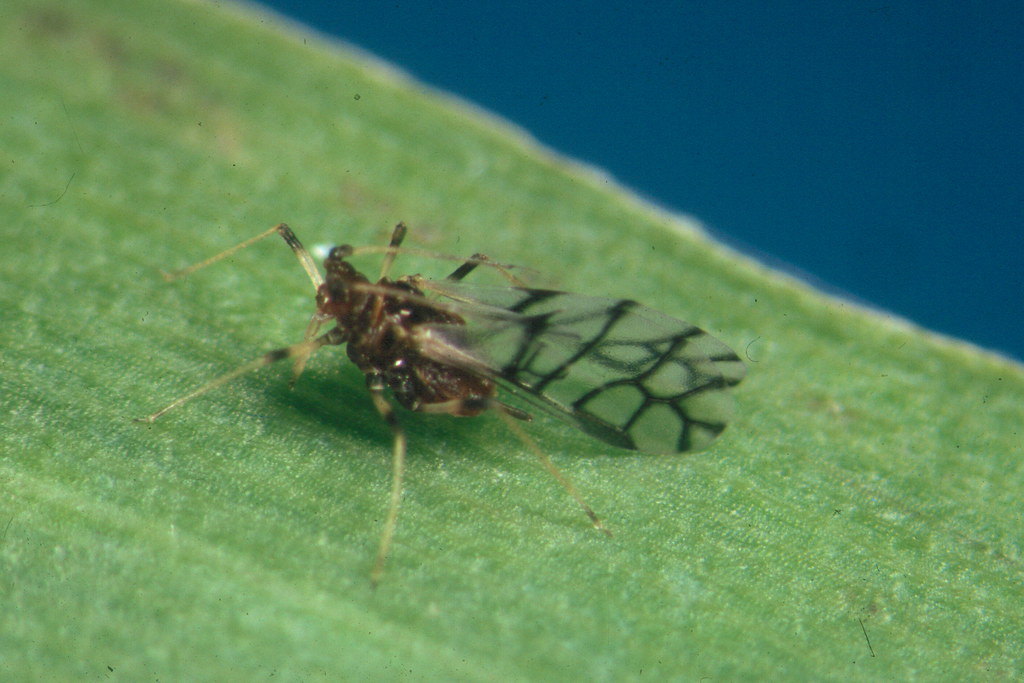
People usually talk about aphids like they are already explained. Tiny green bugs. Bad for the roses. Spray them, squish them, move on. That is not wrong. It is just a very small version of the story.
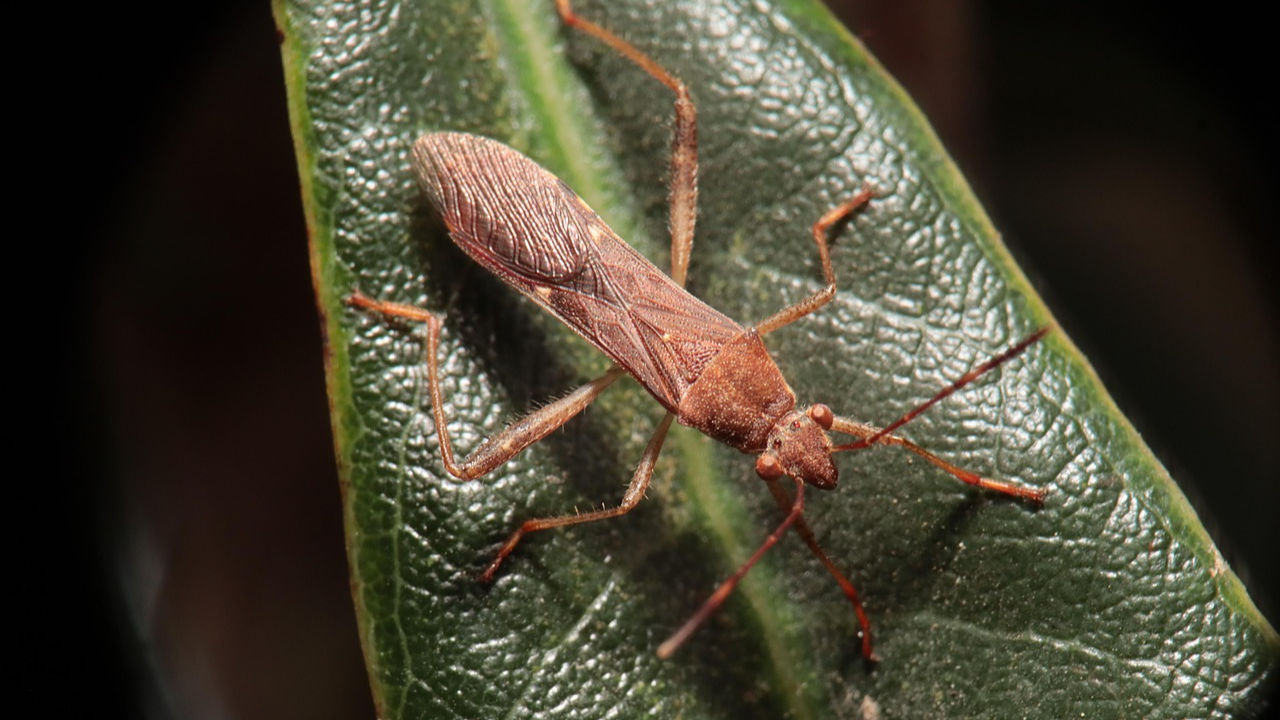
Niesthrea sidae is a species of scentless plant bug in the family Rhopalidae, native to the New World. It is one of approximately 20 recognized species in the genus Niesthrea, which was taxonomically revised in 2019 with six new species described. The species occurs across broad geographic regions including the Caribbean, Central America, North America, and South America. Like other members of its genus, it is associated with plants in the mallow family (Malvaceae).
Nigridonus illumina is a leafhopper species in the family Cicadellidae, first described by Ball in 1909. It belongs to the tribe Platymetopiini within the subfamily Deltocephalinae. The species has been documented in Arizona based on distribution records. As a member of Hemiptera, it possesses piercing-sucking mouthparts typical of true bugs.
Nilaparvata serrata is a planthopper species in the family Delphacidae, described by Caldwell in 1951. It is currently recognized as a synonym of Nilaparvata guianensis. The genus Nilaparvata includes several economically significant rice pests, most notably the brown planthopper (Nilaparvata lugens), though N. serrata itself is not among the major agricultural pests. Species in this genus are characterized by their association with grass hosts and their role as vectors of plant pathogens.
roseau cane scale, Phragmites scale insect
Nipponaclerda is a genus of flat grass scales in the family Aclerdidae, containing species that are specialist sap-feeders on grasses in the genus Phragmites. The genus is native to East Asia and has become invasive in North America. The best-known species, N. biwakoensis, has caused extensive dieback of Phragmites australis in Louisiana's Mississippi River Delta since 2016, threatening critical wetland ecosystem services.
Nipponorthezia obscura is a scale insect in the family Ortheziidae, first described by Morrison in 1952. It belongs to a genus endemic to eastern Asia, despite its specific epithet suggesting otherwise. The species has been recorded from Central and North America based on distribution data, though detailed biological information remains sparse. As a member of Ortheziidae, it shares family characteristics of being ground-dwelling or bark-inhabiting scale insects with a protective waxy covering.
leaf-footed bug
Nisoscolopocerus apiculatus is a species of leaf-footed bug in the family Coreidae, first described by Barber in 1928. It is a true bug in the order Hemiptera, characterized by piercing-sucking mouthparts typical of the group. The species is known from limited collection records in western North America.
crested pygmy grasshopper, crested grouse locust, northern crested grouse locust
Nomotettix cristatus is a small pygmy grasshopper in the family Tetrigidae, commonly known as the crested pygmy grasshopper or crested grouse locust. It is one of approximately 35 Nearctic species of Tetrigidae. The species exhibits three recognized subspecies with distinct geographic distributions across North America. Like other members of its family, it is characterized by an elongated pronotum that extends over the abdomen, a trait distinguishing pygmy grasshoppers from typical grasshoppers in Acrididae.
Norvellina bicolorata is a species of leafhopper in the family Cicadellidae, first described by Ball in 1905. The genus Norvellina belongs to the tribe Platymetopiini within the subfamily Deltocephalinae, a diverse group of leafhoppers characterized by their small size and often colorful appearance. Like other members of the family, this species possesses piercing-sucking mouthparts used to feed on plant sap. The specific epithet "bicolorata" suggests a two-colored coloration pattern, though detailed descriptions of its appearance are not readily available in the provided sources.
Norvellina clarivida is a leafhopper species in the family Cicadellidae, first described by Van Duzee in 1894. The genus Norvellina belongs to the tribe Platymetopiini within the subfamily Deltocephalinae. Like other leafhoppers, it possesses piercing-sucking mouthparts used to extract plant sap. Available records indicate this species occurs in the western United States, specifically Colorado and Utah.
Norvellina columbiana is a species of leafhopper in the family Cicadellidae, described by Ball in 1916 from specimens in Washington state. It belongs to the tribe Platymetopiini within the subfamily Deltocephalinae. The genus Norvellina comprises small leafhoppers that feed on plant sap using piercing-sucking mouthparts. Very little species-specific information has been documented for N. columbiana.
Norvellina flavida is a species of leafhopper in the family Cicadellidae, first described by Lindsay in 1938. It belongs to the tribe Platymetopiini within the subfamily Deltocephalinae. Like other leafhoppers, it is a true bug with piercing-sucking mouthparts used to feed on plant sap. The species is documented from the southwestern United States.
Norvellina mildredae is a species of leafhopper in the family Cicadellidae, first described by Ball in 1901. Like other members of the genus Norvellina, it is a small, plant-feeding insect that uses piercing-sucking mouthparts to extract sap from host plants. The species has been documented in the southwestern United States, with records from Arizona, Colorado, and New Mexico. Leafhoppers in this genus are typically found on vegetation and are attracted to lights at night.
Norvellina novica is a species of leafhopper in the family Cicadellidae, first described by Medler in 1943. Like other members of the genus Norvellina, it belongs to the tribe Platymetopiini within the subfamily Deltocephalinae. Leafhoppers in this genus are typically small, colorful insects that feed on plant sap using piercing-sucking mouthparts. The species is known from limited distributional records in North America.
Norvellina pannosa is a species of leafhopper in the family Cicadellidae, tribe Platymetopiini. Like other members of the genus Norvellina, it is a small, colorful insect that feeds on plant sap using piercing-sucking mouthparts. The species was described by Ball in 1902 and has been recorded in California.
Norvellina rubida is a species of leafhopper in the family Cicadellidae, described by Ball in 1916. Originally placed in the genus Eutettix, it was later transferred to Norvellina. The genus Norvellina belongs to the tribe Platymetopiini within the subfamily Deltocephalinae. Leafhoppers in this genus are small, plant-feeding insects with piercing-sucking mouthparts. Very little species-specific information has been published for N. rubida.
Norvellina seminuda is a leafhopper species in the family Cicadellidae, tribe Platymetopiini. First described by Thomas Say in 1830, this small true bug is part of the diverse leafhopper fauna of North America. Like other members of its genus, it likely feeds on plant sap using piercing-sucking mouthparts. The species is documented from multiple states in the eastern and midwestern United States.
Norvellina snowi is a species of leafhopper in the family Cicadellidae, first described by Ball in 1907. It belongs to the tribe Platymetopiini within the subfamily Deltocephalinae. The species has been documented in Arizona, where it has been observed on goldenrod and Mexican locust. Like other leafhoppers, it possesses piercing-sucking mouthparts used to feed on plant sap.
Norvellina texana is a species of leafhopper in the family Cicadellidae, described by Ball in 1907. The specific epithet 'texana' indicates its association with Texas, which is also its documented geographic range. As a member of the tribe Platymetopiini, it belongs to a group of leafhoppers characterized by particular morphological features of the head and wing venation. Like other cicadellids, it possesses piercing-sucking mouthparts adapted for feeding on plant vascular fluids.
Nothodelphax glacia is a species of planthopper in the family Delphacidae, described by Wilson in 1992. It belongs to a genus of small, delicate insects commonly associated with grasses and sedges in wetland and riparian habitats. The species epithet 'glacia' suggests a possible association with glacial or cold-water environments, though this connection has not been formally documented. Like other delphacids, it likely feeds on plant phloem using piercing-sucking mouthparts.
Nothodelphax lineatipes is a species of delphacid planthopper in the family Delphacidae. It was described by Van Duzee in 1897. The species is known to occur in North America, with distribution records from Alberta, Arizona, British Columbia, California, and Delaware.
Nothodelphax venusta is a species of planthopper in the family Delphacidae. It belongs to a group of small, sap-feeding insects commonly known as delphacid planthoppers. The species was described by Beamer in 1948. Like other delphacids, it possesses a characteristic spur on the hind tibia. Distribution records indicate presence in the southwestern United States and western Canada.
backswimmers, common backswimmer, Milky Backswimmers
Notonecta is a genus of aquatic predatory insects commonly known as backswimmers, comprising approximately 70 species. They are distinguished by their habit of swimming upside down, using long hind legs modified as oars. The genus exhibits distinct morphological and behavioral traits that separate it from superficially similar water boatmen (family Corixidae), including triangular cross-section body shape, bold color patterns, and diurnal activity patterns. Notonecta species occupy diverse freshwater habitats and function as active predators of small aquatic organisms.
backswimmer
Notonecta borealis is a species of backswimmer (family Notonectidae) found in North America. As a member of the genus Notonecta, it is an aquatic predatory insect that swims upside down. The species was described by Hussey in 1919. Very little specific biological information has been published for this particular species.
Notonecta hoffmani is an aquatic predatory bug in the family Notonectidae, commonly known as backswimmers. The species has been studied for its functional response to prey availability, showing measurable preferences among alternative prey types. Like other Notonecta species, it swims inverted using its keel-shaped dorsum and modified hind legs. Research indicates its predatory efficiency on mosquito larvae is influenced by the presence of competing prey sources.
backswimmer
Notonecta indica is a predatory aquatic true bug in the family Notonectidae, commonly known as backswimmers. The species has been documented in eastern Jamaica where it preys on mosquito larvae, particularly Aedes aegypti, with consumption rates increasing exponentially through nymphal development. Adults consume approximately 38 mosquito larvae daily under laboratory conditions. The species occurs across a broad geographic range including the Caribbean, Central America, North America, Oceania, and South America. Development from egg to adult takes approximately 36 days under warm conditions, with shorter development times than temperate backswimmer species attributed to higher temperatures and food availability.
backswimmer
Notonecta insulata is a species of backswimmer, an aquatic true bug in the family Notonectidae. It is found in North America, where it inhabits freshwater environments. Like other backswimmers, it swims upside down and is an active predator of small aquatic invertebrates. The species was described by Kirby in 1837.
backswimmer
Notonecta irrorata is a North American backswimmer species first described in 1879. It is a predatory aquatic insect known for its distinctive upside-down swimming posture. Research has demonstrated that its presence in ponds repels oviposition by Culex mosquitoes, and that its colonization patterns show a hump-shaped relationship with habitat isolation.
Kirby's Backswimmer
Notonecta kirbyi, commonly known as Kirby's backswimmer, is a species of aquatic true bug in the family Notonectidae. Like other backswimmers, it swims inverted on the water surface using its long, oar-like hind legs. The species is found in North America and shares the general habits of the genus Notonecta, including predatory feeding on small aquatic organisms and the ability to fly between water bodies.
Notonecta montezuma is a species of backswimmer in the family Notonectidae. It is an aquatic true bug found in North and Middle America. Like other backswimmers, it swims upside down using its long, oar-like hind legs. The species is part of the genus Notonecta, which contains backswimmers that are generally larger than water boatmen and more commonly encountered in open water habitats.
Notonecta petrunkevitchi is a species of backswimmer in the family Notonectidae, described by Hutchinson in 1945. As a member of the genus Notonecta, it shares the characteristic habit of swimming upside down in aquatic environments. The species is known from North America, though specific details about its ecology and distribution within this range remain poorly documented. Like other backswimmers, it is presumably predatory and possesses hydrophobic hairs for underwater respiration.
Grousewinged Backswimmer
Notonecta undulata, commonly known as the grousewinged backswimmer, is an aquatic true bug (Hemiptera: Notonectidae) found across North America. Adults measure 10–12 mm in length and are distinguished from other backswimmers by their 4-segmented antennae and wing pattern featuring a large black spot on the wing membrane median line. The species inhabits small ponds and lakes with slow-moving water, swimming upside down beneath the water surface to capture prey. It is a generalist predator with documented preference for mosquito larvae, and has been studied as a potential biological control agent.
backswimmer
Notonecta unifasciata is a species of backswimmer in the family Notonectidae. It is distributed across Central America, North America, and South America. The species was described by Guérin-Méneville in 1857 and includes three recognized subspecies: Notonecta unifasciata andersoni, Notonecta unifasciata cochisiana, and the nominate subspecies Notonecta unifasciata unifasciata. As a member of the genus Notonecta, it shares the characteristic habit of swimming upside down near the water surface.
Notonecta unifasciata andersoni is a subspecies of backswimmer (family Notonectidae) described by Hungerford in 1933. It belongs to the genus Notonecta, a group of aquatic true bugs known for their upside-down swimming posture. The subspecies is part of the widespread N. unifasciata species complex, which occurs across the Americas. As with other notonectids, it is presumed to be an aquatic predator, though specific biological details for this subspecies remain poorly documented in available literature.
Nysius fuscovittatus is a species of seed bug in the family Lygaeidae, described by Barber in 1958. It is found in North America, with distribution records from the United States. Like other members of the genus Nysius, it is likely a seed-feeding true bug, though specific ecological details for this species are poorly documented in the available literature. The species name 'fuscovittatus' refers to dark (fuscous) longitudinal stripes or bands.
Obtusicranus is a genus of planthoppers in the family Delphacidae, subfamily Stenocraninae. It was established by Bartlett in 2006. Members of this genus are small, delicate insects characterized by their distinctive head structure with a blunt, rounded frons. The genus is part of the diverse Delphacidae family, which contains many economically important agricultural pests, though specific impacts of Obtusicranus species are not well documented.
Ochrimnus barberi is a seed bug species in the family Lygaeidae, first described by Slater in 1964. It belongs to the subgenus Parochrimnus within the genus Ochrimnus. The species has been recorded in both Central America and North America. Available information on this species is limited, with only a small number of observations documented.
Ochropepla is a genus of treehoppers in the family Membracidae, tribe Hoplophorionini. Members of this genus are true bugs (Hemiptera) characterized by their highly modified pronotum that often forms elaborate projections. The genus was established by Stål in 1870 and is distributed in Australia, including Tasmania, New South Wales, and Victoria. The wingspan of at least one species is approximately 40 mm.
Ochrostomus is a genus of seed bugs in the family Lygaeidae, established by Carl Stål in 1874. Members of this genus belong to the subfamily Lygaeinae and are characterized by their relatively small to medium size and association with seed-feeding habits typical of the family. The genus is primarily distributed in the Old World tropics and subtropics. As with many lygaeid genera, species-level taxonomy remains partially unresolved, and ecological data for most species are limited.
Velvety Shore Bugs
Ochteridae is a small family of true bugs (Hemiptera: Heteroptera: Nepomorpha) comprising approximately 80–90 described species in eight genera. Commonly known as velvety shore bugs, they are semi-aquatic insects inhabiting the margins of freshwater bodies worldwide, with highest diversity in tropical regions. The family is characterized by a velvety body texture, small size (4.5–9 mm), and distinctive antennal and leg sensilla adapted to riparian habitats. Recent taxonomic revisions have significantly expanded the known species diversity, particularly in Australia, Mesoamerica, and the Andes.
velvety shore bug
Ochterus americanus is a species of velvety shore bug in the family Ochteridae, first described by Uhler in 1876. It is found in North America, with records from the United States including Vermont. Like other members of the Ochteridae, this species is associated with moist shoreline habitats where it inhabits the interface between land and water.
Odmalea is a genus of stink bugs in the family Pentatomidae, established by Bergroth in 1915. The genus contains at least three described species. Members are true bugs in the order Hemiptera, characterized by piercing-sucking mouthparts and shield-shaped bodies typical of the family.
Odmalea schaefferi is a species of stink bug in the family Pentatomidae. The species was described by Barber in 1906. It is known from North America, though specific details about its biology, ecology, and distribution within the continent remain poorly documented in available literature.
rice stink bug
Oebalus is a genus of stink bugs (Pentatomidae) containing several species that are significant agricultural pests, particularly of rice and sorghum. The most extensively studied species, Oebalus pugnax (rice stink bug), is a serious pest of rice in the southeastern United States and Caribbean. Other species including O. insularis, O. ornatus, and O. poecilus also develop on rice and are distributed across the Americas. All life stages feed on developing grain kernels, causing direct damage and facilitating fungal infection.
island stink bug, coffee-colored rice bug
Oebalus insularis is a stink bug species in the family Pentatomidae that has emerged as a significant agricultural pest in rice-growing regions of the Americas. Originally described from tropical and subtropical regions, it has established populations in Florida rice fields since at least 1932, where it became the second most abundant stink bug species in surveys conducted in 2008-2009. The species feeds on developing rice grains using piercing-sucking mouthparts, causing 'pecky rice' damage that reduces crop yield and quality. Its economic importance has prompted research into biological control agents, including egg parasitoids in the genus Telenomus.
Oebalus mexicanus is a stink bug species in the family Pentatomidae, described by Sailer in 1944. The species has been documented in both Central America and North America. As a member of the genus Oebalus, it belongs to a group of pentatomid bugs commonly associated with grasses and cereal crops.
American swallow bug, cliff swallow bug, swallow nest bug
Oeciacus vicarius is a blood-feeding cimicid bug specialized as an ectoparasite of colonially nesting American cliff swallows (Petrochelidon pyrrhonota). It is widely distributed across North America, where it inhabits swallow nests in natural and anthropogenic structures. The species is a known vector of Buggy Creek Virus (Alphavirus, Togaviridae). Though it will bite humans when encountered, it does not establish persistent infestations in human dwellings.
Oecleus campestris is a species of planthopper in the family Cixiidae, described by Ball in 1902. It belongs to the tribe Oecleini within the subfamily Cixiinae. The species is part of a group of cixiid planthoppers characterized by particular wing venation and body form typical of this genus. Like other members of Cixiidae, it is a sap-feeding insect associated with plant hosts, though specific biological details remain poorly documented in published literature.
Oecleus lyra is a species of planthopper in the family Cixiidae, described by Kramer in 1977. It belongs to the tribe Oecleini within the subfamily Cixiinae. Like other cixiids, it is a member of the superfamily Delphacoidea, a group of true bugs characterized by their plant-sap feeding habits. The species has been documented in Arizona based on distribution records.
Oecleus perpictus is a species of planthopper in the family Cixiidae, described by Van Duzee in 1929. It belongs to the tribe Oecleini, a group of cixiids characterized by their association with xeric and semi-arid environments. The species is recorded from the southwestern United States and northwestern Mexico. Like other cixiids, it is presumed to have piercing-sucking mouthparts and a life cycle involving root-feeding nymphs and winged adults.
Oecleus planus is a species of planthopper in the family Cixiidae, first described by Ball and Klingenberg in 1935. It belongs to the tribe Oecleini within the subfamily Cixiinae. Like other cixiids, this species is part of the diverse Auchenorrhyncha suborder of Hemiptera, characterized by their piercing-sucking mouthparts and often cryptic habits. The genus Oecleus contains multiple species distributed primarily in western North America.