
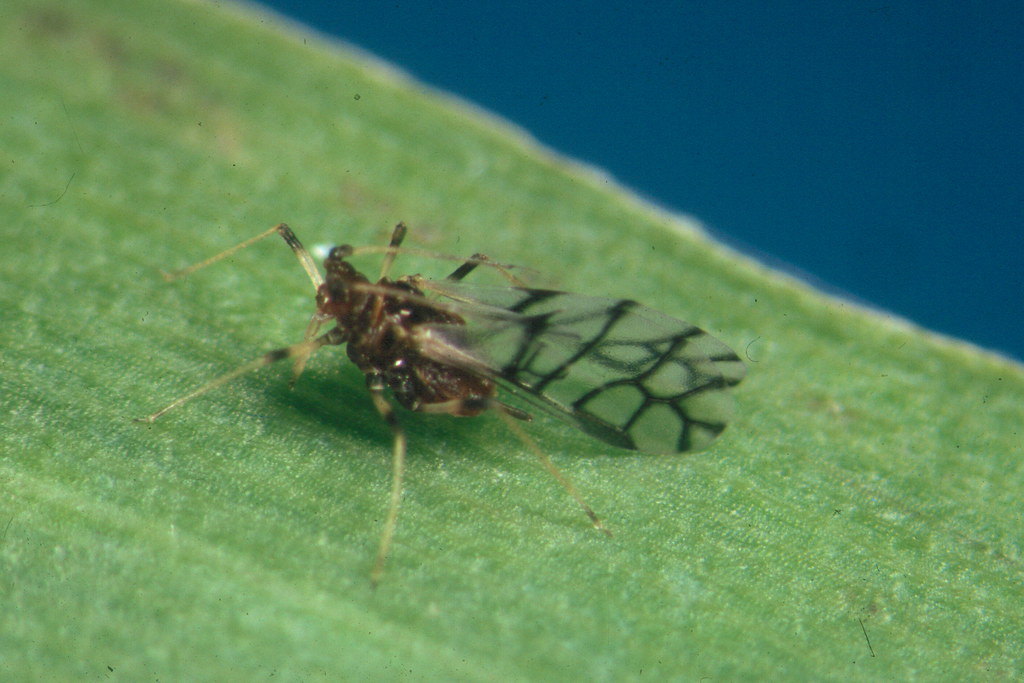
People usually talk about aphids like they are already explained. Tiny green bugs. Bad for the roses. Spray them, squish them, move on. That is not wrong. It is just a very small version of the story.
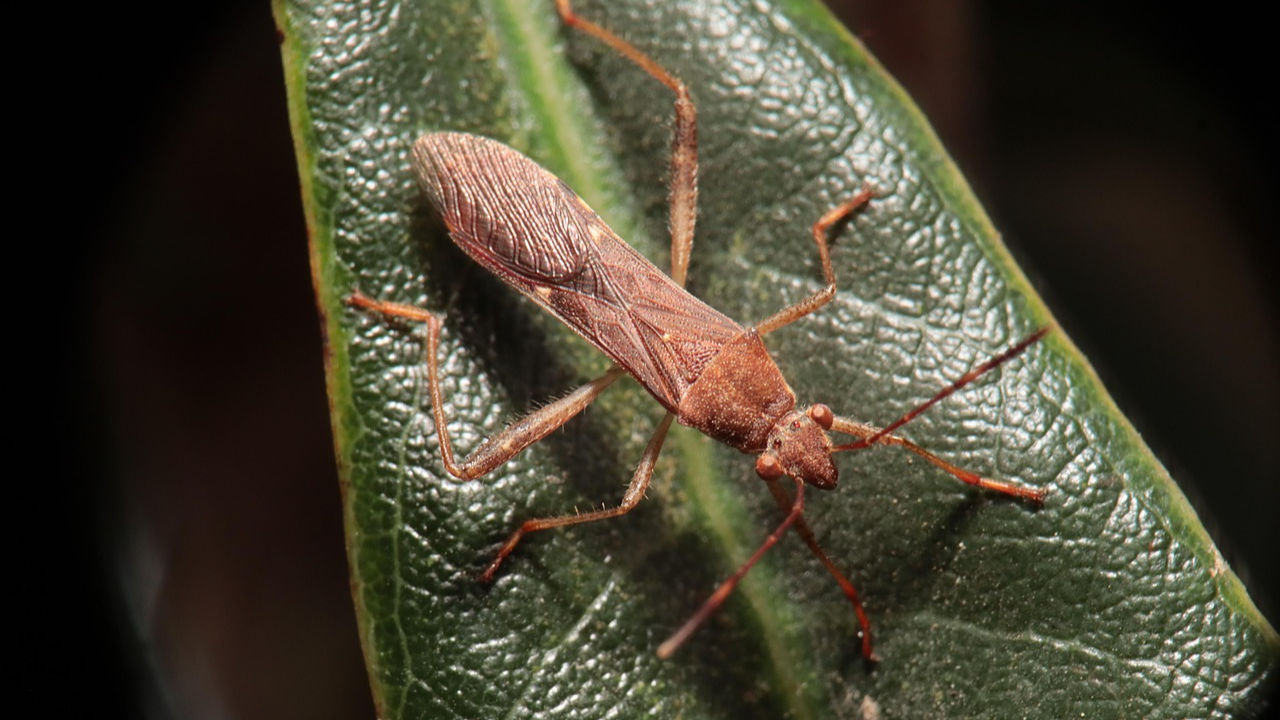
Oecleus productus is a species of planthopper in the family Cixiidae, described by Metcalf in 1923. It belongs to the tribe Oecleini within the subfamily Cixiinae. Members of this genus are typically associated with grassland and open habitat environments. The species has been recorded from multiple states across the southern and western United States.
Oecleus rhion is a species of planthopper in the family Cixiidae, first described by Kramer in 1977. It belongs to a family of small to medium-sized insects that feed on plant sap using piercing-sucking mouthparts. The genus Oecleus is part of the tribe Oecleini within the subfamily Cixiinae. Available records indicate this species has been documented in Arizona.
A planthopper species in the family Cixiidae, described by Van Duzee in 1912. Belongs to the tribe Oecleini, a group of small, often inconspicuous insects associated with woody plants. The specific epithet 'venosus' likely refers to wing venation patterns. Like other cixiids, it is presumed to feed on plant phloem sap and may serve as a vector for plant pathogens.
Oeclidius is a genus of small planthoppers in the family Kinnaridae, established by Van Duzee in 1914. The genus contains at least 20 described species. These insects belong to the infraorder Fulgoromorpha, a diverse group of sap-feeding bugs commonly known as planthoppers.
Oeclidius nanus is a species of planthopper in the family Meenoplidae, first described by Van Duzee in 1914. The specific epithet "nanus" (Latin for "dwarf") suggests small body size, a trait common among members of this genus. The species has been recorded from western North America including the southwestern United States and northwestern Mexico.
Oeclidius transversus is a species of planthopper in the family Meenoplidae, first described by Ball in 1934. The species is currently accepted as valid, though it was previously listed as a synonym in some sources. It belongs to the infraorder Fulgoromorpha, a group of true bugs commonly known as planthoppers. Like other members of its family, this species is likely associated with specific host plants, though detailed biological information remains limited.
Oestlundiella flava is a species of aphid in the family Aphididae, first described by Davidson in 1912. It belongs to the subfamily Calaphidinae and tribe Calaphidini. As with other aphids, it possesses piercing-sucking mouthparts adapted for feeding on plant sap. The specific epithet 'flava' (Latin for yellow) likely refers to its coloration. Available records indicate it is a rarely documented species with limited observational data.
Okanagana annulata is a small cicada species in the family Cicadidae, described by Davis in 1935. It belongs to the genus Okanagana, a group of annual cicadas found primarily in western North America. The species is documented from several western U.S. states including California, Colorado, Idaho, Montana, and Nevada. Like other Okanagana species, it is presumed to be an annual cicada with a multi-year life cycle spent largely underground as nymphs feeding on xylem fluids from plant roots.
Okanagana aurora is a species of cicada described by William T. Davis in 1936. It belongs to the genus Okanagana, a group of cicadas found primarily in western North America. The species is known from California and Nevada. Like other members of its genus, it is presumed to be an annual cicada rather than a periodical species.
Prairie Cicada
Okanagana balli is a species of cicada in the family Cicadidae, described by William T. Davis in 1919. It is commonly known as the Prairie Cicada and occurs in the central United States. As a member of the genus Okanagana, it belongs to a group of annual cicadas rather than the periodical cicadas famous for their mass emergences. The species inhabits prairie and grassland ecosystems.
Mountain Cicada
Okanagana bella, commonly known as the mountain cicada, is a cicada species in the family Cicadidae. It was described by Davis in 1919. The species is found in western North America, with documented occurrences in Alberta, Arizona, British Columbia, California, Colorado, and other mountainous regions. As an annual cicada, it does not exhibit the synchronized mass emergence patterns seen in periodical cicadas.
Okanagana canescens is a species of annual cicada in the family Cicadidae, first described by Van Duzee in 1915. It belongs to the genus Okanagana, which comprises numerous species distributed across western North America. The species is documented from California and Washington based on occurrence records. As with other Okanagana species, it is presumed to have an annual life cycle rather than the periodical emergence pattern seen in Magicicada species.
Okanagana formosa is a species of annual cicada in the family Cicadidae, described by Davis in 1926. It belongs to the western North American cicada genus Okanagana, which comprises approximately 60 species. Like other Okanagana species, it is not a periodical cicada and does not exhibit synchronized mass emergence patterns. The species has been documented from California, Nevada, and Utah.
Okanagana fumipennis is a cicada species in the family Cicadidae, described by Davis in 1932. It belongs to the genus Okanagana, a group of North American cicadas distributed primarily in western regions of the continent. The specific epithet "fumipennis" (smoky-winged) suggests dark or smoky wing coloration. Like other cicadas, it has a life cycle involving nymphal stages underground and adult emergence, though specific biological details for this species remain poorly documented in available literature.
Okanagana magnifica is a species of cicada in the family Cicadidae, described by Davis in 1919. It is native to western North America, with documented occurrences in Arizona, California, Colorado, Nevada, and New Mexico. The species belongs to the genus Okanagana, which comprises annual cicadas rather than periodical species. As with other Okanagana species, it likely inhabits arid and semi-arid environments characteristic of its southwestern range.
Western Tiger Beetle
Okanagana oregona is a species of cicada in the family Cicadidae, described by Davis in 1916. It is native to western North America, with records from British Columbia through California and eastward to Montana and Idaho. The species inhabits riparian and shoreline habitats, particularly sandy or muddy banks of lakes and rivers. Adults are active during spring and fall, with seasonal timing varying by elevation and latitude.
Okanagana orithya is a species of annual cicada in the family Cicadidae. It is native to western North America and belongs to a genus of medium-sized cicadas characterized by their dark coloration and distinctive wing patterns. Like other Okanagana species, it produces audible calling songs for mate attraction. The species is part of a diverse western cicada fauna that contrasts with the periodical cicada broods of eastern North America.
Orange-margined Cicada
Okanagana ornata is a western North American cicada species in the family Cicadidae, commonly known as the Orange-margined Cicada. Like other Okanagana species, it is an annual or "dog-day" cicada with a multi-year life cycle spent primarily underground as a nymph. The species is distinguished by its ornate coloration with orange marginal markings. It is one of approximately 65 cicada species found in California and is part of the diverse western cicada fauna that differs from the periodical cicadas of eastern North America.
Okanagana salicicola is a small North American cicada species described by Bliven in 1964. As a member of the genus Okanagana, it belongs to a group of annual cicadas found primarily in western North America. The specific epithet 'salicicola' suggests an association with willow (Salix) habitats. Like other Okanagana species, it is likely a habitat specialist with specific host plant relationships, though detailed ecological studies remain limited.
Okanagana tristis rubrobasalis is a subspecies of cicada in the family Cicadidae, described by Davis in 1926. It belongs to the diverse western North American genus Okanagana, which comprises numerous species and subspecies with restricted distributions. This subspecies is distinguished from the nominate form by coloration differences, particularly reddish markings at the base of the abdomen. It occurs in arid and semi-arid regions of the western United States.
Okanagana villosa is a species of annual cicada in the family Cicadidae, described by Davis in 1941. It is native to California and belongs to a genus of approximately 65 species found in western North America. Like other Okanagana species, it is not a periodical cicada and does not exhibit the synchronized mass emergences characteristic of Magicicada broods. The species name 'villosa' refers to hairy or shaggy appearance.
Okanagana vocalis is a cicada species in the family Cicadidae, described by Bliven in 1964. It belongs to the genus Okanagana, which comprises annual cicadas found in western North America. The species name "vocalis" suggests a notable acoustic characteristic, though specific call descriptions are not well documented. Like other Okanagana species, it is presumed to be an annual cicada rather than a periodical species.
Oliaronus is a genus of planthoppers in the family Cixiidae, established by Ball in 1934. The genus belongs to the tribe Pentastirini within the subfamily Cixiinae. Members of this genus are small, winged insects in the order Hemiptera, characterized by their piercing-sucking mouthparts adapted for feeding on plant fluids. The genus is part of the diverse planthopper fauna of the Americas.
Oligotylus ceanothi is a species of plant bug in the family Miridae, described by Schuh in 2000. The species is associated with Ceanothus host plants, as indicated by its specific epithet. It occurs in western North America, with documented records from the southwestern United States and northwestern Mexico. Like other members of the genus Oligotylus, it is likely a phytophagous insect feeding on plant tissues.
Olliffiella is a genus of gall-like scale insects in the family Kermesidae. The genus contains at least two described species: O. cristicola (the gall kermes) and O. secunda. These insects are part of the diverse group of scale insects within the order Hemiptera.
Gall Kermes
Olliffiella cristicola, commonly known as the gall kermes, is a species of scale insect in the family Kermesidae. The species forms gall-like structures on host plants, a distinctive trait among kermes scales. It was described by Theodore Dru Alison Cockerell in 1896 and is known from the United States.
Omolicna fulva is a planthopper species in the family Derbidae, order Hemiptera. Recent taxonomic revision based on multi-locus molecular analysis (COI, 18S rRNA, and 28S rRNA D9-D10 sequences) has transferred this species to the genus Agoo as A. fulvus comb. nov. The species was originally described by Van Duzee in 1909. No ecological, behavioral, or host-specific information has been documented for this species.
Omolicna joi is a species of planthopper in the family Derbidae, described in 2014. It belongs to the tribe Cenchreini within the subfamily Derbinae. The species is part of the diverse Fulgoroidea superfamily, which contains many economically important agricultural pests. Like other derbids, it is likely associated with plant hosts, though specific ecological details remain poorly documented.
Oncerometopus is a genus of plant bugs (family Miridae) containing approximately 12 described species. These insects are part of the diverse Miridae family, one of the largest families within the true bugs (Heteroptera). Members of this genus are found in North America, with observations documented from the southwestern United States including Texas. As plant bugs, they are associated with vegetation where they feed on plant fluids.
Oncerometopus atriscutis is a species of plant bug in the family Miridae, described by Knight in 1928. The species belongs to the genus Oncerometopus, a group of mirid bugs associated with flowering plants. Observations indicate it occurs on yellow composite flowers in western Texas, particularly in arid and semi-arid regions. The species name refers to the dark scutellum characteristic of this taxon.
Oncerometopus ruber is a species of plant bug in the family Miridae, first described by Reuter in 1876. It belongs to the suborder Heteroptera (true bugs) within the order Hemiptera. The species has been recorded from Texas, USA, and is part of the North American mirid fauna. Like other members of the Miridae family, it possesses piercing-sucking mouthparts adapted for feeding on plant fluids.
Oncerotrachelus acuminatus is a species of assassin bug in the family Reduviidae. It is found across the Caribbean, Central America, and North America. The species was originally described by Thomas Say in 1832 under the name Reduvius acuminatus. As a member of the subfamily Saicinae, it belongs to a group of reduviid bugs characterized by particular morphological and ecological traits, though specific details of its biology remain poorly documented in the scientific literature.
Oncerotrachelus pallidus is a species of assassin bug in the family Reduviidae, first described by Barber in 1922. It belongs to the subfamily Saicinae, a group of thread-legged assassin bugs characterized by their slender, elongated bodies and raptorial forelegs adapted for predation. The species is known from North America, though specific details regarding its biology, ecology, and distribution within this range remain poorly documented in available literature.
Oncocephalus is a genus of assassin bugs in the family Reduviidae. The genus contains at least 210 described species, making it one of the more species-rich genera within the family. Species in this genus are predatory true bugs found across multiple continents.
Oncocephalus nubilus is a species of assassin bug in the family Reduviidae, first described by Van Duzee in 1914. It belongs to the subfamily Stenopodainae, a group of reduviids commonly known as thread-legged or spiny assassin bugs. The species has been documented in Central America and North America, though detailed biological information remains limited.
Black-winged Sharpshooter
Oncometopia nigricans, commonly known as the Black-winged Sharpshooter, is a leafhopper species in the family Cicadellidae, tribe Proconiini. It is a suspected vector of lethal yellowing disease of coconut palms, a devastating phytoplasma disease affecting coconut production. The species has been documented in Florida and Brazil (Bahia), with studies focusing on its molting patterns and longevity across various host plants.
Oncopeltus aulicus is a seed bug in the family Lygaeidae. It is found in Florida and the Caribbean, with records extending to parts of Central and South America including Mexico, Brazil, and Colombia. Unlike its congener Oncopeltus fasciatus, detailed biological information for this species is limited.
Oncopsis californica is a species of leafhopper in the family Cicadellidae, described by Van Duzee in 1917. The species is known from limited collection records in western North America, specifically California and British Columbia. As a member of the genus Oncopsis, it belongs to a group of leafhoppers typically associated with woody host plants, though specific biological details for this species remain poorly documented.
minor leafhopper
Oncopsis minor is a leafhopper species in the family Cicadellidae, first described by Fitch in 1851. It belongs to the subfamily Eurymelinae and tribe Macropsini. The species is documented from New York based on distribution records, though detailed ecological and behavioral information remains limited. Like other leafhoppers, it possesses piercing-sucking mouthparts adapted for feeding on plant vascular tissues.
Oncopsis variabilis is a leafhopper species in the family Cicadellidae, subfamily Eurymelinae, first described by Fitch in 1851. The species belongs to the genus Oncopsis, which comprises leafhoppers typically associated with woody plants. Distribution records indicate occurrence in western and eastern North America including Alberta, British Columbia, California, Connecticut, and Illinois.
Ophiderma is a genus of treehoppers in the family Membracidae, established by Fairmaire in 1847. The genus comprises approximately 17 described species. As members of the subfamily Smiliinae and tribe Smiliini, these insects are characterized by the enlarged pronotum typical of treehoppers. The genus has been documented in North America, with records from the United States and Mexico.
Opisthacidius is a genus of assassin bugs in the family Reduviidae, subfamily Reduviinae. It was established by Berg in 1879 and is native to South America. The genus comprises predatory true bugs that hunt other insects using raptorial forelegs and a piercing-sucking proboscis.
Opisthacidius mexicanus is a species of assassin bug in the family Reduviidae, subfamily Reduviinae. It was described by Peláez in 1942 and is native to Mexico and Middle America. As a member of the Reduviidae, it is presumed to be a predatory insect, though specific ecological details remain poorly documented in available literature.
Orgamara is a genus of planthoppers in the family Dictyopharidae, subfamily Orgeriinae. Members of this genus belong to the tribe Orgeriini and subtribe Orgeriina. The genus was established by Ball in 1909. Like other dictyopharids, these insects are part of the diverse Fulgoromorpha radiation within Hemiptera.
Orgamara reducta is a species of planthopper in the family Dictyopharidae, first described by Ball in 1909. The species belongs to the subfamily Orgeriinae, a group commonly known as grass-feeding planthoppers. It is distributed across parts of the southwestern United States and northwestern Mexico. Records indicate occurrence in California, New Mexico, and Baja California.
Orgerius bicornis is a species of planthopper in the family Dictyopharidae, first described by Doering & Darby in 1943. The species belongs to the infraorder Fulgoromorpha, a group known for their distinctive head morphology and jumping ability. As a member of the Orgeriinae subfamily, it shares characteristics with other dictyopharid planthoppers that inhabit grassland and prairie ecosystems. The specific epithet 'bicornis' refers to the two-horned appearance of the head structure.
Orgerius foliatus is a planthopper species in the family Dictyopharidae, first described by Doering & Darby in 1943. The species was originally described under the genus Ostopicus as Ostopicus foliatus before being transferred to Orgerius. Dictyopharidae planthoppers are characterized by their elongated head processes and are commonly known as dictyopharid planthoppers. The specific epithet "foliatus" refers to a leaf-like appearance, suggesting possible morphological adaptations for crypsis.
Orgerius proprius is a species of planthopper in the family Dictyopharidae, described by Doering and Darby in 1943. It belongs to the tribe Orgeriini, a group of dictyopharid planthoppers characterized by elongated head processes. The species is part of a genus whose members are primarily distributed in the Americas.
Orgerius rhyparus is a planthopper species in the family Dictyopharidae, described by Carl Stål in 1859. It belongs to the subfamily Orgeriinae, a group of dictyopharid planthoppers often associated with arid and semi-arid environments. The species has been recorded from western North America, including the southwestern United States and northwestern Mexico. Like other members of its family, it possesses an enlarged, often elaborately modified head structure.
minute pirate bugs
Oriini is a tribe of minute pirate bugs within the family Anthocoridae, comprising approximately 6 genera and more than 60 described species. Members are small predatory true bugs distributed across multiple continents. The tribe includes economically important genera such as Orius, which are widely used in biological pest control.