
Oncerotrachelus pallidus
Barber, 1922
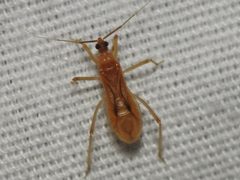
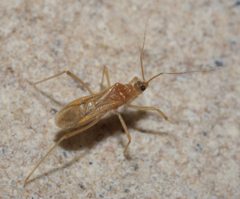
Oncerotrachelus pallidus is a of assassin bug in the Reduviidae, first described by Barber in 1922. It belongs to the Saicinae, a group of thread-legged assassin bugs characterized by their slender, elongated bodies and forelegs adapted for . The species is known from North America, though specific details regarding its , , and distribution within this range remain poorly documented in available literature.
Pronunciation
How to pronounce Oncerotrachelus pallidus: //ˌɒŋ.sɛr.oʊˈtræk.jələs ˈpæl.ɪ.dəs//
These audio files are automatically generated. While they are not always 100% accurate, they are a good starting point.
Identification
Members of Oncerotrachelus can be distinguished from related saicine by genitalic and wing venation characters, though specific diagnostic features for O. pallidus require examination of type material. The pale coloration distinguishes it from darker . Identification to level typically requires examination by a in Reduviidae .
Images
Distribution
North America. Specific range details within North America are not well documented; precise geographic limits and associations remain to be determined through targeted survey work.
Ecological Role
As a predatory assassin bug, likely functions as a of small arthropods in its , though specific prey records are not documented.
Similar Taxa
- Other Oncerotrachelus species share the thread-legged and saicine characteristics; distinguished by coloration, size, and genitalic structure.
- Other Saicinae genera (e.g., Saica, Sphyrius)Similar thread-legged body plan; distinguished by wing venation, structure, and male genitalia.
More Details
Taxonomic History
Described by H.G. Barber in 1922. The Oncerotrachelus was established by Stål and contains multiple North American , though the group has received limited modern taxonomic revision.
Research Needs
Basic biological and ecological data for this are lacking. Field studies documenting preferences, prey associations, seasonal activity patterns, and precise geographic distribution would significantly improve understanding of this poorly known assassin bug.