
Oncerotrachelus
Stål, 1868
Species Guides
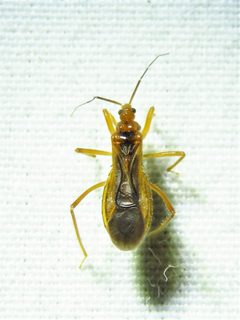
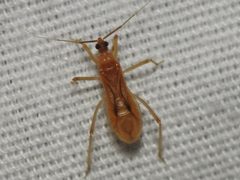
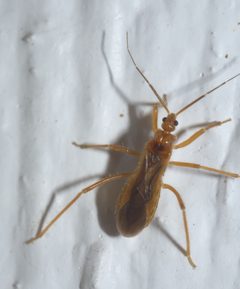
2Oncerotrachelus is a of assassin bugs ( Reduviidae) containing approximately 14 described . The genus was established by Stål in 1868 and is classified within the Saicinae. As with other reduviids, members are presumed to be predatory, though specific natural history details for most species remain undocumented.
Pronunciation
How to pronounce Oncerotrachelus: //ˌɒŋkɛroʊˈtrækələs//
These audio files are automatically generated. While they are not always 100% accurate, they are a good starting point.
Identification
Distinguishing Oncerotrachelus from other saicine requires examination of structural features such as and pronotal , antennal segment proportions, and male genitalia. Specific diagnostic characters vary by and are documented in taxonomic revisions rather than general field guides.
Images
Distribution
The occurs in the New World tropics and subtropics, with distributions spanning Central and South America. Precise range limits for individual species are poorly documented in accessible literature.
Similar Taxa
More Details
Taxonomic history
The was erected by Carl Stål in 1868. It has undergone limited modern revision, and -level remains incompletely resolved. The 14 currently recognized species represent the most recent compilation, but this count may change with further study.
Research needs
Basic natural history information—including associations, prey records, and stages—is largely unknown for most Oncerotrachelus . The 452 iNaturalist observations suggest field detectability, but these lack systematic documentation of ecological parameters.