
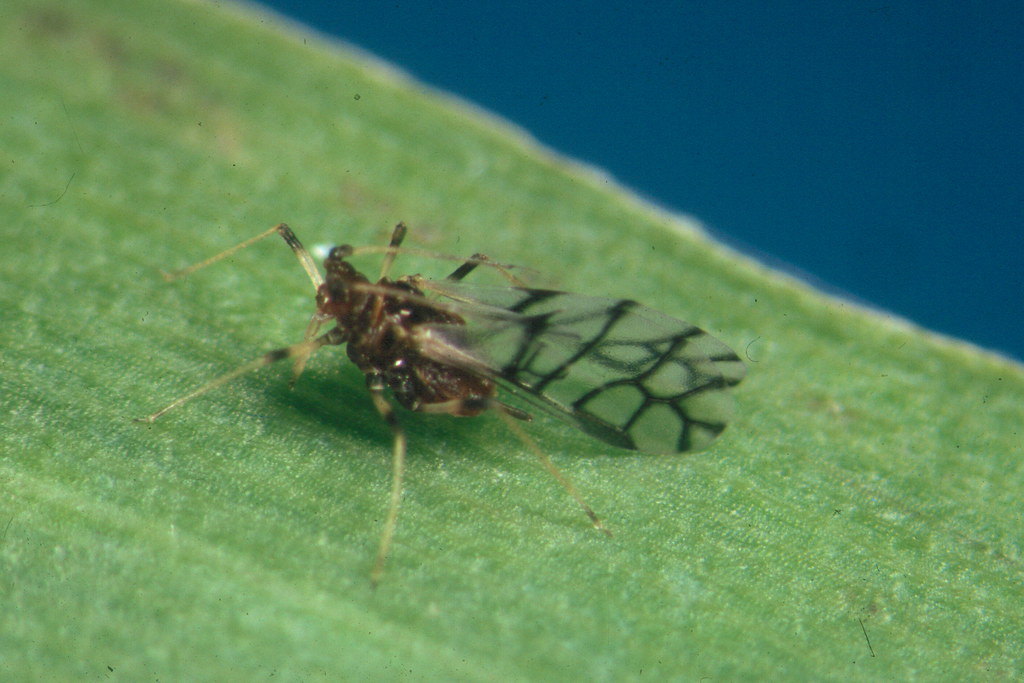
People usually talk about aphids like they are already explained. Tiny green bugs. Bad for the roses. Spray them, squish them, move on. That is not wrong. It is just a very small version of the story.
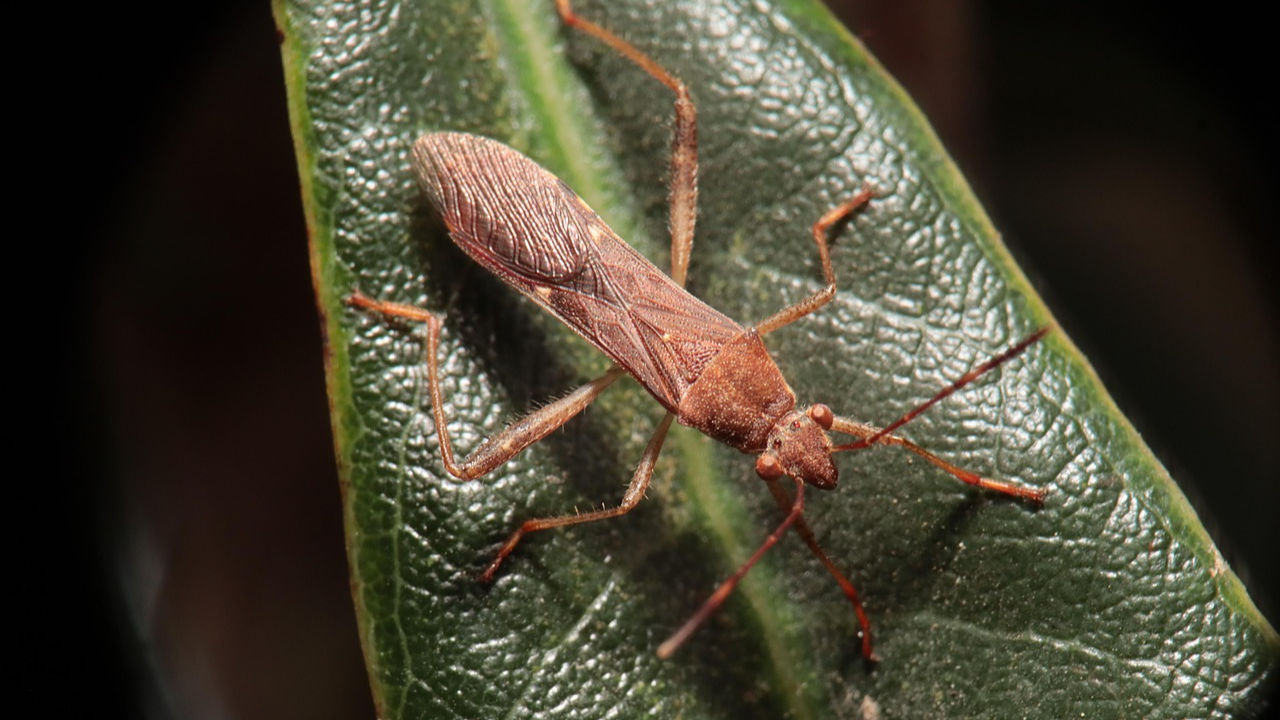
minute pirate bug, minute flower bug
Orius tristicolor is a minute pirate bug in the family Anthocoridae, known for its role as a generalist predator of small arthropod pests. The species exhibits behavioral plasticity in foraging, adjusting search effort based on leaf damage and prey type. It develops through five nymphal instars before reaching adulthood and has been documented in agricultural systems, particularly in association with thrips and spider mites. The species occurs across a broad geographic range including North, Central, and South America, the Caribbean, and Oceania.
minute pirate bug
Orius vicinus is a predatory minute pirate bug (Hemiptera: Anthocoridae) studied extensively for biological control potential. Under laboratory conditions at 26°C, it completes development from egg to adult in approximately 18–23 days, with females living 15–17 days and producing 31–61 eggs. The species exhibits Type II or Type III functional responses depending on prey stage, with adult prey generally preferred over eggs. It has been observed feeding on spider mites, whiteflies, thrips, and other small arthropods in agricultural settings. Unlike some congeners, O. vicinus does not enter reproductive diapause and continues oviposition through winter conditions.
Ormenaria barberi is a planthopper species in the family Flatidae, first described by Van Duzee in 1912. It belongs to the tribe Siphantini within the subfamily Flatinae. The species has been recorded in Arizona, with observations documented through citizen science platforms. As a member of the Flatidae family, it shares the characteristic broad, flattened body form typical of planthoppers in this group.
Ornithocoris pallidus is a species of bed bug in the family Cimicidae, first described by Usinger in 1959. It belongs to the subfamily Haematosiphoninae, which comprises cimicids associated with birds and bats. The genus Ornithocoris is distinguished from other cimicid genera by its association with avian hosts. The species epithet 'pallidus' refers to its pale coloration. Distribution records indicate presence in North America and South America, though specific details regarding its biology and ecology remain poorly documented in the available literature.
Orsilochides scurrilis
A shield-backed bug in the family Scutelleridae, characterized by the greatly enlarged scutellum that covers most of the abdomen and wings. This species exhibits the typical scutellerid body form with a rounded, shield-like appearance. The genus Orsilochides is primarily Neotropical in distribution.
Orsilochides stictica is a species of shield-backed bug in the family Scutelleridae, a group of true bugs characterized by a greatly enlarged scutellum that covers most of the abdomen and wings. The species is moderately well-documented with over 780 observations, primarily in North America. Members of this genus are often associated with host plants in the family Fabaceae. The species exhibits the typical shield bug body plan with metallic or patterned coloration common in the family.
Orthops is a genus of plant bugs in the family Miridae, subfamily Mirinae. The genus was established by Fieber in 1858. It contains at least 30 described species globally, with approximately 5 species in two subgenera recorded from Europe. Species in this genus are small, soft-bodied insects that feed on plants.
carrot plant bug
Orthops scutellatus, commonly known as the carrot plant bug, is a species of plant bug in the family Miridae. It is native to North America and has also been recorded from several other regions including Japan, Russia (Sakhalin and Kurile Islands), China, and New Zealand. The species is associated with carrot plants and related vegetation.
Orthotylus angulatus is a species of plant bug in the family Miridae, first described by Uhler in 1895. It belongs to a large and diverse genus of mirid bugs found primarily in the Northern Hemisphere. The species has been documented in western North America, particularly in Colorado and Utah. Like other members of Orthotylus, it is likely associated with herbaceous vegetation, though specific ecological details remain poorly documented.
Orthotylus coagulatus is a species of plant bug in the family Miridae. It belongs to a large genus of mirid bugs found primarily in the Northern Hemisphere. The species has been documented in the western United States, with records from Colorado and Nevada. Like other members of its genus, it is likely associated with vegetation and may be attracted to lights at night.
Orthotylus cruciatus is a species of plant bug in the family Miridae, described by Van Duzee in 1916. It belongs to a large genus of small, often greenish mirids that are frequently associated with vegetation. The species is documented from the northeastern United States, specifically Maine, though records are sparse. Like other Orthotylus species, it is likely a plant-feeding insect, but specific biological details remain poorly documented in the scientific literature.
Orthotylus necopinus is a species of plant bug in the family Miridae, described by Van Duzee in 1916. It is known from North America, with documented records from New Hampshire and West Virginia in the United States. Like other members of the genus Orthotylus, it belongs to a diverse group of mirid bugs commonly attracted to lights at night. Very little specific biological information is available for this particular species.
A small plant bug in the family Miridae, described by Knight in 1927. The species is recorded from several eastern and central U.S. states. Like other members of the genus Orthotylus, it is associated with vegetation and has been observed visiting lights at night. The biology of this species remains poorly documented.
Osbornellus alatus is a species of leafhopper in the family Cicadellidae, subfamily Deltocephalinae, described by Beamer in 1937. It belongs to a genus of small, active insects commonly found in North American habitats. Leafhoppers in this family are known for their jumping ability and plant-feeding habits, though specific ecological details for this species remain limited in published literature.
Osbornellus parallelus is a species of leafhopper in the family Cicadellidae, described by DeLong & Knull in 1941. It belongs to the tribe Scaphoideini within the subfamily Deltocephalinae. Leafhoppers in this genus are small, plant-feeding insects with piercing-sucking mouthparts. The specific epithet 'parallelus' likely refers to some aspect of the species' morphology, such as parallel wing veins or body markings.
Osbornellus rotundus is a species of leafhopper in the family Cicadellidae, first described by Beamer in 1937. It belongs to the tribe Scaphoideini within the subfamily Deltocephalinae. The species has been recorded from multiple states in the eastern United States.
Osbornellus unicolor is a species of leafhopper in the family Cicadellidae, first described by Osborn in 1900. It belongs to the tribe Scaphoideini within the subfamily Deltocephalinae. The species has been documented in the northeastern United States, with records from Massachusetts and New Hampshire. As a member of the Auchenorrhyncha, it is a sap-feeding insect with piercing-sucking mouthparts.
Ossiannilssonola aff-rossi is a species of planthopper in the family Cixiidae. The specific epithet "aff-rossi" indicates affinity to but distinction from O. rossi, suggesting close morphological similarity. Cixiidae are small to medium-sized planthoppers with generally cryptic coloration.
Ossiannilssonola berenice is a species of leafhopper in the family Cicadellidae, subfamily Typhlocybinae. It was described by McAtee in 1926. This small hemipteran belongs to a group commonly known as typhlocybine leafhoppers, which are typically associated with woody plants. The genus Ossiannilssonola is named in honor of the Swedish entomologist Ossiannilsson.
Ossiannilssonola duplicata is a species of leafhopper in the family Cicadellidae, subfamily Typhlocybinae. First described by McAtee in 1926, this species belongs to a genus of small, often inconspicuous leafhoppers. It has been recorded from several localities in northeastern and north-central North America.
Ossiannilssonola serrula is a species of leafhopper in the family Cicadellidae, subfamily Typhlocybinae. The species was described by Ross and DeLong in 1949. It belongs to a genus of small, delicate leafhoppers that feed on plant sap. Distribution records indicate occurrence in eastern North America from Nova Scotia to Tennessee.
Otiocerus abbotii is a species of planthopper in the family Derbidae, first described by Kirby in 1821. It belongs to a group of insects commonly attracted to blacklights during nocturnal surveys. The species is part of a genus whose members are often found in association with woody vegetation. Like other derbid planthoppers, it possesses the characteristic elongated body form and wings held roof-like over the body at rest.
Otiocerus amyotii is a species of derbid planthopper in the family Derbidae, described by Fitch in 1856. It belongs to a genus characterized by distinctive morphological features typical of the Otiocerinae subfamily. The species has been documented across multiple eastern and midwestern U.S. states. Like other derbid planthoppers, it is likely associated with woody host plants, though specific ecological details remain poorly documented in accessible literature.
Otiocerus kirbyii is a species of derbid planthopper in the family Derbidae. It belongs to the tribe Otiocerini and is one of several species in the genus Otiocerus found in North America. Like other derbids, it is characterized by its distinctive wing structure and planthopper morphology. The species was described by Fitch in 1851.
Hawthorn-Mint Aphid
Ovatus crataegarius, commonly known as the Hawthorn-Mint Aphid, is an aphid species in the family Aphididae. Its taxonomic status is marked as doubtful or ambiguous synonym in major databases, with some sources suggesting it may be synonymous with Ovatus mentharius. The species has been recorded from the Azores islands and parts of Brazil.
dirt-colored seed bugs
Ozophora is a genus of dirt-colored seed bugs in the family Rhyparochromidae, containing more than 100 described species. These true bugs are characterized by their dull coloration and association with seed feeding. The genus has been documented in the Neotropics and the Lesser Antilles, with research focusing on systematics, new species descriptions, and reproductive behavior in select species.
dirt-colored seed bug
Ozophora depicturata is a seed bug species in the family Rhyparochromidae, first described by Barber in 1928. It belongs to the large and diverse group of 'dirt-colored seed bugs' characterized by generally dull, earth-toned coloration. The species is documented from North America, with occurrence records from the United States.
Ozophora occidentalis is a species of seed bug in the family Rhyparochromidae, described by Slater in 1988. It is distributed in western North America, with records from Canada and the United States. As a member of the genus Ozophora, it belongs to a group of true bugs primarily associated with seed feeding. The species is part of the tribe Ozophorini within the subfamily Rhyparochrominae.
dirt-colored seed bugs
Ozophorini is a tribe of true bugs within the family Rhyparochromidae, established by Sweet in 1967. The tribe comprises more than 30 genera and approximately 220 described species. Members are classified within the seed bug assemblage of the superfamily Lygaeoidea. The tribe has been subject to taxonomic revision, particularly for genera such as Vertomannus, and biological studies including life cycle documentation for species like Balboa variabilis.
little mesquite cicada
Pacarina puella, commonly known as the little mesquite cicada, is a small cicada species in the family Cicadidae. It is distributed across parts of North America and Central America, with records from the southwestern United States including Arizona, Oklahoma, and Louisiana, as well as Mexico. The species is associated with mesquite (Prosopis) host plants. Adults are active during summer months and are attracted to ultraviolet light sources.
Little Juniper Cicada
Pacarina shoemakeri, commonly known as the little juniper cicada, is a small cicada species in the family Cicadidae described by Sanborn and Heath in 2012. It is native to southwestern North America, with documented occurrences in Arizona, Colorado, New Mexico, and Texas. The species is associated with juniper woodlands and has been observed in pinyon-juniper habitats.
dirt-colored seed bugs
Pachybrachius is a genus of dirt-colored seed bugs in the family Rhyparochromidae, established by Hahn in 1826. The genus comprises 11 described species distributed across the Palearctic region, with records from northern Europe and Sweden. Members of this genus are part of the tribe Myodochini within the subfamily Rhyparochrominae. As true bugs in the order Hemiptera, they possess piercing-sucking mouthparts characteristic of the group.
dirt-colored seed bug, wetland groundbug
Pachybrachius fracticollis is a seed bug in the family Rhyparochromidae, commonly known as the wetland groundbug or dirt-colored seed bug. The species has a broad distribution spanning Europe, Northern Asia (excluding China), and North America. Three subspecies are recognized: P. f. collaris, P. f. fracticollis, and P. f. tridens. As a member of the Myodochini tribe, it belongs to a group of ground-dwelling bugs associated with moist habitats.
sphagnum groundbug, dirt-colored seed bug
Pachybrachius luridus is a species of dirt-colored seed bug in the family Rhyparochromidae. It has a broad distribution spanning Europe, Northern Asia (excluding China), North America, and Southern Asia. The species is commonly known as the sphagnum groundbug, suggesting an association with peat-forming wetland habitats.
Pachycorinae is a subfamily of Scutelleridae (jewel bugs) comprising 27 genera and approximately 125 species, predominantly distributed in the Neotropical region. The subfamily is distinguished by the presence of stridulatory structures: an abdominal sternal stridulitrum located primarily on sternites V-VI, paired with a tibial plectrum on the hind tibiae. These sound-producing structures are present in immatures, males, and females, and exhibit morphological variation that carries taxonomic significance. Two main stridulitrum patterns occur: smooth carinae (24 genera) and coarse carinae with small teeth (3 genera); tibial plectra show either rounded tubercles or flat tubercles.
Pachygrontha compacta is a true bug species in the family Pachygronthidae, first described by Distant in 1893. It is a seed bug with a broad distribution across the Neotropical and Nearctic regions, recorded from the southern United States through Central America and the Caribbean to South America. The species belongs to a family of lygaeoid bugs characterized by their elongate body form and seed-feeding habits. Like other members of Pachygronthidae, it is presumed to feed on seeds of grasses or other monocot plants, though specific host records remain limited.
Hackberry Blister Gall Psyllid
A tiny psyllid species that induces blister galls on hackberry leaves. Adults overwinter in concealed locations and emerge in fall, sometimes becoming nuisance pests when they congregate on building exteriors. The species is one of approximately seven hackberry psyllid species in North America, each producing distinct gall morphologies.
Hackberry Disc Gall Psyllid
Pachypsylla celtidisumbilicus is a species of hackberry psyllid that produces distinctive disc-shaped galls on hackberry leaves (Celtis spp.). Adults emerge in fall and seek shelter to overwinter, often becoming household nuisances when they congregate on building exteriors. The species is one of at least seven Pachypsylla species associated with hackberry in North America, each producing a characteristic gall morphology.
hackberry blistergall psyllid
Pachypsylla celtidisvesicula, commonly called the hackberry blistergall psyllid, is a species of aphalarid psyllid native to North America. The nymphs induce distinctive blister-like galls on the leaves of various hackberry species (Celtis spp.), within which they develop through five instars before emerging as adults. Adults strongly resemble the related hackberry nipplegall psyllid (Pachypsylla celtidismamma) but can be distinguished by the gall type their nymphs produce. Like other hackberry psyllids, adults overwinter in concealed locations and can become a temporary nuisance when they aggregate on building exteriors in fall.
Pagasa pallipes is a small predatory true bug in the family Nabidae (damsel bugs), subfamily Prostemmatinae. The species was described by Stål in 1873 and has been recorded from Mexico and parts of North America. Members of the genus Pagasa are ground-dwelling predators with somewhat beetle-like appearance.
Palonica is a genus of treehoppers in the family Membracidae, tribe Telamonini, established by Ball in 1931. The genus contains four described species: Palonica nogalana, P. pyramidata, P. tremulata, and P. viridia. As members of the subfamily Smiliinae, these insects exhibit the pronounced pronotal modifications characteristic of many treehoppers. The genus has been documented in North America, with at least one species (Palonica portola) recorded from California.
Palonica pyramidata ampliata is a subspecies of treehopper in the family Membracidae, described by Ball in 1931. It belongs to the tribe Telamonini within the subfamily Smiliinae. Treehoppers in this genus are characterized by their enlarged, often ornate pronotum that extends over the body. The subspecies epithet "ampliata" suggests enlarged or amplified features relative to the nominate form.
Panaphidina is a subtribe within the aphid tribe Panaphidini, family Aphididae. It was established by Oestlund in 1923 and is currently treated as a synonym in modern taxonomic databases. The subtribe encompasses certain aphid genera historically grouped together based on morphological similarities. Members belong to the subfamily Calaphidinae, a diverse group of aphids found primarily in the Northern Hemisphere.
Panaphis is a genus of aphids in the family Aphididae, subfamily Calaphidinae. The best-known species, Panaphis juglandis, is a destructive pest of walnut trees (Juglans spp.) and forms mutualistic associations with tending ants. Ants protect these aphids from predators such as lady beetles in exchange for honeydew. The genus has been documented in parts of Europe including Denmark, Norway, and Sweden.
burrower bugs
Pangaeus is a genus of burrower bugs in the family Cydnidae (Hemiptera), comprising approximately 14 described species. Members are fossorial insects adapted for subterranean life, with species distributed across the Americas. The genus includes significant agricultural pests, most notably P. bilineatus, which damages peanut crops in the southeastern United States. Species exhibit morphological adaptations for burrowing, including stout, spiny forelegs.
peanut burrower bug, Two-lined Burrowing Bug
Pangaeus bilineatus, commonly known as the peanut burrower bug, is a soil-dwelling true bug in the family Cydnidae. It is a major agricultural pest of peanut crops in the southeastern United States, where it causes significant economic damage by feeding underground on developing peanut kernels. The species exhibits a single generation per year in most regions, with adults entering diapause in soil during winter months. Its subterranean lifestyle renders conventional foliar pesticide applications ineffective, necessitating specialized integrated pest management approaches.
Paraceresa colon is a species of treehopper in the family Membracidae, first described by Germar in 1835. It belongs to the tribe Ceresini within the subfamily Smiliinae. As with other membracids, this species is characterized by its distinctive pronotal structure. The genus Paraceresa is part of the diverse treehopper fauna of the Americas.
Paradelphacodes litoralis is a species of planthopper in the family Delphacidae, first described by Reuter in 1880 under the basionym Delphacodes litoralis. It belongs to the diverse group of true bugs within the order Hemiptera. The species has been recorded across a broad geographic range spanning northern Eurasia and North America, including the Amur region, Buryatia, Khabarovsk, England, and British Columbia.
Paradelphacodes paludosus is a species of planthopper in the family Delphacidae, first described by Flor in 1861. It belongs to a genus of small, delicate insects commonly known as delphacid planthoppers. Very little specific biological information has been published for this species. Distribution records indicate occurrence across a broad geographic range spanning northern Europe through eastern Asia, including Alaska and parts of Russia and China.
Paraheraeus eximius is a seed bug in the family Rhyparochromidae, first described by Distant in 1882. It belongs to the tribe Myodochini, a group of ground-dwelling true bugs commonly associated with seeds and plant debris. The species has been recorded from the United States and Guatemala. As a member of the Lygaeoidea superfamily, it shares the typical rhyparochromid habit of feeding on seeds, though specific ecological details for this species remain limited.