
Ochrostomus
Stål, 1874
Species Guides
2Ochrostomus is a of seed bugs in the Lygaeidae, established by Carl Stål in 1874. Members of this genus belong to the Lygaeinae and are characterized by their relatively small to medium size and association with seed-feeding habits typical of the family. The genus is primarily distributed in the Old World tropics and subtropics. As with many lygaeid genera, -level remains partially unresolved, and ecological data for most species are limited.
Pronunciation
How to pronounce Ochrostomus: //ˌɑː.krəˈstɒ.məs//
These audio files are automatically generated. While they are not always 100% accurate, they are a good starting point.
Identification
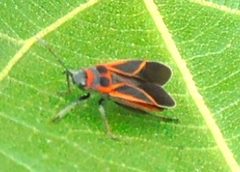
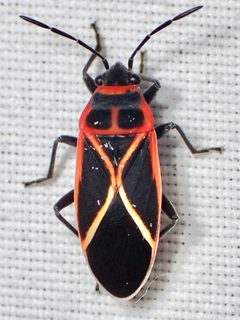
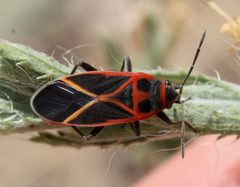
Distinguished from related lygaeine by genitalic characters and subtle differences in pronotal and abdominal structure; reliable identification to generally requires examination of male genitalia. Species within Ochrostomus often exhibit pale to yellowish-brown coloration with variable dark markings. Separated from the superficially similar genus Lygaeus by differences in the structure of the pygophore and parameres.
Images
Distribution
Primarily distributed across the Old World tropics and subtropics, including regions of Africa, Asia, and associated islands. Specific range boundaries for the as a whole remain imperfectly documented due to taxonomic revisions and uneven sampling.
Similar Taxa
- LygaeusClosely related in the same Lygaeinae; distinguished by male genitalic and subtle differences in color pattern and body proportions
- SpilostethusAnother lygaeine with similar body form and coloration; Ochrostomus generally lack the bold contrasting color patterns common in many Spilostethus species