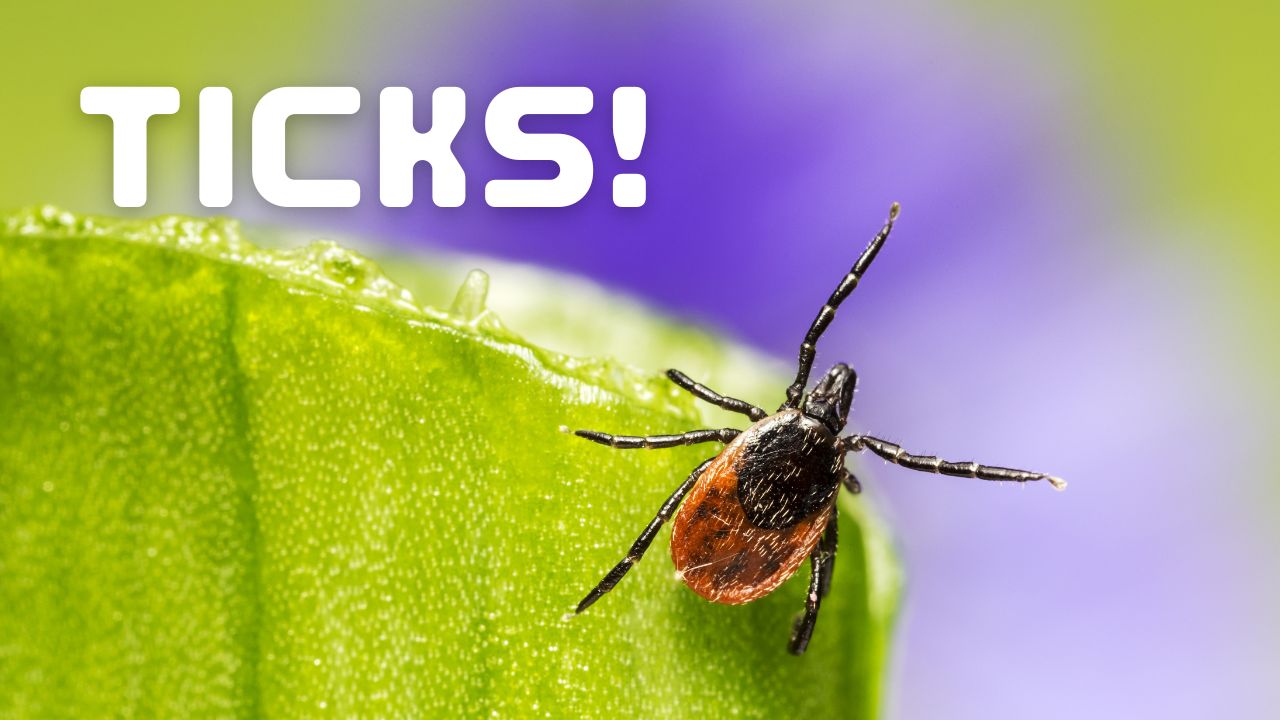
Tick
Guides
Acari
Mites and Ticks, mites, ticks
Acari is a subclass of arachnids containing mites and ticks. The group exhibits extraordinary diversity with fossil records dating to the early Devonian period. Recent phylogenetic analyses have challenged the monophyly of Acari, suggesting that the two main lineages—Parasitiformes (ticks and allies) and Acariformes (dust mites, spider mites, chiggers, and allies)—may not share a single common ancestor exclusive of other arachnids. This would render Acari a paraphyletic or polyphyletic grouping rather than a natural taxon. The traditional unifying character, the gnathosoma (a modified mouthpart region), has been shown to be absent or differently constructed in many species across both lineages.
Amblyomma cajennense
Cayenne tick
Amblyomma cajennense, commonly known as the Cayenne tick, is a hard tick species historically considered to range from the southern United States through Central America and the Caribbean to northern Argentina. Molecular studies have revealed this 'species' is actually a complex of multiple cryptic species, with A. cajennense sensu stricto now restricted to the Amazonian region of South America. The species complex is of significant medical and veterinary importance as a vector of Rocky Mountain spotted fever and other rickettsial diseases.
Amblyomma dissimile
Iguana Tick
Amblyomma dissimile is a hard tick (Ixodidae) with an exceptionally broad host range spanning amphibians, reptiles, mammals, and birds across the Neotropics. It is commonly known as the Iguana Tick due to frequent associations with iguanid lizards. The species exhibits a three-host life cycle and has been documented to reproduce parthenogenetically. Its distribution extends from the southern United States through Central America and South America to northern Argentina, with highest environmental suitability in the Amazon and Pantanal biomes.
Amblyomma maculatum
Gulf Coast tick
Amblyomma maculatum, commonly known as the Gulf Coast tick, is a three-host hard tick native to the southeastern and south-central United States. The species has been expanding its range northward and westward in recent decades, with established populations now documented as far north as Virginia and west to Oklahoma. Adults primarily parasitize large mammals including cattle, deer, and humans, while immature stages feed on small mammals and ground-dwelling birds. The species is a vector of Rickettsia parkeri, the causative agent of American tick bite fever, and has been associated with tick paralysis in rare cases. Heavy infestations on livestock can cause significant economic damage through hide degradation and blood loss.
Amblyomma tuberculatum
gopher tortoise tick
Amblyomma tuberculatum is a hard tick species endemic to the United States, commonly known as the gopher tortoise tick due to its intimate association with the gopher tortoise (Gopherus polyphemus). Unlike many tick species, its distribution appears more restricted than that of its primary host, with environmental factors such as sand depth and soil composition playing significant roles in habitat suitability. Laboratory studies have documented its complete life cycle, which requires a minimum of 207 days under controlled conditions.
Chelicerata
Chelicerates
Chelicerata is a major subphylum of arthropods characterized by the presence of chelicerae—pincer-like or fang-like appendages that are the first pair of structures before the mouth. The group includes horseshoe crabs, sea spiders, and arachnids (spiders, scorpions, mites, ticks, harvestmen, and allies). Chelicerates diverged from other arthropods by the mid-Cambrian period, approximately 508 million years ago. With over 77,000 described living species and estimates suggesting hundreds of thousands more undescribed species, chelicerates represent one of the most diverse animal groups after insects. Most living species are terrestrial air-breathers, though marine lineages persist.
Dermacentor
Dog Ticks, American Levi tick
Dermacentor is a genus of hard ticks (family Ixodidae) with 43 recognized species as of 2025. The genus has a cosmopolitan distribution, occurring on all continents except Australia, with most species in the Nearctic ecozone. Members are obligate blood-feeding parasites of mammals, including large ungulates, lagomorphs, and humans. Several species are medically significant vectors of human and animal pathogens, including the agents of Rocky Mountain spotted fever, Q fever, tularemia, and tick paralysis.
Dermacentor albipictus
winter tick, moose tick
Dermacentor albipictus, commonly known as the winter tick or moose tick, is a one-host hard tick native to North America. It is primarily known as a serious pest of moose (Alces alces), with heavy infestations of up to 150,000 ticks documented on individual animals, often leading to death. The tick also parasitizes other cervids including elk, white-tailed deer, mule deer, and caribou, as well as cattle and horses. Unlike many tick species, D. albipictus is not known to transmit disease pathogens to humans, wildlife, or domestic animals. Its life cycle spans approximately one year, with all feeding stages occurring on a single host.
Dermacentor andersoni
Rocky Mountain wood tick
Dermacentor andersoni, the Rocky Mountain wood tick, is a three-host hard tick found in the Rocky Mountain region of western North America. It is a medically significant vector, primarily transmitting Colorado tick fever virus, with secondary potential for Rocky Mountain spotted fever and tularemia. Unlike larvae and nymphs, which feed on small mammals, adults will feed on humans. The species exhibits sexual dimorphism in coloration and size, with engorged females reaching nearly three times their unfed size.
Dermacentor occidentalis
Pacific Coast tick
Dermacentor occidentalis, commonly known as the Pacific Coast tick, is a hard tick in the family Ixodidae native to western North America. Unfed adults measure approximately 4.5 mm in length with a distinctive silvery-gray exoskeleton. This species is a known vector of several human pathogens including Rocky Mountain spotted fever, Pacific Coast tick fever, and tularemia, though it does not transmit Lyme disease. The tick exhibits a three-host life cycle, feeding on a wide range of mammalian, avian, and reptilian hosts throughout its development.
Dermacentor similis
Western Dog Tick
Dermacentor similis is a recently described hard tick species (2021) previously misidentified as western populations of Dermacentor variabilis. Molecular and morphological analyses confirmed it as a distinct species restricted to western North America. Like its eastern counterpart, it is a three-host tick with significant medical and veterinary importance, though its specific vector competence for pathogens remains under investigation.
Haemaphysalis leporispalustris
rabbit tick, grouse tick
Haemaphysalis leporispalustris, commonly known as the rabbit tick, is a hard tick (family Ixodidae) with one of the widest distributions of any New World tick species, ranging from Alaska to Argentina. It is a three-host tick specialized on lagomorph hosts (rabbits and hares), with larvae also frequently found on ground-dwelling birds. Despite rarely feeding on humans, it serves as a vector for several pathogens affecting wildlife and domestic animals, including Rickettsia rickettsii, Coxiella burnetii, and Francisella tularensis. A newly recognized human pathogen, Rickettsia lanei, has been associated with this tick species.
Ixodes
hard-bodied ticks, blacklegged ticks, deer ticks
Ixodes is a genus of hard-bodied ticks (family Ixodidae) comprising approximately 274 species with a near-cosmopolitan distribution. It is the sole representative of the Prostriata clade, distinguished from Metastriata by an anal groove that loops anterior to the anus. Many species serve as important disease vectors, transmitting pathogens including Borrelia burgdorferi (Lyme disease), Babesia microti (babesiosis), and Anaplasma phagocytophilum (anaplasmosis). Some species, notably Ixodes holocyclus, inject neurotoxins that can cause tick paralysis.
Ixodes affinis
Ixodes affinis is a hard-bodied tick species distributed across the southeastern United States, Mexico, Central America, and South America. Unlike its congener Ixodes scapularis, this species does not bite humans but serves as a competent vector for Borrelia burgdorferi sensu stricto, the causative agent of Lyme disease. Immature stages feed on birds and small mammals, while adults parasitize larger mammals including deer and dogs. Its expanding range into southeastern Virginia and association with migratory birds has raised concerns about its role in pathogen dispersal.
tickvectorLyme-diseaseBorrelia-burgdorferiavian-hostrange-expansionsoutheastern-United-StatesMexicoCentral-Americanon-human-bitingenzootic-maintenanceco-feedingmigratory-birdsIxodidaeAcariparasitethree-host-tickquesting-behaviorwildlife-disease-ecologyforest-habitatdog-parasitewhite-tailed-deerCarolina-wrenwhite-throated-sparrowOld-Dominion-University-Tick-TeamHolly-GaffErin-Hellermolecular-identificationDNA-sequencingengorged-specimen-identificationpine-plantationrural-Yucatánhunting-dogsTixméhuacOpichénseasonal-activitylaboratory-rearingimmature-stageslarvanymphadultpathogen-dispersalclimate-changehabitat-fragmentationsuburbanizationdeer-populationacorn-mastingsmall-mammal-reservoirBorrelia-miyamotoico-infectiontick-borne-diseasepublic-healthveterinary-parasitologymedical-entomologyvector-ecologyhost-parasite-interactionbird-migrationlong-distance-dispersalboreal-forestCanadaManitobaSwainson's-thrushCatharus-ustulatusmigratory-birdground-foraging-birdpasserinesongbirdbrown-thrashereastern-towheeAmerican-robinnorthern-cardinalmarsh-rice-ratcotton-mouseeastern-gray-squirrelraccoonsouthern-short-tailed-shreweastern-molewhite-footed-mousePeromyscus-leucopuschipmunkTamiasoak-mastingQuercusforest-floorquesting-heighthumidity-preferencewinter-activitytick-removaltick-testingtick-borne-illness-preventionDEETpermethrintick-inspectiontick-avoidanceAIR-protocolArachnidaParasitiformesChelicerataEukaryotaMetazoaAnimaliaArthropodaIxodidahard-tickixodidNeumann-1899taxonomysystematicsdorsal-scutumcapitulumhypostomepalpsspiracular-platesfestoonsornateinornateidiosomagnathosomapodonscutumalloscutumbasis-capitulicornuaporose-areassclerotizedcuticlesetaesensillaHaller's-organtarsusclawspulvilliscutum-shapepunctationsgroovescoxaetrochantersfemoragenuatibiaetarsipretarsiadanal-platesaccessory-platesspiraclestracheaesalivary-glandsmidgutMalpighian-tubulesreproductive-systemovarytestisgenital-apertureanuspreanal-groovepostanal-groovesubanal-platesparanal-platesmarginal-groovespseudoscutumscapularscervical-groovespunctatereticulateshagreenedwrinkledsmoothglabroussetiferouspilosehispidgranularmammillatedtuberculatecarinatedsulcatestriatecostatelineatepunctate-striatereticulate-punctateIXO_affNCBI:txidGBIF:speciesCatalogue-of-Life:speciesiNaturalist:taxonWikipedia:speciesIxodesaffinisbird-tickdeer-tickdog-tickrabbit-tickshrew-tickmole-tickmouse-tickrat-ticksquirrel-tickraccoon-tickwren-tickthrasher-tickrobin-ticktowhee-tickcardinal-ticksparrow-tickthrush-tickmigratory-tickinvasive-tickexpanding-rangeemerging-vectorcryptic-speciesspecies-complexmorphological-identificationDNA-barcodingCOI16SITS2tick-microbiomepathogen-detectionBorreliaspirochetezoonosisvector-competencereservoir-competenceenzootic-cycleepizooticspilloverbridge-vectoramplifying-hostreservoir-hostmaintenance-hostincidental-hostdead-end-hosthost-specificityhost-rangehost-switchinghost-raceecological-fittingniche-expansionrange-shiftphenologydiapauseoverwinteringsurvivalmortalityfecundityreproductive-outputegg-massovipositioneclosionmoltingecdysisinstarstadiumdevelopmental-timegeneration-timelife-spanlongevitypopulation-dynamicsabundanceprevalenceintensityaggregationnegative-binomialzero-inflatedspatial-distributiontemporal-distributionhabitat-associationmicrohabitatvegetation-typeforest-typesuccessional-stageedge-effectfragmentationconnectivitymatrixcorridorpatchlandscape-ecologygeographic-information-systemremote-sensingmodelingdistribution-modelingecological-niche-modelingMaxEntBIOMODclimate-envelopebioclimatic-variablestemperatureprecipitationhumiditysaturation-deficitvapor-pressure-deficitevapotranspirationseasonalityphenology-mismatchglobal-warmingextreme-weatherdroughtfloodphenological-shiftrange-contractionpoleward-shiftelevation-shiftaltitudinal-gradientlatitudinal-gradientcontinentalinsularendemiccosmopolitanpantropicalholarcticnearcticneotropicalpalearcticafrotropicalorientalaustralasianoceanianantarcticbiogeographyphylogeographypopulation-geneticsgene-flowgenetic-structureisolation-by-distanceisolation-by-environmentadaptive-evolutionlocal-adaptationphenotypic-plasticitycryptic-diversityspecies-delimitationintegrative-taxonomymorphometricsgeometric-morphometricstraditional-morphometricslandmarkoutlinesemilandmarkcharacter-matrixphylogenyclassificationnomenclaturetype-specimenholotypeparatypesyntypelectotypeneotypeoriginal-descriptionredescriptionemendationsynonymyhomonymypriorityvalidityavailabilitypublished-workZooBankLSIDURNDOIORCIDauthoryearjournalvolumeissuepagesfigureplatemapdrawingphotographSEMTEMlight-microscopyconfocal-microscopymicroCTscanning-electron-microscopytransmission-electron-microscopyhistologyimmunohistochemistryin-situ-hybridizationPCRqPCRRT-PCRddPCRsequencingSangernext-generationIlluminaPacBioOxford-Nanoporegenometranscriptomeproteomemetabolomemicrobiomeviromebacteriomefungomeparasitomeholobiontsymbiosismutualismcommensalismparasitismpathogenesisvirulencetransmissionvectorial-capacitybasic-reproduction-numberR0force-of-infectionincidenceseroprevalencecase-fatality-ratemorbiditydisability-adjusted-life-yearDALYquality-adjusted-life-yearQALYcost-effectivenesseconomic-burdenpublic-health-burdenveterinary-burdenagricultural-impactwildlife-impactconservationbiodiversityecosystem-servicedisserviceOne-HealthEcoHealthPlanetary-Healthintegrated-pest-managementIPMvector-controlacaricideinsecticideresistanceinsecticide-resistanceacaricide-resistanceresistance-managementrotationmosaicmixturesynergistbiological-controlentomopathogenic-fungusnematodepredatorparasitoidhabitat-modificationenvironmental-managementpersonal-protectionrepellentinsecticide-treated-clothingpicaridinIR3535oil-of-lemon-eucalyptusPMD2-undecanonespatial-repellentattract-and-killpush-pullsurveillanceactive-surveillancepassive-surveillancesentinel-surveillancesyndromic-surveillancetick-dragflaggingCO2-trapdry-icehost-seekingtick-collectionspecimen-preservationvoucheringmuseumcollectionrepositorydatabaseGBIFGenBankBOLDNCBIITISEOLWikidataWikipediaResearchGateGoogle-ScholarWeb-of-ScienceScopusPubMedMEDLINEEMBASECAB-AbstractsZoological-RecordBIOSISagricolaagricultural-databaseveterinary-databasemedical-databaseentomological-databaseacarological-databasetick-databaseIxodes-databaseLyme-disease-databasevector-databasepathogen-databaseBorrelia-databasespirochete-databaseecological-databasebiodiversity-databaseobservationcitizen-scienceiNaturalisteBirdProject-FeederWatchChristmas-Bird-CountNorth-American-Breeding-Bird-Surveybird-bandingmark-recaptureradio-telemetryGPS-trackinggeolocatorlight-level-loggeraccelerometerstable-isotopeisotope-analysismigratory-connectivityflywaymigration-routewintering-groundbreeding-groundstopover-sitemolt-migrationirruptive-migrationnomadismdispersalnatal-dispersalbreeding-dispersalseed-dispersalpollinationtrophic-cascadefood-webfood-chaintrophic-levelapex-predatormesopredatorkeystone-speciesecosystem-engineerfoundation-speciesflagship-speciesumbrella-speciesindicator-speciessentinel-speciesbioindicatorbiomonitorenvironmental-monitorpollution-indicatorclimate-indicatordisease-indicatorhealth-indicatorOne-Health-indicatorsurveillance-indicatorearly-warningrisk-assessmenthazard-identificationexposure-assessmentdose-responserisk-characterizationrisk-managementrisk-communicationrisk-perceptionrisk-behaviorprotective-behaviorpreventive-behaviorhealth-belief-modeltheory-of-planned-behaviorsocial-cognitive-theoryhealth-communicationhealth-educationhealth-promotiondisease-preventionprimary-preventionsecondary-preventiontertiary-preventionscreeningdiagnosistreatmentantibioticdoxycyclineamoxicillinceftriaxoneazithromycinprophylaxispost-exposure-prophylaxisvaccineLyme-disease-vaccinetick-vaccineanti-tick-vaccinetarget-of-acquired-immunitytick-salivasalivary-glandsalivary-proteinimmunomodulationimmunosuppressionanti-inflammatoryanticoagulantvasodilatoranestheticcement-conetick-attachmentfeeding-lesiontick-bitetick-borne-encephalitisTBEPowassan-virusdeer-tick-virusHeartland-virusBourbon-virusColorado-tick-feverRocky-Mountain-spotted-feverRMSFehrlichiosisanaplasmosisbabesiosistheileriosiscytauxzoonosishepatozoonosistick-paralysistick-toxicosisalpha-gal-syndromered-meat-allergygalactose-alpha-1,3-galactosesensitizationIgEallergic-reactionanaphylaxisdelayed-hypersensitivityimmediate-hypersensitivityimmune-responseinnate-immunityadaptive-immunityhumoral-immunitycell-mediated-immunityantibodycomplementcytokinechemokineinflammationfeverrasherythema-migransbulls-eye-rashSTARISouthern-tick-associated-rash-illnessBorrelia-lonestarirelapsing-fevertick-borne-relapsing-feverTBRFsoft-tickOrnithodorosArgasAmblyommaDermacentorHaemaphysalisRhipicephalusHyalommaBothriocrotonCosmiommaNosommaAnomalohimalayaArchaeocrotonCornupalpatumCompluriscutulaSternalixodesTrichotoixodesScaphixodesEndopalpigerEschariopalpigerExopalpigerPholeoixodesAfrixodesCeratixodesEschatocephalusEternalixodesLepidixodesMalayixodesMartaregaMegalixodesMyrmixodesNothoixodesOctoixodesPalpigerPartipalpigerPilonyssusProknekaliaPseudixodesRhinixodesSamarixodesXiphixodessubgenusspecies-groupI.-ricinus-complexI.-persulcatus-complexI.-scapularis-complexI.-pacificus-complexI.-affinis-groupI.-cookei-groupI.-marxi-groupI.-angustus-groupI.-soricis-groupI.-uriae-groupI.-holocyclus-groupI.-ceylonensis-groupI.-granulatus-groupI.-ovatus-groupI.-nipponensis-groupI.-persulcatus-groupI.-pavlovskyi-groupI.-ricinus-groupI.-scapularis-groupI.-pacificus-groupI.-affinisI.-auritulusI.-australiensisI.-boliviensisI.-brunneusI.-cookeiI.-cooleyiI.-cornuaeI.-cornuatusI.-crenulatusI.-damminiI.-dawsoniI.-dentatusI.-diomedeaeI.-domergueiI.-eadsiI.-eastoniI.-eldaricusI.-elongatusI.-eudyptidisI.-euplectropiI.-evansiI.-fecialisI.-festaiI.-frontalisI.-galapagoensisI.-ghilaroviI.-gibbosusI.-granulatusI.-gregsoniI.-hearleiI.-hexagonusI.-hirstiI.-holocyclusI.-hoogstraaliI.-howelliI.-hyattiI.-jacksoniI.-jellisoniI.-kashmiricusI.-kazakstaniI.-kingiI.-kohlsiI.-kopsteiniI.-kuntziI.-laguriI.-latusI.-layingensisI.-lewisiI.-lividusI.-longiscutatusI.-loricatusI.-luciaeI.-malayensisI.-marxiI.-masloviI.-matopiI.-minorI.-monospinosusI.-moreliI.-moschiferiI.-murisI.-murreletiI.-myospalacisI.-nchisiensisI.-necromysI.-neitziI.-nipponensisI.-nuttalliI.-ochotonaeI.-okapiaeI.-oldiI.-ornithorhynchiI.-ovatusI.-pacificusI.-pararicinusI.-pavlovskyiI.-percavatusI.-peromysciI.-persulcatusI.-pomerantziI.-pterodromaeI.-quadratusI.-raccoonisI.-rageauiI.-randrianasoloiI.-rasusI.-redikorzeviI.-ricinusI.-rothschildiI.-rotundatusI.-rubicundusI.-rugicollisI.-rugosusI.-sapeloensisI.-sarsiI.-scapularisI.-schillingsiI.-sculptusI.-semenoviI.-soricisI.-spinaeI.-steiniI.-stilesiI.-stromiI.-subterranusI.-tancitariusI.-tanukiI.-tapirusI.-tasmaniI.-tayloriI.-tertiariusI.-texanusI.-theileraeI.-thomasaeI.-tovariI.-transvaalensisI.-triangulicepsI.-trichosuriI.-turdusI.-uriaeI.-vandenbergiI.-vanidicusI.-ventalloiI.-vespertilionisI.-victoriensisI.-walkeraeI.-werneriI.-woodiI.-zaglossiI.-zairensistick-taxonomytick-systematicstick-phylogenytick-evolutiontick-biogeographytick-ecologytick-physiologytick-behaviortick-reproductiontick-developmenttick-nutritiontick-metabolismtick-respirationtick-excretiontick-osmoregulationtick-neurobiologytick-sensory-biologytick-chemoreceptiontick-thermoreceptiontick-mechanoreceptiontick-photoreceptiontick-circadian-rhythmtick-biological-clocktick-seasonalitytick-diapausetick-overwinteringtick-cold-hardinesstick-desiccation-resistancetick-water-balancetick-cuticletick-moltingtick-ecdysistick-growthtick-feedingtick-engorgementtick-blood-mealtick-digestiontick-salivationtick-saliva-compositiontick-salivary-gland-transcriptometick-salivary-proteometick-pharmacologytick-toxicologytick-venomtick-paralysis-toxintick-borne-pathogentick-borne-virustick-borne-bacteriumtick-borne-protozoantick-borne-helminthtick-borne-rickettsiatick-borne-ehrlichiatick-borne-anaplasmatick-borne-borreliatick-borne-babesiatick-borne-theileriatick-borne-hepatozoontick-borne-coxiellatick-borne-francisellatick-borne-bartonellatick-borne-chlamydiatick-borne-mycoplasmatick-borne-spiroplasmatick-borne-arbovirustick-borne-flavivirustick-borne-bunyavirustick-borne-reovirustick-borne-orbivirustick-borne-coltivirustick-borne-nairovirustick-borne-phlebovirustick-borne-thogotovirustick-borne-orthomyxovirustick-borne-arenavirustick-borne-hantavirustick-borne-paramyxovirustick-borne-rhabdovirustick-borne-bornavirustick-borne-filovirustick-borne-coronavirustick-borne-poxvirustick-borne-herpesvirustick-borne-adenovirustick-borne-papillomavirustick-borne-polyomavirustick-borne-circovirustick-borne-parvovirustick-borne-anellovirustick-borne-dependovirustick-borne-tenuivirustick-borne-deltavirustick-borne-hepadnavirustick-borne-retrovirustick-borne-lentivirustick-borne-spumavirustick-borne-metavirustick-borne-pseudovirustick-borne-hemivirustick-borne-novirhabdovirustick-borne-peribunyavirustick-borne-phenuivirustick-borne-bandavirustick-borne-phasivirustick-borne-tulasvirustick-borne-orthonairovirustick-borne-shavivirustick-borne-sathuperi-virustick-borne-salehabad-virustick-borne-dera-ghazi-khan-virustick-borne-hughes-virustick-borne-farallon-virustick-borne-punta-salinas-virustick-borne-sapphire-II-virustick-borne-zirqa-virustick-borne-keterah-virustick-borne-thiafora-virustick-borne-erve-virustick-borne-malsoor-virustick-borne-tibet-virustick-borne-qalyub-virustick-borne-yogue-virustick-borne-kasokero-virustick-borne-lebombo-virustick-borne-nyamanini-virustick-borne-midway-virustick-borne-tokar-virustick-borne-absettarov-virustick-borne-hypr-virustick-borne-kumlinge-virustick-borne-omsk-hemorrhagic-fever-virustick-borne-langat-virustick-borne-louping-ill-virustick-borne-kyasanur-forest-disease-virustick-borne-alkhurma-hemorrhagic-fever-virustick-borne-powassan-virustick-borne-deer-tick-virustick-borne-heartland-virustick-borne-bourbon-virustick-borne-colorado-tick-fever-virustick-borne-eyach-virustick-borne-banna-virustick-borne-seadornavirustick-borne-great-island-virustick-borne-kemerovo-virustick-borne-lipovnik-virustick-borne-tribec-virustick-borne-chobar-gorge-virustick-borne-wad-Medani-virustick-borne-dugbe-virustick-borne-crimean-congo-hemorrhagic-fever-virustick-borne-nairobi-sheep-disease-virustick-borne-ganjam-virustick-borne-bandia-virustick-borne-sierra-nevada-virustick-borne-lone-star-virustick-borne-severe-fever-with-thrombocytopenia-syndrome-virustick-borne-huaiyangshan-virustick-borne-guertu-virustick-borne-Alongshan-virustick-borne-wenzhou-virustick-borne-wuhan-virustick-borne-yongjia-virustick-borne-chiba-virustick-borne-natori-virustick-borne-odawara-virustick-borne-kowloon-virustick-borne-tamanavirusIxodes dentatus
Ixodes dentatus is a hard tick species in the family Ixodidae, first described by Marx in 1899. The species has been recorded in the southeastern United States, including Tennessee and Missouri, and is associated with small mammal hosts such as the marsh rice rat (Oryzomys palustris). It is one of several Ixodes species studied for host associations and seasonal occurrence patterns, though detailed biological information remains limited in accessible literature.
Ixodes kingi
Rotund Tick
Ixodes kingi is a hard tick species in the family Ixodidae, commonly known as the Rotund Tick. It is a three-host tick found in prairie and grassland habitats of western North America, where it parasitizes ground-dwelling mammals including prairie dogs, pocket gophers, and ground squirrels. The species exhibits notable size variation between populations east and west of the Rocky Mountains, with larger specimens found in Alberta and smaller specimens in British Columbia. It is an ectoparasite of wildlife but has been documented on domestic animals and humans.
Ixodes marxi
Squirrel Tick
Ixodes marxi, commonly known as the squirrel tick, is a hard tick species in the family Ixodidae. It is a documented vector of Powassan virus and has been observed to transmit this pathogen to humans. The species is distributed across multiple U.S. states and Canadian provinces. Nymphal stages have been recorded questing on vegetation.
Ixodes pacificus
Western black-legged tick, Western blacklegged tick
Ixodes pacificus, the western black-legged tick, is a hard tick (family Ixodidae) and the principal vector of Lyme disease (Borrelia burgdorferi) in the western United States. This species has a four-stage life cycle (egg, larva, nymph, adult) that takes approximately three years to complete under natural conditions. Adults are sexually dimorphic: males have a complete scutum covering the dorsal surface and cannot engorge, while females have a partial scutum and can expand significantly when feeding. The species is a known vector for multiple human pathogens including Borrelia burgdorferi, Borrelia miyamotoi, Anaplasma phagocytophilum, and others.
Ixodes scapularis
deer tick, black-legged tick, bear tick, Eastern Black-legged Tick
Ixodes scapularis is a hard-bodied tick native to the eastern and upper midwestern United States, with expanding populations in Canada. It is the primary vector of Lyme disease (Borrelia burgdorferi) in North America and transmits multiple other pathogens including Babesia microti, Anaplasma phagocytophilum, and Powassan virus. The tick has a two-year life cycle with three blood-feeding stages (larva, nymph, adult), each requiring a different host individual. Climate change is driving northward range expansion and increased human encounters.
Ixodiphagus hookeri
tick wasp
Ixodiphagus hookeri, commonly known as the tick wasp, is a minute parasitoid wasp in the family Encyrtidae that specializes in attacking hard ticks (Ixodidae). Females oviposit eggs into unfed tick nymphs, with development proceeding only after the host engorges on vertebrate blood. The wasp harbors the symbiotic bacterium Wolbachia pipientis, which appears to suppress the tick's immune response and facilitate successful parasitism. This species has been recorded from numerous tick genera worldwide and is considered a promising candidate for biological control of tick vectors of human and animal disease.
Otobius
spinose ear tick
Otobius is a genus of soft-bodied ticks in the family Argasidae. Adults possess a vestigial hypostome (feeding mouthpart) despite nymphs having a fully developed hypostome, and lack both eyes and a hood. The genus contains two species: O. lagophilus, associated with lagomorph hosts, and O. megnini, the spinose ear tick, which infests the ear canals of domestic and wild mammals. O. megnini is of veterinary significance due to its propensity to cause otitis, ear canal obstruction, and associated neurological symptoms in heavily infested hosts.
Otobius megnini
spinose ear tick
Otobius megnini, commonly known as the spinose ear tick, is a soft-bodied tick in the family Argasidae. Only the larval and nymphal stages are parasitic, residing deep within the external ear canals of mammals. Adults are non-feeding and free-living. The species has a worldwide distribution and is a significant veterinary pest of horses, cattle, sheep, goats, and dogs, causing otitis, irritation, and occasionally secondary complications such as muscle spasms or colic in horses.
Parasitiformes
mites and ticks
Parasitiformes is a superorder of arachnids constituting one of two major mite lineages, alongside Acariformes. The group includes ticks (Ixodida), the highly diverse predatory and parasitic Mesostigmata, the small scavenging Holothyrida, and the large segmented Opilioacarida. Over 12,000 species have been described, with estimates of 100,000–200,000 total species. Recent phylogenomic analyses indicate Parasitiformes is more closely related to other chelicerates (spiders, scorpions, horseshoe crabs) than to Acariformes, challenging the traditional unification of all 'mites' as a single natural group.
Rhipicephalus sanguineus
Brown Dog Tick, Kennel Tick, Pantropical Dog Tick
Rhipicephalus sanguineus is a hard tick species distinguished by its ability to complete its entire life cycle indoors, a trait unusual among ixodid ticks. It is found worldwide but is most common in warmer climates. The species is a three-host tick that feeds on a variety of mammals, with dogs serving as the preferred host in the United States. It is a significant vector of multiple pathogens affecting dogs and humans, including Ehrlichia canis, Babesia canis, Rickettsia rickettsii, and Rickettsia conorii.