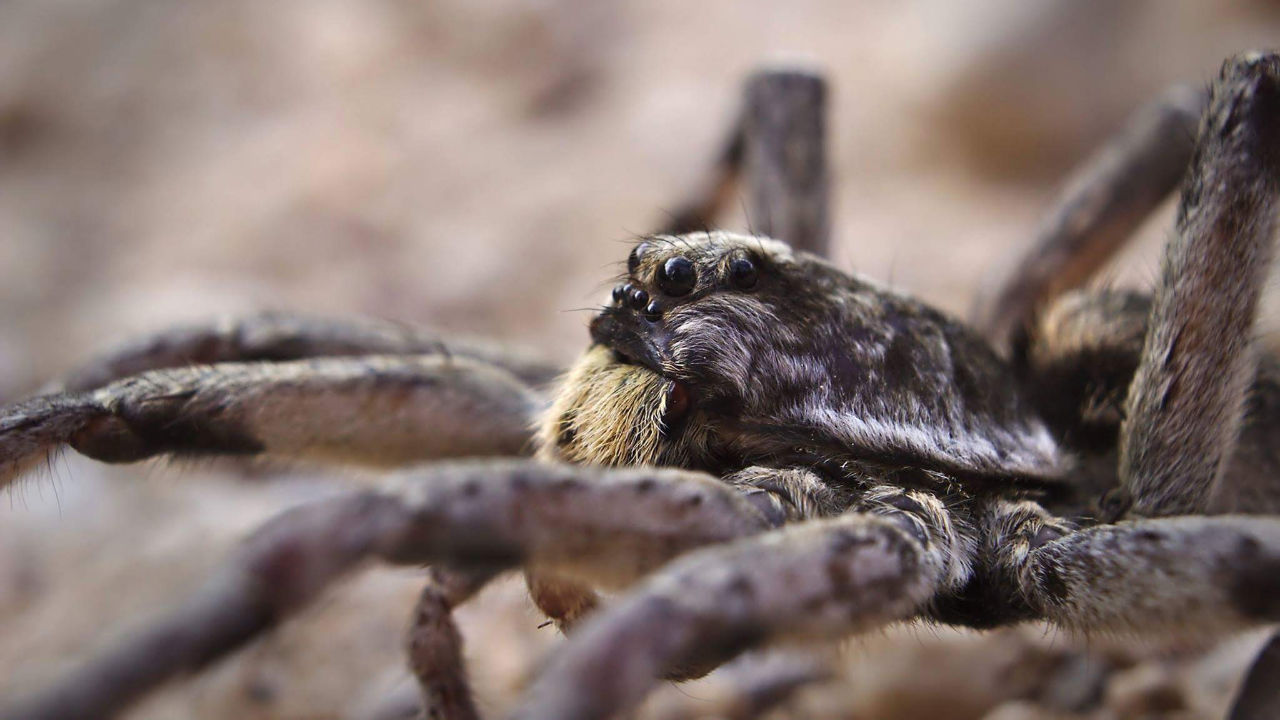
Oxyopes tridens is a species of lynx spider in the family Oxyopidae. It was described by Brady in 1964. The species is found in the United States and Mexico. As a member of the genus Oxyopes, it shares the characteristic hunting behavior of lynx spiders, which are active predators that stalk and pounce on prey.
Big-eyed Thick-jawed Spider
Pachygnatha autumnalis is a long-jawed orb-weaver spider in the family Tetragnathidae, first described by Marx in 1884. The species occurs across a broad North American and Caribbean range, including the United States, Canada, and Cuba. As a member of the genus Pachygnatha, it shares the characteristic robust, enlarged chelicerae that distinguish this group from other tetragnathids. Observations suggest it is primarily active during autumn months, consistent with its specific epithet.
Pachygnatha furcillata is a species of long-jawed orb weaver spider in the family Tetragnathidae. It is known from the United States, though specific details about its biology and ecology remain poorly documented. Like other members of its genus, it possesses elongated chelicerae (jaws) characteristic of long-jawed orb weavers.
Signal Crayfish
The signal crayfish is a large North American freshwater crayfish introduced to Europe in the 1960s to replace declining native fisheries. It has become one of the most ecologically impactful invasive decapods in Europe, outcompeting native crayfish and serving as a carrier of crayfish plague (Aphanomyces astaci). The species establishes self-sustaining populations rapidly, with six age cohorts documented within a few years of introduction. It shows sex- and size-specific coloration patterns, with males displaying more saturated and brighter ventral claw surfaces than females, suggesting a role in intraspecific communication.
Wandering House Cobweaver
Parasteatoda tabulata is a cobweb spider in the family Theridiidae, first described by H. W. Levi in 1980. It is native to tropical Asia but has been introduced to North America, Europe, and temperate Asia including China, Korea, and Japan. The species belongs to a genus closely related to the Common House Spider (Parasteatoda tepidariorum) and shares similar web-building habits.
Thin-legged wolf spider
Pardosa albomaculata is a species of thin-legged wolf spider in the family Lycosidae, originally described by Emerton in 1885. It was previously treated as a synonym of P. groenlandica but has been reestablished as a distinct species based on morphological differences in male palpal structures and female epigynes. It belongs to the glacialis/groenlandica species complex, a group of closely related Holarctic Pardosa species. The species is part of the most abundant genus of wolf spiders in North America.
Pardosa californica is a species of thin-legged wolf spider in the family Lycosidae, first described by Keyserling in 1887. It belongs to the genus Pardosa, which comprises small to medium-sized wolf spiders characterized by long spines on their legs that are nearly perpendicular to the leg axis. The species is found in the United States and Mexico. Like other members of its genus, it is likely associated with moist habitats near water sources, though specific ecological details for this species remain limited.
Pardosa dorsuncata is a species of thin-legged wolf spider in the family Lycosidae. It was described by Lowrie and Dondale in 1981. The species is found in the United States and Canada, with records from Alberta and British Columbia in Canada. As a member of the genus Pardosa, it shares characteristics typical of this widespread group of small to medium-sized wolf spiders.
Groenland Wolf Spider, Greenland Wolf Spider
Pardosa groenlandica is a species of wolf spider in the family Lycosidae, commonly known as the Groenland Wolf Spider or Greenland Wolf Spider. It is one of approximately 65 Pardosa species recognized in the United States and 75 species north of Mexico. The species has a notably broad distribution spanning arctic and subarctic regions across multiple continents.
Lowrie's Thin-legged Wolf Spider
Pardosa lowriei is a species of thin-legged wolf spider in the family Lycosidae, first described by Kronestedt in 1975. As a member of the genus Pardosa, it is characterized by long spines on the legs that are nearly perpendicular to the leg axis, distinguishing it from other wolf spider genera. The species is found in the United States and Canada. Like other Pardosa species, it is likely a ground-dwelling active hunter, though specific behavioral details for this species are not well documented.
Pardosa mercurialis is a species of thin-legged wolf spider in the family Lycosidae, found in the United States. It belongs to the genus Pardosa, which comprises small to medium-sized wolf spiders characterized by long, perpendicular leg spines. Species-level identification requires microscopic examination of genitalia. Like other Pardosa species, it is likely ground-dwelling and associated with varied terrestrial habitats, though specific ecological details for this species remain poorly documented.
thin-legged wolf spider
Pardosa metlakatla is a species of thin-legged wolf spider in the family Lycosidae, first described by Emerton in 1917. As a member of the genus Pardosa, it belongs to one of the most abundant and widespread wolf spider genera in North America. The species occurs in the United States and Canada, with confirmed records from Alberta and British Columbia. Like other Pardosa species, it is characterized by long, perpendicular leg spines and a preference for moist habitats near water.
Little Banded Wolf Spider
Pardosa modica is a species of wolf spider in the family Lycosidae, commonly known as the Little Banded Wolf Spider. It is one of approximately 65 Pardosa species recognized in the United States and 75 species north of Mexico. As a member of the 'thin-legged wolf spiders,' it is characterized by distinctive leg spines and is typically small to medium in size. The species is distributed across the United States and Canada, including records from Alberta and Manitoba.
thin-legged wolf spider
Pardosa pauxilla is a small wolf spider in the family Lycosidae, first described by Montgomery in 1904. It belongs to the genus Pardosa, commonly known as thin-legged wolf spiders, characterized by distinctive long leg spines perpendicular to the leg axis. The species is documented from the United States, with 626 observations recorded on iNaturalist. Like other Pardosa species, it likely inhabits diverse environments including wetlands, woodlands, and open fields.
Pardosa steva is a species of thin-legged wolf spider in the family Lycosidae, described by Lowrie and Gertsch in 1955. Like other members of the genus Pardosa, it is a small to medium-sized, ground-dwelling spider. The species is known from western North America, with confirmed records from Alberta, Canada and Idaho, United States. As with most Pardosa species, identification to species level requires microscopic examination of genitalia.
Pardosa uintana is a species of thin-legged wolf spider in the family Lycosidae, described by Gertsch in 1933. Like other members of the genus Pardosa, it is characterized by long spines on the legs that are nearly perpendicular to the leg axis. The species occurs in western North America, with records from Alberta and British Columbia in Canada. As with most Pardosa species, identification to species level requires microscopic examination of genitalia.
thin-legged wolf spider
Pardosa vadosa is a species of thin-legged wolf spider in the family Lycosidae, first described by Barnes in 1959. As a member of the genus Pardosa, it shares the characteristic long, perpendicular leg spines that distinguish this group from other wolf spiders. The species occurs in the United States and Mexico. Like other Pardosa species, it is likely ground-dwelling and associated with varied terrestrial habitats, though specific ecological details for this species remain limited.
Pelegrina pervaga is a species of jumping spider (family Salticidae) described by G.W. Peckham and E.G. Peckham in 1909. It occurs in the United States. Like other salticids, it possesses excellent vision and active hunting behavior. The genus Pelegrina contains multiple species of small to medium-sized jumping spiders distributed primarily in North America.
Green Lynx Spider
Peucetia viridans is the largest North American lynx spider, distinguished by its bright green coloration and active hunting behavior. Unlike web-building spiders, it pursues prey with agility comparable to jumping spiders, pouncing in a cat-like manner that inspired its common name. Females exhibit extended maternal care, guarding egg sacs and early spiderlings while reducing their own foraging activity. The species occupies a notable position in agricultural ecosystems, where it preys on both crop pests and beneficial insects.
Phanias albeolus is a species of jumping spider in the family Salticidae. It was described by Chamberlin & Ivie in 1941. The species is found in the United States.
mesh web weaver
Phantyna bicornis is a species of mesh web weaver spider in the family Dictynidae. It was described by Emerton in 1915. The species is known from North America, with records from the United States and Canada.
Boreal Tufted Jumping Spider
Phidippus borealis is a species of jumping spider in the family Salticidae, commonly known as the boreal tufted jumping spider. It occurs in boreal regions of North America, including Canada and the northern United States. As a member of the genus Phidippus, it possesses the characteristic large anterior median eyes and jumping capabilities typical of salticid spiders.
Hairy Tufted Jumping Spider
Phidippus comatus is a species of jumping spider in the family Salticidae, distributed across North America including Canada, the United States, and Mexico. The species belongs to the genus Phidippus, which includes some of the largest jumping spiders in North America. Like other members of this genus, it possesses the characteristic enlarged anterior median eyes that provide excellent vision for hunting. The specific epithet 'comatus' refers to the hairy or tufted appearance.
Tux jumping spider
Phidippus tux is a species of jumping spider in the family Salticidae, first described by Pinter in 1970. It is found in the southwestern United States and Mexico. As a member of the genus Phidippus, it belongs to a group of relatively large, colorful jumping spiders known for their excellent vision and active hunting behavior. Specific details about its appearance, behavior, and ecology remain poorly documented in the available literature.
Phidippus vexans is a species of jumping spider in the family Salticidae, described by G.B. Edwards in 2004. As a member of the genus Phidippus, it shares the characteristic large anterior median eyes and active hunting behavior typical of salticid spiders. The species is known from the United States, though detailed ecological and behavioral information remains limited in published sources.
running crab spider
Philodromus anomalus is a running crab spider in the family Philodromidae, first described by Gertsch in 1934. It is a member of the infraorder Araneomorphae, the "true spiders." The species is known from the United States, though specific details about its biology and ecology remain limited in published literature.
California running crab spider
Philodromus californicus is a species of running crab spider in the family Philodromidae. It is native to North America, with records from the United States. As a member of the Philodromidae, it belongs to a family characterized by laterigrade leg orientation that permits sideways movement. The species was described by Keyserling in 1884.
Turf Running Spider, Running Crab Spider
Philodromus cespitum is a small running crab spider in the family Philodromidae, widely distributed across the Holarctic region. It is the dominant spider species in Central European fruit orchards, where it functions as an important biological control agent. Males measure 3.5–5.0 mm, females approximately 5.3 mm. Body coloration is variable, typically in shades of brown or yellow with spotted patterns. The species exhibits distinctive reproductive biology including male courtship tapping behavior and the use of genital plugs during copulation.
Eurasian Running Crab Spider
Philodromus dispar is a small running crab spider native to Eurasia that has been introduced to North America. It is an active hunter that does not build webs, instead ambushing prey on vegetation. The species exhibits pronounced sexual dimorphism in coloration: males are shiny black or dark brown with white margins, while females are highly variable in size and color. Its attachment ability depends on ambient humidity, with optimal adhesion at intermediate humidity levels.
running crab spider
Philodromus imbecillus is a species of running crab spider in the family Philodromidae, first described by Keyserling in 1880. It occurs in the United States and Canada. Like other members of its genus, it is an active hunter that does not build webs to capture prey.
Running crab spider
Philodromus infuscatus is a running crab spider in the family Philodromidae, part of the infuscatus species group comprising 20 species and 2 subspecies. The species is divided into two subspecies: P. i. infuscatus in the eastern United States and P. i. utus Chamberlin in the western United States. It is the only member of its species group to reach Canada. These spiders are active hunters that do not build webs to capture prey.
Philodromus infuscatus utus is a subspecies of running crab spider in the family Philodromidae, described by Chamberlin in 1921. It belongs to the infuscatus species group, which comprises 20 species and 2 subspecies distributed across North and Central America and the West Indies. This subspecies is distinguished from the nominate P. i. infuscatus by its occurrence in the western United States, whereas the nominate form occurs in the eastern United States. The infuscatus group as a whole is endemic to the Americas with primary habitats in arid regions of the United States and Mexico.
Philodromus josemitensis is a species of running crab spider in the family Philodromidae. It occurs in the United States and Canada. As a member of the genus Philodromus, it shares the characteristic laterigrade leg orientation that allows sideways movement. The species was described by Gertsch in 1934.
running crab spider
Philodromus keyserlingi is a species of running crab spider in the family Philodromidae. It occurs in the United States and Canada. Like other members of its genus, it is an active hunter that does not build webs to capture prey, instead relying on speed and ambush. The species is part of a diverse genus of crab spiders commonly encountered on vegetation and structures.
running crab spider
Philodromus laticeps is a species of running crab spider in the family Philodromidae. It is native to the United States. As a member of the genus Philodromus, it exhibits the characteristic laterigrade leg orientation typical of running crab spiders, allowing sideways movement.
Philodromus lutulentus is a running crab spider in the family Philodromidae, described by Gertsch in 1934. As a member of the genus Philodromus, it shares the characteristic laterigrade leg orientation that distinguishes this group from other crab spiders. The species epithet 'lutulentus' refers to something muddy or turbid, possibly alluding to coloration or habitat associations. Like other philodromids, it is an active hunter that does not build webs to capture prey.
Metallic Crab Spider
Philodromus marxi is a running crab spider in the family Philodromidae, commonly known as the metallic crab spider. The species exhibits strong sexual dimorphism: males have a smooth, metallic sheen while females are bristly and colored white and grey. It is found throughout the United States and is frequently encountered in human dwellings, including bathrooms and showers.
running crab spider
Philodromus mineri is a species of running crab spider in the family Philodromidae, first described by Gertsch in 1933. It is found in the United States. Running crab spiders in this genus are characterized by their laterigrade leg orientation, which allows them to move sideways with agility. The specific epithet honors an individual named Miner, though the etymological details are not documented in available sources.
Philodromus minutus is a species of running crab spider in the family Philodromidae. It is native to North America and has been documented in the United States and Canada. Like other members of its genus, it is an active hunter that does not build webs to capture prey. The species has been recorded in citizen science databases with multiple observations, indicating it is encountered with some regularity.
Oneida Running Crab Spider
Philodromus oneida is a species of running crab spider in the family Philodromidae, first described by Levi in 1951. It is distributed across the United States and Canada, with records from Alberta, British Columbia, and Manitoba in Canada. As a member of the genus Philodromus, it shares the characteristic laterigrade leg orientation that allows sideways movement, typical of running crab spiders.
Philodromus peninsulanus is a running crab spider species in the family Philodromidae, first described by Gertsch in 1934. It belongs to a genus of active hunting spiders that do not build webs to capture prey. The species occurs in North America, with records from the United States and Canada.
Philodromus pinyonelis is a species of running crab spider in the family Philodromidae, described by Schick in 1965. As a member of the genus Philodromus, it belongs to a group of spiders commonly known as "running crab spiders" that are frequently encountered on vegetation and human structures. The species is documented from the United States, though specific details about its biology and ecology remain sparse in published literature.
running crab spider
Philodromus placidus is a species of running crab spider in the family Philodromidae. It is commonly found across North America, with distribution records from Canada (Alberta, Manitoba, Saskatchewan) and the United States. As a member of the Philodromidae, it is an active hunter that does not build webs to capture prey.
Running crab spider
Philodromus possiblepratariae is a running crab spider in the family Philodromidae. Like other members of this genus, it is an active hunter that does not build webs to capture prey. The species is part of a diverse genus of spiders commonly found on vegetation and structures, where they rely on speed and camouflage to ambush prey. The specific epithet suggests possible taxonomic uncertainty or similarity to P. pratariae.
running crab spider
Philodromus rodecki is a species of running crab spider in the family Philodromidae. It occurs in the United States and Canada. As a member of the genus Philodromus, it shares the family's characteristic laterigrade leg orientation, allowing sideways movement. The species was described by Gertsch and Jellison in 1939.
white-striped running crab spider
Philodromus rufus is a Holarctic running crab spider in the family Philodromidae. Laboratory studies indicate pronounced sexual dimorphism in predatory efficiency, with adult females killing approximately six times more prey than males. The species exhibits a functional response to prey density influenced by prey activity levels. Five subspecies are recognized, including the nominate form and four regional variants in North America.
Philodromus rufus jenningsi is a subspecies of running crab spider described by Cutler in 2003. It belongs to the family Philodromidae, a group of active hunters that pursue prey rather than building webs. The subspecies is known from limited records in France and Korea, with the nominate form P. rufus having a much broader distribution across the Northern Hemisphere. Like other philodromids, it is likely a diurnal predator of small insects.
Philodromus rufus quartus is a subspecies of running crab spider described by Dondale & Redner in 1968. It belongs to the family Philodromidae, a group of active hunters that do not build webs to capture prey. The subspecies is distributed across a broad Palearctic range including France, Korea, and parts of Russia and Central Asia. As a member of the Philodromus rufus species complex, it exhibits the characteristic laterigrade leg posture and flattened body form typical of bark-dwelling crab spiders.
Philodromus spectabilis is a running crab spider in the family Philodromidae, distributed across the United States and Canada. As a member of this family, it exhibits the characteristic laterigrade leg posture that enables sideways movement. The species has been documented in multiple Canadian provinces including Alberta, Manitoba, and Saskatchewan, as well as throughout the United States. It is one of many Philodromus species that occasionally enters human dwellings and has been observed in indoor environments such as bathrooms.
longlegged crab spider
Philodromus vulgaris is a running crab spider in the family Philodromidae, commonly known as the longlegged crab spider. It is a small to medium-sized spider found across North America, including the United States and Canada. The species belongs to a genus known for its flattened body form and laterigrade leg orientation, adaptations that facilitate sideways movement and hunting on flat surfaces. It is one of numerous Philodromus species documented in the region, though specific biological details remain limited in published literature.