
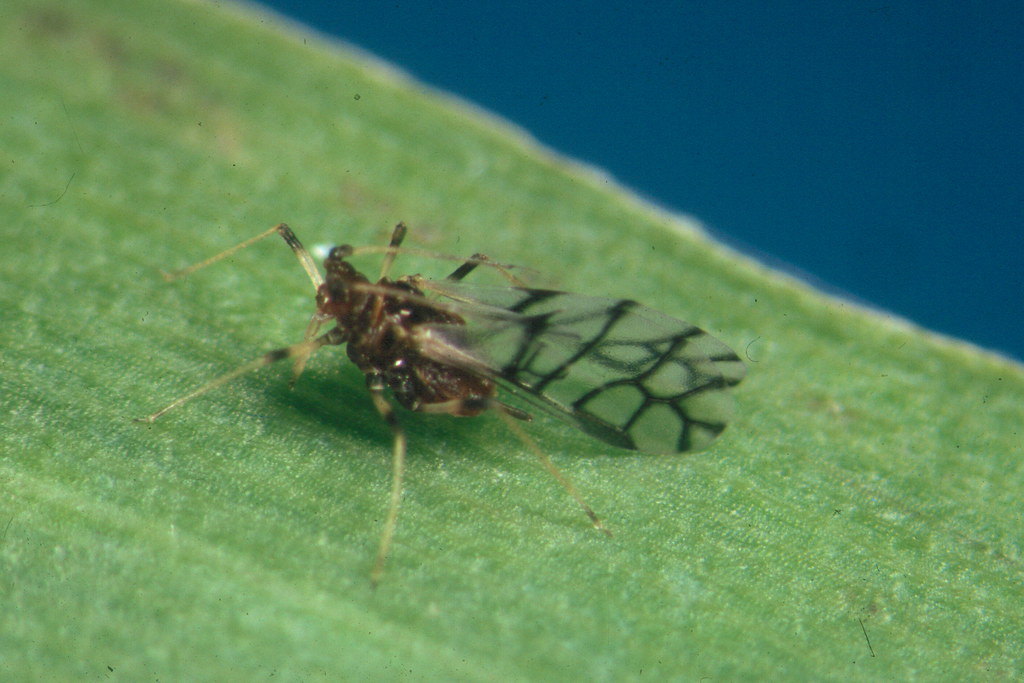
People usually talk about aphids like they are already explained. Tiny green bugs. Bad for the roses. Spray them, squish them, move on. That is not wrong. It is just a very small version of the story.
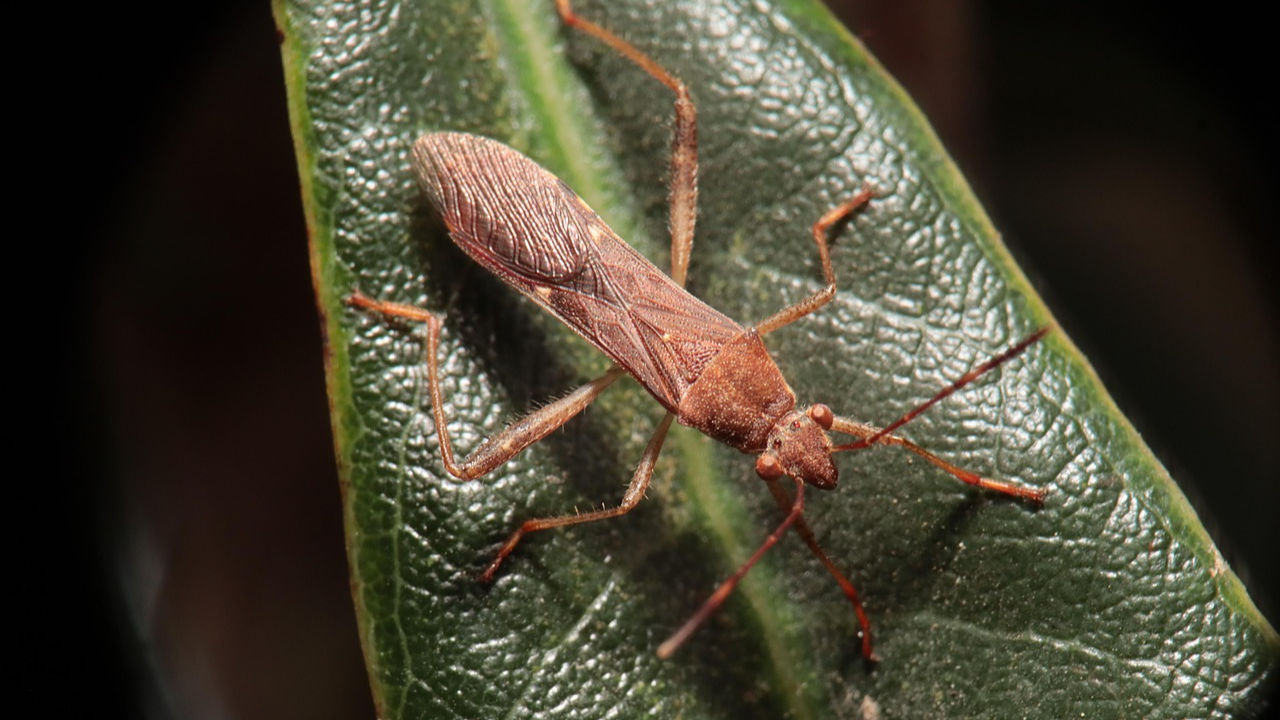
Microplax is a genus of true bugs in the family Oxycarenidae, established by Fieber in 1860. The genus includes species native to the Mediterranean region, with at least one species, Microplax albofasciata, having expanded its range northward to the Channel Islands and Germany, and subsequently introduced to North America. The 2012 detection in California represents the first documented occurrence in the United States.
Microporus nigrita is a species of burrower bug in the family Cydnidae, order Hemiptera. The species was described by Fabricius in 1794 and is known from scattered records across northern Europe including Belgium, Norway, and Sweden. As a member of the burrower bug family, it is associated with soil habitats. The genus Microporus is characterized by small body size among cydnids.
Microporus obliquus is a burrowing bug in the family Cydnidae, first described by Uhler in 1872. It belongs to the true bugs (Hemiptera), a group characterized by piercing-sucking mouthparts. The species is found in Central America and North America, though detailed biological information remains limited.
Microsiphoniella is a genus of aphids within the family Aphididae, tribe Macrosiphini. Established by Hille Ris Lambers in 1947, it comprises small, sap-sucking insects that feed on vascular plants. The genus is poorly documented in public sources, with no observations recorded in major biodiversity platforms. As a member of the Macrosiphini, it likely shares the tribe's characteristic of having relatively long siphunculi compared to other aphid groups.
Tamaulipan White-winged Assassin
Microtomus luctuosus is a species of assassin bug in the family Reduviidae, native to the Americas. It belongs to the subfamily Hammacerinae, which includes species commonly known as bark assassin bugs. The species has been recorded across a broad geographic range spanning North, Central, and South America. Like other members of its genus, it is likely associated with woodland habitats and cryptic microhabitats such as beneath bark. The specific epithet 'luctuosus' (Latin for 'mournful' or 'sorrowful') may refer to its coloration.
Microvelia beameri is a small water strider in the family Veliidae, described by McKinstry in 1937. The species belongs to a genus characterized by small body size and the ability to skate on water surfaces. Records indicate presence across Caribbean, Middle America, and North America. Very few observations exist in public databases, suggesting either rarity or underreporting due to its minute size.
smaller water strider
Microvelia buenoi is a small semiaquatic bug in the family Veliidae, commonly known as smaller water striders. The species was described by Drake in 1920 and occurs across a broad transcontinental range spanning Europe, Northern Asia (excluding China), and North America. Like other members of the genus Microvelia, it inhabits the surface film of freshwater habitats where it moves with characteristic rapid, darting movements. The specific epithet honors entomologist Erika Bueno's family name, though this appears coincidental rather than commemorative.
Microvelia cerifera is a species of small water strider in the family Veliidae, described by McKinstry in 1937. The species belongs to the genus Microvelia, a diverse group of semiaquatic bugs commonly found on the surface film of freshwater habitats. Like other veliids, it is adapted for life on water surfaces using hydrophobic setae and specialized leg morphology. The species is known from North America.
Microvelia signata is a small water strider in the family Veliidae, found in aquatic and semi-aquatic habitats across North and Middle America. Like other members of the genus Microvelia, it is adapted for life on the water surface, using surface tension to skate across ponds, streams, and other freshwater bodies. The species was described by Philip Uhler in 1894 and is recognized as a valid taxon in current classifications.
Micrutalis dorsalis is a treehopper species in the family Membracidae, first described by Fitch in 1851. The species is distributed across the northeastern and north-central United States, with records from Connecticut, Michigan, Minnesota, Nebraska, and New Jersey. Like other members of the genus Micrutalis, it is associated with herbaceous plant hosts. The species is part of a diverse group of treehoppers that exhibit specialized host plant relationships.
Yellow Micrutalis treehopper
Micrutalis flava is a treehopper species in the family Membracidae, described by Goding in 1929. The species belongs to a genus whose members are restricted to herbaceous plant hosts. Very little published information exists specifically for this species, with most knowledge inferred from genus-level characteristics and limited observation records. The species has been documented in Utah and appears to be rarely encountered based on available observation data.
Micrutalis parva is a small treehopper species in the family Membracidae, first described by Goding in 1893. The species is characterized by its diminutive size relative to other members of the genus Micrutalis. Treehoppers in this genus are known for their distinctive pronotal expansions, though specific morphological details for M. parva are limited in available sources. The species has been recorded from the southwestern United States, specifically Arizona and California.
mango shield scale
Milviscutulus is a genus of soft scale insects (family Coccidae) established by Williams & Watson in 1990. The genus contains at least one economically significant species, M. mangiferae, commonly known as the mango shield scale. Species in this genus are phloem-feeding herbivores associated with mango (Mangifera indica). The genus has been documented in Egypt, Australia (north Queensland), and Papua New Guinea.
Mindarinae is a small subfamily of aphids within the family Aphididae, established by Tullgren in 1909. The subfamily is characterized by distinctive morphological features that separate it from other aphid subfamilies. It includes the genus Mindarus, which contains species associated with coniferous trees.
Minitingis minusculus is a species of lace bug described by Barber in 1954. It belongs to the family Tingidae, a group of true bugs characterized by their distinctive reticulated, lace-like forewings. The species has been synonymized under the genus Zetekella in some taxonomic treatments, though it remains recognized as Minitingis minusculus in other sources. It is known from the Caribbean region.
Mistharnophantia angusta is a species of planthopper in the family Flatidae, described by Doering and Shepherd in 1947. It belongs to the tribe Selizini within the subfamily Flatinae. Like other flatid planthoppers, it is likely a phloem-feeding insect associated with woody vegetation. The species is part of a genus with limited documented ecological information.
Momar is a genus of planthoppers in the family Achilidae, established by Fennah in 1950. Members of this genus belong to the tribe Plectoderini within the subfamily Myconinae. Achilidae planthoppers are characterized by their flattened, often cryptic appearance and association with fungal hosts. The genus is part of the diverse Fulgoroidea superfamily within the order Hemiptera.
Momar maculifrons is a species of planthopper in the family Achilidae, first described by Van Duzee in 1912. This species belongs to the order Hemiptera and is found in the southwestern United States and northern Mexico. Planthoppers in this family are typically associated with fungal hosts and are not well studied compared to their relatives in other fulgoroid families.
Monalocorisca rostrata is a species of plant bug in the family Miridae, first described by Johnston in 1939. It belongs to the large and diverse family of true bugs, which are characterized by their piercing-sucking mouthparts. The species is currently accepted and documented in taxonomic catalogs, though detailed biological information remains limited.
Solitary Birch Aphid
Monaphis antennata is an aphid species in the family Aphididae, commonly known as the Solitary Birch Aphid. It is a specialist feeder on birch trees (Betula spp.) and is distinguished from most other aphids by its solitary rather than colonial lifestyle. The species was described by Kaltenbach in 1843 and occurs across parts of Europe.
Moromorpha tetra is a species of stink bug in the family Pentatomidae, first described by Walker in 1868. It belongs to the genus Moromorpha, which is part of the diverse true bug fauna of the Americas. The species has been recorded from both North America and Middle America, though detailed biological information remains limited in available sources.
leaf-footed bugs
Mozena is a genus of leaf-footed bugs in the family Coreidae, containing more than 30 described species. The genus was established by Amyot & Serville in 1843 and is placed in the tribe Nematopodini. Some species, such as M. obtusa, have been investigated as potential biocontrol agents for invasive Prosopis (mesquite) species. Members of this genus are found primarily in the Americas, with records from the southwestern United States through Mexico.
Muirodelphax unda is a species of planthopper in the family Delphacidae, originally described by Metcalf in 1923. It belongs to the genus Muirodelphax, which comprises small delphacid planthoppers. The species has been treated as a synonym of Delphacodes unda in some taxonomic databases, reflecting ongoing taxonomic uncertainty in this group. Delphacid planthoppers are generally associated with grass and sedge habitats, though specific ecological data for M. unda remain limited.
Mula resonans is a species of planthopper in the family Derbidae, first described by Ball in 1928. The species belongs to the tribe Sikaianini within the subfamily Otiocerinae. Records indicate occurrence in the southeastern United States, specifically Florida, Louisiana, and Mississippi. Very little is known about its biology or ecology.
Lesser Rose Aphid
Myzaphis rosarum is a small aphid species in the family Aphididae, commonly known as the Lesser Rose Aphid. It colonizes Rosa species and various trees, occurring on both wild and cultivated plants. The species serves as prey for aphidophagous predators including Hippodamia convergens, and has been documented as a suitable host supporting predator development in laboratory studies. It is distinguished from congeners by specific morphological characters.
Myzocallidina is a subtribe of aphids within the family Aphididae, established by Börner in 1942. It is currently treated as a synonym in modern taxonomic databases. The subtribe belongs to the tribe Myzocallidini in the subfamily Calaphidinae, a group of aphids primarily associated with woody host plants. The subtribe classification reflects historical attempts to organize the diverse aphid fauna based on morphological and biological characteristics.
Common Milkweed Aphid
Myzocallis asclepiadis is an aphid species in the family Aphididae, first described by Monell in 1879. The species epithet 'asclepiadis' indicates a host association with milkweeds (Asclepias). Taxonomic placement has been debated, with some sources treating it under the genus Neomyzocallis. It is commonly known as the Common Milkweed Aphid and has been documented in citizen science observations.
Myzocallis bella is an aphid species in the family Aphididae, subfamily Calaphidinae, originally described by Walsh in 1863. The species has undergone taxonomic revision, with some sources listing it as a synonym of Lineomyzocallis bella, while others recognize it as valid under Myzocallis. As a member of the Myzocallidini tribe, it belongs to a group of aphids typically associated with woody host plants, particularly in the Fagaceae family.
Eastern dusky-winged oak aphid
Myzocallis discolor is an aphid species in the family Aphididae, commonly known as the eastern dusky-winged oak aphid. The species has undergone taxonomic revision, with some sources placing it in the genus Neomyzocallis. It is associated with oak hosts (Quercus species). The species was first described by Monell in 1879 under the basionym Callipterus discolor.
Hamburger oak aphid
Myzocallis meridionalis is a species of aphid in the family Aphididae, first described by Granovsky in 1939. The species has been reclassified under the genus Lineomyzocallis in some taxonomic treatments, though it remains listed under Myzocallis in other sources. Commonly known as the Hamburger oak aphid, it is associated with oak trees (Quercus species). The species has been documented through 33 research-grade observations on iNaturalist as of the available data.
Myzocallis punctatus is a species of aphid in the family Aphididae, currently treated as a synonym of Neomyzocallis asclepiadis. The specific epithet 'punctatus' refers to spotted or punctured appearance. As a member of the Calaphidinae subfamily and Myzocallidini tribe, it belongs to a group of aphids associated with woody host plants. The taxonomic status indicates this name is no longer accepted as valid, having been synonymized under a different genus.
Tuberculate oak aphid
Myzocallis tuberculata is a species of aphid in the family Aphididae, described by Richards in 1965. The species has been synonymized under the genus Neomyzocallis in some taxonomic treatments, reflecting ongoing revisions within the Myzocallis complex. It is known by the common name "Tuberculate oak aphid," indicating an association with oak host plants. The species belongs to the tribe Myzocallidini, a group of aphids predominantly associated with Fagaceae, particularly oaks (Quercus).
Damsel Bugs
Nabidae is a family of predatory true bugs known as damsel bugs, containing over 500 species in approximately 20 genera. These soft-bodied, elongate insects are terrestrial predators that use raptorial forelegs to capture and hold prey, similar to mantids. They are economically important in agriculture due to their predation on crop pests including aphids, lepidopteran eggs, and other small insects. Many species are attracted to lights at night, and some exhibit wing polymorphism with fully winged, short-winged, or wingless forms.
Damsel bugs
Nabini is a tribe of damsel bugs in the family Nabidae, comprising predatory true bugs found across diverse terrestrial habitats. Members are characterized by raptorial forelegs adapted for capturing prey, a slender body form, and a prominent curved rostrum. The tribe includes genera such as Nabis, the most speciose genus in the family. Nabini species are active hunters that contribute to biological control of pest insects in agricultural and natural systems.
damsel bugs
Nabis is a genus of damsel bugs in the family Nabidae, comprising predatory true bugs found worldwide. Members are small, slender insects typically under 12 mm in length, recognized by their raptorial front legs adapted for capturing prey. They are primarily nocturnal predators that use a combination of ambush and active hunting strategies to subdue insects larger than themselves. The genus is economically significant as a biological control agent in agricultural systems, particularly in cotton and greenhouse crops.
damsel bug
Small predatory true bugs in the family Nabidae. Adults typically under 12 mm. Nocturnal hunters that subdue prey larger than themselves using raptorial front legs. Attracted to artificial lights, possibly to exploit other insects drawn there. Economically significant as natural pest control agents in agricultural systems.
Broad Damsel Bug
Nabis flavomarginatus is a small predatory true bug in the family Nabidae, commonly known as the Broad Damsel Bug. It exhibits a Holarctic distribution spanning northern Europe, Siberia, Central Asia, East Asia, and North America including Alaska, Canada, and Greenland. The species inhabits wet, open grassland habitats with high proportions of grasses, sedges, and rushes, and shows a preference for cooler microclimates compared to other Nabinae. It is an effective predator in agricultural and natural systems, with cicadas documented as frequent prey.
damsel bug
Nabis inscriptus is a species of damsel bug in the family Nabidae. It occurs across Europe, Northern Asia (excluding China), and North America. As a member of the genus Nabis, it shares the characteristic predatory habits of damsel bugs, though species-specific behavioral details are not well documented. The species was first described by William Kirby in 1837.
Lovett's damsel bug
Nabis lovettii is a species of damsel bug in the family Nabidae, a group of small predatory true bugs. Damsel bugs are nocturnal predators that subdue insects larger than themselves using raptorial forelegs. Members of the genus Nabis are among the most abundant small predators in North American ecosystems and are considered economically important for biological pest control in agricultural systems. Nabis lovettii has been documented in western North America.
Damsel bug
Nabis nigrovittatus is a predatory damsel bug in the family Nabidae. It is a small, nocturnal true bug that hunts other insects. The species has been recorded in Europe, northern Asia, and North America. Like other nabids, it is considered economically important for biological pest control in agricultural systems.
Nabis vanduzeei is a species of damsel bug in the family Nabidae, a group of small predatory true bugs. Like other members of the genus Nabis, this species is a nocturnal predator that subdues insects often larger than itself using raptorial forelegs. The species is documented from limited observations, with 14 records on iNaturalist. Damsel bugs in this genus are economically significant as biological control agents in agricultural systems.
Dark-spot Columbine Aphid
Nasonovia aquilegiae is an aphid species in the family Aphididae, described by Essig in 1917. It is commonly known as the Dark-spot Columbine Aphid, indicating an association with columbine plants (Aquilegia). The species belongs to the genus Nasonovia, which includes several economically significant agricultural pests.
Neaethus is a genus of planthoppers in the family Tropiduchidae, described by Stål in 1861. Members of this genus belong to the tribe Elicini within the subfamily Elicinae. As fulgoromorph hemipterans, they possess piercing-sucking mouthparts and are associated with plant feeding.
Neaethus grossus is a planthopper species in the family Tropiduchidae, described by Melichar in 1906. It belongs to the subfamily Elicinae and is one of two recognized subspecies within the species: the nominate form N. g. grossus and N. g. pallidus. The species has been documented in western North America, with confirmed records from California.
Short-beaked Clover Aphid
Nearctaphis bakeri is a species of aphid in the family Aphididae, first described by Cowen in 1895. It is commonly known as the Short-beaked Clover Aphid. The species belongs to the Nearctic genus Nearctaphis, which is placed in the tribe Macrosiphini. Records indicate a disjunct distribution pattern with populations reported from both European localities (Yugoslavia, Albania, Belgium, Switzerland) and the Azorean island of São Miguel.
Nenema confragosa is a species of planthopper in the family Caliscelidae, described by Doering in 1941. It is one of several species in the genus Nenema, a group of small, often inconspicuous planthoppers found in arid regions of western North America. The species appears to be restricted to the southwestern United States, with records from Arizona, Nevada, New Mexico, and Texas. Like other Caliscelidae, it likely inhabits grassland and shrubland environments where it feeds on plant sap.
Nenema convergens is a species of planthopper in the family Caliscelidae, first described by Bunn in 1930. It belongs to the order Hemiptera, suborder Auchenorrhyncha, within the infraorder Fulgoromorpha. The species is recorded from the southwestern United States, specifically Arizona, Colorado, and New Mexico. Little is known about its biology, ecology, or host associations.
Neocapsus fasciativentris is a species of plant bug in the family Miridae, first described by Stål in 1862. It occurs in the southwestern United States and Mexico. The species is part of the diverse and speciose genus Neocapsus, which contains numerous mirid species found primarily in the Americas. Like other mirids, it possesses piercing-sucking mouthparts adapted for feeding on plant fluids.
Neocapsus leviscutatus is a species of plant bug in the family Miridae, described by Knight in 1925. Originally described as a subspecies of Neocapsus cuneatus, it is now recognized as a full species. The species is known from a limited number of records in the southeastern United States. Like other mirids, it belongs to the diverse group of true bugs characterized by piercing-sucking mouthparts.
Painted Cicadas
Neocicada is a genus of cicadas in the family Cicadidae, tribe Leptopsaltriini, containing approximately five described species distributed across North and Central America. The genus was established by Kato in 1932 and is taxonomically distinct from other North American cicada genera, with its closest relative being the Old World genus Cicada. Species within this genus include N. hieroglyphica (the hieroglyphic cicada), N. chisos (the chisos cicada), and three species described in 2005: N. australamexicana, N. centramericana, and N. mediamexicana. Members produce loud daytime calls and are attracted to ultraviolet and mercury-vapor lights.