
Nabis
damsel bug
Pronunciation
How to pronounce Nabis: /ˈneɪbɪs spʌnˈɛərɪz/
These audio files are automatically generated. While they are not always 100% accurate, they are a good starting point.
Identification
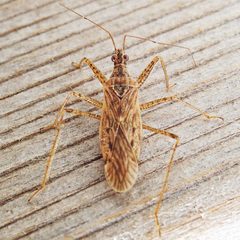
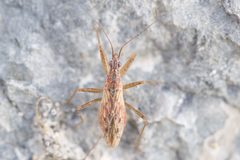
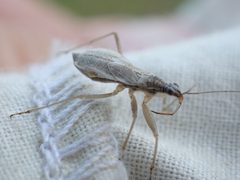
Front muscular and swollen, armed with teeth on underside for securing prey. Short rostrum compared to plant-feeding . Lacks (notch in wing margin) that distinguishes similar-looking mirid plant bugs. Most assassin bugs (Reduviidae) are larger. Some wingless or with reduced wings at maturity.
Images
Seasonality
active from early spring through late fall.
Diet
Predatory; feeds on other insects including leafhoppers and small .
Behavior
Solitary, not swarming. . Stalks prey persistently. Some attracted to lights at night, possibly to prey on other insects gathered there. Timid, not prone to biting humans.
Ecological Role
; among the most abundant small predators in many . Significant natural pest control in agricultural systems.
Human Relevance
Beneficial for biological pest control in agriculture. Bite possible if handled but not dangerous to humans.
Similar Taxa
- Miridae (plant bugs)Similar body form but distinguished by presence of (notch in wing margin) and different rostrum length
- Reduviidae (assassin bugs)Both have short rostrum and predatory habits, but most reduviids are larger